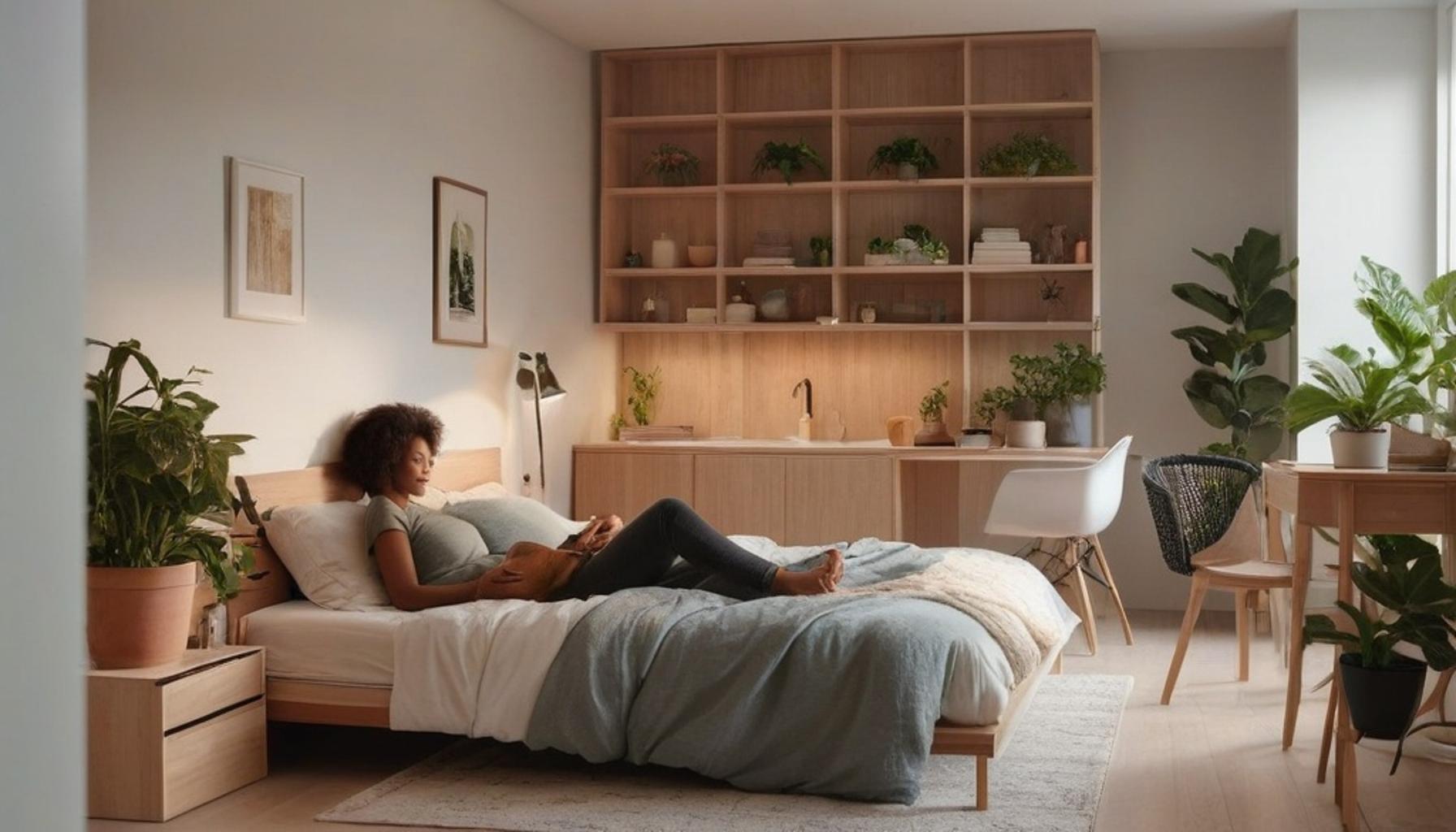
Organizing for Productivity: Workspace Organization Tips for a Clutter-Free Home
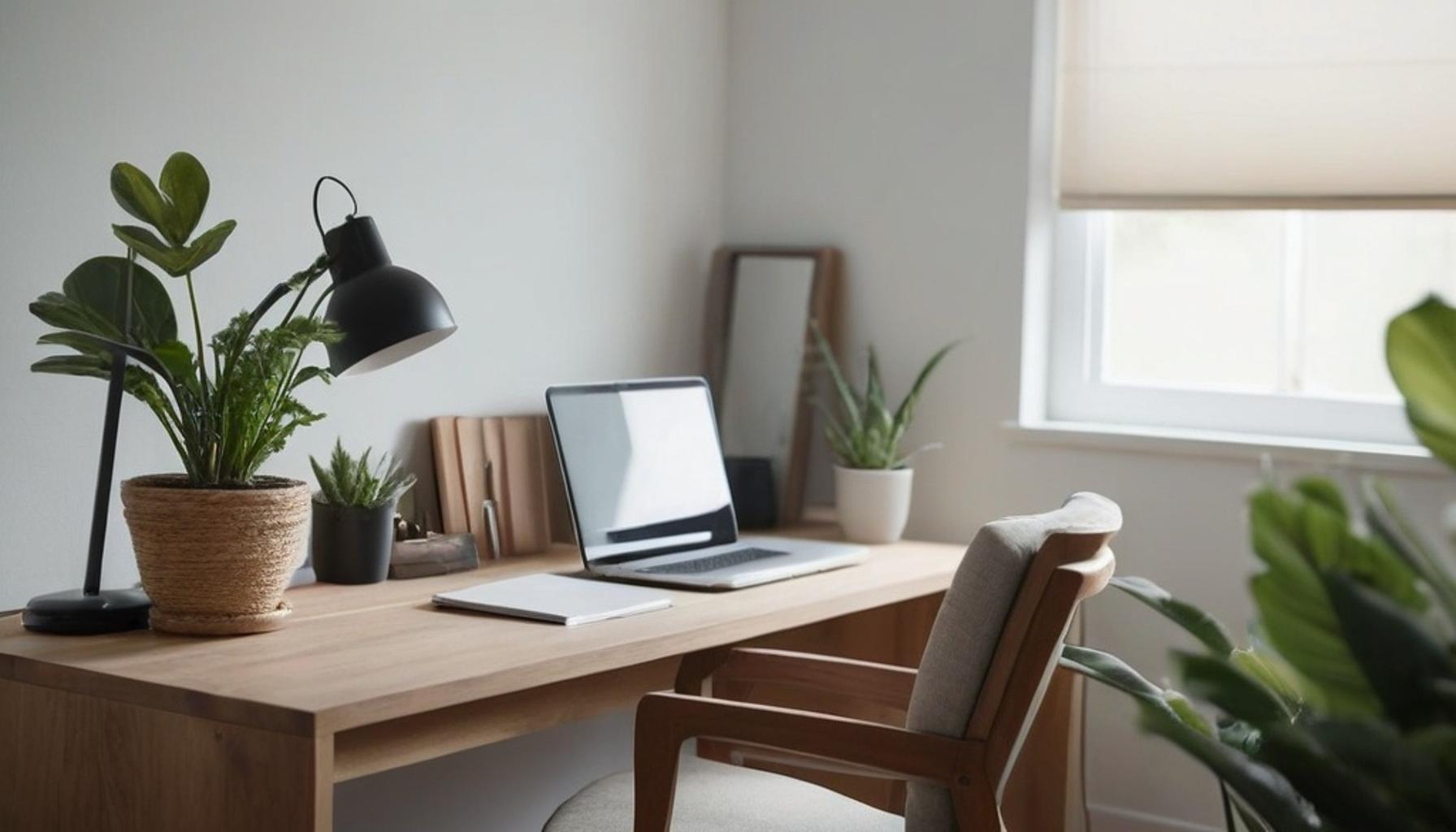
The Hidden Impact of Desk Clutter on Productivity
The average American office worker loses up to 4.3 hours per week searching for misplaced items or navigating a cluttered desk, according to workplace productivity studies. Imagine the potential projects that could be completed or the quality time spent with family if that time were reclaimed. This staggering statistic accentuates the importance of a well-organized workspace, particularly in today’s ever-evolving work environment.
As remote and hybrid work arrangements become more widespread across the United States, the line separating one’s living space from the workspace is increasingly indistinct. A disorganized corner of the kitchen table, strewn with papers and coffee cups, or a chaotic home office filled with clutter can subtly undermine focus, creativity, and mental clarity. This is more than just an inconvenience; it’s a barrier to productivity.
Workspace organization tips are no longer mere lifestyle trends; they have transformed into essential strategies for modern living. Creating a clutter-free home office involves more than just achieving an aesthetically pleasing space akin to those seen on Pinterest. It’s about structuring an environment that harmonizes with the way your brain processes information and achieves tasks.
Effective Strategies for Workspace Organization
To help transform your workspace effectively, here are several key strategies:
- Decluttering Systems: Implement simple systems for decluttering that can take as little as 15 minutes each day. For instance, the “one in, one out” rule—where for every new item you bring into your workspace, you remove an older item—can greatly assist in maintaining organization.
- Storage Solutions: Discover storage solutions that maximize small or shared spaces. Consider using under-desk storage bins, wall-mounted shelves, or vertical organizers to keep essential items within reach while minimizing surface clutter.
- Digital Organization Habits: Adopt digital organization habits to reduce mental overload. Use cloud-based services like Google Drive or Dropbox for file storage, which can prevent excessive paperwork from cluttering your physical desk.
- Efficient Layout Adjustments: Make layout adjustments based on workspace efficiency techniques. For instance, keeping frequently used tools within arm’s reach can improve flow and reduce frustrating interruptions.
Whether you find yourself managing a simple corner desk or a fully equipped home office, these productivity tips for home office environments can help you reclaim lost time and transform your workspace into a functional, efficient area. The ultimate goal is to establish a space that works as diligently as you do, stripped from the chaos of disorganization. This strategic approach to workspace organization not only enhances productivity but also enhances overall well-being, leading to a more balanced life.
DISCOVER: Click here for minimalist kitchen inspiration
# The Psychology Behind a Clutter-Free Home OfficeWalk into any American home office right now, and you might notice something revealing: the state of the desk often mirrors the state of the mind working at it. Neuroscientists at Princeton University found that visual clutter competes for attention in the brain, literally reducing our ability to focus and process information efficiently. This isn’t just anecdotal—it’s measurable science affecting millions of home-based workers nationwide.The pandemic-driven shift to remote work created an unexpected experiment. Suddenly, kitchen tables became conference rooms, and spare bedrooms transformed into corporate headquarters. Many Americans discovered that organizing home workspace areas wasn’t optional—it became a survival skill for maintaining sanity and productivity simultaneously.
Why Physical Space Shapes Mental Performance
Consider this: a study from the Harvard Business Review revealed that employees in organized environments completed tasks 32% faster than those working amid clutter. That’s not a minor difference; it’s the gap between finishing a project by lunch or still wrestling with it at dinner.
The reasons extend beyond simple aesthetics. When your workspace is disorganized, your brain must constantly filter out visual noise—stacks of papers, tangled cables, forgotten coffee mugs—before it can concentrate on actual work. This mental filtering process drains cognitive resources that should be powering your creativity and problem-solving abilities instead.
Home office decluttering, therefore, isn’t about achieving perfection. It’s about removing unnecessary friction between you and your goals.
Building Sustainable Organization Habits
Successful workspace organization tips share one common thread: they work with human behavior, not against it. Here’s what actually makes a difference:
- The Two-Minute Rule: If clearing an item takes less than two minutes, do it immediately rather than postponing it. This prevents small messes from becoming overwhelming piles.
- Designated Zones: Assign specific areas for specific tasks—one zone for active projects, another for reference materials, and a third for supplies. This spatial separation trains your brain to associate each area with particular activities.
- Weekly Reset Rituals: Spend 10 minutes every Friday afternoon resetting your workspace for the following week. This habit prevents Monday morning chaos and sets a productive tone from the start.
- Cable Management: Use clips, sleeves, or boxes to organize charging cables and cords. Tangled wires create visual chaos disproportionate to their actual size.
These workspace efficiency techniques require minimal investment but yield substantial returns. Unlike expensive organizational systems marketed online, these habits rely on consistency rather than costly products, making them accessible to virtually anyone seeking a more functional workspace.
DISCOVER: Click here to dive into minimalist kitchen ideas
In the ever-evolving landscape of remote work, establishing an efficient home office tailored to individual needs has become paramount. Homes across the United States are unique, with no two spaces presenting the same organizational challenges. From a cramped studio apartment in San Francisco to a spacious suburban home office in Atlanta, recognizing the nuances of your environment can set the stage for enhanced productivity.
Vertical Space: The Most Underutilized Resource
When it comes to maximizing office space, the focus often lies in horizontal organization—think desks, shelves, and cabinets. However, the truth is that the vertical space surrounding us remains largely untapped. This oversight can become a significant missed opportunity in the fight against clutter. Utilizing wall-mounted solutions like shelving, pegboards, and floating organizers allows for reclaiming of valuable square footage that might otherwise be taken up by disorganization.
A recent survey conducted by The Container Store revealed that 67% of home office users who adopted vertical storage strategies experienced a marked decrease in feelings of overwhelm within just two weeks. The reason is simple: freeing up surfaces by relocating items to walls creates a cleaner, more deliberate workspace conducive to focused tasks. This strategy not only enhances visibility but also inspires creativity as items can be displayed aesthetically.
Here are some effective vertical strategies worth considering for a truly clutter-free home:
- Pegboard Systems: Although traditionally found in workshops and garages, pegboards have made their stylish entry into home offices. These versatile boards can hold everything from office supplies and notebooks to headphones, making them an excellent tool for both organization and decoration.
- Floating Shelves: By installing floating shelves above eye level, you can store reference books or decorative items, keeping essential tools within easy reach below. This not only saves space but also contributes to a more visually appealing environment.
- Over-Door Organizers: The back of a door can serve as an unexpected treasure trove for storage. Whether it’s supplies, mail, or accessories like shoes in a multifunctional room, over-door organizers can free up desktop space significantly.
The Digital Clutter Nobody Talks About
While physical organization is vital, the reality of modern work life extends to the digital realm as well. Many overlook the impact of a cluttered digital workspace, where scattered desktop icons, overflowing email inboxes, and a barrage of open browser tabs contribute to a similar sense of chaos. This digital disarray can lead to cognitive overload, mirroring the distractions of a messy desk.
According to Microsoft’s Work Trend Index, the average knowledge worker switches between applications and windows nearly 1,200 times daily. Each transition is costly—consuming precious seconds and draining mental energy, ultimately resulting in hours of lost productivity each week. To combat this, adopting effective workspace efficiency techniques for your digital environment can yield significant benefits:
- Develop a well-structured folder system organized by project rather than by file type, facilitating easier access.
- Regularly unsubscribe from unnecessary email newsletters that clutter your inbox, simplifying your daily correspondence.
- Utilize browser bookmarks to create organized folders, reducing the need to keep dozens of tabs open simultaneously.
By addressing both physical and digital organization, home office users can create compounding benefits. Individuals who engage in tackling both dimensions are likely to experience greater improvements overall, as clarity and discipline in one sphere often bolster efficiency in the other. Achieving a harmonious blend of organization techniques fosters an environment that is not only productive but also inspiring to work in.
DISCOVER: Click here to dive into minimalist kitchen ideas
Bringing It All Together: A Sustainable Path Forward
From coast to coast, the quest for a functional, clutter-free home office is less about achieving Pinterest-perfect aesthetics and more about creating systems that genuinely support how you work. The most effective workspace organization tips shared throughout this piece share a common thread: they address root causes rather than offering temporary fixes.
Vertical storage solutions and digital decluttering aren’t isolated tactics—they’re part of a broader philosophy that treats your workspace as a living system requiring regular maintenance. Just as a Seattle tech worker’s needs differ from those of a freelance writer in Nashville, your organizational approach should evolve alongside your work patterns and available space.
Small Changes, Measurable Results
Consider starting with just one strategy this week. Perhaps it’s installing a single floating shelf or spending fifteen minutes unsubscribing from cluttering newsletters. Research consistently shows that incremental changes tend to stick better than sweeping overhauls attempted all at once.
The numbers speak for themselves: workers who implement even basic home office decluttering practices report noticeable improvements in focus within days, not months. This isn’t about perfection—it’s about progress.
Your Workspace, Your Rules
Ultimately, organizing home workspace environments successfully requires abandoning one-size-fits-all thinking. What works in a Manhattan micro-apartment may prove impractical in a Texas ranch-style home office, and that’s perfectly fine.
The most valuable productivity tips for home office setups are the ones you’ll actually maintain long-term. Whether you gravitate toward pegboard systems, digital folder hierarchies, or a combination of both, the goal remains consistent: reducing friction between you and focused, meaningful work.
As remote and hybrid arrangements continue reshaping American work culture, investing time in thoughtful workspace efficiency techniques isn’t merely a productivity hack—it’s becoming an essential skill for professional sustainability in this new era.
Frequently Asked Questions
What are the first steps to declutter my home office space effectively?
Start by emptying your workspace completely and sorting items into categories: keep, donate, recycle, or toss. This helps you see everything you have and make decisions on what is truly essential for your productivity.
How can I maintain a clutter-free workspace after organizing it?
Establish daily or weekly cleaning routines where you spend a few minutes putting things away and tidying up. Implement ‘a place for everything’ principle, ensuring every item has a designated spot to prevent clutter from accumulating again.
What are some effective workspace organization tips for small areas?
Utilize vertical space with wall shelves, pegboards, or hooks to keep items off your desk. Consider multifunctional furniture, such as a desk with built-in storage or a foldable table, to maximize functionality without sacrificing space.
How do I organize digital files to complement my physical workspace organization?
Create a logical folder structure on your computer similar to your physical workspace, using clear and consistent naming conventions. Regularly delete unnecessary files and back up important documents to avoid digital clutter and enhance your workspace productivity.
What tools or products can help with organizing my workspace more efficiently?
Invest in drawer organizers, file folders, and labeling supplies to keep everything organized. Additionally, consider using productivity apps that can help you manage tasks and notes, ensuring that you keep your workspace clear and focused on your goals.

Beatriz
Beatriz Johnson is a seasoned minimalist and writer with a passion for simplifying the complexities of personal organization and intentional living. With over a decade of experience in decluttering strategies and mindful consumption, she specializes in topics like space optimization, habit simplification, and sustainable lifestyle choices. Through her work on our website, Beatriz empowers readers to embrace minimalism, reduce mental and physical clutter, and create more meaningful, organized lives in today's fast-paced world.