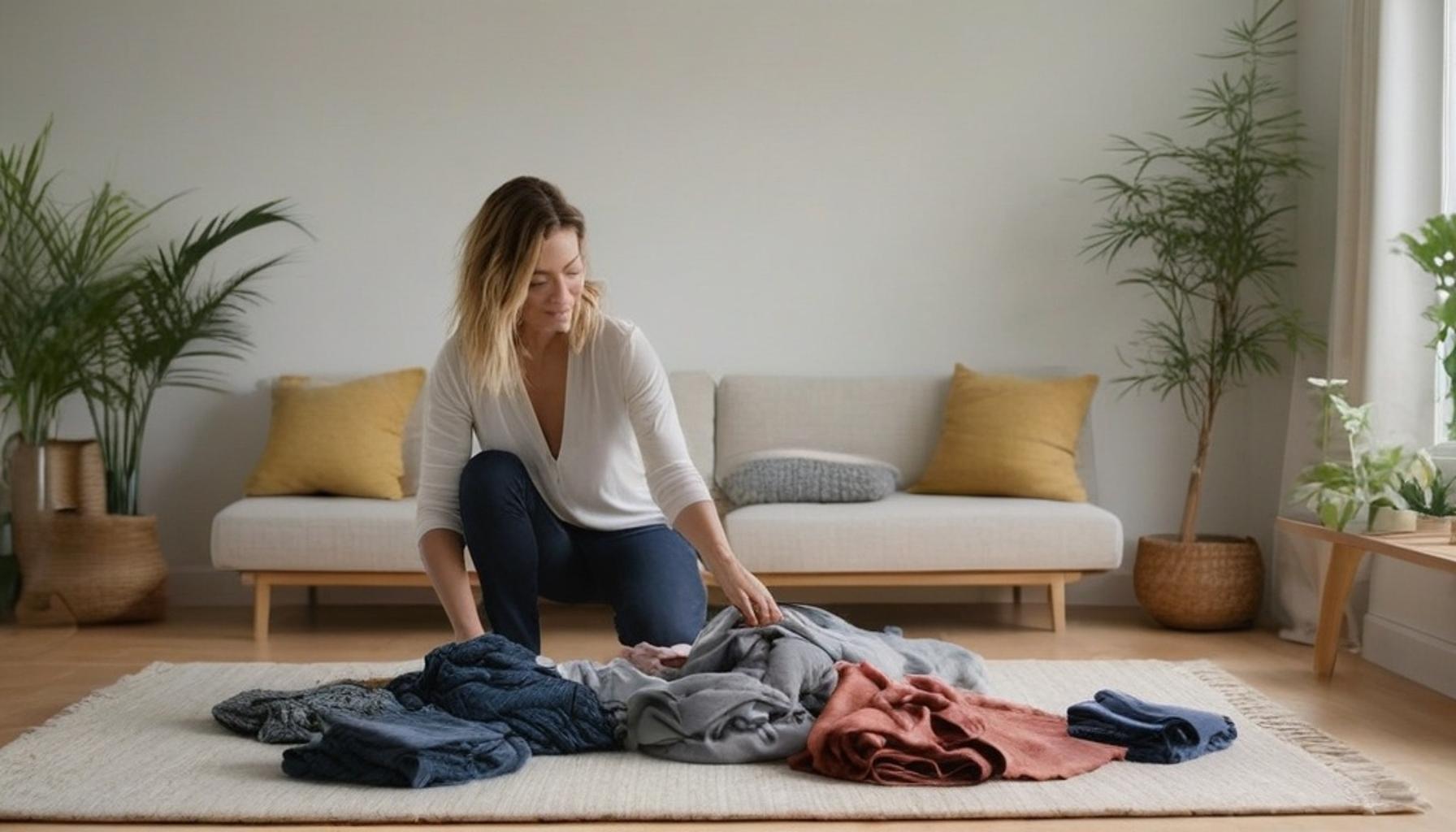
Decluttering with the Family: Strategies to Involve Everyone in Reducing Items and Improving Shared Space
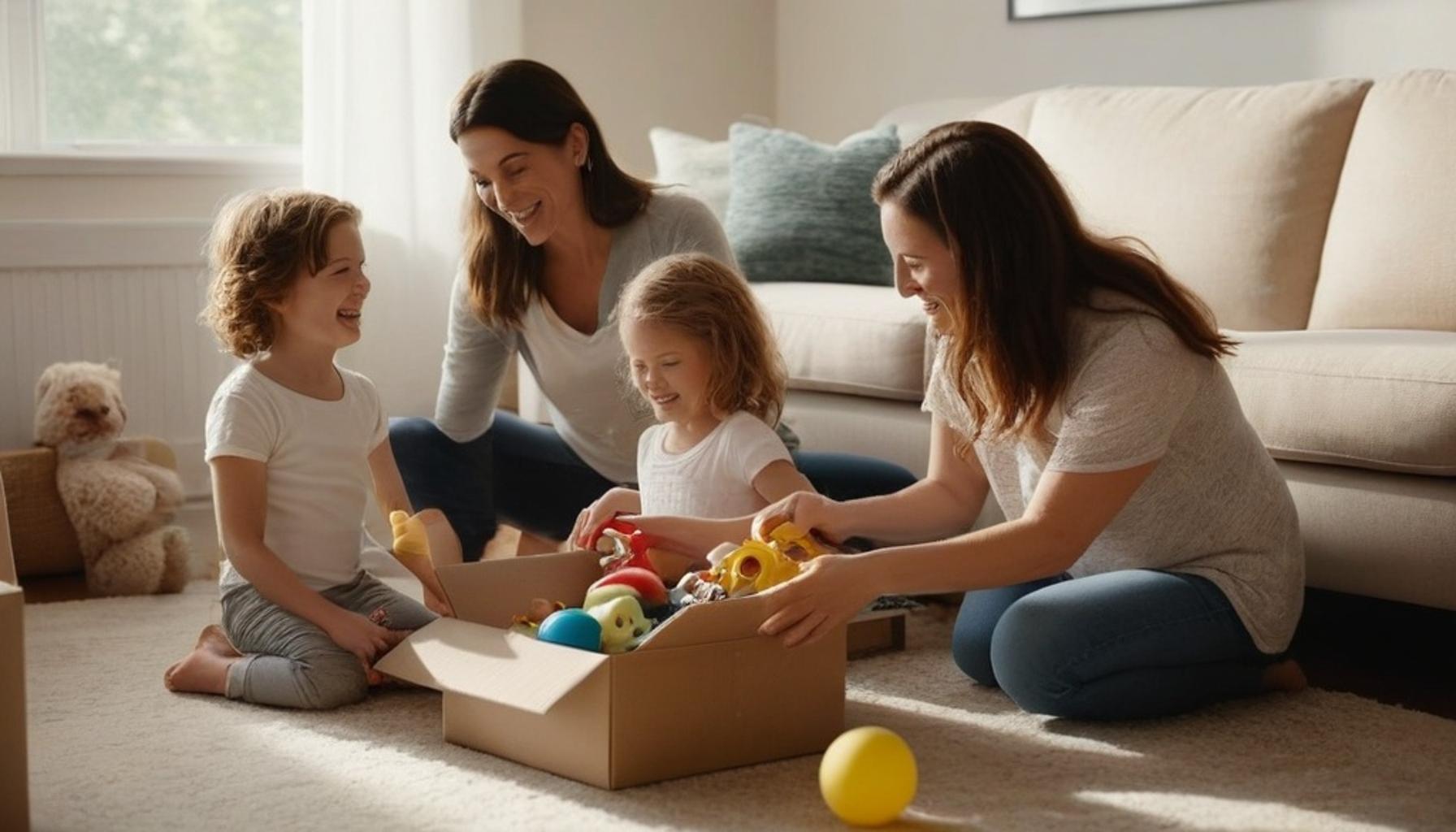
Transforming Household Clutter into a Collaborative Challenge
In American homes, clutter has become a shared epidemic. With the average household possessing around 300,000 items, according to the LA Times, it’s easy to see how the potential for chaos grows exponentially. Items accumulate in common areas such as living rooms and kitchens, where piles of belongings often create visual and physical obstacles, leading to family squabbles over misplaced shoes or overflowing toy bins. The good news? Tackling this challenge can be a team effort that not only declutters your space but also strengthens family bonds.
Decluttering with the Family transcends merely clearing out junk to toss into donation bins. It’s a transformative process—a shift in mindset from individual responsibility to a shared mission. The rewards of engaging the entire family in decluttering are profound and long-lasting.
Why Involving Everyone Matters
When decluttering falls solely on one person, the clutter often accumulates again. By distributing the responsibility, families create a sense of shared accountability, making it less likely for messes to re-emerge.
- Kids learn decision-making skills by choosing what to keep or donate. Through this process, children develop critical thinking as they evaluate the value of their belongings.
- Shared spaces stay organized longer when everyone has a role in maintaining them. This sense of ownership fosters a culture of cleanliness and respect for communal areas.
- Family bonding increases through collaborative projects. Working together on decluttering can spark conversations, laughter, and teamwork, enhancing family dynamics.
- Stress levels drop as visual chaos disappears. Research suggests that clutter can increase stress and anxiety, so a reduction can contribute to a more peaceful home environment.
What This Guide Covers
This guide is designed to provide practical and age-appropriate strategies tailored for every family member. Prepare to uncover actionable tips that defy generic advice and focus on real-world applicability.
- Explore how to involve kids in decluttering without sparking disagreements. Techniques such as gamifying the experience can make it fun.
- Learn family organization techniques that assign clear roles, ensuring everyone knows what is expected and where they fit into the process.
- Discover room-by-room strategies for decluttering together. Whether tackling a messy playroom or a chaotic kitchen, specific approaches can be easily implemented.
- Master methods for organizing shared spaces that are sustainable. Practical systems help prevent clutter from returning.
Are you ready to reclaim your living room from the incessant clutter monster? With these family decluttering tips, you’ll find a structured roadmap for success that is suitable for toddlers, teens, and everyone in between. Embrace the journey of decluttering as an opportunity for growth, bonding, and ultimately, a more serene living space.
RECOMMENDED: Embracing Simplicity: Declutter Techniques for a Minimalist Lifestyle
Embarking on the journey of decluttering can feel daunting, especially in a busy family household. Yet, a little strategic planning can turn chaos into calm. Understanding where clutter accumulates is the foundation of any effective decluttering strategy. Before you grab those boxes for donations, it’s crucial to assess your home and identify the clutter hotspots that require immediate attention.
Identifying Problem Areas Together
Rather than facing this task alone, engaging your entire family can transform this daunting chore into a fun, collaborative activity. A “clutter walk-through” allows every member to weigh in on where they feel disorganization reigns supreme. This collective assessment not only builds awareness but empowers everyone involved, particularly children, as they voice frustrations over their environments.
- The Entryway Pile-Up — This area is often the first impression guests receive, yet it typically morphs into a chaotic display of daily life. Backpacks, shoes, jackets, and loose items clog up your entryway, creating a congestion that can be quite overwhelming. Consider investing in a coat rack and shoe organizer, or use stylish bins to contain smaller items, giving guests and family members a more welcoming entrance.
- Kitchen Counter Chaos — The kitchen is often the hub of family activity, but when mail, school flyers, and random items stack up, it becomes challenging to maintain a clean cooking space. To combat this, establish a designated spot for incoming mail and paperwork. A stylish inbox or basket can declutter the surface and might even inspire you to spend more time preparing meals together.
- Bedroom Overflow — Children outgrow clothes and toys faster than one can imagine. As a result, their rooms can become a treasure trove of items forgotten or underused. Encourage your kids to participate in the decluttering process by organizing a “toy swap” with friends, or designate a weekend for a family garage sale. This not only frees up space but teaches valuable life skills like negotiation and the value of sharing.
- Living Room Clutter Zones — Common seating areas should radiate comfort and relaxation, yet they often fall prey to a scattered array of blankets, remote controls, and miscellaneous items. Establishing specific spots for each item—like a designated basket for throw blankets or a remote caddy—can significantly tidy up these spaces. In addition, creating a “clean-as-you-go” habit can help maintain order.
Setting Realistic, Shared Goals
Professional organizers suggest that attempting to declutter an entire house in one fell swoop often leads to burnout and disappointment. Instead, effective strategies involve phased approaches that can yield better results while avoiding overwhelm. Start by establishing specific, measurable goals that everyone can aim for together.
For example, set a target to reduce the toy collection by 30 percent or designate a single weekend to clear every horizontal surface in the living room. Setting concrete numbers creates a tangible finish line, transforming the decluttering process from an abstract chore into a family challenge that everyone can participate in and celebrate.
Families who find long-term success in organizing shared spaces often begin with smaller tasks—such as focusing on one drawer, one shelf, or even one closet—before tackling larger areas of the house. This incremental approach not only makes the process feel less intimidating but also builds momentum, creating early wins that keep motivation high. As each success is achieved, it reinforces the commitment to ongoing organization and decluttering as a family.
Whether it’s liberating a closet, clearing the kitchen counter, or organizing the living room, working together fosters togetherness and teaches valuable skills for maintaining order in shared spaces. So gather your family, dust off those bins, and approach decluttering with enthusiasm—you might just transform chaos into a system that works for everyone.
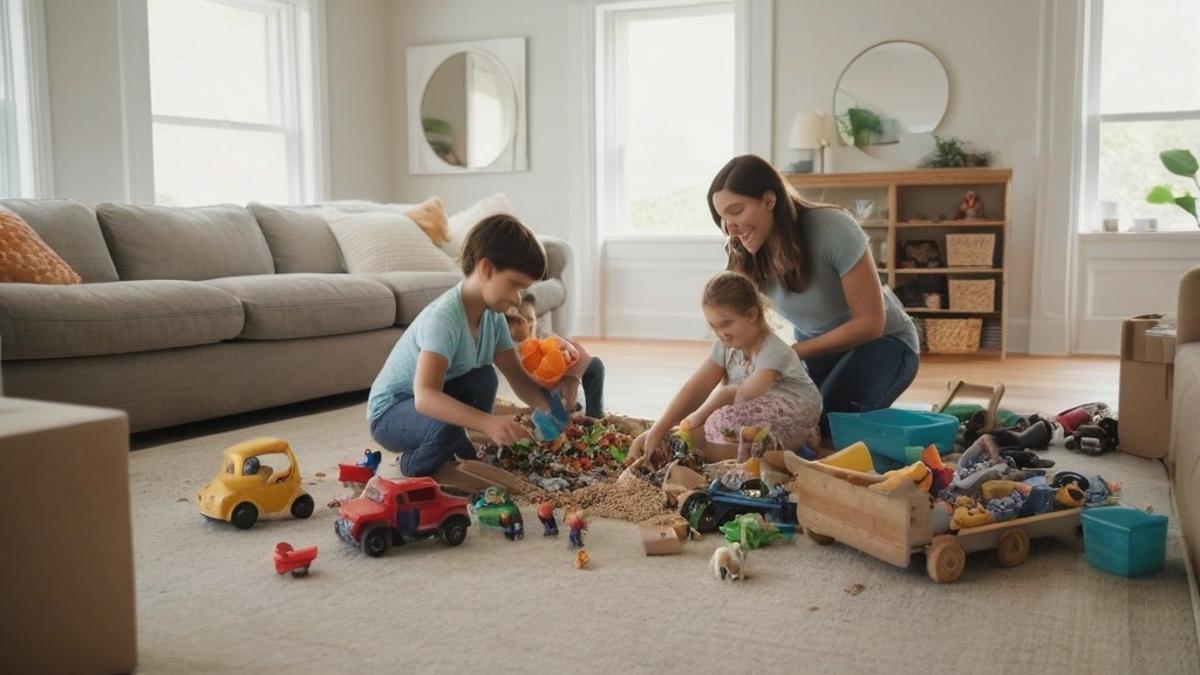
| Strategy | Key Features |
|---|---|
| Family Decluttering Days | Designate a day each month where all family members participate in decluttering tasks. It improves teamwork and shared responsibility. |
| Sorting Stations | Set up designated areas to sort items into categories: keep, donate, recycle, or discard. A visual focus supports decision-making. |
| Involve Kids in Decluttering | Engage children by allowing them to choose toys or clothes to part with, fostering a sense of contribution and responsibility. |
| Organizing Shared Spaces | Create functional zones for each activity (e.g., homework, crafts) to ensure everyone understands their area, enhancing organization. |
| Routine Maintenance | Schedule regular check-ins to assess clutter levels and adjust. This keeps spaces manageable and children engaged over time. |
SEE ALSO: Functional Design: Creative Shelving Ideas for Efficient Home Organization
Assigning Roles Based on Age and Ability
One of the most overlooked family decluttering tips is matching tasks to developmental stages. A toddler cannot sort keepsakes from junk mail, but a seven-year-old can absolutely sort crayons by color or match socks fresh from the laundry basket. When you tailor responsibilities to what each family member can realistically handle, resistance drops dramatically and results improve.
Child development experts note that kids as young as three can begin to grasp categorization skills through simple sorting games. Turning cleanup into a “which pile does this belong to” activity teaches organizational thinking while making the process feel less like punishment and more like play.
- Preschoolers (ages 3-5) — Assign simple, single-step tasks like putting stuffed animals in a bin or books on a shelf. Use picture labels since many can’t read yet.
- School-age children (ages 6-12) — These kids can handle multi-step instructions. Ask them to sort toys into “keep,” “donate,” and “trash” piles, then follow through with placement.
- Teenagers — Give them autonomy over their own spaces but set deadlines. Many teens respond well when framed around practical incentives, such as reclaiming space for a gaming setup or study nook.
- Adults and caregivers — Focus on shared zones like garages, home offices, or basements where decisions require more nuanced judgment calls about value and sentimentality.
This division of labor is central to any successful strategy for organizing shared spaces, because it prevents one exhausted parent from shouldering the entire burden while everyone else watches television.
Turning Decluttering Into a Game
Families across the country have found surprising success by gamifying the entire process. The “12-12-12 Challenge,” popularized by organizing bloggers, asks each participant to find 12 items to throw away, 12 to donate, and 12 to return to their proper place. It’s a simple structure that works for a family of four or a household of eight.
Another approach gaining traction on social media is the “clutter timer,” where family members race against a 15-minute countdown to clear as much as possible from a single room. The time pressure creates urgency, and many parents report that children who normally balk at chores will sprint enthusiastically once a timer is involved.
Rewards don’t need to be extravagant to be effective. A pizza night, an extra hour of screen time, or a trip to get ice cream can serve as sufficient motivation when tied to hitting a decluttering milestone. The psychological principle at work here, according to behavioral researchers, is that immediate positive reinforcement strengthens the habit loop far more effectively than abstract promises of a “tidier house someday.”
Why Consistency Beats Intensity
Data from professional organizing associations suggests that households attempting a single massive decluttering weekend often see clutter creep back within three months. In contrast, families who adopt weekly 20-minute sessions report longer-lasting results. This finding reinforces why strategies for decluttering together should prioritize routine over one-time overhauls, embedding tidiness into the family’s regular rhythm rather than treating it as an occasional emergency response.
Bringing It All Together
Decluttering with the Family is less about achieving a spotless house overnight and more about building a culture where everyone feels responsible for shared space. Age-appropriate roles, gamified challenges, and consistent weekly habits all point toward the same conclusion: clutter control works best as a team sport, not a solo chore.
The most effective family decluttering tips covered here share a common thread. They reduce friction by matching expectations to ability, and they replace dread with small, achievable wins. A preschooler sorting stuffed animals and a teenager negotiating deadlines for their bedroom are both participating in the same larger system, just at different levels of complexity.
Households that consistently involve kids in decluttering tend to raise young adults who view organization as a normal part of life rather than a stressful emergency task reserved for moving day or holiday guests. That shift in mindset may be the most valuable long-term payoff, even more than the immediate visual results.
Consider starting small this week. Pick one shared zone, such as the entryway or the family room, and apply just one strategy from this article, whether that is a 15-minute clutter timer or simple picture-labeled bins for the youngest sorter in the house.
- Match tasks to age and ability rather than assuming a one-size-fits-all chore list.
- Use games and timers to inject energy into otherwise tedious sorting sessions.
- Favor short, recurring sessions over rare, exhausting overhauls.
Ultimately, organizing shared spaces becomes sustainable when it stops depending on one person’s willpower and starts running on shared systems. Families who treat these family organization techniques as ongoing habits, rather than one-time fixes, are the ones most likely to keep clutter from creeping back in three months later. The real measure of success is not a single spotless afternoon, but a household that quietly keeps itself in order, week after week, with everyone doing their part.
Frequently Asked Questions
What are some effective ways to involve children in the decluttering process?
To effectively involve children in decluttering, start with age-appropriate tasks and make it fun. Use games, like sorting items into keep, donate, or discard piles, and set a timer for challenges. Encourage them to choose a favorite item to keep while letting go of others they no longer use.
How can I create a family decluttering schedule that everyone will follow?
To create a decluttering schedule, hold a family meeting to discuss the need for a clean space and gather input on what works for everyone. Assign specific days or weekends, making sure to keep sessions short and manageable to accommodate busy schedules. Celebrate your achievements as a family to motivate continued participation.
What are some practical strategies for decluttering shared spaces like the living room?
For shared spaces like the living room, start by designating specific zones for each family member’s belongings to reduce clutter. Incorporate storage solutions, such as baskets or bins, labeled with names to maintain organization. Regularly schedule quick clean-up sessions, encouraging everyone to return items to their designated spots.
How can I handle sentimental items that my family members are reluctant to let go?
When tackling sentimental items, acknowledge their importance and encourage open discussions about why they are valued. Suggest taking photos of the items for memories before letting them go or setting a limit on the number of items each person can keep. This compromises while still respecting emotional attachments.
What role does communication play in successful family decluttering efforts?
Communication is crucial in decluttering as it helps everyone understand the shared goal of creating a more organized space. Foster an open dialogue where family members can express their opinions and preferences regarding items to declutter. Frequent check-ins during the process can also ensure everyone feels included and valued.

Beatriz
Beatriz Johnson is a seasoned minimalist and writer with a passion for simplifying the complexities of personal organization and intentional living. With over a decade of experience in decluttering strategies and mindful consumption, she specializes in topics like space optimization, habit simplification, and sustainable lifestyle choices. Through her work on our website, Beatriz empowers readers to embrace minimalism, reduce mental and physical clutter, and create more meaningful, organized lives in today's fast-paced world.