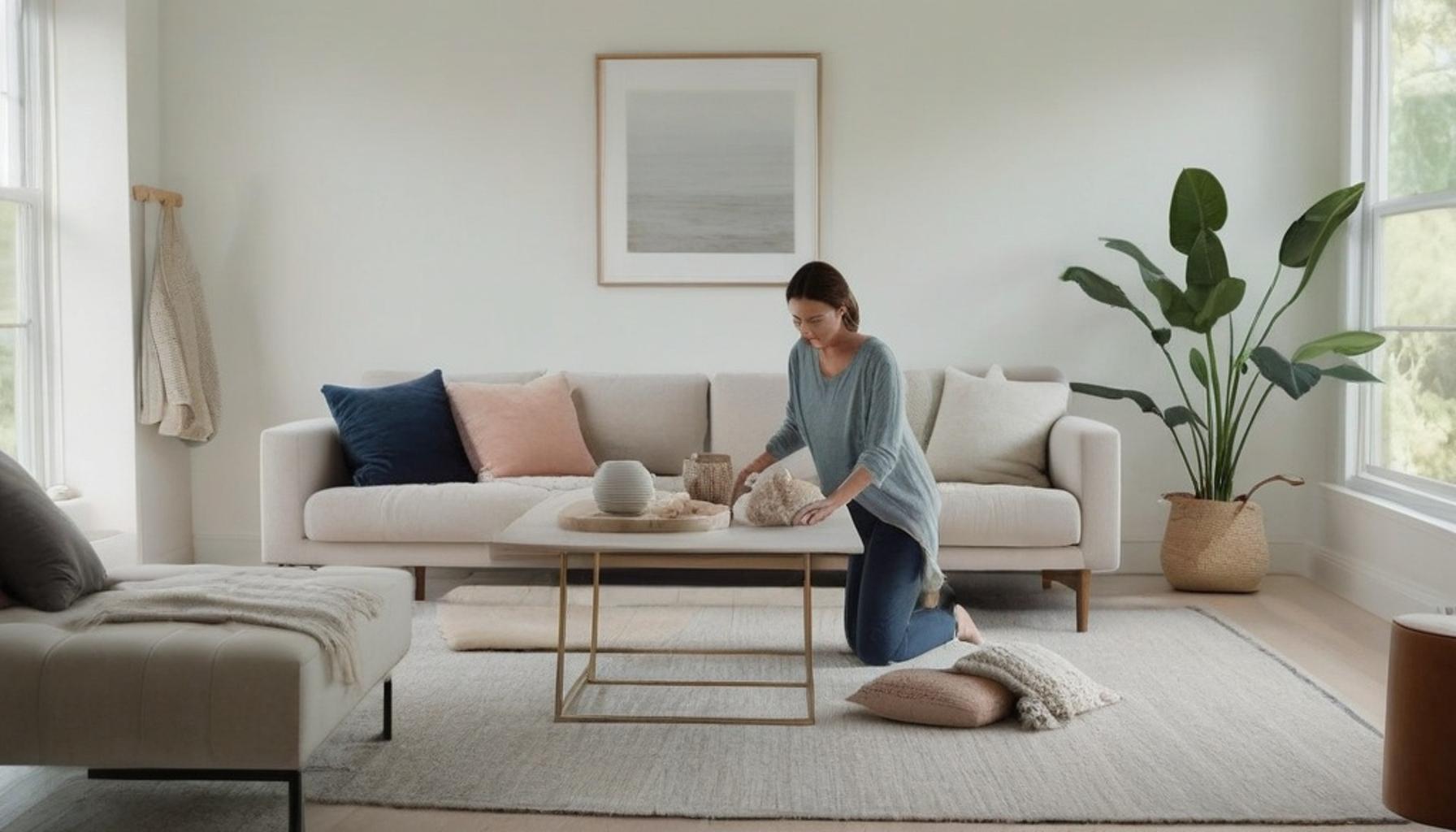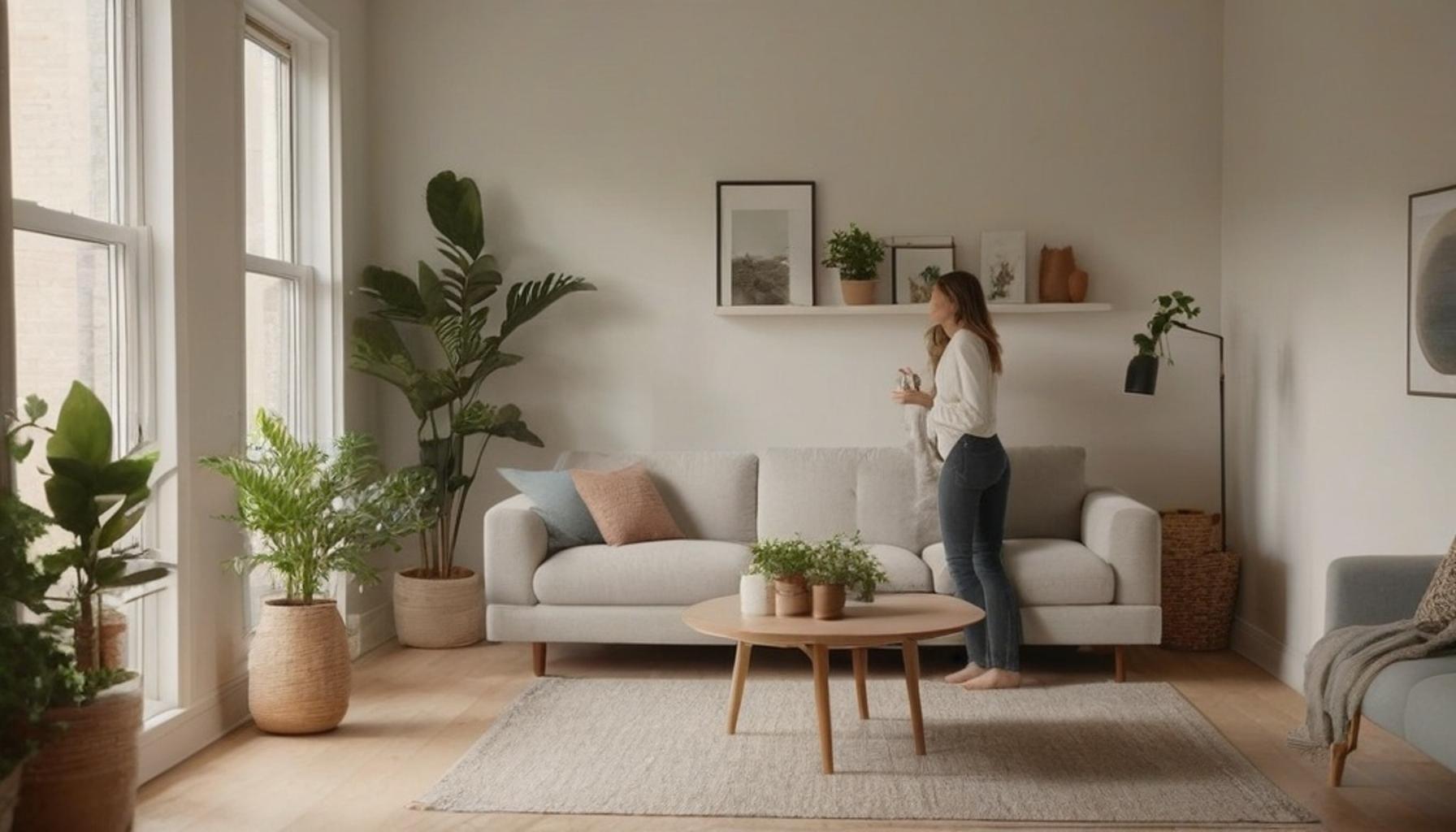
Functional Design: Creative Shelving Ideas for Efficient Home Organization

Rethinking Storage: Why Shelving Deserves a Second Look
In recent years, Americans have found themselves inundated with possessions. Statistics reveal that the average U.S. household houses over 300,000 items, yet the dimensions of closet space have not expanded to accommodate this growing number. This discrepancy between storage needs and available space drives the necessity for innovative organization solutions, especially in densely populated areas where real estate is at a premium.
This challenge has paved the way for creative shelving ideas that revolutionize both apartments and larger family homes. Gone are the days when shelving served merely a utilitarian function; today, it has emerged as a pivotal element of interior design, seamlessly merging aesthetics with functionality.
The Rise of Functional Shelving Design
Shelving has evolved into a design statement, embodying both artistry and practical use. Homeowners are increasingly abandoning traditional, bulky furniture pieces in favor of savvy home organization solutions that maximize space efficiency. New trends in shelving include:
- Vertical wall systems that capitalize on unused ceiling-height space, transforming a previously ignored area into a showcase for books, plants, or decorative items.
- Corner shelving units, tailored for those often-overlooked nooks, allow homeowners to utilize every inch of their space effectively while adding a stylish element to the decor.
- Modular floating shelves that can be reconfigured or expanded based on shifting storage needs, making them versatile choices for evolving living situations.
- Multi-purpose ladder shelves that blend display and utility, combining the charm of open shelving with the support for everyday items.
Small Spaces, Big Solutions
As urban living continues to thrive, the demand for small space organization hacks has grown exponentially. Cities such as New York and San Francisco illustrate this reality, where square footage comes at a significant premium. Here, innovative shelving serves multiple purposes, doubling as room dividers, headboards, and clever storage solutions built into staircases.
This versatility demonstrates that efficient storage ideas are not merely a luxury; they are essential tools for maximizing functionality in limited space. Each shelving option has the potential to transform constraints into opportunities for aesthetic enhancement and improved organization.
What This Article Covers
This guide serves as a comprehensive resource for those seeking practical, budget-friendly DIY shelving projects that can be easily completed over a weekend. With real-world examples, material recommendations, and insightful design tips, readers will find inspiration to embark on their shelving journey.
Whether you’re organizing a compact studio or a sprawling family home, the principles of functional design are universally applicable. Join us as we explore how the right shelving can redefine your living space, making both style and efficiency attainable for every home.
DISCOVER: Click here to explore minimalist kitchen ideas
Materials and Methods: Choosing the Right Foundation for Your Shelving
Before diving into any DIY shelving projects, understanding material options proves essential. The choice between wood, metal, and engineered composites significantly impacts both durability and visual appeal, and each material tells a different story about the space it occupies. This decision is not merely aesthetic; it reflects personal style, functionality, and the intended use of the shelving.
For example, reclaimed wood has surged in popularity across American homes, particularly in regions like the Pacific Northwest and New England, where rustic-industrial aesthetics dominate interior design trends. This material choice supports functional shelving design while adding warmth and character that mass-produced options simply cannot replicate. Homeowners often cherish each piece of reclaimed wood for its unique history and imperfections, which can narrate stories of the past while seamlessly integrating functionality into modern living spaces.
Comparing Popular Shelving Materials
Homeowners researching home organization solutions should weigh several factors before committing to a material. Consider these common options:
- Solid wood stands out for its exceptional weight capacity and longevity. Hardwoods like oak and maple not only provide a natural beauty but also resist warping and can bear considerable loads. However, solid wood typically costs more than other materials and requires periodic maintenance to keep it in optimal condition.
- Metal brackets and pipes offer a striking industrial edge, particularly suited for kitchens or garages where a rugged aesthetic prevails. They support heavier loads due to their structural properties and can be paired with wooden shelves for a trendy, mixed-material look.
- MDF and plywood are budget-friendly alternatives that appeal to renters or homeowners testing new layouts. Their versatility allows for innovative designs, though they may not boast the same durability as solid wood or metal options. These materials can be easily painted or veneered to match your decor.
- Glass shelving introduces a sleek, minimalist appearance, ideal for displaying decorative items. Perfect for modern, airy spaces, glass shelves can create an illusion of more space. However, they require careful installation and are best suited for lighter display items, as heavy items can lead to cracks or breaks.
Each material influences not just aesthetics but also installation complexity. According to a study by the National Association of Home Builders, nearly 68% of homeowners prioritize durability over aesthetics when selecting storage materials. However, the most successful designs manage to harmonize function and form, creating shelving solutions that enhance the space.
Tools and Techniques Worth Knowing
Successful efficient storage ideas rarely require professional-grade equipment. Most weekend projects call for common tools like a stud finder, level, drill, and measuring tape, alongside brackets or hardware suited to the wall type in question.
For renters navigating small space organization without permanent modifications, innovative solutions abound. Tension-mounted shelving units and adhesive-backed brackets have revolutionized how individuals personalize their living spaces. These methods allow one to fully customize their shelves without leaving unsightly marks on walls, a crucial consideration for the approximately 36% of U.S. households that currently rent rather than own their homes. Such flexibility is invaluable, especially as these individuals are often drawn to transient lifestyles or smaller living quarters.
Understanding these foundational elements sets the stage for exploring specific shelving applications. The choice of materials and methods can profoundly influence the usability and aesthetic of any space, encouraging creativity and practicality in equal measure.
| Category | Description |
|---|---|
| Wall-Mounted Shelves | Maximize floor space with vertical storage options, transforming unused wall areas into functional design features. |
| DIY Shelving Projects | Encourage personalization and creativity, allowing homeowners to tailor their storage solutions to fit individual needs. |
| Multi-Functional Units | Provide versatile storage options by combining shelving with other furniture, optimizing small spaces. |
| Open Shelving Concepts | Create a visually appealing display, making commonly used items easily accessible while promoting organization. |
DISCOVER MORE: Click here for minimalist kitchen inspiration
Room-by-Room Applications: Where Creative Shelving Ideas Make the Biggest Impact
Once the foundational materials are chosen, the real challenge becomes application. Different rooms demand different approaches to functional shelving design, and what works beautifully in a living room may prove impractical in a bathroom or kitchen. Understanding these nuances helps homeowners avoid costly trial-and-error renovations.
Kitchens, for instance, benefit tremendously from open shelving that keeps frequently used items within arm’s reach. Restaurant-style shelving units, once confined to commercial kitchens, have migrated into residential spaces across cities like Austin and Portland, where open-concept cooking areas dominate new construction.
Kitchen and Bathroom Solutions
In compact kitchens, corner shelving units solve a persistent problem: wasted vertical space. Lazy Susans mounted on floating shelves, pot racks suspended from ceiling brackets, and pull-out pantry shelves exemplify efficient storage ideas that maximize every inch without requiring a full remodel.
Bathrooms present unique moisture challenges that influence material selection. Teak and bamboo shelving resist water damage far better than untreated pine, making them preferred choices for over-the-toilet units or shower caddies. According to industry reports, bathroom storage products represent one of the fastest-growing segments within the home organization market, reflecting increased consumer interest in maximizing these typically smaller rooms.
- Floating corner shelves in bathrooms reduce visual clutter while providing storage for toiletries and towels.
- Recessed niche shelving built into shower walls eliminates the need for bulky caddies altogether.
- Ladder-style shelving units lean against walls, offering a stylish alternative for smaller bathrooms lacking built-in storage.
Living Rooms, Bedrooms, and Home Offices
Living rooms often serve as showcases for creativity, where Creative Shelving Ideas transform blank walls into curated displays. Asymmetrical wall-mounted units, popularized by Scandinavian design influences, allow homeowners to arrange books, plants, and personal mementos in visually striking configurations rather than uniform rows.
Bedrooms, meanwhile, increasingly incorporate shelving into headboards and nightstands, merging function with minimalist design. This trend addresses a common complaint among apartment dwellers: insufficient storage without sacrificing floor space.
Home offices, a category that expanded dramatically since 2020, now account for a significant share of shelving inquiries among American homeowners. Remote work has pushed millions to convert closets, corners, and spare bedrooms into functional workspaces, and vertical shelving remains the go-to solution for organizing documents, electronics, and supplies within these often-cramped quarters.
These room-specific strategies demonstrate that small space organization is not a one-size-fits-all endeavor. Instead, successful design requires evaluating each room’s unique demands, moisture levels, weight requirements, and traffic patterns before selecting a final shelving configuration.
Bringing It All Together: The Future of Home Storage
From material selection to room-specific applications, the journey through Creative Shelving Ideas reveals a fundamental truth: storage solutions succeed when they respect both form and function. Homeowners across the United States are discovering that thoughtful shelving does more than organize belongings; it redefines how spaces feel and function daily.
The evidence throughout this exploration points to a clear pattern. Successful home organization solutions emerge from careful consideration of environment, whether that means choosing moisture-resistant teak for bathrooms or embracing asymmetrical designs in living rooms. There is no universal formula, only informed decisions based on specific needs.
What stands out most is the accessibility of these approaches. Many DIY shelving projects require modest investment yet deliver outsized returns in daily convenience. A weekend spent installing floating corner shelves or recessed niches can transform how a household functions, particularly in cities where square footage comes at a premium.
Looking ahead, the demand for small space organization will likely intensify as urban living costs continue climbing and remote work arrangements persist. Vertical storage, modular systems, and multipurpose furniture will probably dominate future design conversations, building on trends already reshaping American homes.
For readers ready to act, the next step involves auditing individual rooms honestly. Consider traffic patterns, moisture exposure, and weight requirements before committing to any single approach. This deliberate process, rather than impulsive purchases, separates lasting functional shelving design from expensive mistakes.
Ultimately, efficient storage is not just about tidiness. It reflects a broader shift toward intentional living, where every shelf serves a purpose and every room reaches its fullest potential.
Frequently Asked Questions
What are some innovative ways to use floating shelves in a small living room?
Floating shelves can be a great space-saving solution in a small living room. You can install them above furniture or in unused corners to display decorative items or books, freeing up floor space. Additionally, consider alternating shelf heights for a dynamic look and even more storage options.
How can I incorporate creative shelving ideas in my home office for better organization?
In a home office, creative shelving can keep your workspace tidy and functional. Use vertical shelving units that reach the ceiling to maximize storage without taking up much floor space. You can also combine closed cabinets for confidential items with open shelves for books and organizers, creating a balanced design.
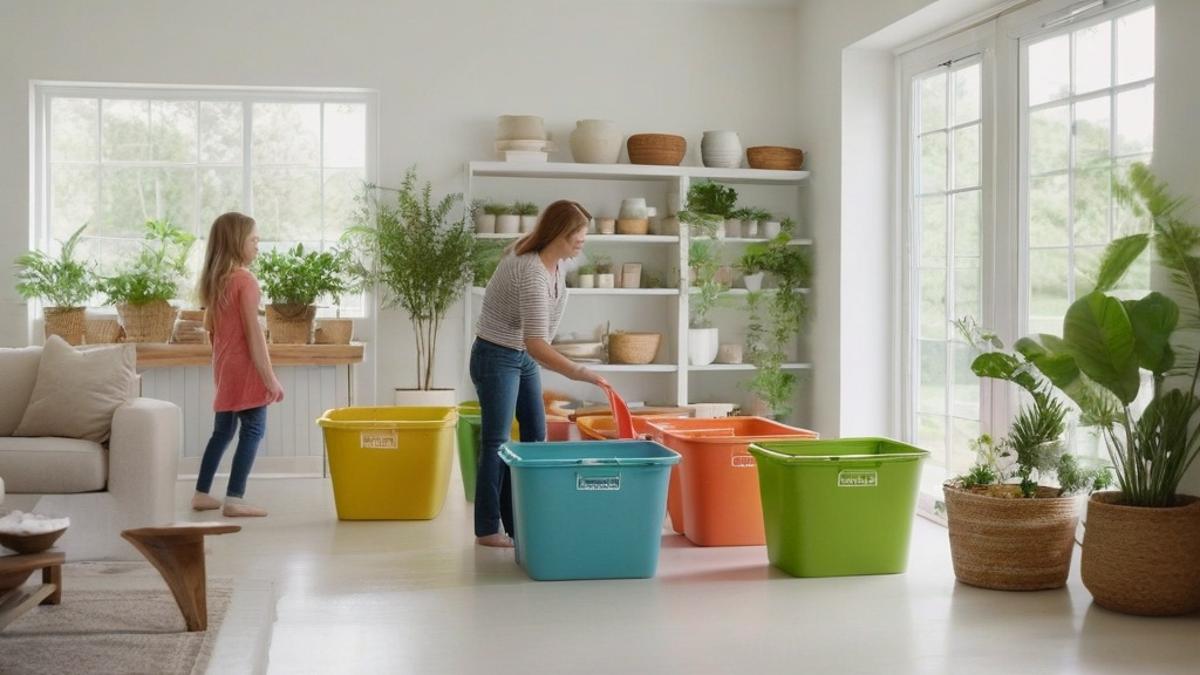
What are some stylish shelving ideas for organizing children’s toys in a playroom?
In a playroom, consider incorporating colorful cubes or bins into your shelving design to make it easy for kids to reach and put away their toys. Open shelving can also be paired with labeled baskets to encourage neatness while keeping toys visible. Adding playful elements like a chalkboard backing can make it aesthetically pleasing as well.
Can I use creative shelving ideas to make my kitchen more functional and organized?
Yes, creative shelving can enhance kitchen organization significantly. Open shelving allows for easy access to frequently used dishes and spices, making cooking more efficient. Additionally, adding racks underneath shelves can hold kitchen tools or pots, maximizing vertical space while maintaining a tidy appearance.
What materials are best for DIY creative shelving projects around the home?
For DIY shelving projects, consider using materials like reclaimed wood for a rustic look, or metal brackets and shelves for a modern industrial style. Plywood is also a versatile and affordable option that can be painted or stained to match your decor. Ensure you select sturdy materials that can support the weight of your items for safety and durability.

Beatriz
Beatriz Johnson is a seasoned minimalist and writer with a passion for simplifying the complexities of personal organization and intentional living. With over a decade of experience in decluttering strategies and mindful consumption, she specializes in topics like space optimization, habit simplification, and sustainable lifestyle choices. Through her work on our website, Beatriz empowers readers to embrace minimalism, reduce mental and physical clutter, and create more meaningful, organized lives in today's fast-paced world.