Declutter Techniques for a Stress-Free Home: Embracing Minimalism in Every Room
The Hidden Costs of Excessive Belongings
American households now own more possessions than at any previous point in history, with the average home containing over 300,000 items according to recent estimates. This staggering number doesn’t merely occupy physical space; it also encroaches upon our mental well-being. When we accumulate more belongings than we can manage, it leads to an underlying chaos that can drain our energy and diminish our overall quality of life.
Research from UCLA has revealed a compelling connection between cluttered environments and elevated cortisol levels, a stress hormone that can affect health and emotional stability. This correlation is particularly significant among women, who often shoulder the burden of household management. For instance, a messy garage or an overflowing pantry may be more than just an eyesore; they can signify higher stress levels and increased anxiety, offering a clear indication that your home environment plays a critical role in your mental health.
The Demand for Simplicity
Amid mounting evidence of clutter’s psychological toll, many homeowners across the United States are reevaluating their perceptions of what a comfortable living space should look like. This recognition has prompted an increased interest in decluttering techniques that foster a more stress-free home—strategies that help people streamline their lives for enhanced emotional well-being.
Contrary to some misconceptions, minimalism is not about stripping away warmth or coziness; rather, it’s about promoting intentional living. It’s about making conscious choices to keep items that add real value to your life and parting with those that don’t. For example, a family might decide to hold onto meaningful heirlooms or essential cookware, while letting go of unneeded trinkets collected over the years.
Several practical decluttering methods have gained popularity and can be applied to various spaces within your home. These include:
- The 90/90 rule: A popular guideline for evaluating clothing and wardrobe items by asking if you’ve used them in the last 90 days and if you plan to use them in the next 90 days.
- Digital decluttering: Allowing you to regain control over your inbox and digital photo libraries by systematically organizing or deleting what’s no longer relevant.
- The one-in-one-out method: A straightforward strategy where for every new item purchased, an old item must be removed, maintaining a balance and preventing further clutter.
- Zone-based organizing: Dividing areas, like kitchens and home offices, into functional zones to optimize workflow and reduce chaos.
What Awaits You in This Guide
This article seeks to provide you with minimalist home tips that are tailored specifically to various spaces, ranging from bedrooms to clutter-prone home offices. Within these pages, you’ll find approachable strategies that can be seamlessly integrated into your daily routine, avoiding the need for overwhelming and radical changes.
Whether your aim is to create stress-free living spaces or simply to minimize the number of items that gather dust, embracing minimalism in home design can profoundly transform your household’s functionality—one room at a time. The journey toward a de-cluttered, peaceful environment is just one step away, inviting you to explore more for a healthier, less stressful living experience.
DIVE DEEPER: Click here to explore minimalist kitchen designs
A chaotic bedroom can often feel overwhelming, subtly exerting pressure on your psyche and affecting your overall well-being. The accumulation of items that do not belong can transform this space, which should epitomize tranquility, into a source of stress and distraction. Various studies, including those conducted by the National Sleep Foundation, reveal that visual disorder in personal spaces can significantly hinder one’s ability to fall—and stay—asleep. Disorganization sends a message to our brains that rest and relaxation are not priorities in that environment.
In our quest for peace of mind and quality sleep, making the bedroom a *sanctuary from chaos* is essential. To effectively minimize clutter and enhance comfort, a few straightforward actions can reap significant benefits.
Practical Steps for a Calmer Bedroom
Transforming a chaotic bedroom into a stress-free living space doesn’t mean embarking on a hefty renovation project. Instead, consider implementing these targeted and feasible actions:
- Clear surfaces first: Nightstands and dressers should serve only the essentials. Remove any items that do not contribute to your daily routine or your restful experience. Keep a small lamp for nighttime reading and perhaps a beloved book or a journal nearby, but limit it to no more than three items.
- Tackle the closet in categories: Organizing clothing by type—shirts, pants, outerwear—rather than by location, helps to streamline the selection process. This method not only highlights duplicates or items that no longer fit but also provides a clearer visual understanding of what you truly need and use.
- Limit “maybe” piles: These indecisive stacks can breed stagnation. Challenge yourself to make decisions swiftly; provide a strict 24-hour window to either keep, donate, or discard that uncertain item. This can prevent it from languishing in purgatory and encourage decisiveness.
- Under-bed storage with purpose: Utilize this often-overlooked space for seasonal items or limited-use belongings, such as winter clothing or holiday decorations, rather than allowing it to morph into a dumping ground for forgotten items.
These minimalist home tips target decision fatigue, a critical factor contributing to clutter accumulation. Each unnecessary object in your bedroom symbolizes an unmade decision, which can drain mental energy and hinder productivity.
Moving Beyond the Bedroom: Building Momentum
The process of organizing your bedroom can trigger an inspirational ripple effect throughout your home. Many homeowners find that once their bedroom feels lighter, they are motivated to extend those efforts into other areas. This *snowball effect* is commonly recognized among professional organizers, who often advocate for starting with smaller, manageable spaces before tackling more daunting challenges, like kitchens or garages.
Embracing minimalism in home design does not result from a singular effort but rather becomes an ongoing practice. The physical layout and functional needs of your living space will inevitably evolve over time: a young professional might focus on streamlining workspace efficiency, while a burgeoning family may prioritize creating safe, functional areas for children. Despite these differing focuses, the core principles of intentionality and clarity remain constant.
As you delve deeper into the process of decluttering, your space will become a more accurate reflection of your lifestyle and values. It’s not merely about getting rid of items but cultivating an environment that nurtures peace, relaxation, and personal growth. Through continual refinement, your home can transition from a clutter-filled space into a sanctuary that inspires productivity and tranquility.
| Declutter Techniques | Benefits |
|---|---|
| The 1-Year Rule | Promotes intentional living by helping you part with items you haven’t used in over a year. |
| Room-by-Room Method | Creates focused spaces that minimize overwhelm, making decluttering manageable. |
| Digital Decluttering | Enhances mental clarity and reduces distractions by organizing digital spaces and files. |
| The “One In, One Out” Rule | Maintains a balance in your space by ensuring new items don’t accumulate. |
DISCOVER MORE: Click here to dive deeper
Kitchen and Living Room: Where Clutter Multiplies Fastest
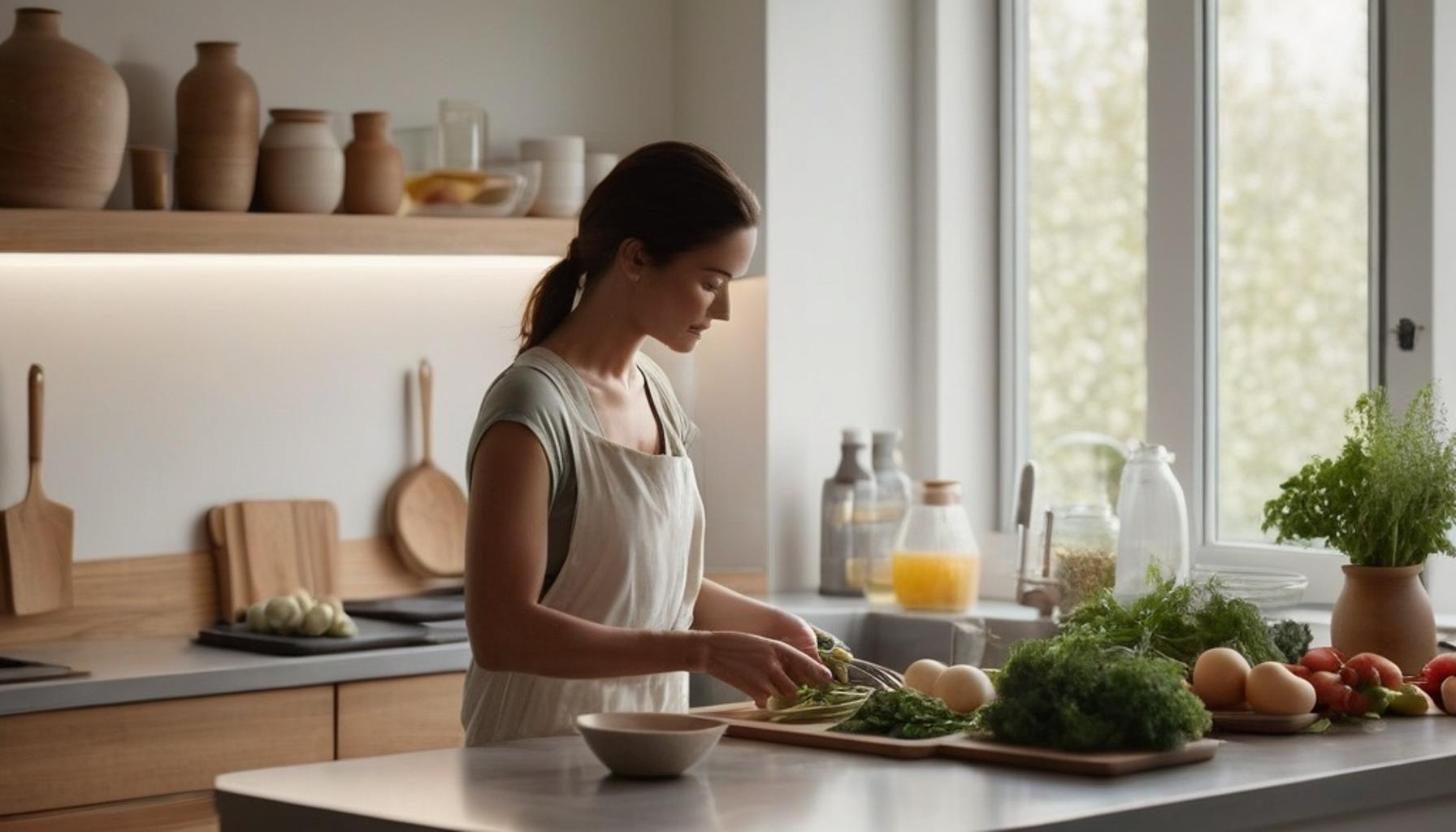
The chaotic nature of a kitchen often underscores a common household reality: the accumulation of gadgets, mismatched containers, and expired pantry items occurs at an alarming rate. As evidenced by a 2022 survey from the National Association of Productivity and Organizing Professionals, United States kitchens contain an astonishing 30 percent more items than they can efficiently store. This overflow doesn’t just create visual clutter; it can also escalate friction during daily tasks and add significant stress to meal preparation, which should ideally be a joyful experience.
To combat this clutter, applying decluttering methods for every room requires a strategic approach. Instead of impulsively tossing items, it is prudent to carefully consider the impact of each piece you choose to keep or discard. A well-thought-out plan can transform the kitchen into a streamlined space that enhances your cooking experience.
Kitchen-Specific Strategies
- The one-in, one-out rule: This simple yet effective guideline encourages you to think carefully about purchases. For every new kitchen tool or gadget you buy, consider jettisoning an item that no longer serves a purpose. This method is not only sustainable but also fosters intentional decision-making regarding which items truly deserve space in your cabinets. For instance, if you finally buy that trendy avocado slicer, perhaps it’s time to donate the older, unwieldy tool that was replaced long ago.
- Audit your pantry quarterly: A surprising number of homeowners let expired spices, forgotten condiments, and duplicate ingredients silently take over valuable shelf space. Establishing a routine—every three months—could transform this oversight into a proactive practice. During your audit, check expiration dates and consolidate similar items like the half-opened ketchup and the full bottle in the back of the fridge. This reassessment not only maximizes storage but also ensures that you are aware of what you should use before it goes bad.
- Digitize recipe collections: If you’ve found yourself crouched in a drawer flipping through an overflowing collection of unorganized recipes or cookbooks, consider going digital. Applications like Paprika or even simple cloud storage can facilitate organizing recipes without the physical clutter. By scanning favorite pages or compiling PDF recipes, you can not only free up counter and drawer space but also make your cooking process more efficient.
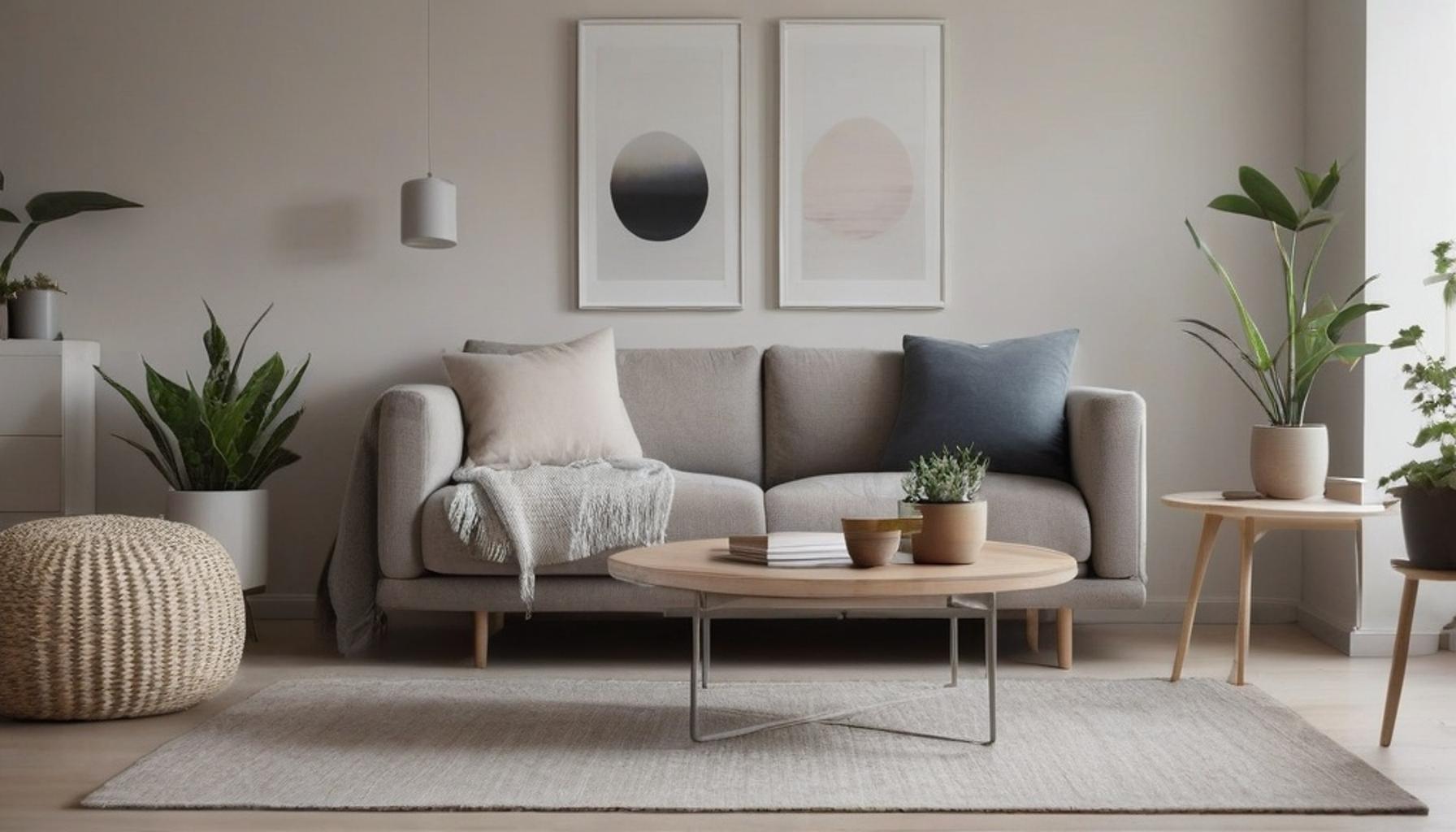
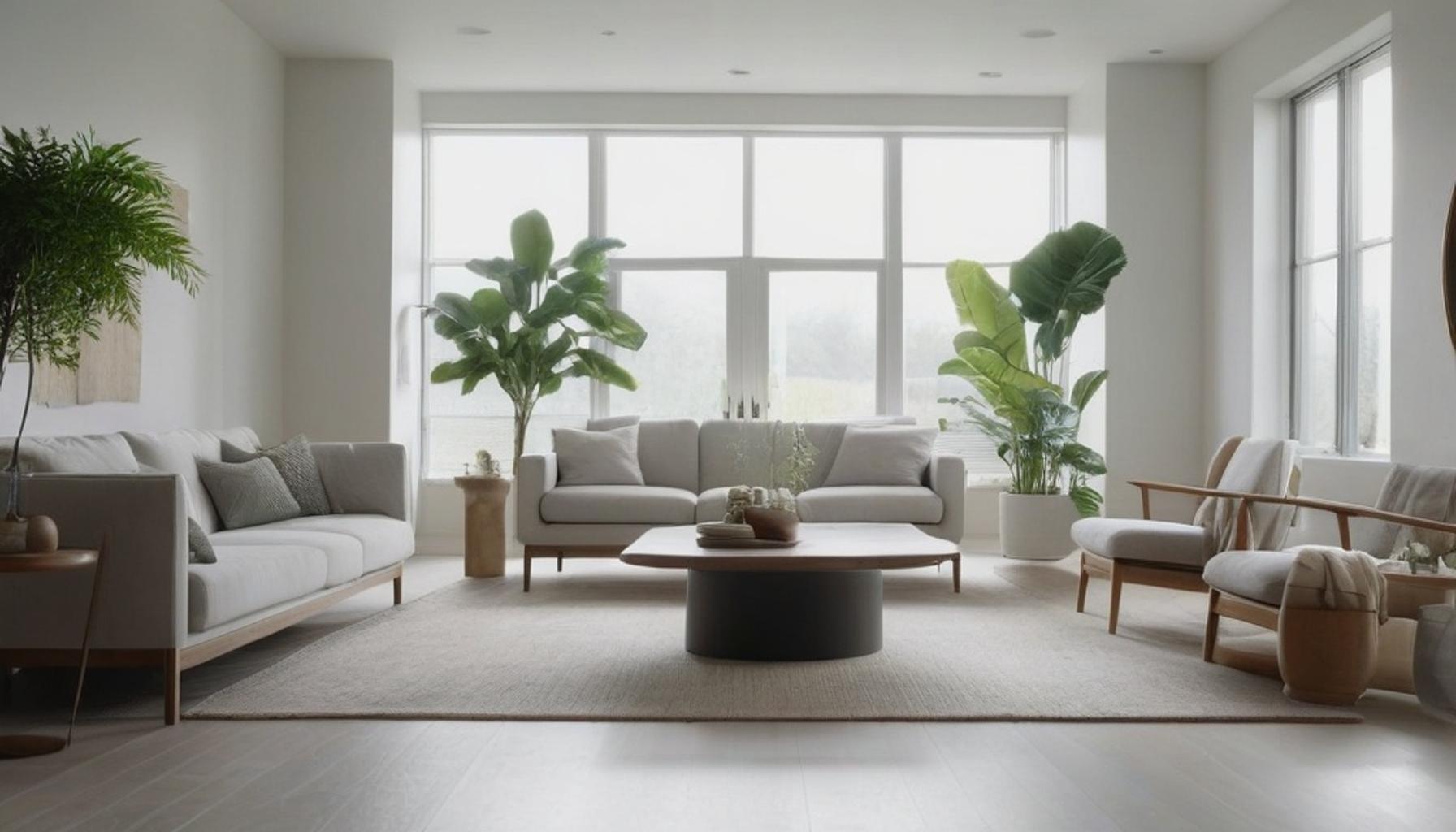
Meanwhile, the living room, often viewed as the heart of the home, tends to gather random items from every household member—ranging from remote controls and mail to children’s toys and stray charging cables. Maintaining stress-free living spaces requires the establishment of designated zones for various categories of items rather than allowing them to scatter freely across surfaces. Implement organizational tools such as decorative baskets for blankets, a shallow tray for remote controls, and a small drawer unit near the entry for sorting incoming mail. These proactive investments in home infrastructure can significantly simplify the process of daily tidying, making it almost automatic.
The Psychological Payoff of Room-by-Room Organizing Tips
Research from Princeton University’s Neuroscience Institute reveals a compelling connection between visual clutter and cognitive function. Clutter competes for our attention, which can literally diminish our ability to focus and process information efficiently. Therefore, applying organizing tips for a minimalist home is not merely an aesthetic choice; it confers a measurable cognitive advantage.
Homeowners who embrace minimalism in home design across various rooms often experience unexpected advantages. Beyond the visual calm a decluttered space provides, benefits can include quicker morning routines, a reduction in spending on duplicate items, and an improved ability to quickly locate essential items during emergencies. Being able to find your phone charger or keys promptly, for example, can eliminate the stress of rushing out the door.
These outcomes reinforce why declutter techniques for a stress-free home go beyond mere tidiness. They signify a deliberate effort to reshape our interactions with our living environments, one drawer, shelf, and surface at a time, ultimately paving the way for a more peaceful and productive life.
DIG DEEPER: Click here to discover minimalist kitchen ideas
Bringing It All Together: A Lasting Commitment to Clarity
From bedrooms to kitchens to shared living spaces, the throughline is unmistakable: clutter accumulates quietly, but its effects on stress, focus, and daily efficiency are anything but subtle. Applying Declutter Techniques for a Stress-Free Home is less about a single weekend purge and more about building sustainable habits that prevent chaos from creeping back in.
Consider the numbers discussed throughout this piece. Kitchens overflowing by 30 percent, cognitive research linking visual clutter to reduced focus, and the everyday frustration of hunting for misplaced essentials all point to the same conclusion. A home organized with intention functions better, and its occupants tend to feel calmer within it.
What makes minimalist home tips so effective isn’t rigid austerity. It’s the deliberate curation of what actually adds value to daily life. The one-in-one-out rule, quarterly audits, and designated zones for shared items are not one-time fixes; they are ongoing practices that require occasional recommitment.
As you continue applying decluttering methods for every room, keep in mind that different spaces demand different approaches. What works in a pantry won’t necessarily translate to a home office or a child’s bedroom. Flexibility, paired with consistency, is key.
Ultimately, embracing minimalism in home design is an investment in mental bandwidth as much as physical space. Fewer decisions about where things go, less time searching for misplaced items, and a calmer visual environment all contribute to stress-free living spaces that support rather than drain daily energy.
The path forward doesn’t require perfection. Start with one room, apply a handful of organizing tips for a minimalist home, and observe how the shift ripples outward. Clutter didn’t accumulate overnight, and clearing it won’t either—but each small, intentional choice moves your household closer to a space that feels lighter, functions smarter, and genuinely supports the life you’re trying to live.
Frequently Asked Questions
What are some effective declutter techniques for the bedroom?
To effectively declutter your bedroom, start by removing all items from surfaces like nightstands and dressers. Utilize storage bins to categorize items and implement a ‘one in, one out’ rule to maintain minimalism. Regularly reassess your belongings and donate or discard items you no longer use.
How can I declutter my kitchen without feeling overwhelmed?
Begin by focusing on one area at a time, such as a single cabinet or counter space. Use the ‘keep, toss, donate’ method to evaluate items and get rid of duplicates or things you rarely use. Also, consider maximizing storage by using clear bins to keep similar items together.
What minimalism techniques can I apply to my living room?
Start by removing non-essential decor and furniture to create a more spacious feel. Limit knick-knacks and opt for multifunctional furniture, such as ottomans with storage. Regularly evaluate the items in your living room to keep it functional and inviting.
Are there specific decluttering strategies for children’s playrooms?
In children’s playrooms, utilize bins and shelves to organize toys and activities while making them accessible. Implement a rotation system for toys so that only a selection is available at a time, reducing clutter. Involve your children by teaching them to sort and decide which toys to keep or donate.
How do I maintain a clutter-free home once I’ve decluttered?
To maintain a clutter-free home, establish daily habits like tidying up for 10 minutes each day and implementing a ‘one in, one out’ policy for new items. Conduct seasonal reviews of your belongings to ensure you stay aligned with your minimalist goals. Consistency is key, so make decluttering a regular part of your lifestyle.
What psychological benefits can I expect from using declutter techniques?
Embracing declutter techniques can lead to reduced stress and anxiety levels, as a clean and organized space fosters a sense of calm. Minimalism encourages clarity by allowing you to focus on what truly matters to you, enhancing your overall well-being. Additionally, a decluttered home can boost productivity and promote better sleep.

Beatriz
Beatriz Johnson is a seasoned minimalist and writer with a passion for simplifying the complexities of personal organization and intentional living. With over a decade of experience in decluttering strategies and mindful consumption, she specializes in topics like space optimization, habit simplification, and sustainable lifestyle choices. Through her work on our website, Beatriz empowers readers to embrace minimalism, reduce mental and physical clutter, and create more meaningful, organized lives in today's fast-paced world.