Maximizing Space: Smart Storage Solutions for Small Apartments
Small Space, Big Potential
Across the United States, the average apartment size has shrunk to just 882 square feet, according to RentCafe data. From studio units nestled in the bustling streets of New York City to the compact rentals in the tech-savvy hub of San Francisco, Americans are becoming adept at maximizing their living environments. This shift towards smaller living spaces drives not just minimalism but also fosters creativity and innovation in home organizing.
The promising news? Smart storage solutions for small apartments can transform even the tightest layouts into functional, clutter-free sanctuaries. Embracing these solutions not only enhances practicality but also infuses style into living areas that were once considered too cramped.
Why Storage Strategy Matters
Cramped closets and limited square footage don’t have to mean sacrificing organization or aesthetic appeal. With the right approach, every inch of an apartment can serve a purpose, turning tight corners into efficient nooks. Effective storage strategies help streamline daily routines, reduce stress, and can even make spaces feel larger and more inviting. For instance, keeping items conveniently organized while also beautifully displayed can elevate the living experience, allowing residents to showcase their personality in every room.
Consider these game-changing strategies gaining popularity nationwide:
- Furniture with built-in storage: Pieces like ottomans and platform beds equipped with drawers not only serve their primary purpose but also cleverly stash away items. An ottoman can act as both a footrest and a concealed space for blankets or books, while a platform bed can make use of the often-neglected area beneath it, creating a tidy environment.
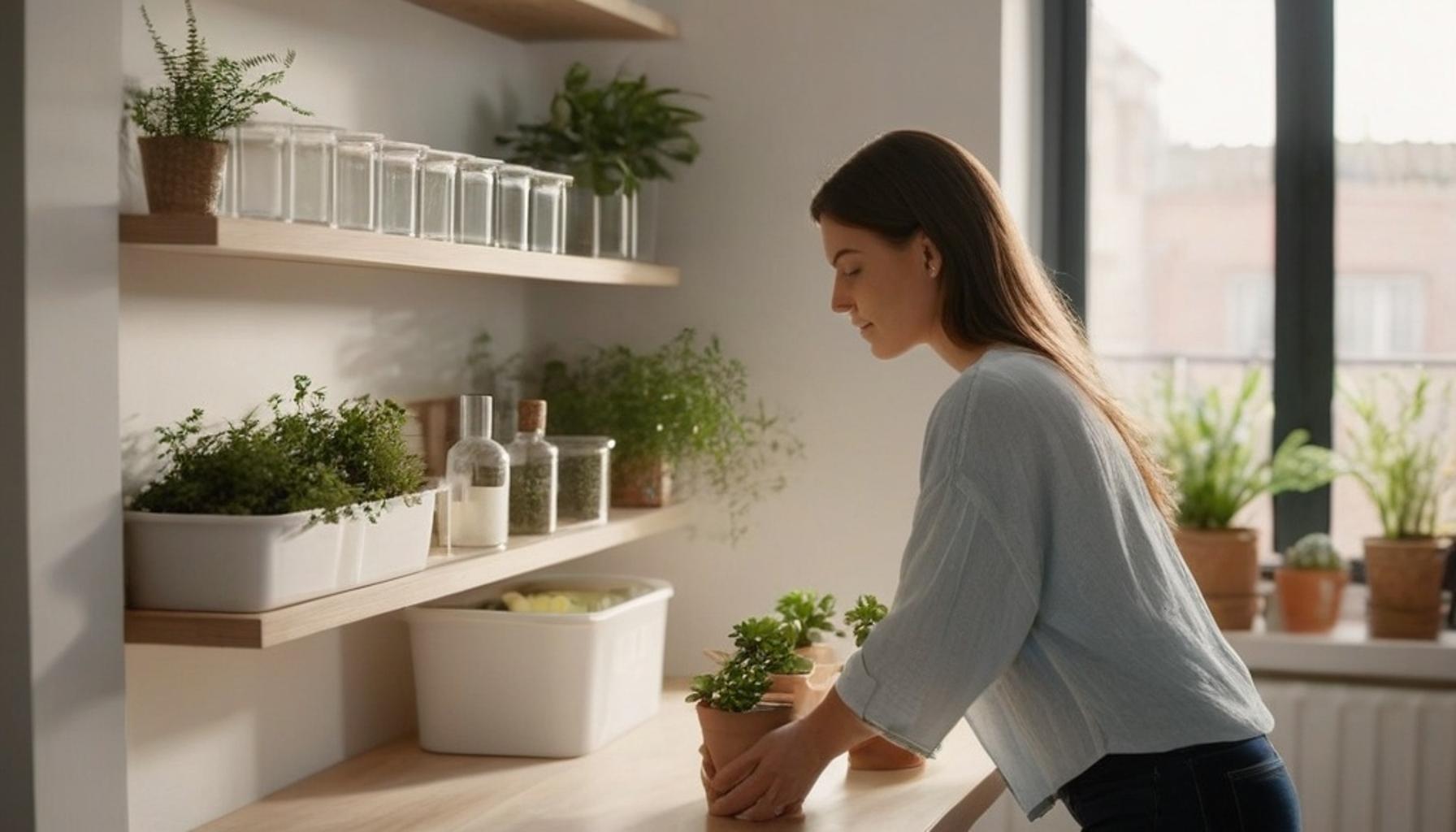
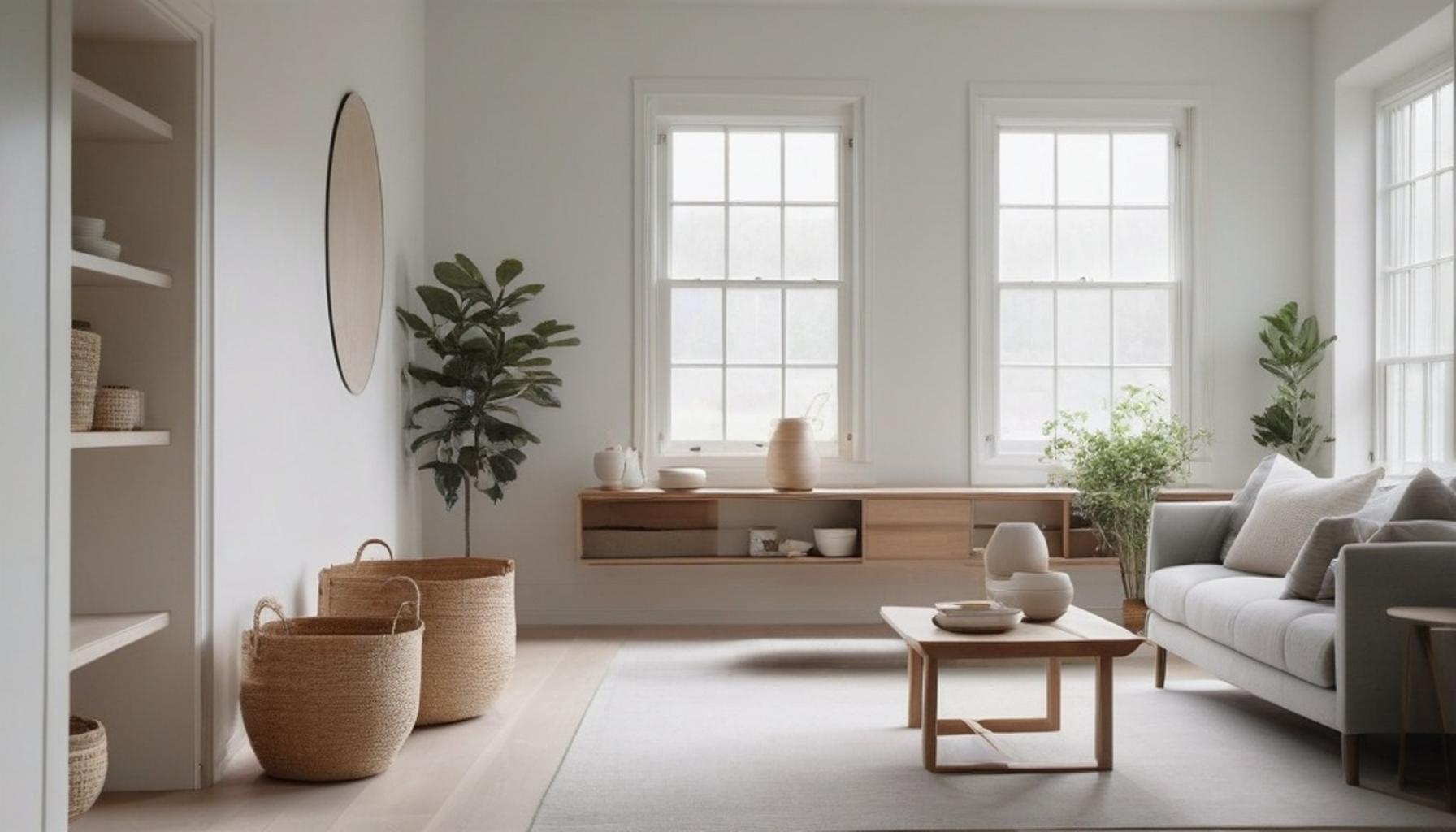
- Vertical shelving: Utilizing vertical space by installing shelving that draws the eye upwards is an elegant way to free up floor area. Floating shelves can display books, decor, or plants, transforming walls into stunning focal points without encroaching on valuable square footage.
- Multi-purpose furniture: Invest in pieces that pull double duty, like a dining table that can transform into a workspace. Products such as expandable tables or wall-mounted desks can accommodate both work and leisure, allowing for versatility and convenience in a single set of furnishings.
- Under-bed storage bins: Under every bed lurks substantial space that can be utilized for seasonal items, extra linens, or those seldom-used belongings. Sleek, flat storage bins can slide easily underneath to keep clutter at bay, promoting an uncluttered sleeping environment.
This guide delves into the best storage solutions for tiny homes, offering practical, budget-friendly ideas anyone can implement, ensuring that no corner is left unused. Whether you’re renting a micro-studio or finding joy in downsizing, these space-saving ideas for small apartments will help maximize every nook and cranny.
Curious to uncover creative storage options that actually work? Join us as we explore proven organization tips for small living spaces that can make a significant difference in your everyday life and enhance your enjoyment of your personal sanctuary.
DISCOVER MORE: Click here for minimalist kitchen tips
Mapping Out Your Apartment’s Hidden Potential
Before diving into purchases or renovations, savvy renters and homeowners are taking a different first step: mapping their space. Walking through each room with fresh eyes reveals opportunities that often go unnoticed—the awkward gap beside a refrigerator, the dead zone above a doorway, or that sliver of wall in a hallway. These overlooked areas are exactly where creative storage options for apartments begin to shine, transforming seemingly useless spaces into functional storage solutions.
Interior designers across the country, from Chicago high-rises to Los Angeles bungalows, agree on one principle: storage should work vertically, not just horizontally. Since floor space is finite, ceilings become the next frontier. For example, installing ceiling-high shelves in a kitchen or using wall-mounted cabinets can maximize storage while keeping the floor clutter-free. A simple shift in mindset—thinking “up” instead of “out”—can unlock dramatic improvements in how a small apartment functions.
Room-by-Room Opportunities
Different rooms present unique challenges, and tailoring strategies to each space yields better results than a one-size-fits-all approach. Here’s where to focus first for both functionality and aesthetic appeal:
- Kitchens: Consider incorporating magnetic strips for knives, which keep them easily accessible while saving drawer space. Pegboards are ideal for hanging pots and utensils, providing an artful display that doubles as functional storage. Stackable pantry organizers can maximize vertical cupboard space, making it easier to find ingredients.
- Bathrooms: Over-the-toilet shelving units utilize vertical space that’s typically wasted. These can hold toiletries, towels, or decorative items. Tension-rod dividers inside cabinets, for instance, can help create levels for toiletries, ensuring everything has its place and maximizing storage without additional furniture.
- Entryways: A slim console table with drawers serves as a perfect catchall for shoes, keys, and bags, keeping clutter at bay. Additionally, a wall-mounted hook rack can provide a designated spot for coats and hats, preventing them from piling up on furniture or the floor.
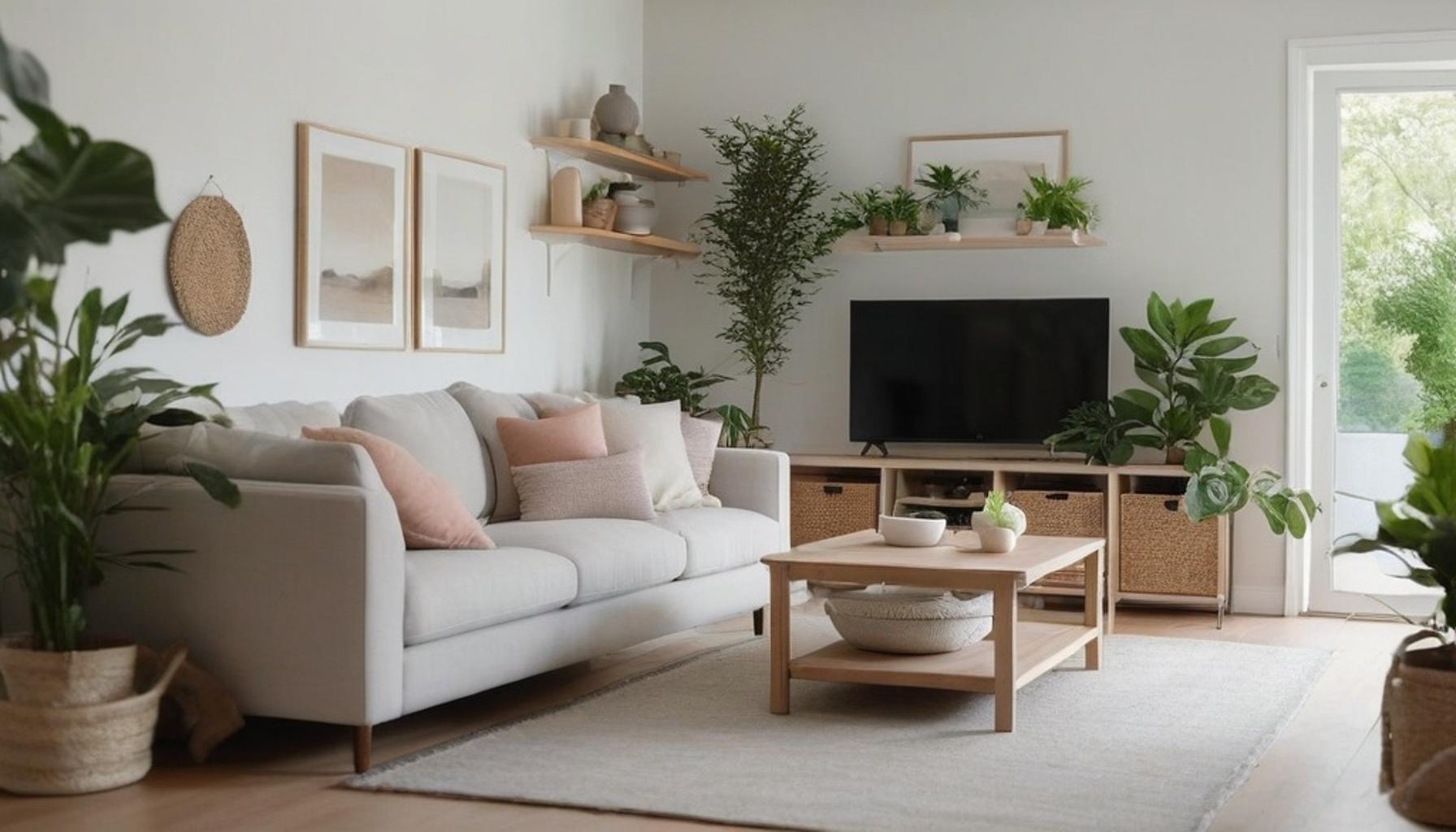
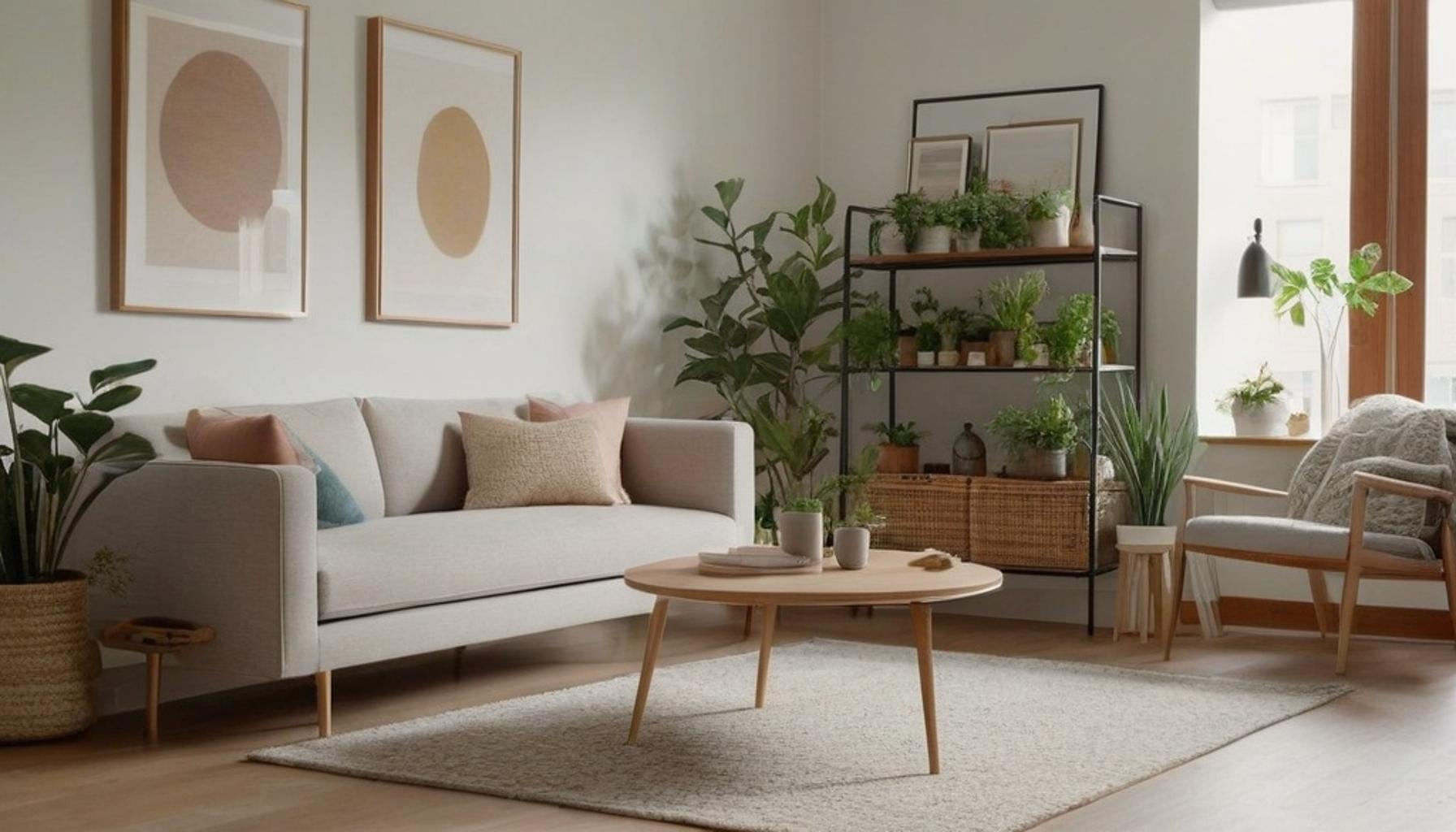
- Living rooms: Modular sofas with hidden compartments not only offer seating but also double as a storage solution for blankets and other items. Coffee tables with lift-top storage can conceal remotes, board games, or magazines, providing convenience and organization in a single piece of furniture.
According to a 2023 survey by the National Association of Home Builders, 68% of renters cited storage as one of the top three factors influencing their satisfaction with a rental unit. This statistic underscores why organization tips for small living spaces are not just a trend—they reflect a genuine quality-of-life concern for millions of Americans, especially in urban environments where space is at a premium.
What makes this pursuit particularly exciting is the sheer range of price points available. From high-end custom cabinetry to $15 tension rods found at any hardware store, space-saving ideas for small apartments can fit virtually any budget. For instance, while bespoke shelving may cost thousands, inexpensive alternatives such as repurposed crates or DIY shelves can be both stylish and functional on a tighter budget. The key lies in identifying which solutions address your specific pain points, rather than purchasing organizational products indiscriminately.
Next, let’s delve into exactly how to choose furniture with built-in storage that suits your lifestyle, along with lesser-known tricks that professional organizers swear by. By focusing on maximizing every inch of your apartment, you can create a living space that is not just organized, but also welcoming and reflective of your personal style.
| Category | Description |
|---|---|
| Multi-functional Furniture | Furniture that serves multiple purposes, like sofa beds or tables with storage, is essential. |
| Vertical Storage | Utilizing wall space with shelves or hanging organizers helps maximize floor area. |
| Under-bed Storage | Beneath the bed is a prime space for bins or drawers, offering ample storage without sacrificing style. |
| Creative Cabinetry | Built-in cabinets or custom designs can tailor storage to your needs and optimize every nook. |
| Space-saving Ideas | Incorporating hooks, pegboards, and baskets can cleverly organize everyday items in small living spaces. |
DISCOVER MORE: Click here to dive into minimalist kitchen ideas
Choosing Furniture That Works Double Duty
Once the mapping process reveals where space is being wasted, the next logical step is investing in furniture with built-in storage. This isn’t a new concept—Murphy beds date back to the 1900s—but today’s versions are smarter, sleeker, and far more accessible to the average shopper in cities like New York or San Francisco, where square footage often comes at a premium price.
Ottomans that open to reveal storage compartments, beds with built-in drawers underneath, and expandable dining tables that fold flat against a wall are no longer niche products. Major retailers, from IKEA to West Elm, now dedicate entire product lines to multifunctional furniture, reflecting just how mainstream this demand has become.
What to Look for Before Buying
Not every piece labeled “space-saving” actually delivers on that promise. Professional organizers recommend evaluating a few key factors before committing to a purchase:
- Weight capacity: A storage bench is only useful if it can hold what you actually need to store, such as heavier items like blankets or books.
- Accessibility: Storage that requires moving three other objects to access defeats its own purpose, so prioritize furniture with easy-open lids or drawers.
- Dual functionality: The best pieces serve two purposes exceptionally well, rather than one purpose adequately and a second purpose poorly, ensuring maximum value from every item.
- Scale: Oversized “space-saving” furniture can ironically consume more room than several smaller, well-placed pieces, so measuring your space beforehand is essential.
According to a 2022 report from the Freedonia Group, sales of multifunctional furniture in the United States have grown by roughly 12% annually since 2019, a trend directly tied to shrinking average apartment sizes in metro areas. This data reinforces that best storage solutions for tiny homes aren’t just a passing aesthetic—they’re responding to a measurable shift in how Americans live.
Lesser-Known Tricks Professionals Swear By
Beyond furniture shopping, professional organizers often rely on techniques that rarely make it into mainstream advice columns. One such method involves using vacuum-sealed bags for off-season clothing, which can reduce closet volume by up to 80%, according to some manufacturers’ estimates.
Another underused trick is door-mounted organizers, which convert the back of closet or pantry doors into functional storage for shoes, cleaning supplies, or spices. Similarly, drawer risers and stackable bins create hidden layers within existing furniture, effectively doubling capacity without adding a single new piece.
These organization tips for small living spaces share a common thread: they don’t require major renovations or significant financial investment. Instead, they rely on rethinking how existing furniture and architecture can be used more intelligently, proving that space-saving ideas for small apartments often come down to strategy rather than square footage.
DIVE DEEPER: Click here to discover minimalist kitchen ideas
Rethinking What “Enough Space” Really Means
The search for smart storage solutions for small apartments ultimately reveals something bigger than shelving hacks or clever furniture. It points to a shift in how Americans define comfortable living, especially as the average U.S. apartment size has shrunk by nearly 8% over the past decade, according to RentCafe data.
What once seemed like restrictions—low square footage, awkward layouts, shared walls—are increasingly treated as design puzzles rather than dead ends. That mindset shift matters more than any single product.
Bringing the Strategy Together
Throughout this discussion, a few themes keep resurfacing. Mapping wasted space before buying anything prevents impulsive purchases that don’t actually solve the problem. Choosing furniture with built-in storage multiplies function without multiplying square footage. And borrowing overlooked tricks, like door-mounted racks or vacuum-sealed bags, proves that organization tips for small living spaces don’t always require a shopping trip at all.
Together, these approaches form a layered system rather than a single fix. That’s an important distinction: no one product or hack solves cramped living alone, but combined, they add up to noticeably more livable square footage.
Looking Ahead
As urban housing costs continue climbing in cities like Boston, Chicago, and Los Angeles, demand for creative storage options for apartments will likely keep growing alongside them. Furniture brands, real estate developers, and even city planners are already responding, incorporating built-in storage into new micro-unit designs from the ground up.
For renters and owners alike, the takeaway is straightforward: the best storage solutions for tiny homes aren’t necessarily the most expensive ones. They’re the ones tailored to actual habits, honest measurements, and a willingness to look at familiar spaces differently.
In the end, maximizing space isn’t about fitting more into less. It’s about making every inch earn its place.
Frequently Asked Questions
What are some affordable smart storage solutions for small apartments?
Affordable smart storage solutions for small apartments include using multi-functional furniture like ottomans with hidden storage and bed frames with drawers. Additionally, investing in wall-mounted shelves or pegboards can maximize vertical space without taking up floor area. Thrift stores and garage sales often have unique pieces that can be repurposed for storage.
How can I utilize under-bed space effectively in a small apartment?
Under-bed space can be utilized by investing in rolling storage bins or drawers specifically designed for this area. Additionally, you can use vacuum-sealed bags for seasonal clothing or extra linens to maximize the space and keep items organized. A bed riser can also create more clearance for larger containers.
What are the best organizational tips for a small bathroom using smart storage solutions?
In a small bathroom, utilize vertical space by installing shelves above the toilet or placing wall-mounted organizers. Use baskets or caddies to keep toiletries tidy and consider over-the-door hooks for towels. Magnetic strips can also be handy for storing small metal items like tweezers or scissors.
Can you recommend some smart storage furniture for tiny living rooms?
For tiny living rooms, consider purchasing a coffee table that doubles as a storage chest, or a sofa with built-in storage underneath. Floating shelves can also help display decor while keeping the floor clear, and nesting tables provide flexibility without taking up too much space when not in use.
How can I create more closet space in a small apartment?
To create more closet space in a small apartment, consider using slim hangers to save space on your clothing rack. Adding cascading hooks to hang multiple items vertically will also help maximize the area. Additionally, using storage bins on the closet floor can help organize shoes or less frequently used items efficiently.

Beatriz
Beatriz Johnson is a seasoned minimalist and writer with a passion for simplifying the complexities of personal organization and intentional living. With over a decade of experience in decluttering strategies and mindful consumption, she specializes in topics like space optimization, habit simplification, and sustainable lifestyle choices. Through her work on our website, Beatriz empowers readers to embrace minimalism, reduce mental and physical clutter, and create more meaningful, organized lives in today's fast-paced world.