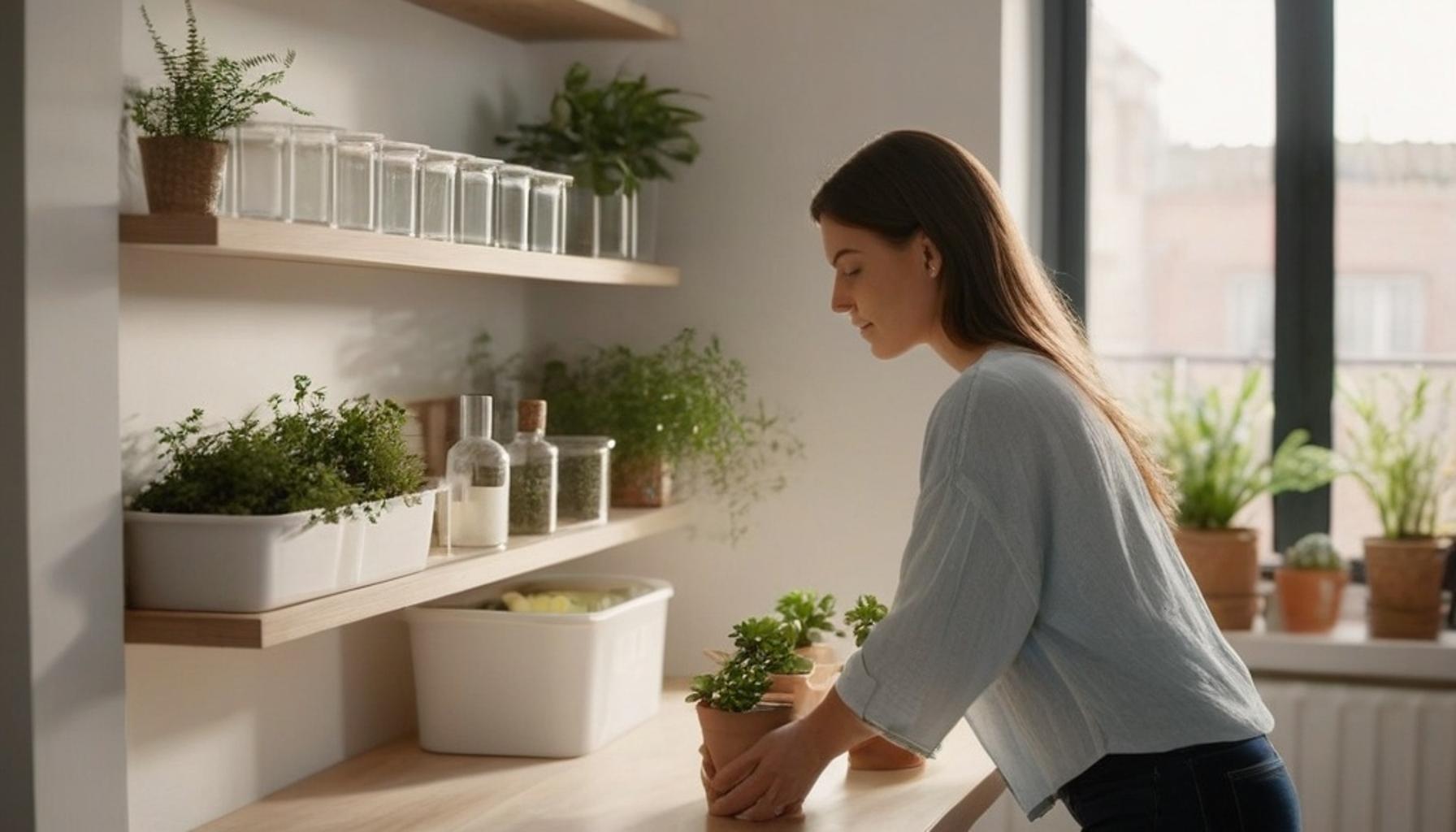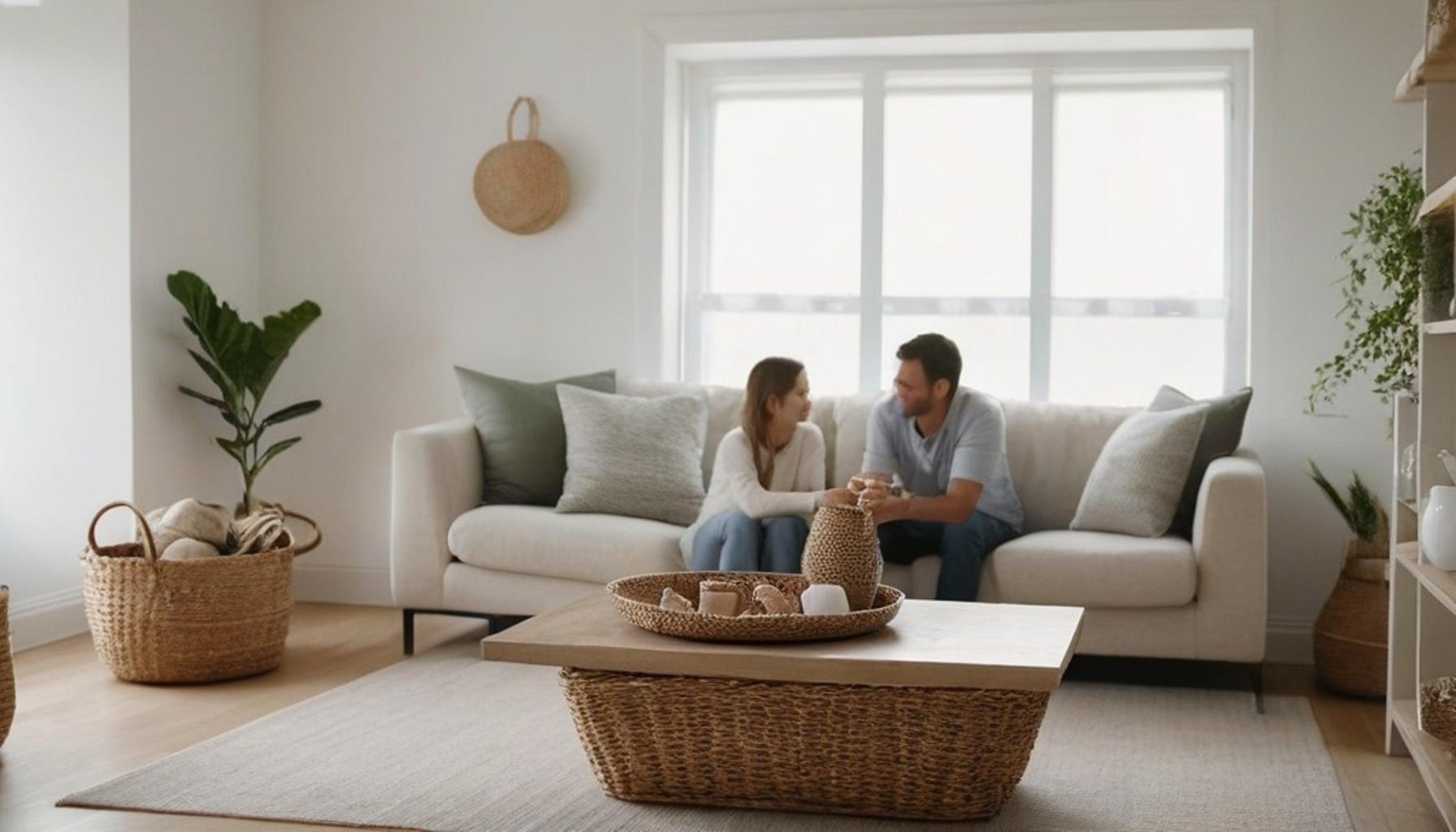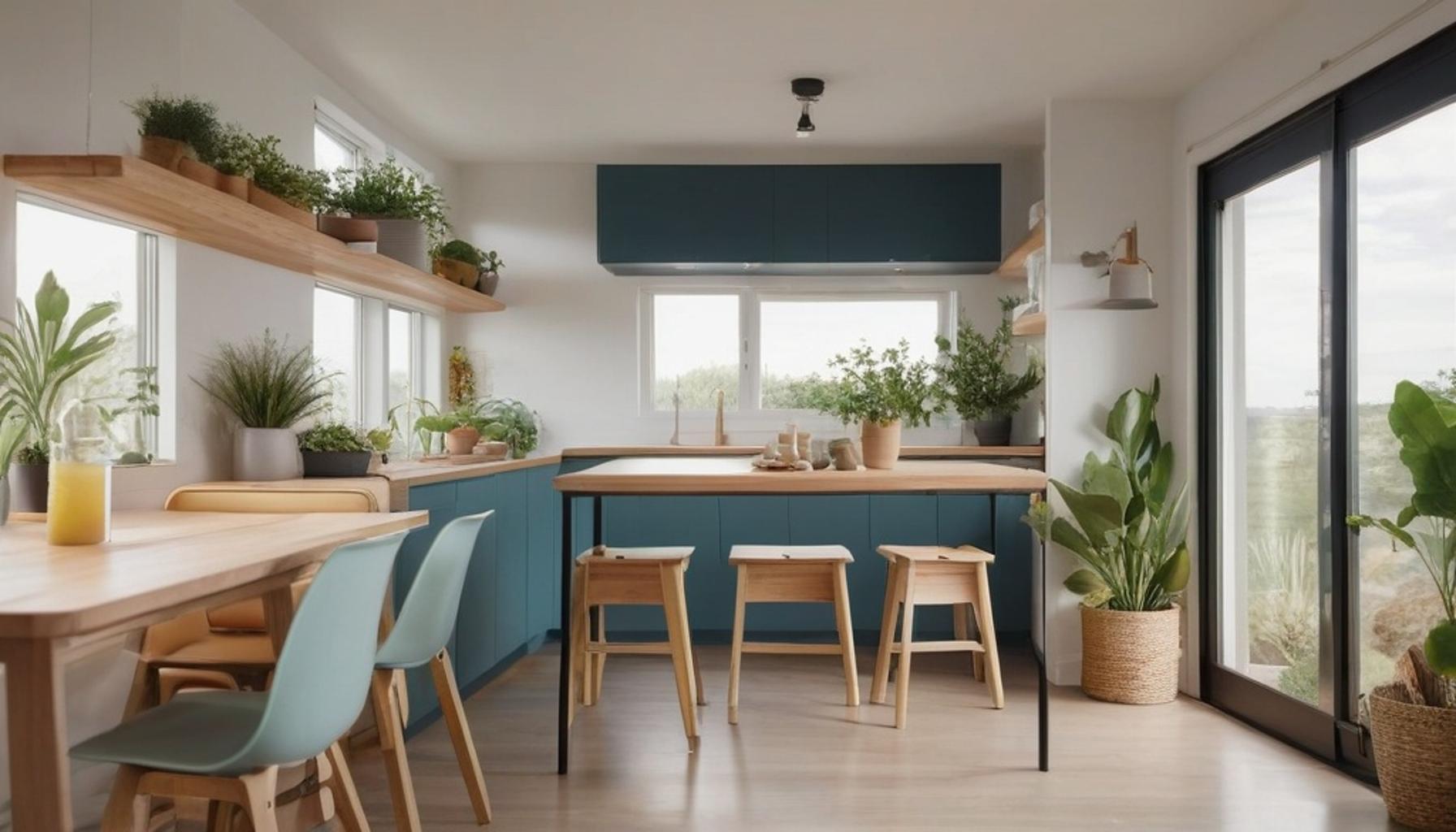
Space Optimization Strategies: Transforming Your Home into an Organized Sanctuary
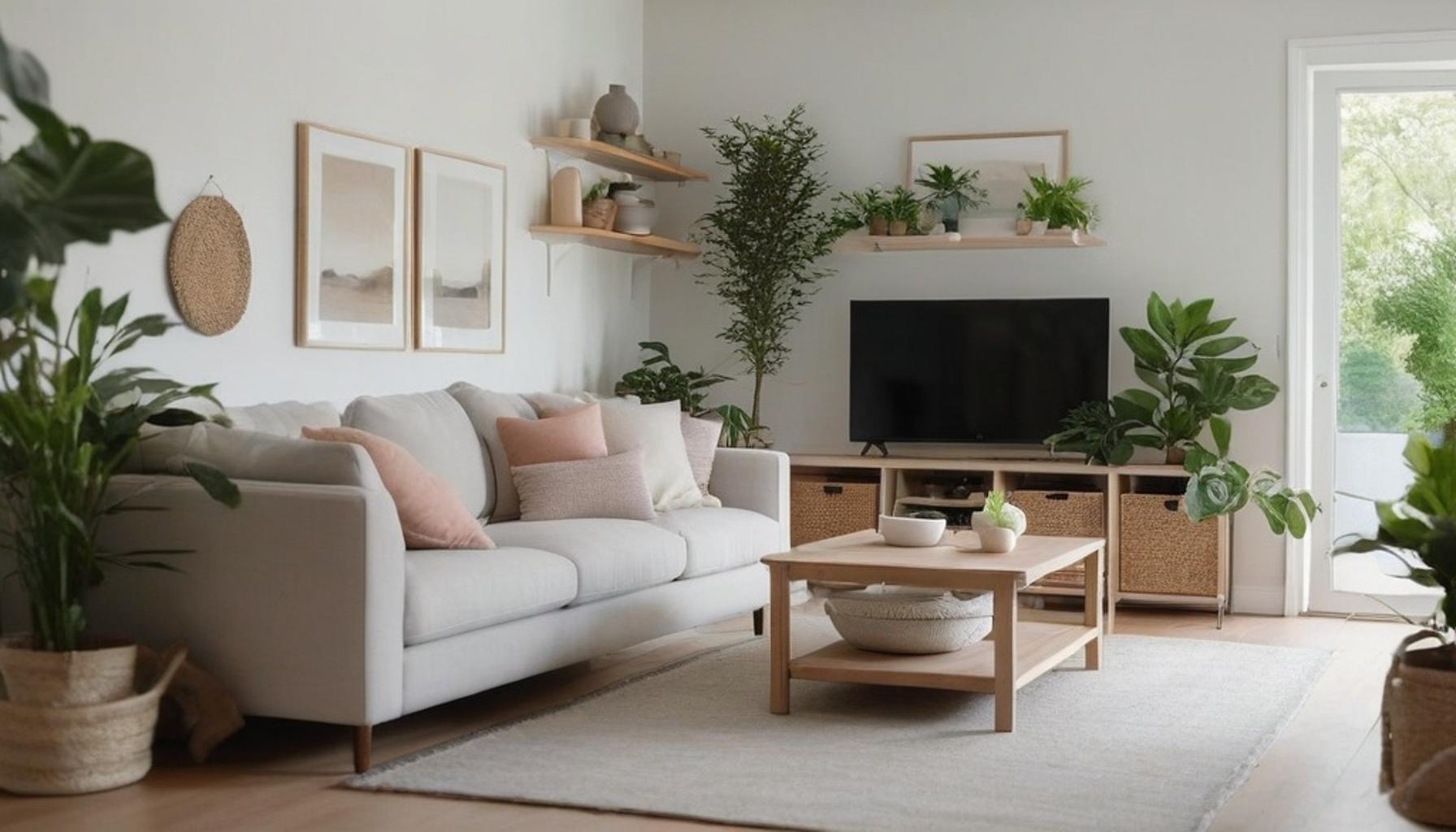
The Importance of Maximizing Your Home’s Space
The average American home has shrunk to just 2,299 square feet, yet our belongings continue to multiply at an alarming rate. Factors such as the rise of remote work, the convenience of online shopping, and the prevalence of multi-generational living arrangements have led homeowners across the country to seek effective solutions for managing their space. This is where Space Optimization Strategies become invaluable.
Space optimization isn’t merely about adopting minimalism but rather about achieving a harmonious balance between aesthetic appeal and functional efficiency. It allows your home to operate smoothly, regardless of the square footage available.
The Hidden Cost of Clutter
Recent studies indicate that the typical U.S. household contains 300,000 items. Paradoxically, this abundance is often accompanied by chaos, as disorganization can consume up to several hours of our week simply searching for misplaced items. The repercussions of a cluttered environment extend beyond mere inconvenience; research has also linked it to increased stress levels and diminished focus, which can detract from both productivity and overall well-being.
Thankfully, smart home organization tips can dramatically alter this narrative. Implementing the right strategies can transform chaotic closets and overflowing counters into serene, functional areas.
What You’ll Discover in This Guide
Whether you’re residing in a cozy downtown studio or a spacious suburban starter home, there are effective small space solutions applicable to every type of living space. Here’s a sneak peek at the valuable insights this guide will cover:
- Proven decluttering techniques that promote long-lasting changes, helping you maintain order.
- Innovative vertical storage hacks for kitchens, closets, and garages that make the most out of limited square footage.
- Expert tips on interior design for small spaces, ensuring that efficiency does not compromise style.
- Budget-friendly home storage ideas using multi-functional furniture, allowing you to maximize utility without breaking the bank.
- Room-by-room strategies tailored specifically for apartments, condos, and family homes, ensuring that every space in your house is optimized.
By the end of your reading, you will possess a thoughtful and actionable roadmap designed to transform cluttered spaces into organized sanctuaries that enhance your daily living experience. With the right tools and mindset, you can foster an environment that harmonizes relaxation and productivity, making every square foot in your home count.
DIVE DEEPER: Click here to discover minimalist kitchen ideas
Assessing Your Space: The Foundation of Effective Organization
Before diving into storage solutions or furniture rearrangement, successful Space Optimization Strategies begin with an honest assessment of what you own and how you actually use your home. Skipping this crucial step is the number one reason organizational projects fail within weeks. It is vital to take the time to reflect on your lifestyle and the roles each item plays in your daily routines.
Professional organizers across the country consistently report that homeowners overestimate their storage needs while underestimating how much they can eliminate. This miscalculation often leads to a cluttered home, as people tend to keep items that no longer serve their purpose. In fact, industry data suggests that 80% of the items we keep are used less than 20% of the time, a phenomenon often referred to as the 80/20 rule of possessions. Understanding this concept can foster substantial changes in how you consider your belongings.
The Room-by-Room Audit
Rather than tackling your entire home at once, a systematic room-by-room audit yields far better results. This approach, favored by professionals from Seattle to Miami, breaks an overwhelming task into manageable chunks. Whether it’s a cramped apartment in New York or a spacious home in suburban Texas, isolating areas for review can drastically improve your organizational outcome.
Start by examining each room, focusing on asking three simple yet powerful questions about each item:
- Have I used this in the last 12 months?
- Does this serve a genuine function, or am I keeping it out of guilt or sentimentality?
- Could this space serve a better purpose without it?
This audit process is one of the most reliable decluttering techniques because it forces intentionality rather than emotional decision-making. Emotional attachments can make parting with items especially challenging, often leading to a home filled with unnecessary possessions. By using these questions, you place logical considerations at the forefront of your decision-making process.
Mapping Traffic Patterns and Function
Moving beyond merely counting belongings, effective home organization tips require understanding how you physically navigate your space. High-traffic areas such as kitchens, entryways, and bathrooms frequently endure the heaviest daily use, yet they’re often the most disorganized. For example, why do shoes pile up at the front door? A careful examination of your habits can provide the answers you need.
Consider tracking your movements for a single week. Take note of where you tend to drop your keys or where clutter accumulates. These patterns illuminate where small space solutions like hooks, baskets, or designated drop zones can have the most significant impact. This awareness not only informs your organization strategy but also enhances the functionality of your home.
Once you’ve identified these problem areas, the next step involves developing solutions tailored to your specific lifestyle. Instead of adopting generic organizational trends—which may work for a family of five differently than for a solo remote worker—a personalized approach ensures that practical needs are met. Such strategies form the backbone of lasting interior design for small spaces, ensuring every storage decision serves a genuine purpose, rather than merely looking appealing on social media.
In summary, assessing your space through careful audits and understanding movement patterns is essential for effective organization. With intentionality and personalized strategies, you can transform your home into a space that truly reflects your needs and lifestyle.
| Category | Description |
|---|---|
| Vertical Space Utilization | Employ shelving and wall-mounted storage to free up floor space. |
| Decluttering Techniques | Use the “one-in-one-out” rule to prevent accumulation and keep your space neat. |
| Flexible Furniture | Incorporate multi-functional furniture for better adaptability in small areas. |
| Home Storage Ideas | Maximize closet organization to optimize storage capacity while maintaining accessibility. |
DIVE DEEPER: Click here to discover the minimalist kitchen tips
Vertical Thinking and Multi-Functional Design: Reclaiming Overlooked Real Estate
Once you understand your habits and belongings, the next phase of Space Optimization Strategies involves rethinking the physical dimensions of your home. Most Americans instinctively think in terms of floor space, yet ceilings often reach nine or ten feet high in newer builds, leaving significant vertical territory untouched. This overlooked area represents one of the most underutilized resources in residential design.
Building Upward When You Can’t Build Outward
Homeowners in dense urban markets like Boston, Chicago, and San Francisco have long embraced vertical storage out of necessity. Wall-mounted shelving, floor-to-ceiling bookcases, and stackable bins transform blank walls into functional storage without sacrificing an inch of walkable space.
Consider these practical home storage ideas for maximizing vertical real estate:
- Install shelving above doorways for seasonal items rarely accessed
- Use pegboards in garages or kitchens to hang tools, pots, or utensils
- Mount tension rods inside cabinets to create additional layers for cleaning supplies
- Choose tall, narrow furniture over wide, low pieces to preserve square footage
According to a 2023 survey by the National Association of Home Builders, homes under 1,000 square feet now account for a growing share of new construction, particularly in metro areas facing housing affordability pressures. This shift makes vertical solutions less of a design trend and more of a practical necessity for millions of households.
Furniture That Works Twice as Hard
Multi-functional furniture has become a cornerstone of modern interior design for small spaces. Ottomans that open for blanket storage, beds with built-in drawers, and expandable dining tables allow a single piece to serve multiple purposes without adding bulk.
Murphy beds, once associated primarily with studio apartments in New York City, have surged in popularity nationwide as remote work blurs the line between bedrooms and home offices. A room can transition from sleeping quarters to a functional workspace in minutes, proving that flexibility often matters more than square footage.
These small space solutions aren’t limited to bedrooms. Kitchen islands on wheels, nesting side tables, and modular sectionals adapt to changing needs, whether hosting guests or settling into a quiet evening.
Ultimately, effective decluttering techniques paired with smart furniture choices create a ripple effect throughout the home. When every object and surface serves an intentional purpose, clutter has fewer opportunities to accumulate, and daily routines become noticeably smoother.
Bringing It All Together: A Home That Works for You
Transforming a cluttered house into an organized sanctuary rarely happens overnight. As this article has shown, effective Space Optimization Strategies require a combination of self-awareness, practical planning, and a willingness to rethink how every square inch gets used.
From auditing daily habits to embracing vertical shelving and multi-functional furniture, each step builds on the last. There is no single fix, but rather a layered approach that adapts to the realities of modern American living, whether that means a downtown Chicago studio or a suburban Texas starter home.
Small Changes, Lasting Impact
The most effective home organization tips share one common thread: intentionality. Every shelf installed, every Murphy bed unfolded, and every declutter session contributes to a home that feels calmer and more functional.
Consider revisiting your space every few months. Needs shift, families grow, and remote work continues to reshape how rooms get used. What functions as a home office today might need to become a nursery or guest room tomorrow.
For readers just beginning this journey, start small:
- Pick one room and apply a single vertical storage solution
- Replace one bulky furniture piece with a multi-functional alternative
- Commit to a seasonal decluttering technique rather than a one-time purge
Interior design for small spaces will continue evolving as housing trends shift and square footage shrinks in many metro areas. Staying curious about new small space solutions ensures your home keeps pace with your lifestyle rather than working against it.
Ultimately, an organized sanctuary is not about perfection. It is about creating a home that supports how you actually live, one thoughtful adjustment at a time.
Frequently Asked Questions
What are some effective space optimization strategies for small apartments?
In small apartments, use multi-functional furniture like sofa beds and nesting tables to save space. Consider vertical storage solutions such as shelves and wall-mounted units to maximize floor area. Decluttering regularly and utilizing under-bed storage can also significantly optimize your living space.
How can I implement space optimization strategies in my kitchen?
To optimize your kitchen, start by using drawer dividers and shelf risers to maximize cabinet space. Installing pegboards for utensils and utilizing the inside of cabinet doors for spices and cutting boards can help free up countertops. Additionally, consider a rolling cart for extra prep space and storage.
What are the best space optimization strategies for a home office?
For a home office, opt for a slim desk that fits your work needs while allowing for easy movement. Use wall-mounted shelving to keep paperwork and supplies organized without taking up floor space. Cable management solutions can help keep your workspace tidy and more efficient.
How can I use space optimization strategies to create a calming bedroom environment?
To create a calming bedroom, focus on minimizing clutter by incorporating multi-functional furniture like storage beds or benches. Use calming color palettes and reduce visible items by using decorative boxes to store less frequently used items. This will contribute to a serene and organized sanctuary.
What role does decluttering play in effective space optimization strategies?
Decluttering is essential for effective space optimization as it creates more room and allows for better organization. By regularly assessing your belongings and getting rid of items you no longer need, you can make space for things that truly add value. This not only optimizes your physical space but also contributes to a more peaceful living environment.

Beatriz
Beatriz Johnson is a seasoned minimalist and writer with a passion for simplifying the complexities of personal organization and intentional living. With over a decade of experience in decluttering strategies and mindful consumption, she specializes in topics like space optimization, habit simplification, and sustainable lifestyle choices. Through her work on our website, Beatriz empowers readers to embrace minimalism, reduce mental and physical clutter, and create more meaningful, organized lives in today's fast-paced world.