Efficient Living: Innovative Storage Solutions for Tiny Home Organization
Small Spaces, Smart Solutions
Across the United States, more than 10,000 tiny homes have been built in recent years, with square footage typically ranging from 100 to 400 square feet. This growing movement isn’t just about downsizing—it’s about reimagining how Americans live, store, and organize their belongings. The allure of tiny homes often lies in their sustainability, affordability, and simplicity, appealing to a diverse range of people from urban dwellers seeking a minimalist lifestyle to retirees looking to downsize.
For anyone embracing tiny home organization, the challenge is clear: how do you fit a full life into a fraction of the space? The answer lies in creativity, strategic planning, and a willingness to rethink traditional storage norms. It involves reimagining spaces that often go overlooked, finding potential in what may appear to be limitations.
Why Storage Innovation Matters
Cramped closets and cluttered countertops can quickly turn a cozy tiny home into a stressful one. That’s why storage solutions for small spaces have become a booming niche within home design. With limited room, every square foot counts, necessitating clever and innovative solutions that not only organize but also enhance the living experience.
From multi-functional furniture to vertical shelving systems, homeowners are discovering that efficient living in tiny homes doesn’t mean sacrificing comfort or style. Consider these game-changing approaches:
- Under-stair drawers: These innovative solutions transform wasted space into functional storage, allowing homeowners to store shoes, books, or seasonal items conveniently out of sight.
- Murphy beds: When paired with built-in shelving units, Murphy beds provide a comfortable sleeping area that can be folded away, freeing up valuable floor space during the day.
- Modular furniture: This type of furniture adapts to daily needs, often serving multiple functions such as a couch that converts into a guest bed or an expandable dining table.
- Ceiling-mounted racks: Perfect for seasonal items or sports equipment, these racks maximize vertical space, keeping belongings organized and the floor area open.
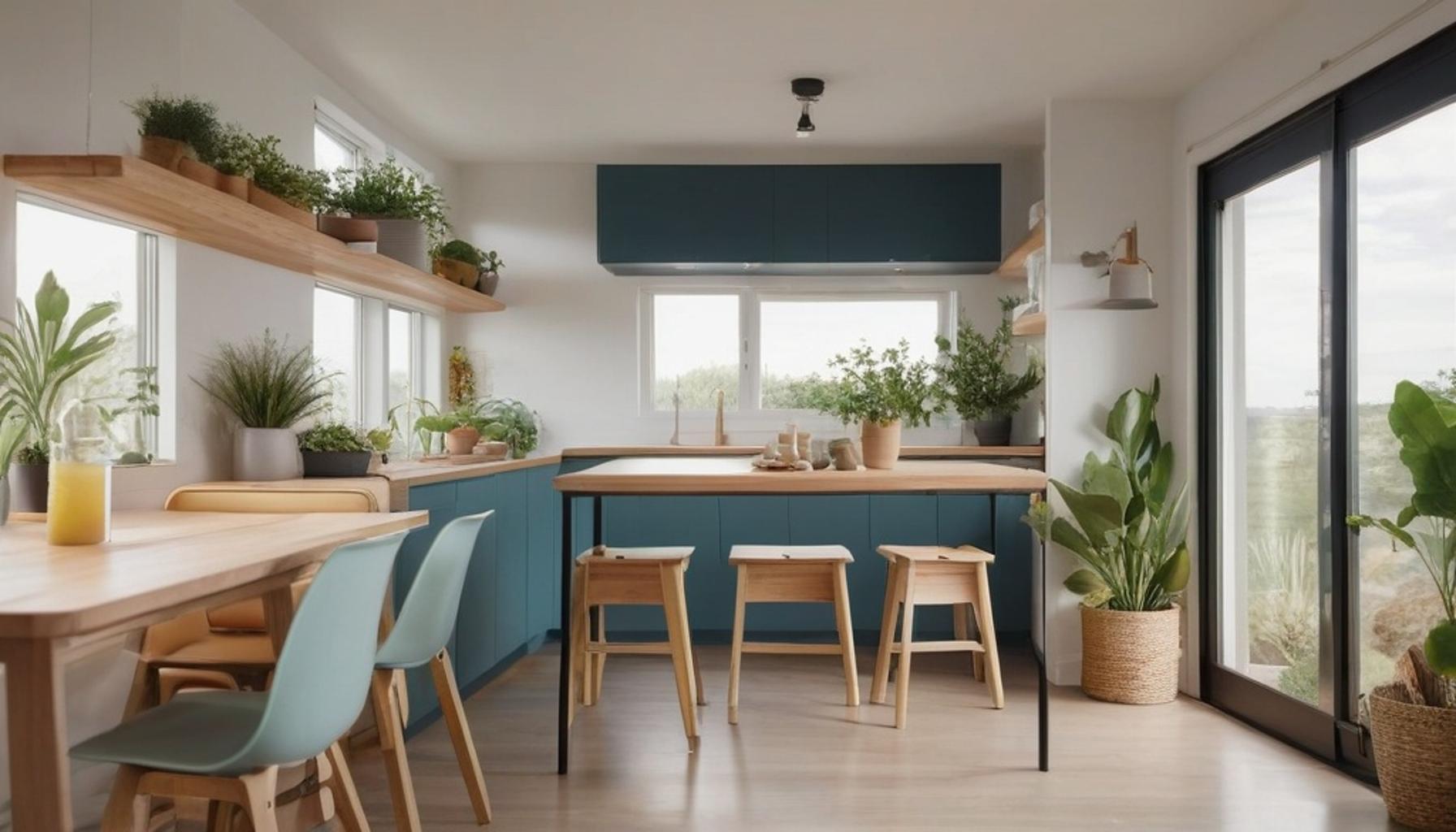
This article explores practical tiny home organization tips and highlights space-saving furniture for tiny homes that maximizes every inch. Readers will also discover creative storage ideas for small homes that blend function with aesthetic appeal, featuring options like floating shelves and stylish baskets. Additionally, using transparent containers can help maintain a visual sense of order while allowing easy access to essentials.
Whether you’re planning a build or refining an existing tiny home, these insights offer actionable strategies worth exploring further. With thoughtful planning and innovative products, transforming small living spaces into functional and appealing homes becomes not just possible, but an inspiring reality.
DISCOVER MORE: Click here to explore the minimalist kitchen trend
Mapping Out Every Inch: The Foundation of Smart Design
Before diving into product solutions, successful tiny home organization starts with a floor plan mindset shift. Traditional homes allocate space by room function—bedroom, kitchen, living room—but tiny homes require a different approach. The solution lies in thinking in zones, layers, and multi-use footprints. A tiny space not only needs to serve its primary purpose but must also adapt to various activities that occur within those zones.
Designers who specialize in storage solutions for small spaces often recommend a “vertical-first” strategy. Since floor space is finite, walls and ceilings become prime real estate. Imagine a single wall in a 200-square-foot tiny home successfully housing a pantry, a bookshelf, and a coat closet simultaneously. This multi-functional design is achieved through stacked, layered shelving that utilizes the full height of the wall, making every inch count.
Room-by-Room Breakdown
Each area of a tiny home demands distinct organizational tactics. Here’s how homeowners are creatively tackling the organization challenge in their living environments:
- Kitchens: In small kitchens, innovations such as magnetic knife strips, pull-out pantry shelves, and stackable cookware serve as effective replacements for bulky cabinets. This shift can shrink kitchen storage needs by up to 40% when compared to conventional layouts, allowing homeowners to embrace innovation over clutter.
- Bathrooms: To maximize storage in bathrooms, recessed medicine cabinets and over-the-toilet shelving units transform awkward corners into usable storage. These clever installations utilize every inch available without compromising valuable floor space, making bathrooms feel less cramped.
- Bedrooms: Incorporating platform beds with built-in drawers helps eliminate the necessity for separate dressers. This clever solution is particularly favored among devotees of space-saving furniture for tiny homes, providing functional storage while keeping the aesthetic streamlined.
- Entryways: To combat clutter, entryways benefit from slim, wall-mounted hooks combined with a compact bench that opens for shoe storage. This arrangement maintains an organized entrance, preventing disarray from accumulating at the door.
According to a 2023 survey by the American Tiny House Association, nearly 68% of tiny home residents identified custom-built storage as their top renovation priority after moving in. This statistic highlights an essential truth: off-the-shelf furniture frequently fails to maximize the unique dimensions of a tiny home. Tailored solutions can adapt seamlessly to personal belongings, enhancing organization.
This is where tiny home organization tips from experienced builders can be incredibly beneficial. Many industry experts recommend measuring twice and designing storage specifically around individual items rather than estimating dimensions. A closet designed for a standard 24-inch hanger rod, for instance, can waste crucial inches that might otherwise allow for more efficient double-tier hanging space, underscoring the need for precision in tiny home design.
The Psychology of Clutter-Free Living
Beyond the physical arrangement of space, organized environments can significantly impact mental well-being. Studies exploring efficient living in tiny homes have indicated that reduced clutter correlates with lower stress levels. With fewer visual distractions, occupants can feel more at ease in their compact surroundings, enhancing overall living quality.
This connection between order and tranquility explains why many tiny homeowners invest in creative storage ideas for small homes. They prioritize both functionality and visual simplicity, steering clear of makeshift solutions that ultimately contribute to more chaos rather than solving the problem. By embracing organized design, they cultivate an environment that not only maximizes space but also promotes a serene lifestyle.
DISCOVER: Click here to delve into minimalist kitchen ideas
Multi-Functional Furniture: The Backbone of Tiny Living
Once the framework of a floor plan is set, furniture choices determine whether a tiny home actually functions day to day. Space-saving furniture for tiny homes has moved well beyond the basic futon-that-folds-into-a-bed concept. Manufacturers now build pieces engineered specifically for micro-square-footage living, often incorporating hydraulic lifts, hidden compartments, and modular components that reconfigure based on need.
Consider the convertible dining table, a staple among tiny home dwellers. Many models fold flat against a wall when not in use, then extend to seat four guests within seconds. Others include built-in leaves that adjust from a compact two-person breakfast nook to a full dinner party setup. This kind of adaptability reflects the broader philosophy behind tiny home organization: furniture should work as hard as the walls around it.
Under-Utilized Spaces That Deserve Attention
Some of the most effective storage solutions for small spaces hide in locations homeowners typically overlook. Staircases, for example, are rarely just staircases in a tiny home. Builders frequently convert each step into a pull-out drawer, capable of storing anything from folded linens to canned goods.
Other frequently underused areas include:
- Toe-kick spaces: The small gap beneath kitchen cabinets can house shallow drawers ideal for baking sheets or cutting boards.
- Ceiling beams: Exposed beams often support hanging racks for bicycles, kayaks, or seasonal items that don’t need daily access.
- Loft edges: Sleeping lofts can include recessed side pockets for books, phones, or reading glasses, eliminating the need for a nightstand entirely.
- Behind doors: Slim over-the-door organizers hold everything from cleaning supplies to office materials without consuming a single square foot of floor space.
These approaches illustrate why creative storage ideas for small homes often require homeowners to reconsider what “empty space” actually means. According to the National Association of Home Builders, tiny homes average just 400 square feet, yet well-designed units can offer functional storage capacity comparable to homes twice that size when every surface is engineered thoughtfully.
Choosing Materials That Support Long-Term Efficiency
Material selection plays a surprisingly large role in efficient living in tiny homes. Lightweight materials like birch plywood and aluminum framing reduce the structural load on trailers or foundations, which matters significantly for mobile tiny homes. Builders also favor moisture-resistant finishes in kitchens and bathrooms, where condensation can accumulate faster in compact, less-ventilated spaces.
Homeowners researching tiny home organization tips should also look into modular shelving systems made from adjustable tracks. Unlike fixed shelving, these systems allow residents to reposition storage as belongings change, whether that means accommodating a new hobby, a growing wardrobe, or seasonal gear swaps throughout the year.
DISCOVER: Click here to uncover the secrets of a minimalist kitchen
Bringing It All Together: The Future of Small-Space Living
Across the country, from converted garages in Austin to off-grid builds in the Pacific Northwest, tiny homes are proving that square footage doesn’t dictate quality of life. What truly matters is intention. Every drawer, shelf, and fold-out surface should serve a purpose, and that mindset lies at the heart of successful tiny home organization.
Throughout this discussion, one theme keeps surfacing: efficiency isn’t a single product or hack. It’s a layered strategy. Space-saving furniture for tiny homes handles the daily heavy lifting, while overlooked nooks, staircases, and toe-kick spaces quietly absorb the overflow that would otherwise clutter a compact floor plan.
Material choices matter just as much as layout. Lightweight, moisture-resistant components don’t just protect a structure; they extend the lifespan of every storage system built into it. This is where efficient living in tiny homes becomes less about sacrifice and more about smart engineering.
For homeowners just starting their downsizing journey, a few tiny home organization tips stand out as worth prioritizing:
- Audit belongings first: Storage should be built around actual needs, not guesswork.
- Favor multi-use surfaces: A table, shelf, or stair step that serves two purposes is worth more than one that serves only one.
- Reassess seasonally: Modular systems allow storage to evolve as lifestyles change.
Ultimately, storage solutions for small spaces and creative storage ideas for small homes aren’t just design trends; they represent a broader shift toward intentional, resourceful living. As more Americans embrace smaller footprints, the innovations born from these constraints may well influence how larger homes are organized too. The tiny house movement, it seems, has lessons for everyone.
Frequently Asked Questions
What are some space-saving furniture options for tiny home organization?
Space-saving furniture, such as Murphy beds, foldable dining tables, and ottomans with storage, can greatly enhance your tiny home organization. These multifunctional pieces allow you to maximize your space while providing practical storage solutions.
How can I effectively use vertical space in my tiny home?
Utilizing vertical space is key in tiny home organization. Consider adding shelves, wall-mounted storage units, or hooks to keep items off the floor and create a sense of openness. Tall bookcases and hanging plants can also draw the eye upward, making the space feel larger.
What are the best storage solutions for tiny kitchen organization?
In a tiny kitchen, consider using pull-out shelves, magnetic spice racks, and cabinet organizers to optimize storage. Additionally, hanging pots and pans from a ceiling rack or wall-mounted system can free up precious cabinet space, keeping your kitchen organized and functional.
How do I manage clothing storage in a small bedroom?
For effective clothing storage in a small bedroom, opt for under-bed storage bins, compact dressers, and closet organizers with vertical dividers. Seasonal clothing can be stored in vacuum-sealed bags to maximize available space while maintaining easy access to your current wardrobe.
What innovative tricks can I use for bathroom organization in a tiny home?
In a tiny bathroom, consider using over-the-toilet shelving, hanging storage caddies, and tiered organizers to maximize space. Wall-mounted baskets or racks can hold toiletries and towels efficiently, ensuring that everything remains organized and easy to reach.
Are there specific storage solutions that help with tiny home organization on a budget?
Yes, budget-friendly storage solutions for tiny home organization include DIY projects, such as building your own shelves from reclaimed wood or using repurposed items like mason jars for organizing small belongings. Thrift stores and online marketplaces can also provide affordable furnishings and organizers that fit your space.

Beatriz
Beatriz Johnson is a seasoned minimalist and writer with a passion for simplifying the complexities of personal organization and intentional living. With over a decade of experience in decluttering strategies and mindful consumption, she specializes in topics like space optimization, habit simplification, and sustainable lifestyle choices. Through her work on our website, Beatriz empowers readers to embrace minimalism, reduce mental and physical clutter, and create more meaningful, organized lives in today's fast-paced world.