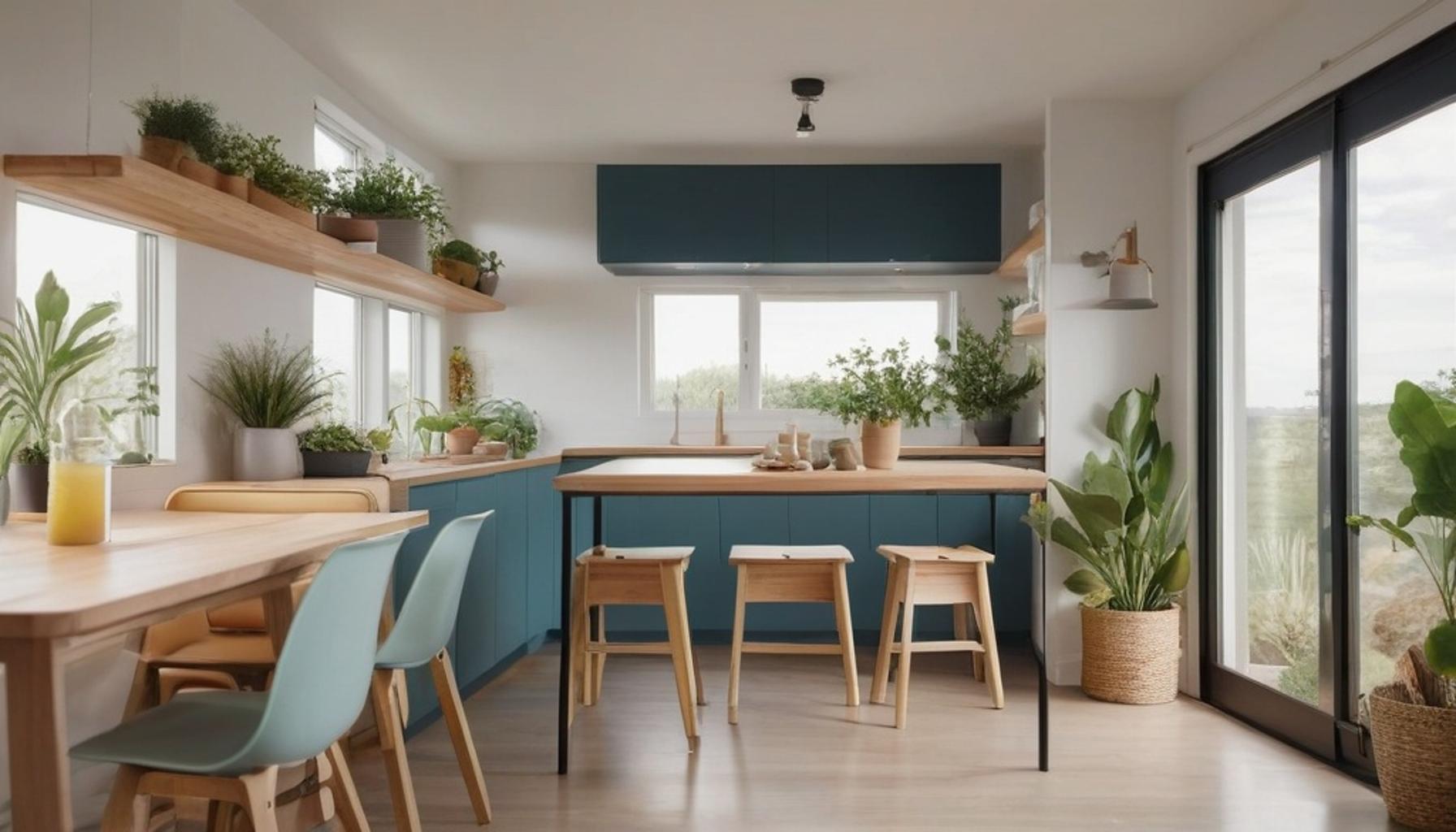
The Art of Decluttering: Efficient Storage Hacks for a Minimalist Lifestyle
Why Clutter Is Costing You More Than Just Space
According to the LA Times, the average American household contains over 300,000 items, a staggering number that provides insight into why many individuals dread the thought of organizing their living spaces. Alarmingly, research indicates that we spend up to a year of our lives searching for misplaced belongings. This statistic highlights not only the physical accumulation of clutter but also the emotional toll it takes on our daily lives. As a result, decluttering storage hacks have surged in popularity, quickly becoming a common topic in social media circles and home improvement discussions.
No matter the size of your living environment—from compact apartments in Brooklyn to expansive suburban homes in Texas—many Americans are rejuvenating their spaces by rethinking how they store, organize, and interact with their belongings.
The Rise of Minimalism in Everyday Life
Minimalism has transitioned from being merely an aesthetic choice to a profound lifestyle movement, supported by numerous psychological benefits. Research shows that decluttering can reduce stress hormones, enhance focus, and even boost overall well-being. A minimalist lifestyle encourages individuals to evaluate each possession’s significance, creating a meaningful and functional living space rather than a collection of unused items.
However, successfully learning how to declutter your home requires more than simply tossing out clothing that no longer fits. It involves a strategic approach that considers space, function, and intention behind each item. An effective decluttering strategy also fosters sustainable habits that prevent future accumulation of unnecessary goods.
This article will delve into practical and tested methods for organization, including:
- Vertical storage solutions that maximize space in small apartments, such as wall-mounted shelves and tall bookcases.
- Innovative multi-purpose furniture with hidden compartments, like ottomans that store blankets or beds with built-in drawers.
- Digital decluttering techniques to manage digital distractions, such as organizing files into folders and unsubscribing from unnecessary emails.
- Seasonal organization systems that help maintain order throughout the year, including rotating clothing and holiday decor.
Whether you are downsizing, transitioning to a tiny home, or seeking a tranquil living environment, these efficient storage solutions can serve as your guiding map. Prepare to embrace minimalist lifestyle tips that can turn chaotic closets into harmonious, functional spaces.
By the conclusion of this exploration, you will possess a toolkit of techniques for organizing for minimalism that are tailored to your unique lifestyle, budget, and space—regardless of how expansive or compact your living situation may be.
DON’T MISS: Click here to discover minimalist kitchen ideas
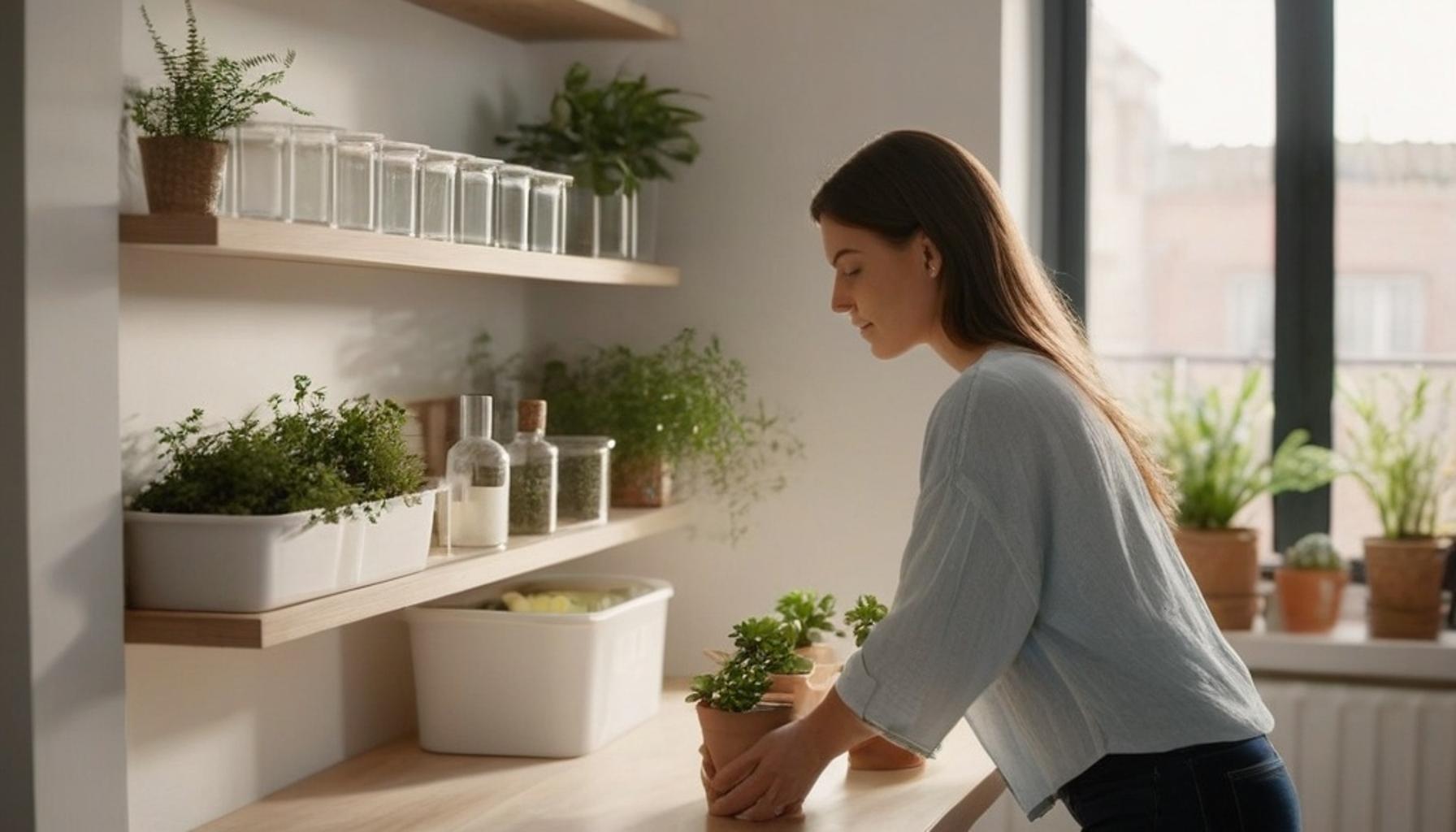
Walk into any Brooklyn studio or a cramped San Francisco walk-up, and you’ll notice a common enemy: horizontal square footage is nonexistent. This is precisely why savvy homeowners and renters alike are turning their attention upward. One of the most effective decluttering storage hacks gaining traction across American cities is vertical storage—a method that treats your walls as valuable real estate rather than empty space.
Wall-mounted shelving units, floating bookcases, and pegboard systems have become staples in modern apartments, particularly in urban centers like Chicago and New York City, where every square foot commands a premium. Instead of cramming belongings into overstuffed closets, minimalists are installing shelving that stretches toward the ceiling, effectively doubling their usable storage without expanding their footprint.
Practical Applications for Vertical Storage
Consider these efficient storage solutions that homeowners across the country are implementing:
- Over-the-door organizers for bathrooms and pantries, which utilize otherwise wasted space. These handy racks can house everything from cleaning supplies to kitchen spices, turning an often neglected area into a thriving storage hub.
- Tall, narrow bookcases placed in hallways or corners to store books, decor, and bins. These versatile units can serve as a focal point in any room while also maximizing the vertical space available.
- Wall-mounted pegboards in kitchens for hanging pots, utensils, and even spice jars. This not only keeps frequently used items within arm’s reach but also adds an element of artistic flair to the kitchen.
- Ceiling-mounted racks in garages for storing seasonal items like holiday decorations or camping gear. Instead of setting these items in a corner to collect dust, consider overhead storage—an efficient way to keep your garage organized.
According to interior design experts featured in Architectural Digest, vertical storage can increase a room’s functional capacity by up to 30 percent, without requiring any structural renovations. This makes it an accessible option for renters who cannot alter their living spaces permanently. With retailers like IKEA and Home Depot offering a plethora of budget-friendly solutions, transforming vertical spaces has never been easier.
Why This Matters for Your Wallet and Your Mind
The benefits of decluttering through vertical organization extend beyond simple aesthetics. When every item has a designated, visible spot, the mental burden of searching for lost belongings diminishes significantly. The psychological advantages of an organized space are well documented; studies suggest that clarity within your environment can enhance focus and boost productivity. This aligns with broader findings on how to declutter your home effectively: visibility and accessibility reduce daily decision fatigue, making life just a little bit easier.
Financially, vertical storage solutions often cost less than expanding square footage or renting additional storage units. A simple floating shelf can be priced between fifteen and forty dollars at most home goods stores, which is a far cry from the monthly fee associated with a storage unit that might otherwise cost over one hundred dollars. Investing in vertical solutions can yield substantial savings over time.
For those genuinely committed to organizing for minimalism, the lesson is clear: look up before looking outward. Your ceiling might hold the answer to your clutter problem. As space becomes increasingly scarce in urban areas, innovative uses of vertical storage will not merely be a trend but a necessary lifestyle adaptation. Embracing this approach not only provides an effective way to manage your belongings but also helps foster a sense of peace and order in your living environment. By effectively utilizing every inch of your vertical space, you are making a substantial shift towards a more organized and sustainable life.
DIVE DEEPER: Click here to discover minimalist kitchen ideas
Multi-Functional Furniture: The Secret Weapon of Space-Savvy Living
In a world where space is at a premium, especially in urban environments, the concept of multi-functional furniture is becoming an integral part of modern life. This innovative category of furniture does more than fulfill a singular purpose; it addresses multifunctionality, smart design, and efficient use of limited space, making it a popular choice among today’s savvy homeowners and renters. Cities like Austin and Seattle serve as prime examples of this trend, as residents increasingly turn to micro-apartments and accessory dwelling units tailored for compact living.
Rather than treating furniture as static, one-dimensional pieces, individuals are becoming increasingly intentional with their choices, seeking out items that serve dual or even triple functions. This evolution underscores a larger movement toward minimalism and conscious living—one of the most effective minimalist lifestyle tips in contemporary home design.
Furniture That Works Harder Than You Do
There is a wealth of innovative designs available that challenge the traditional notions of furniture utility. Here are some standout examples effectively reshaping how people utilize efficient storage solutions in their homes:
- Storage ottomans: These versatile pieces do double duty as coffee tables and footrests while providing hidden compartments for items such as blankets, magazines, or toys. Some versions even convert into additional seating for those impromptu gatherings, making them a fantastic asset for any living room.
- Platform beds with built-in drawers: By integrating storage directly into the bed frame, platform beds eliminate the need for bulky dressers, freeing up valuable floor space in small bedrooms. This can make a small room feel significantly larger and less cluttered.
- Expandable dining tables: Perfect for studio apartments, these tables can fold away against a wall when they aren’t in use. They become invaluable during holiday dinners or casual get-togethers, allowing a small space to accommodate guests without compromising its everyday utility.
- Modular sofas with hidden storage: Many modern sofas now come equipped with concealed compartments beneath the cushions. This feature is ideal for storing seasonal linens, board games, or even electronics that rarely see the light of day, thus maximizing both comfort and functionality.
Leading furniture retailers like West Elm and CB2 have embraced this trend, greatly expanding their ranges of multi-functional furniture over the last several years. This response isn’t merely anecdotal; a 2023 survey from the National Association of Home Builders revealed that nearly 62 percent of buyers under age 40 prioritize flexible, space-saving furniture when they are on the hunt for new homes or apartments. The demand speaks volumes about changing consumer preferences toward adaptable living environments.
The Ripple Effect on Daily Life
Integrating multi-functional furniture into the home goes beyond mere aesthetics or convenience; it instills a mindset of intentionality that permeates daily life. With every new item needing to justify its presence in a limited space, the likelihood of impulse purchases diminishes significantly. This shift encourages a more thoughtful approach to consumerism, which can be a key player in the broader strategy for how to declutter your home.
Moreover, this intentionality has a positive environmental impact. The Environmental Protection Agency estimates that Americans discard roughly 12 million tons of furniture annually. By opting for versatile, long-lasting pieces designed specifically for smaller living spaces, individuals can reduce this waste substantially. Each choice can contribute to a larger movement towards sustainability, helping to conserve resources and lessen our collective footprint.
For those committed to organizing for minimalism, the allure of multi-functional furniture extends far beyond practical storage solutions. It poses a significant challenge to the belief that more square footage equates to more comfort. In reality, innovative design can achieve the same level of comfort and functionality in significantly reduced spaces, often at more affordable prices. Thus, multi-functional furniture isn’t just a trend; it’s a revolution in the way we live, proving that less can indeed be more.
DISCOVER: Click here for minimalist kitchen inspiration
Bringing It All Together: Your Path to a Clutter-Free Life
From reimagining furniture to rethinking daily habits, the journey toward a simplified home is less about drastic overhauls and more about consistent, intentional choices. Throughout this exploration, one truth becomes clear: effective decluttering storage hacks are not one-size-fits-all solutions but adaptable strategies that meet people where they live, whether in a downtown Chicago high-rise or a suburban Ohio ranch home.
The numbers tell a compelling story. With 62 percent of younger buyers actively seeking space-saving furniture and Americans discarding 12 million tons of furniture each year, it’s evident that the shift toward minimalism is both a personal and environmental imperative. These aren’t just design choices; they represent a broader cultural recalibration toward mindful living.
Small Changes, Lasting Impact
Anyone wondering how to declutter your home effectively should recognize that success rarely happens overnight. It builds through small, repeated actions: choosing a storage ottoman over a decorative side table, opting for a platform bed instead of a bulky dresser, or simply pausing before making a purchase to ask whether an item truly earns its place.
The benefits of decluttering extend well beyond tidier closets and organized drawers. Reduced clutter has been linked to lower stress levels, improved focus, and even better sleep quality, according to research from the Journal of Environmental Psychology. A simplified space often translates to a simplified mind.
Moving Forward with Purpose
For those serious about organizing for minimalism, the takeaway is straightforward: efficiency and intention go hand in hand. Every multi-functional piece of furniture, every donated box of unused items, and every thoughtful purchase contributes to a home that works harder and feels lighter.
Ultimately, embracing these minimalist lifestyle tips isn’t about deprivation—it’s about designing a life where every object, every square foot, and every decision serves a clear purpose. As more Americans discover the freedom found in less, decluttering is proving to be less of a trend and more of a lasting lifestyle shift worth investigating further.
Frequently Asked Questions
What are some effective decluttering storage hacks for small apartments?
For small apartments, utilize vertical space by installing shelves or hooks on walls. Consider under-bed storage bins for seasonal items, and opt for multi-functional furniture, like ottomans with hidden storage. Additionally, using clear containers can help you see what you have, making it easier to maintain an organized space.
How can I declutter my home office with effective storage solutions?
To declutter your home office, start by sorting paperwork into categories and use file organizers or binders to keep everything neat. Implement drawer organizers for pens, sticky notes, and other supplies, and consider using a pegboard to hang items like scissors or tapes. Regularly assessing what you truly need can also help maintain a clutter-free environment.
What storage hacks can help me minimize kitchen clutter?
To minimize kitchen clutter, utilize clear stackable containers for pantry items to optimize space and visibility. Install door-mounted racks on cabinets for spices or utensils, and use drawer dividers to keep utensils sorted and easily accessible. Implementing a “first in, first out” system can also help manage ingredients effectively.
How can I ensure my decluttering storage hacks are sustainable long-term?
To ensure your decluttering storage hacks are sustainable, establish a habit of regular decluttering sessions, such as every season. Invest in high-quality storage solutions that will last, and always assess items to decide if you truly need them before bringing new items into your space. Additionally, adopt the one-in-one-out rule to maintain balance in your belongings.

Beatriz
Beatriz Johnson is a seasoned minimalist and writer with a passion for simplifying the complexities of personal organization and intentional living. With over a decade of experience in decluttering strategies and mindful consumption, she specializes in topics like space optimization, habit simplification, and sustainable lifestyle choices. Through her work on our website, Beatriz empowers readers to embrace minimalism, reduce mental and physical clutter, and create more meaningful, organized lives in today's fast-paced world.