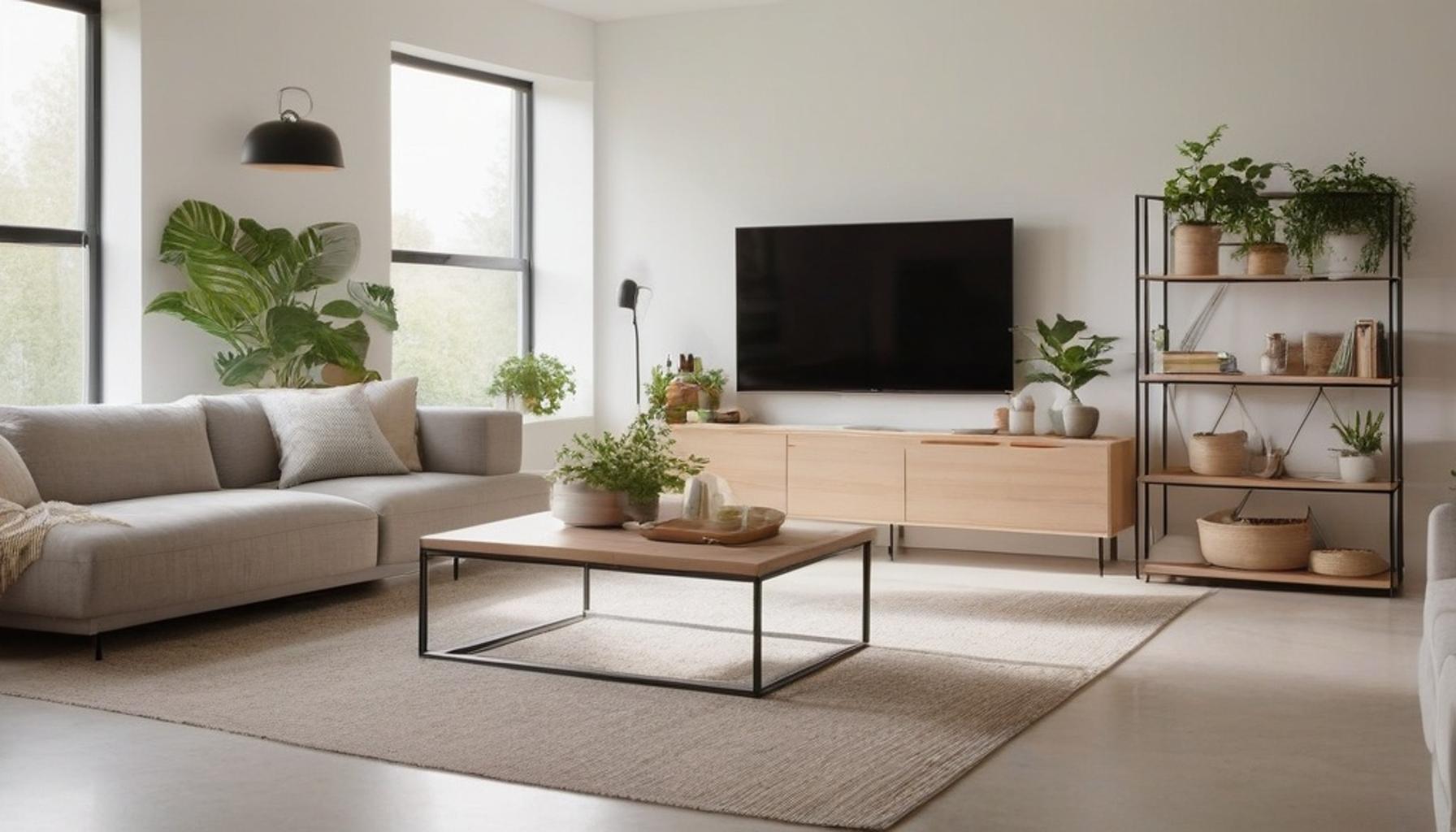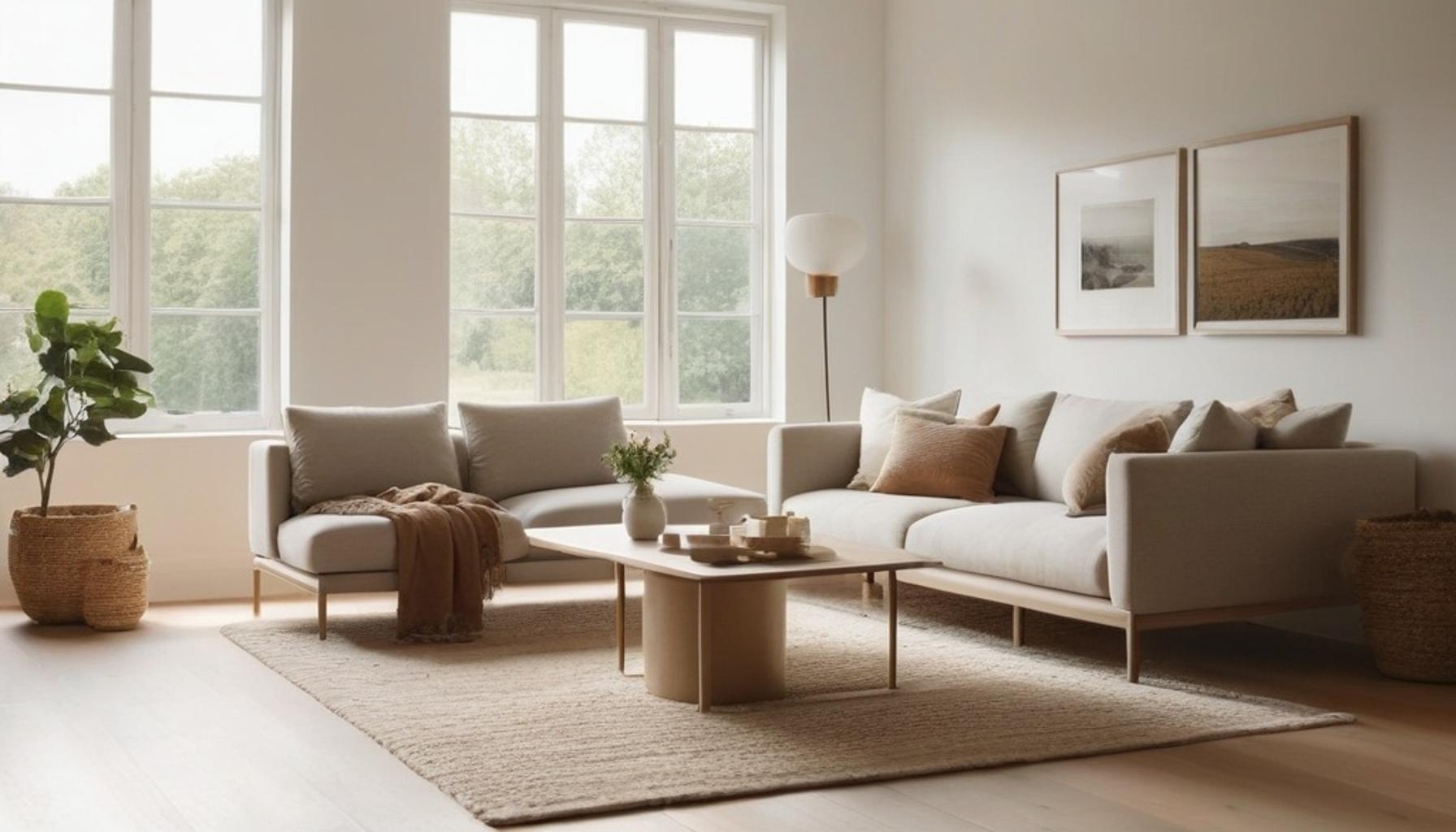
The Minimalist Mindset: Simplifying Your Home and Life with Efficient Storage Hacks
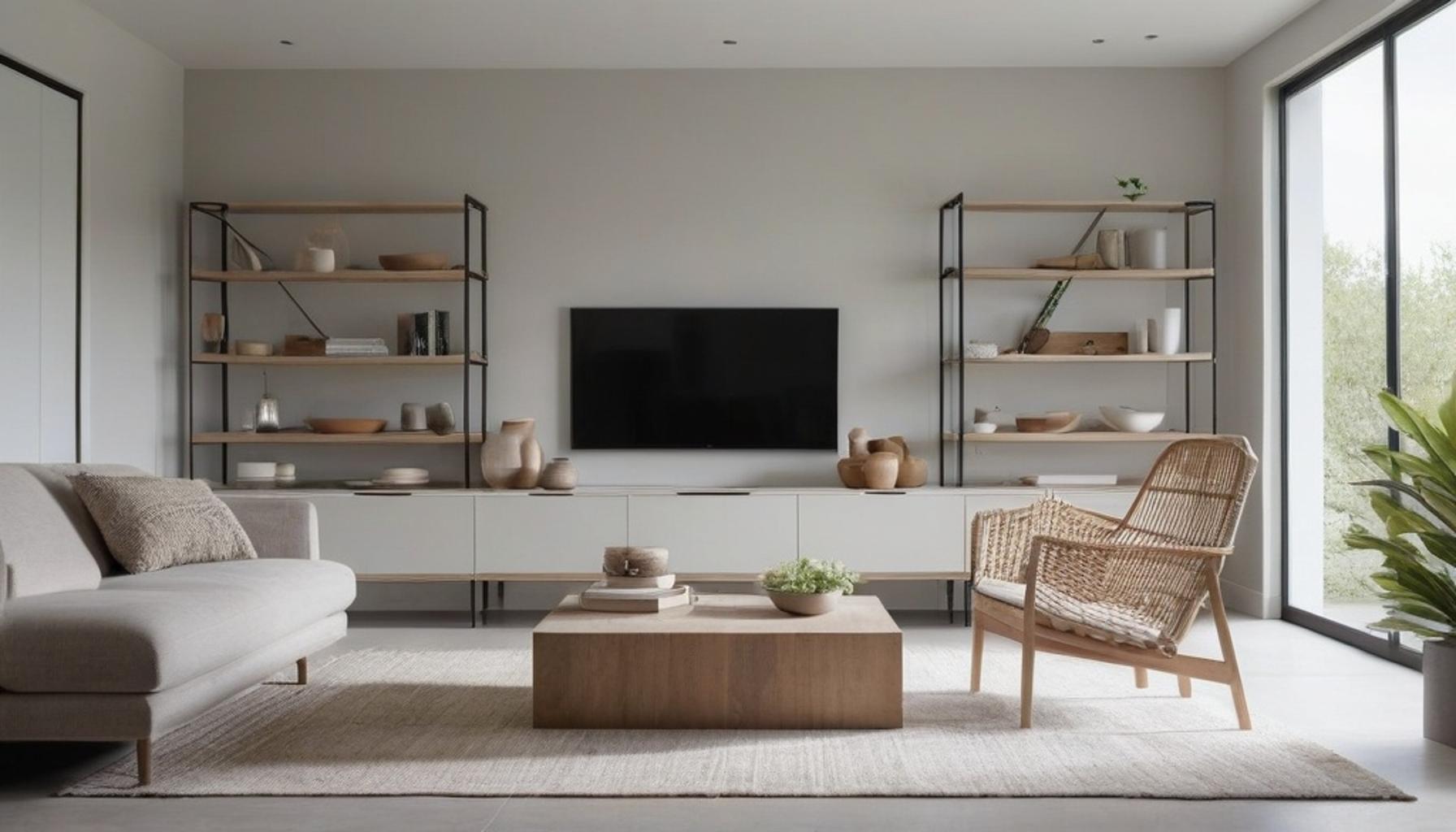
Across the United States, the phenomenon of clutter has reached staggering levels; closets are overflowing, garages have become storage units, and the average American household contains over 300,000 items, as per organizational experts. It’s evident that a minimalist mindset is gaining traction in cities from Seattle to Miami. This trend isn’t merely about adopting a stark, empty aesthetic—rather, it’s about fostering intentional living by simplifying your home environment so it enriches and serves your daily life.
The Clutter Problem Is Bigger Than You Think
The implications of clutter go far beyond a messy living space. Consider these eye-opening statistics:
- The self-storage industry in the U.S. is worth over $40 billion annually, reflecting the cultural obsession with accumulating possessions.
- The average American spends 2.5 days per year searching for misplaced items, a staggering amount of time that could be better spent on enjoyable activities.
- Research from UCLA indicates that homes with more clutter present measurably higher cortisol levels in their occupants, suggesting that disorganization increases stress.
These numbers reveal an important truth: disorganization isn’t merely an aesthetic issue; it’s a stress multiplier that can impact mental and emotional well-being. When living spaces are cluttered, so too can our minds become cluttered, leading to feelings of overwhelm.
What This Article Will Cover
Adopting a minimalist lifestyle does not necessitate an overnight purge of all your belongings. Rather, it starts with mindful and strategic changes that can be implemented gradually. This guide aims to help you navigate the transition with ease and effectiveness.
In the sections ahead, you’ll uncover:
- Practical decluttering tips tailored for even the busiest households, ensuring that everyone can take steps towards a more organized life.
- Efficient storage hacks that utilize vertical space, multi-purpose furniture, and hidden compartments, maximizing the utility of every inch of your home.
- Room-by-room home organization ideas that cater to a range of living situations, from cozy apartments to spacious houses.
- Budget-friendly solutions requiring minimal time and effort, perfect for those avoiding costly renovations.
Whether you’re downsizing your space or simply craving more breathing room in your current home, this guide offers realistic, actionable strategies. The ultimate goal is to cultivate a home that feels lighter—allowing both the space and your mind to achieve a sense of peace and clarity.
DISCOVER: Click here to explore minimalist kitchen ideas
Understanding the Minimalist Mindset Before You Start Organizing
Before diving into bins, shelves, and label makers, it’s worth pausing to understand what actually drives a minimalist mindset. Too often, people jump straight into buying storage containers without addressing the root of the problem: the sheer volume of items entering the home in the first place.
A true minimalist lifestyle isn’t about deprivation. It’s about intentionality—asking whether each item in your home earns its place, whether through function, joy, or necessity. This shift in thinking is what separates a temporary tidy-up from lasting, sustainable organization.
Why Storage Solutions Alone Won’t Fix the Problem
Many households fall into what organizing professionals call the “container trap.” This happens when people purchase more storage products believing that better bins will solve their clutter issues, when in reality, the core issue is overconsumption.
Consider these findings from professional organizers across the country:
- The average American home has grown by nearly 1,000 square feet since the 1970s, yet clutter has increased proportionally, suggesting more space simply invites more accumulation.
- Nearly 25% of people with two-car garages cannot park a single vehicle inside due to stored belongings, according to the U.S. Department of Energy.
- A significant portion of items purchased for organization—such as extra bins and baskets—end up unused or stored empty within a year.
This data underscores an essential truth: efficient storage hacks are most effective when paired with genuine decluttering, not as a substitute for it. Buying more containers to house excess belongings only postpones the inevitable reckoning with what you truly need.
The Psychological Shift That Makes Minimalism Stick
Adopting decluttering tips that last requires a mental shift, not just a physical one. Behavioral researchers point to a concept called “decision fatigue,” where the constant management of excess possessions drains cognitive energy throughout the day.
By reducing the number of items you own, you also reduce the number of decisions you must make daily—what to wear, where to put things, what needs cleaning. This is why many who commit to home organization ideas rooted in minimalism report feeling mentally lighter within weeks, not months.
The following sections will explore how to translate this mindset into tangible action, starting with the most overwhelming spaces in your home.
DISCOVER: Click here to dive into minimalist kitchen ideas
Room-by-Room Strategies for Tackling Clutter Hotspots
Once the mental groundwork is laid, the next step in embracing a minimalist mindset is identifying which rooms demand attention first. Not all spaces accumulate clutter equally, and professional organizers agree that starting with the highest-traffic areas yields the fastest visible results.
The Kitchen: America’s Most Cluttered Command Center
Kitchens consistently rank as the most overstuffed rooms in American homes. Between gadgets used once a year and mismatched food storage containers, the average kitchen drawer contains items that haven’t been touched in over 18 months, according to organizing industry surveys.
Effective efficient storage hacks for kitchens include:
- Installing pull-out drawer dividers instead of stacking cookware, which cuts search time and reduces damage to nonstick surfaces.
- Using clear, uniform containers for pantry staples—a technique that not only simplifies inventory checks but also makes expired goods immediately visible.
- Mounting vertical rail systems on interior cabinet doors to store lids, cutting boards, and baking sheets that typically consume drawer space.
Closets and Bedrooms: The 80/20 Wardrobe Rule
Clothing closets present a unique challenge tied directly to simplifying your home. Data from wardrobe consultants suggests most people wear only 20% of their clothing 80% of the time, leaving the remaining garments as passive clutter.
A practical approach involves the “reverse hanger method,” where all hangers face backward at the start of the season. After wearing an item, the hanger is turned the correct way. Within three to six months, this visually reveals exactly what’s being used—and what isn’t.
The Garage and Storage Areas: Confronting the Overflow Zone
Garages often become the default dumping ground for items without a clear home. Yet transforming this space is one of the most rewarding home organization ideas homeowners can pursue.
Wall-mounted pegboards, ceiling-mounted racks for seasonal items, and labeled bin systems organized by category—not by room of origin—can reclaim significant square footage. Some organizers report garage reorganization projects freeing up enough space to restore full vehicle parking, addressing that earlier statistic about unused two-car garages.
Digital Clutter: The Often-Overlooked Frontier
A modern minimalist lifestyle extends beyond physical belongings. Overflowing email inboxes, disorganized cloud storage, and thousands of duplicate photos create digital clutter that mirrors physical chaos.
Simple practices—unsubscribing from unnecessary mailing lists, consolidating cloud accounts, and scheduling monthly photo purges—apply the same decluttering tips used at home to digital spaces, reinforcing the mindset across every part of daily life.
Bringing It All Together: A Lasting Minimalist Mindset
Adopting a minimalist mindset isn’t about achieving a sparse, magazine-worthy interior overnight. It’s a gradual recalibration of how Americans relate to their belongings, their spaces, and ultimately their time.
From the kitchen drawers holding forgotten gadgets to the garage swallowed by boxes nobody has opened in years, clutter tends to follow predictable patterns. Recognizing those patterns is half the battle.
Small Systems, Significant Returns
The efficient storage hacks outlined throughout this guide—pull-out dividers, reverse hanger tricks, labeled bins, digital purges—share a common thread. Each requires minimal investment but delivers outsized returns in daily convenience.
Research from the National Association of Productivity and Organizing Professionals suggests Americans spend an average of 2.5 days annually searching for misplaced items. That figure alone makes a strong case for simplifying your home sooner rather than later.
A Mindset, Not a One-Time Project
Perhaps the most important takeaway is that organization isn’t a single weekend project—it’s an ongoing practice. Seasonal check-ins, quarterly closet reviews, and monthly digital cleanups keep clutter from creeping back in.
Those committed to a genuine minimalist lifestyle often report unexpected benefits beyond tidiness: reduced decision fatigue, lower household stress, and even measurable savings from buying less and reusing more.
Ultimately, the most effective home organization ideas aren’t found in expensive containers or trendy products, but in consistent habits. Whether tackling one drawer or an entire garage, the right decluttering tips applied consistently can transform not just a house, but the way its occupants experience daily life.
Frequently Asked Questions
How can adopting a minimalist mindset improve my daily routine?
Adopting a minimalist mindset can streamline your daily routine by reducing clutter and distractions in your environment. This allows you to focus on what truly matters, making your tasks feel less overwhelming and helping you prioritize your time and energy more effectively.
What are some effective storage hacks to embrace minimalism in a small space?
In a small space, consider utilizing vertical storage solutions like wall shelves and hooks. Additionally, opt for multifunctional furniture, such as ottomans with hidden storage, and use clear bins for organizing items while maintaining visibility for easy access.
How do I determine what items to keep when trying to adopt a minimalist mindset?
To determine what to keep, evaluate each item’s usefulness and emotional significance. Apply the ‘one-year rule’ – if you haven’t used it in the last year, it’s likely safe to let it go. This approach encourages intentionality in your possessions.
What role does the minimalist mindset play in reducing environmental impact?
The minimalist mindset encourages individuals to consume less and prioritize quality over quantity, which inherently reduces waste and environmental impact. By focusing on the essentials, you contribute to a more sustainable lifestyle by minimizing the demand for mass-produced goods.
Can adopting a minimalist mindset lead to financial benefits?
Yes, adopting a minimalist mindset can lead to significant financial benefits by encouraging you to make mindful purchasing decisions and prioritize savings. By reducing impulse buys and focusing on needs rather than wants, you can allocate more resources toward long-term financial goals.

Beatriz
Beatriz Johnson is a seasoned minimalist and writer with a passion for simplifying the complexities of personal organization and intentional living. With over a decade of experience in decluttering strategies and mindful consumption, she specializes in topics like space optimization, habit simplification, and sustainable lifestyle choices. Through her work on our website, Beatriz empowers readers to embrace minimalism, reduce mental and physical clutter, and create more meaningful, organized lives in today's fast-paced world.