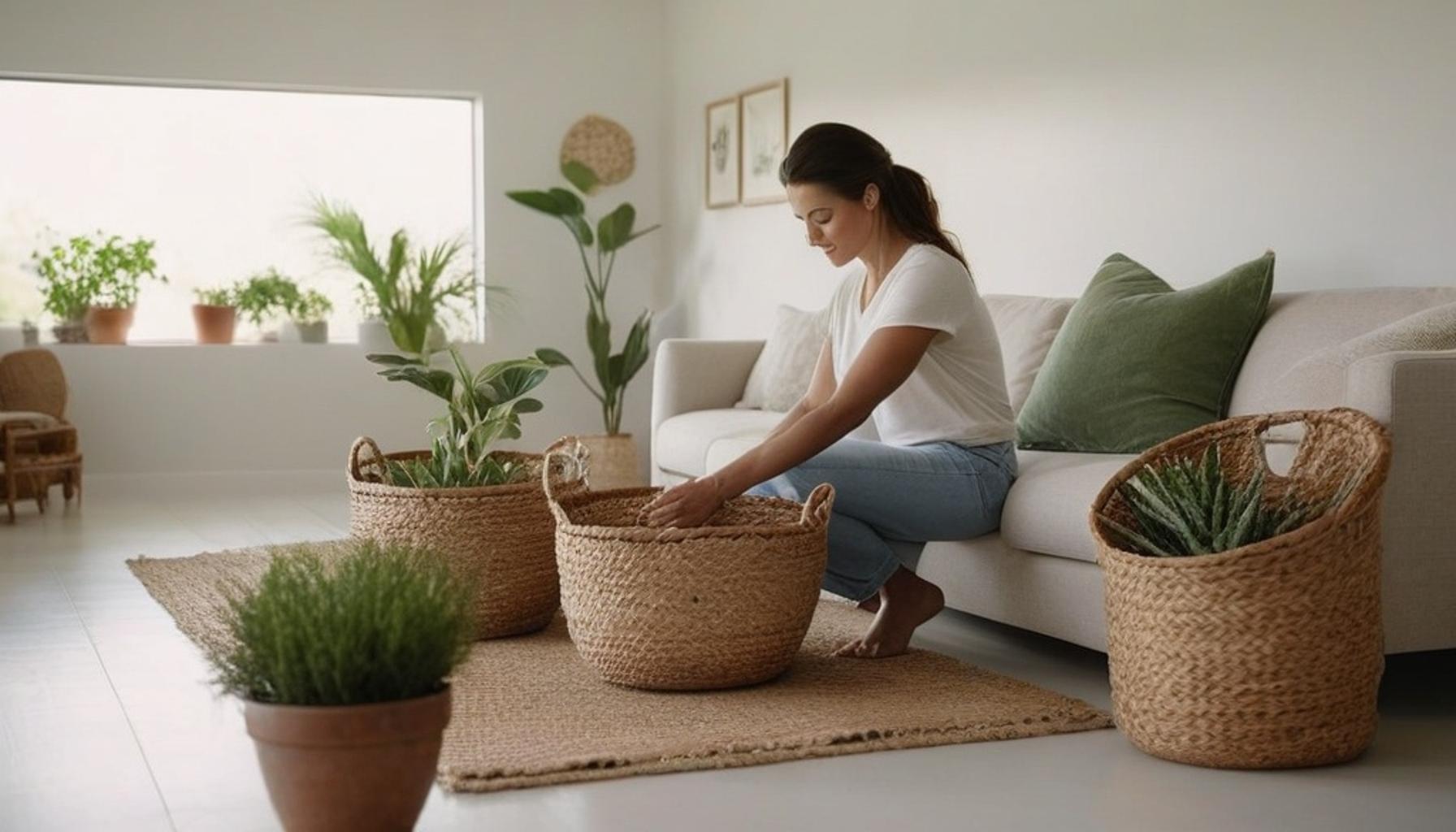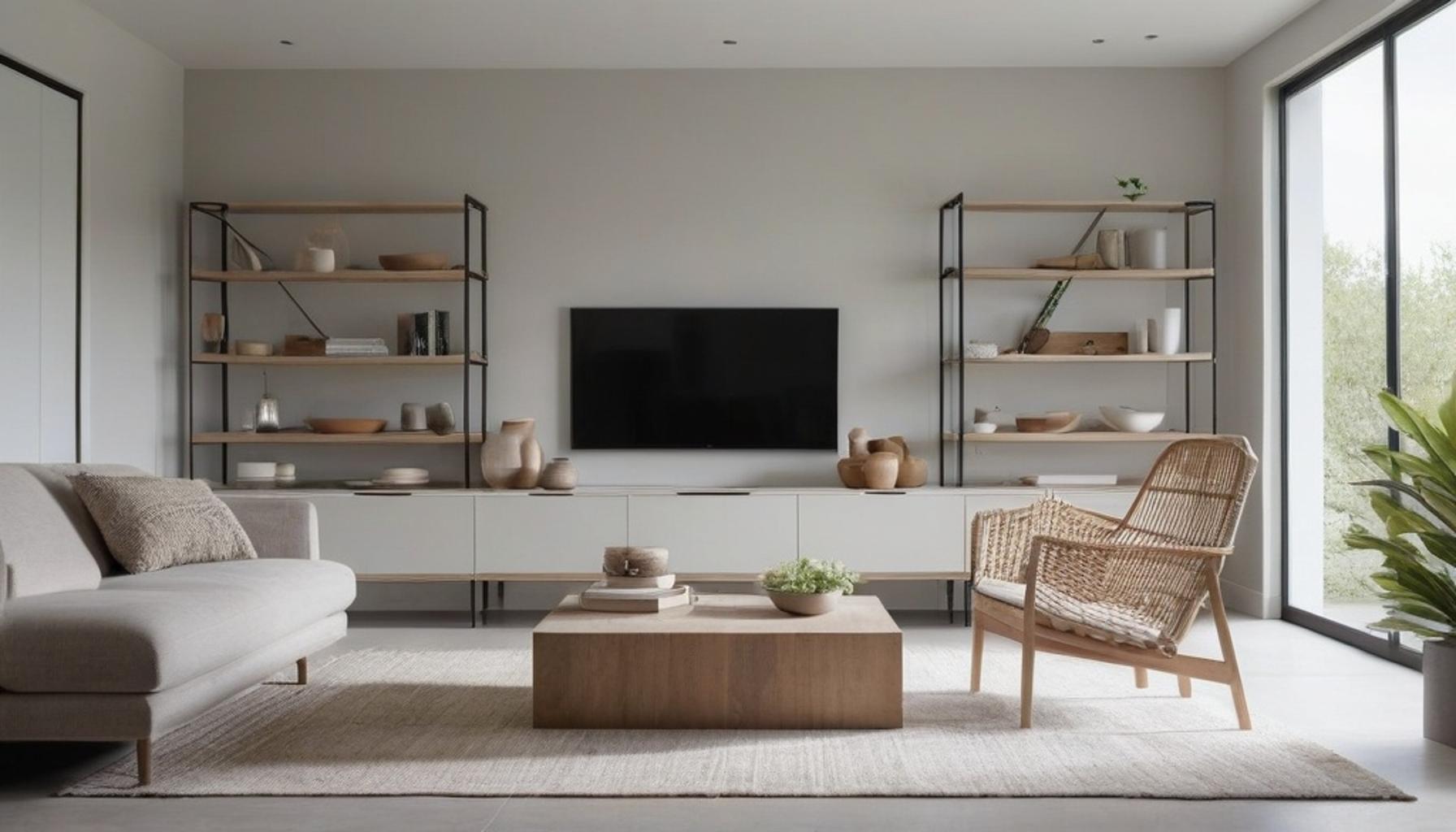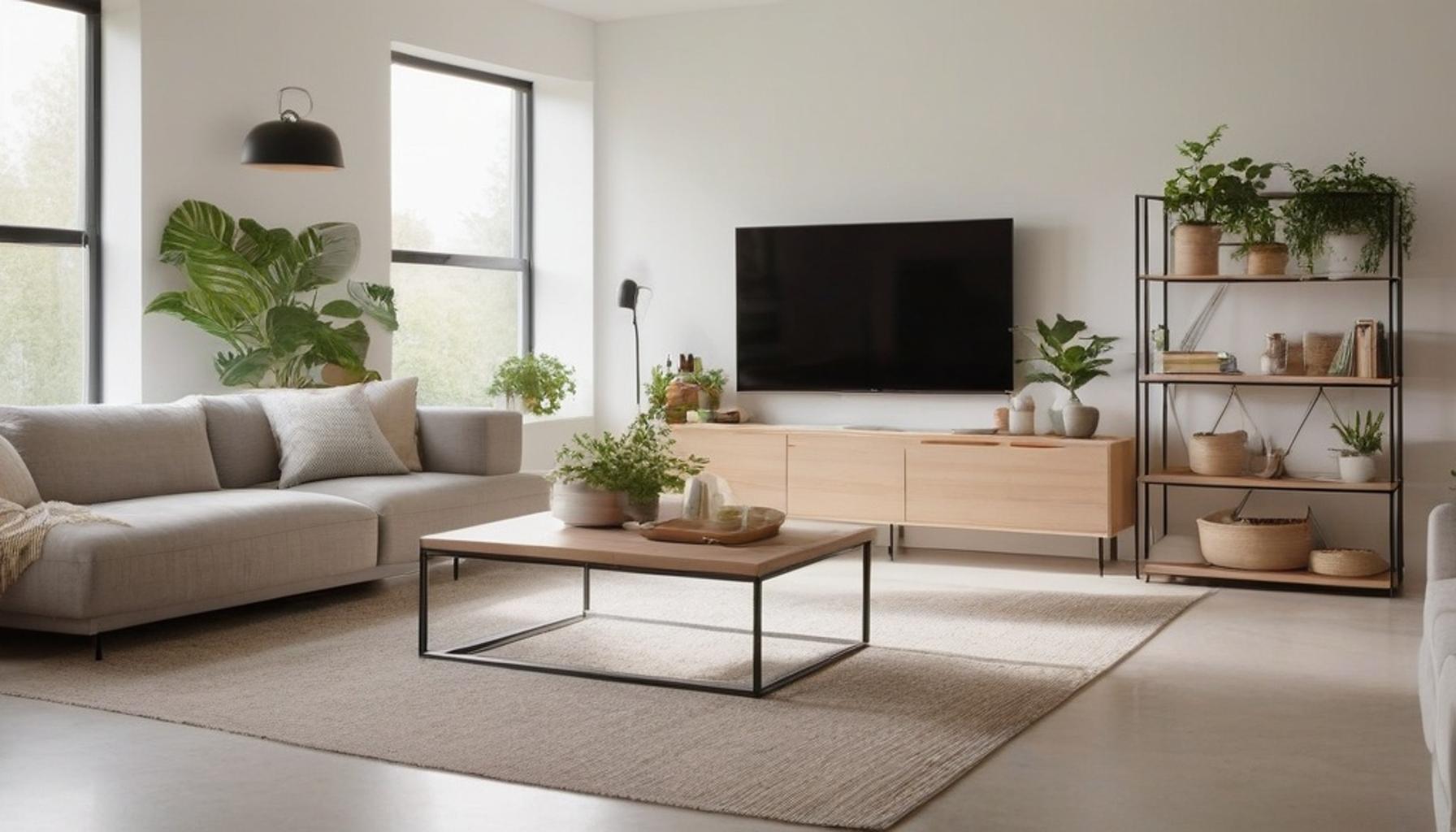
Intentional Living Through Effective Room Organization: Tips for Every Space
The Impact of Your Surroundings on Mental Well-being
The average American spends nearly 90% of their time indoors, according to the Environmental Protection Agency (EPA). This staggering statistic underscores why the condition of our indoor spaces significantly influences our mental and emotional states. Consider how clutter, disorganized furniture, and a chaotic layout can subtly sap energy, create distractions, and foster feelings of overwhelm. These elements not only impact functionality but can also contribute to anxiety and stress, with long-term exposure leaving deep psychological imprints.
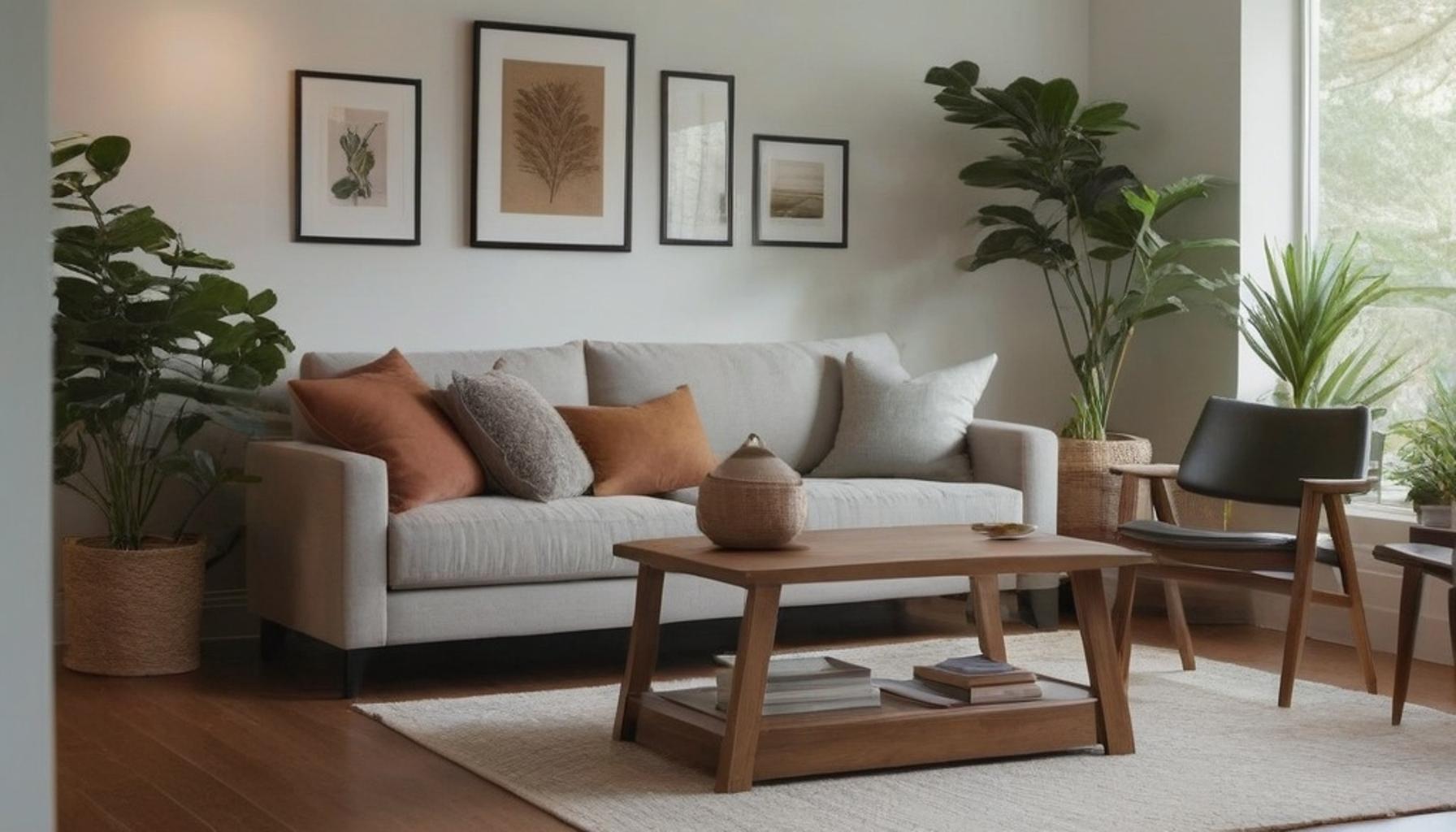
To combat these effects, the concept of Intentional Living Room Organization emerges as a powerful solution. This approach goes beyond mere aesthetics; it is about making conscious choices for every shelf, drawer, and corner in your home. The aim is not to adhere strictly to minimalism but to design spaces that reflect personal values and promote desired lifestyles. For instance, think of a living room that invites relaxation with comfortable seating, muted colors, and a harmonious arrangement. Every object serves a purpose and contributes to an atmosphere of tranquility.
What You Will Discover Here
From snug city apartments to expansive suburban homes, the principles of purposeful organization transcend size and style. This article provides a roadmap of practical, research-backed strategies designed to transform any room into a sanctuary of calm and functionality.
- Tips for room organization that are universally applicable, ensuring your space feels inviting regardless of its dimensions.
- Strategies for organizing small spaces, utilizing vertical storage and multi-functional furniture to maximize utility without sacrificing style.
- Effective home organization systems aimed at significantly reducing daily decision fatigue, allowing you to focus on what truly matters.
- Intentional living strategies that help align your environment with your personal and professional goals, promoting productivity and well-being.
- Room organization ideas specifically curated for different areas of the home, including kitchens, bedrooms, and home offices, addressing their unique challenges and opportunities.
Consider this guide a flexible toolkit rather than a rigid rulebook. By the conclusion, you will possess a wealth of actionable methods to transform your cluttered spaces into serene, purposeful environments—whether it’s refreshing a single drawer or reimagining an entire room. Such small yet significant changes can have a profound impact on your daily life, leading not just to enhanced organization but to greater peace of mind and fulfillment in your living space.
DISCOVER: Click here to dive into minimalist kitchen ideas
# Understanding the Core Principles of Intentional Living Room OrganizationBefore rearranging a single cushion, it helps to understand the philosophy driving this movement. Intentional Living Room Organization isn’t a fleeting design trend—it’s a deliberate methodology rooted in behavioral psychology and spatial design. The goal is simple: every item in your space should earn its place by serving a clear function or bringing genuine value to your life.This differs sharply from generic tidying advice you might find scrolling through social media. While quick decluttering hacks offer temporary satisfaction, intentional organization asks deeper questions. Why does this object exist in your space? Does it align with how you actually want to live?## The Three Pillars of Purposeful SpacesProfessional organizers and interior designers consistently point to three foundational elements when discussing effective home organization:
- Purpose-driven placement: Items should live where they’re used most, reducing unnecessary movement and decision-making throughout your day.
- Visual breathing room: Research from Princeton University’s Neuroscience Institute found that visual clutter competes for attention, literally reducing your brain’s ability to focus and process information efficiently.
- Emotional resonance: Spaces should reflect who you are now, not who you were five years ago or who you think you should be.
These pillars work together, not independently. A beautifully organized bookshelf loses its power if it’s positioned where you never actually read.## Why Traditional Organizing Methods Often Fall ShortMany Americans have tried the popular organizing systems—color-coded bins, labeled baskets, elaborate filing systems—only to watch their space slide back into chaos within weeks. According to a 2023 survey by the National Association of Productivity and Organizing Professionals (NAPO), nearly 54% of Americans report feeling overwhelmed by their possessions, despite having attempted multiple organization systems.The disconnect often lies in mismatched intentions. Systems designed for someone else’s lifestyle rarely translate seamlessly into your own routines and habits.
Rethinking Your Approach
Instead of adopting a one-size-fits-all method, consider these foundational intentional living strategies as starting points:
- Audit your daily movements through each room before making changes.
- Identify which activities bring you genuine satisfaction versus which feel obligatory.
- Map storage solutions to actual usage patterns, not aspirational ones.
This groundwork transforms organization from a cosmetic fix into a lasting lifestyle shift—one where your surroundings actively support your goals rather than working against them.
DISCOVER: Click here to dive into minimalist kitchen ideas
Room-by-Room Strategies That Actually Work
Once the philosophy clicks, the next challenge is translating it into practical action. Different rooms serve different functions, which means tips for room organization can’t be copy-pasted from one space to another. What works in a home office rarely translates to a kitchen or bedroom.
Let’s break down specific approaches for the spaces Americans spend the most time in.
Living Rooms: The Multi-Purpose Challenge
Living rooms often carry the heaviest functional burden in a home—entertainment hub, workspace, playroom, and social gathering spot, sometimes all within the same afternoon.
Design experts recommend zoning this space based on activity rather than furniture alone. A 2022 Houzz survey found that 68% of homeowners who implemented activity-based zoning reported feeling calmer in shared spaces within just one month.
- Designate a specific console or basket for remote controls and electronics.
- Keep surfaces at 80% clear, leaving room for daily use items only.
- Use furniture with hidden storage to house items that don’t need daily access.
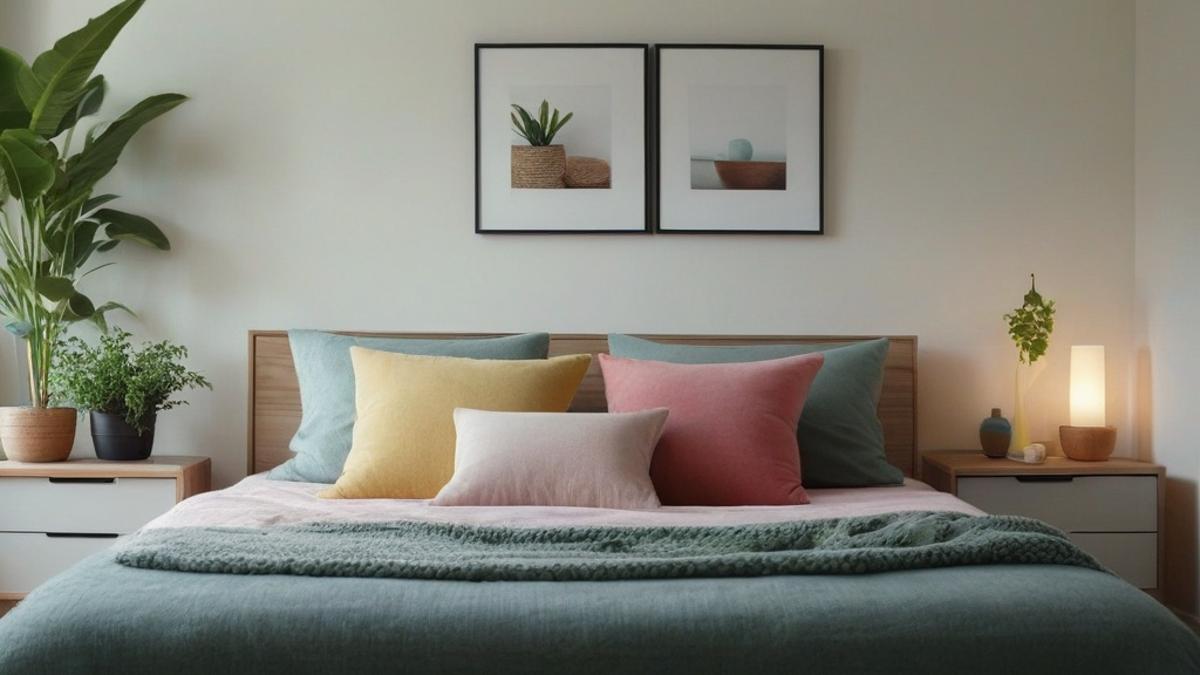
Bedrooms: Prioritizing Rest Over Everything Else
The bedroom often becomes a catch-all for laundry, unread books, and miscellaneous clutter that hasn’t found a proper home elsewhere. Yet sleep specialists consistently link visual chaos to poor sleep quality.
The National Sleep Foundation notes that bedrooms cluttered with visible items can contribute to elevated cortisol levels, making it harder to wind down at night.
Simple shifts make a measurable difference: closed storage over open shelving, nightstands limited to three or fewer items, and clothing systems that separate seasonal wear from daily rotation.
Organizing Small Spaces: Apartments and Studios
Urban dwellers face unique constraints. With average apartment sizes in cities like New York and San Francisco often under 750 square feet, organizing small spaces demands creativity rather than simply buying more storage bins.
Vertical storage becomes essential here—wall-mounted shelving, over-door organizers, and multi-functional furniture like ottomans with hidden compartments.
- Choose furniture that serves double duty, such as beds with built-in drawers.
- Utilize vertical wall space before resorting to floor-based storage.
- Rotate seasonal items to storage units or under-bed containers.
These room-specific intentional living strategies prove that effective organization isn’t about rigid rules—it’s about matching solutions to how each space genuinely functions in your daily life.
# Bringing It All Together: A Home That Works for YouEffective home organization isn’t a one-time weekend project. It’s an ongoing relationship between how you live and how your space supports that life.The living room, bedroom, and small apartment strategies outlined above share a common thread: Intentional Living Room Organization succeeds when systems match real behavior, not aspirational Pinterest boards.Consider what the data actually shows. That 68% improvement in calm from activity-based zoning wasn’t about buying new furniture—it was about rethinking how existing space gets used. Similarly, reducing bedroom clutter didn’t require a renovation budget, just closed storage and fewer nightstand items.This pattern matters. Room organization ideas that stick tend to be small, sustainable adjustments rather than dramatic overhauls that fade within weeks.For those tackling organizing small spaces, the lesson extends beyond square footage. Even homeowners with ample room benefit from vertical thinking and multi-functional furniture—it’s not just an apartment-dweller’s necessity.A few final considerations worth exploring:
- Revisit your systems seasonally, since life changes and organization should too.
- Track which zones feel chaotic after 30 days—that’s diagnostic information, not failure.
- Involve everyone in the household, since single-person organizing rarely survives shared living.
Ultimately, intentional living strategies aren’t about achieving a magazine-perfect home. They’re about reducing daily friction so your environment supports your actual priorities—rest, focus, connection—rather than working against them.The research keeps pointing to the same conclusion: organized spaces correlate with reduced stress and better daily function. Whether that’s reason enough to finally tackle that hallway closet is, as always, up to you.
Frequently Asked Questions
What are some practical tips for intentional living room organization?
To achieve intentional living room organization, start by decluttering and keeping only items that serve a purpose or bring you joy. Use designated zones for different activities, such as reading or entertaining, and invest in multifunctional furniture to maximize space. Regularly reassess your layout and decorations to ensure they align with your lifestyle and needs.
How can I choose the right storage solutions for my living room?
Selecting the right storage solutions involves assessing your specific needs and available space. Consider using stylish baskets for loose items, shelves for books and decor, and ottomans with hidden storage for additional seating. Ensure that the storage options blend with your overall decor for a cohesive and intentional look.
What role does minimalism play in intentional living room organization?
Minimalism emphasizes simplicity and intentionality, which are key components of an organized living room. By paring down to essential items and design elements, you create a serene and purposeful environment that encourages mindfulness and ease. This approach not only reduces clutter but also enhances your space’s aesthetic appeal.
How can I maintain an organized living room over time?
To maintain an organized living room, establish a routine for regular cleaning and decluttering, ideally on a weekly basis. Encourage family members to adopt habits that prioritize keeping the space tidy, and have designated places for all items to prevent disorder. Reassessing your organization strategy every few months can also help keep your living room aligned with your intentional living goals.
Are there specific organizational tools I should invest in for my living room?
Invest in versatile tools such as shelving units, decorative boxes, and drawer organizers to enhance your living room organization. Wall-mounted racks or hooks can help maximize vertical space for items like coats or bags. Prioritize quality over quantity to ensure that your organizational tools serve you well and add to the aesthetics of your room.
Can intentional living room organization improve my mental well-being?
Yes, intentional living room organization can significantly enhance your mental well-being. A well-organized space can reduce stress and anxiety by creating a peaceful and harmonious environment. Additionally, having a designated area for relaxation and creativity fosters mindfulness, contributing positively to your overall mental health.

Beatriz
Beatriz Johnson is a seasoned minimalist and writer with a passion for simplifying the complexities of personal organization and intentional living. With over a decade of experience in decluttering strategies and mindful consumption, she specializes in topics like space optimization, habit simplification, and sustainable lifestyle choices. Through her work on our website, Beatriz empowers readers to embrace minimalism, reduce mental and physical clutter, and create more meaningful, organized lives in today's fast-paced world.