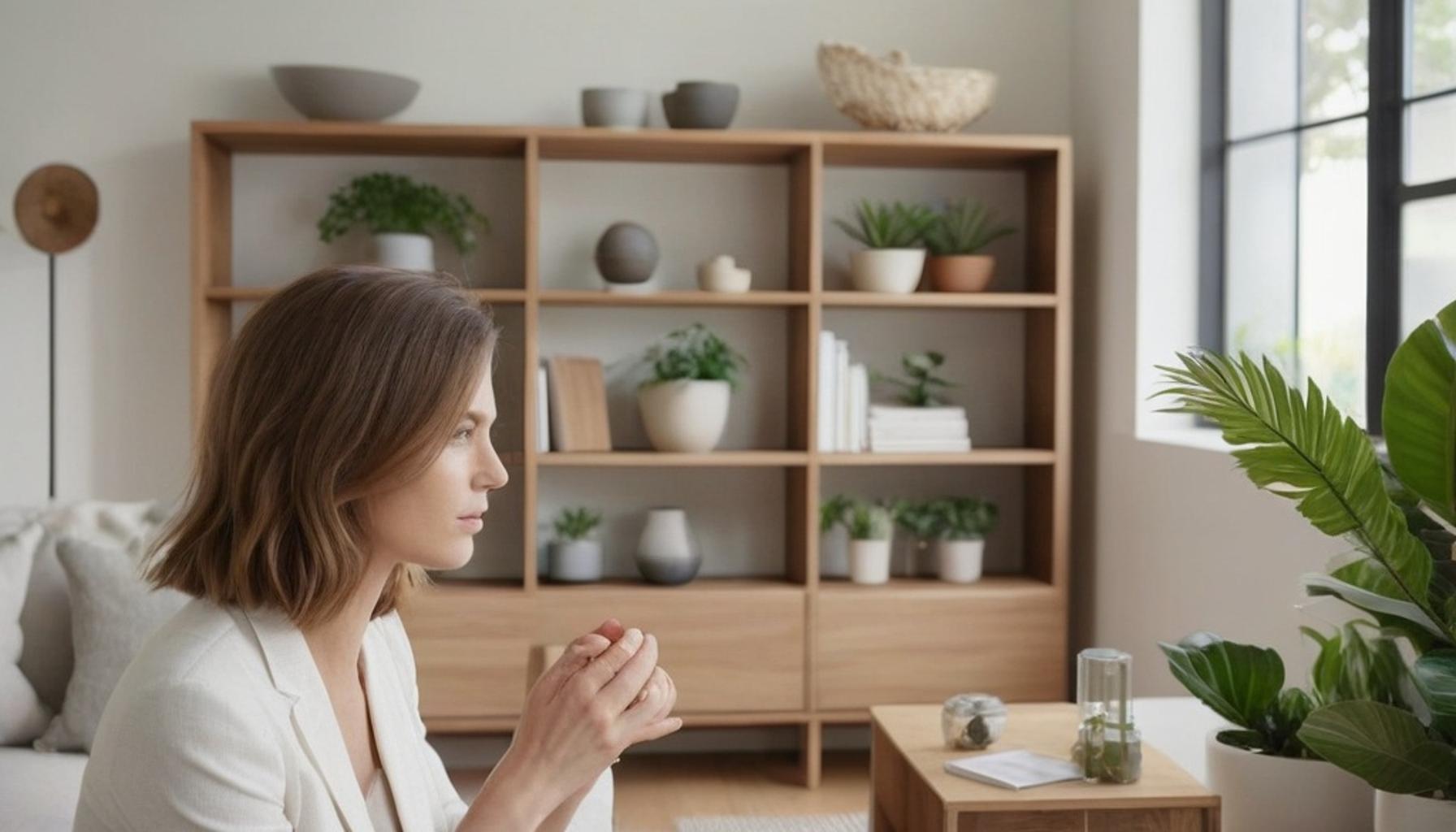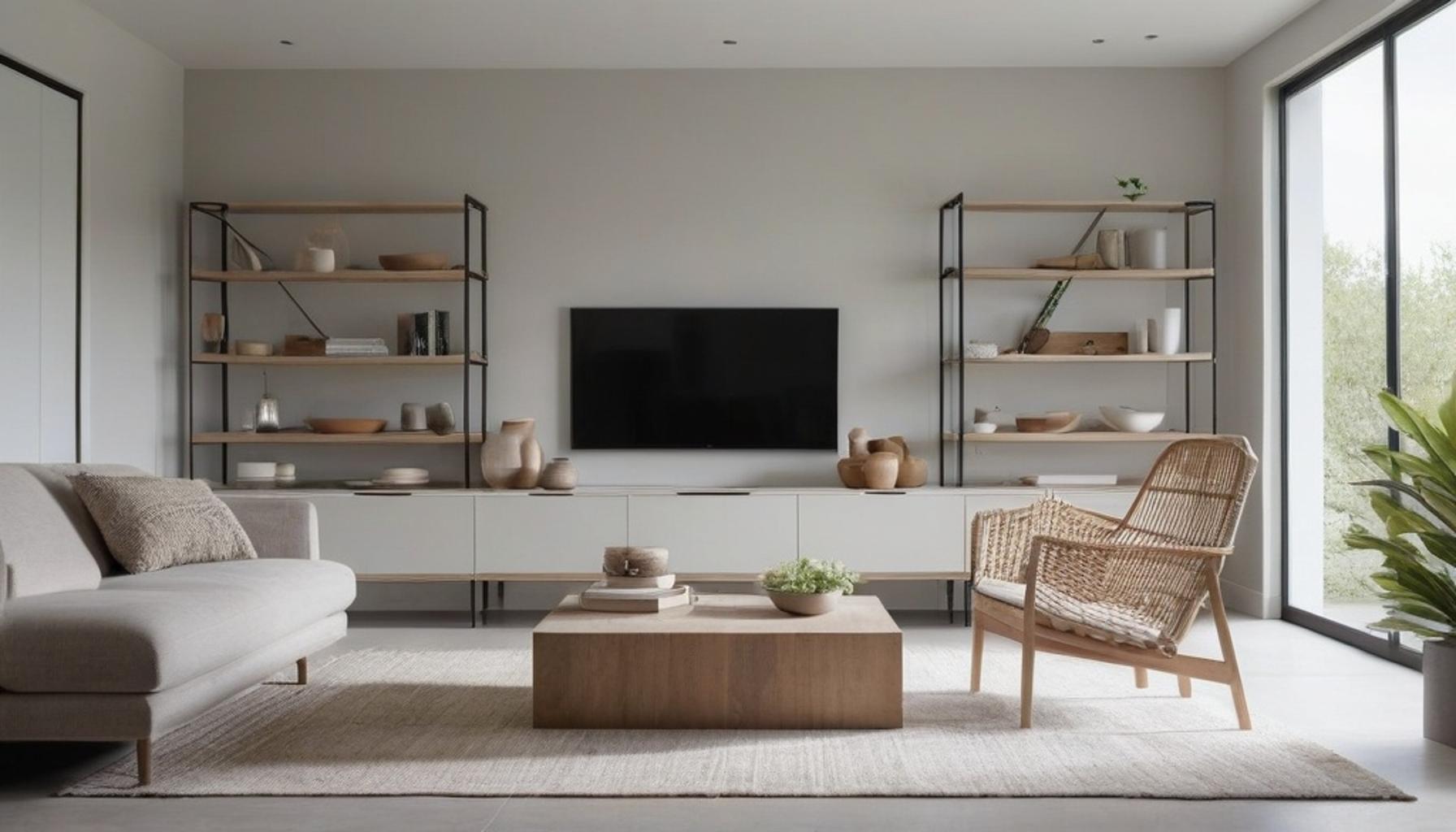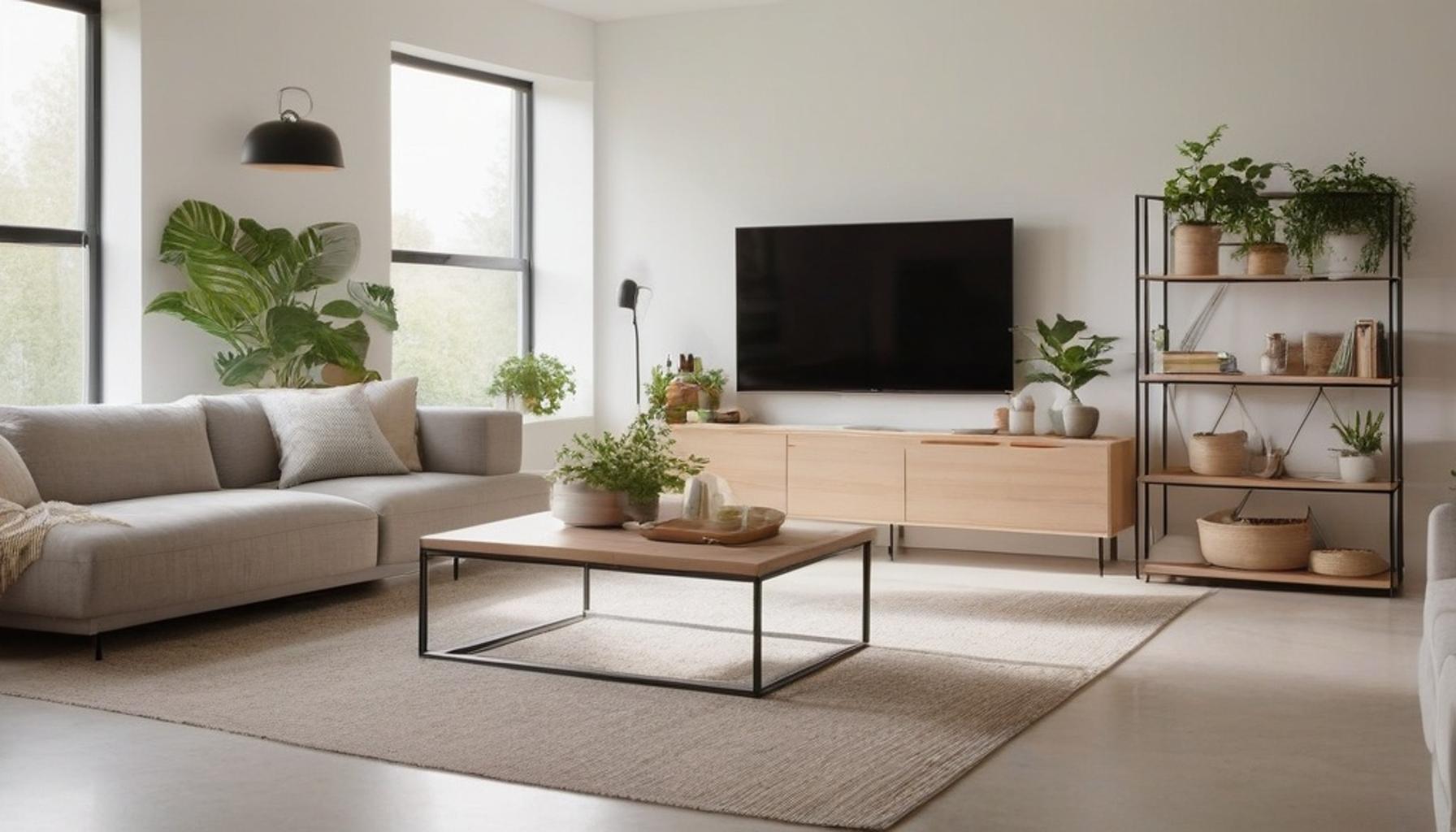
The Art of Intentional Living: How Minimalism Transforms Home Organization and Creates a Clutter-Free Space
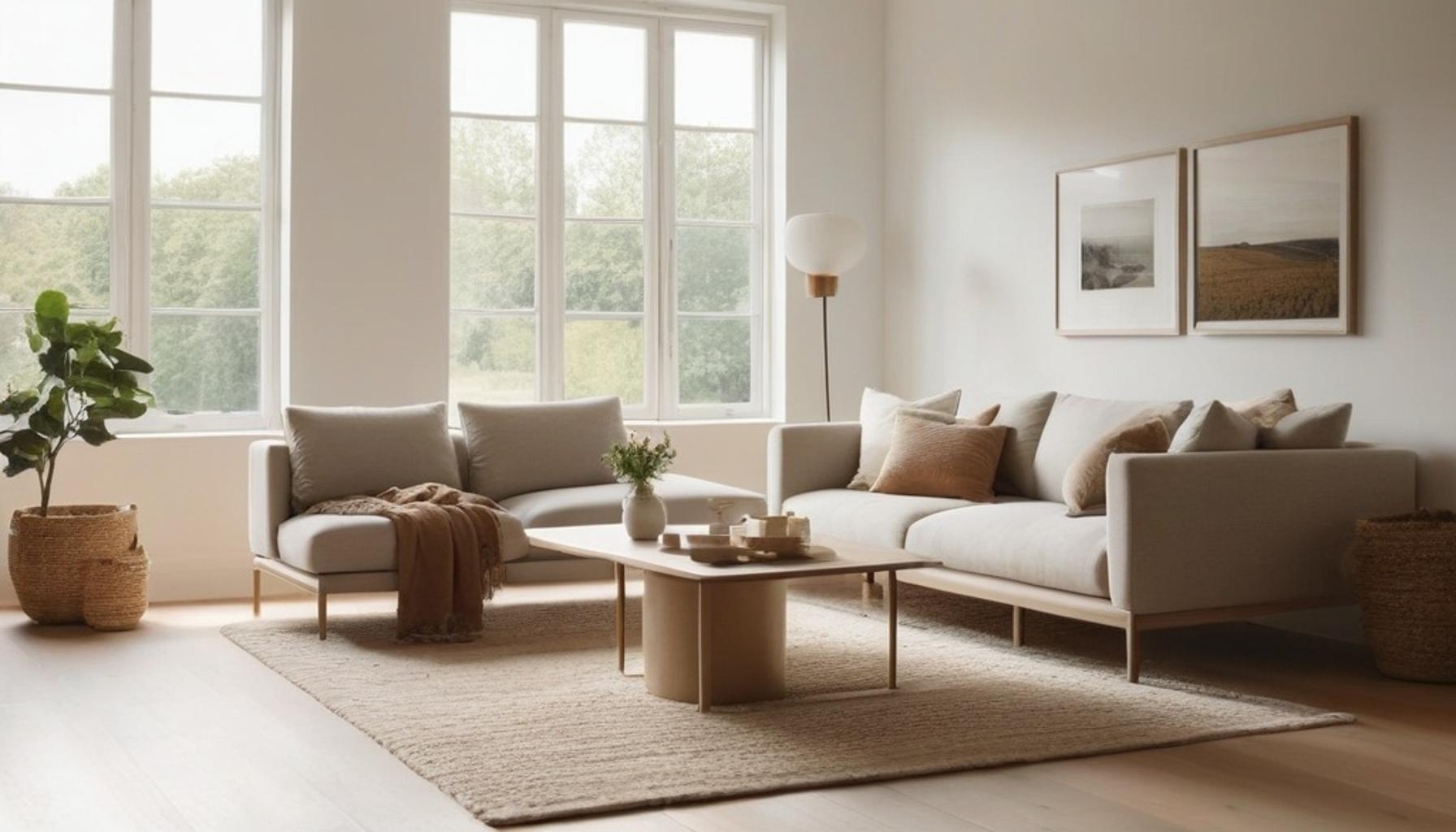
The average American household contains over 300,000 items, according to the LA Times, yet most people only regularly utilize a fraction of what they own. This staggering figure highlights a pervasive cultural pattern of accumulation that leaves many homes feeling more chaotic than comforting. The clutter tends to be overwhelming, often resulting in stress and distraction rather than tranquility and efficiency.
Intentional living presents a compelling alternative to this cycle of excess. Rooted in minimalism, this philosophy encourages individuals to embrace a critical question: does this item add value to my life? By asking this fundamental question, we can begin the journey toward a more curated and purposeful existence.
Why Minimalism Is Gaining Momentum
The minimalist lifestyle is capturing the attention of many across the United States, not merely as a trend but as a profound shift in how we perceive our living spaces. This transformation extends beyond mere aesthetics; it serves as a method for reclaiming time, mental clarity, and physical space. The following factors are pivotal in driving this movement:
- Rising housing costs are encouraging many Americans to pursue smaller, more efficient living arrangements. With urban areas becoming increasingly expensive, many individuals have opted for tiny homes or smaller apartments, necessitating an emphasis on what truly matters.
- A growing awareness of the mental toll of clutter on daily stress levels is propelling people toward decluttering their spaces. Studies indicate that clutter can exacerbate anxiety and negatively impact productivity, leading individuals to seek cleaner environments for improved well-being.
- There’s an increased interest in sustainable consumption, with many people becoming more conscious of their purchases. Understanding the environmental impact of consumerism has led to a shift in attitudes towards ownership and waste reduction.
- The influence of social media has also played a significant role; platforms like Instagram and Pinterest showcase minimalist home organization trends, inspiring countless individuals to adopt similar practices.
The benefits of intentional living extend far beyond achieving a tidy living room. Research has consistently linked clutter-free environments to improved focus and better sleep quality, while also helping to reduce anxiety levels among occupants. A clear space often facilitates a clear mind, enabling individuals to concentrate on what truly matters.
This article will delve into practical home decluttering strategies and actionable clutter-free space tips that extend far beyond generic advice. From effective room-by-room organization methods to mindset shifts that make minimalism sustainable, readers will discover how small, deliberate changes can lead to a lasting transformation in their lives.
DISCOVER: Click here to learn more about minimalist kitchens
The Foundation: Understanding What Intentional Living Really Means
Before diving into home decluttering strategies, it’s essential to understand that intentional living is not about deprivation or stark, empty rooms. Many Americans mistakenly picture minimalism as an all-white apartment with a single chair and nothing else. In reality, this philosophy centers on aligning your possessions, time, and space with your genuine values and goals. It’s about curating your environment to enhance your life rather than detracting from it.
At its core, the minimalist lifestyle poses a pivotal question: what does this item or activity contribute to my life? If the answer is unclear or negative, that’s a signal for reevaluation. This proactive approach encourages individuals to become owners of their things rather than slaves to the clutter. For example, holding onto an item simply because it was a gift, despite its lack of utility, reflects a passive relationship with one’s possessions. Active curation means every item serves a purpose or brings joy, ultimately leading to a more fulfilling lifestyle.
The Psychology Behind Clutter and Its Grip on Our Homes
Research conducted by Princeton University unveils that physical clutter competes for attention in the brain, which significantly hinders our capacity to focus and process information effectively. The sight of a disorganized kitchen counter or a closet overflowing with clothes isn’t merely an eyesore; it drains cognitive resources every time we encounter it, which can affect our daily performance and well-being.
Understanding this psychological impact sheds light on why minimalism home organization has surged in popularity among those seeking solutions to increase both their physical and mental well-being. When people embark on journeys to clear their living spaces, they frequently report an unexpected outcome: an increase in mental clarity, creativity, and energy. Clear spaces yield clear minds.
Numerous studies highlight the detrimental effects of cluttered environments:
- Decision fatigue increases when individuals are confronted with excessive choices, such as deciding which shirt to wear or which container to search for a rare miscellaneous item. This incessant indecision can lead to a decrease in overall productivity.
- Cortisol levels rise in cluttered spaces, as established in research published by UCLA. Elevated cortisol is associated with stress and anxiety, creating a perpetual cycle of disturbance that detracts from peace and clarity at home.
- Productivity drops in disorganized workspaces, as the brain wastes energy filtering out distracting visuals rather than concentrating on essential tasks at hand. For many working from home, a clutter-free setup can mean the difference between a successful workday and distraction-laden hours.
- Sleep quality suffers in bedrooms cluttered with belongings, with studies connecting disarray to difficulty in relaxing and achieving restful sleep. A serene, organized space fosters restorative sleep and overall health.
These findings demonstrate that the benefits of intentional living reach far beyond aesthetically pleasing interiors; they permeate numerous facets of daily function and overall health. It’s not merely about curating an Instagram-worthy home; it’s about crafting an environment that nurtures mental clarity and complements one’s lifestyle.
For many households across the country, this realization marks the onset of a more extensive transformation—one that reshapes not only closets and drawers but also daily habits and long-term priorities. By fostering environments that resonate with personal values and goals, individuals embark on a journey towards a more meaningful existence. As homes become an intentional reflection of self, the possibilities for personal growth and fulfillment expand significantly.
| Category | Description |
|---|---|
| Intentional Living | An approach focusing on choosing meaningful possessions and habits. |
| Minimalism Home Organization | Strategies to reduce clutter through mindful choices. |
| Clutter-Free Space Tips | To promote a serene environment through effective storage. |
| Benefits of Intentional Living | Enhanced focus, reduced stress, and increased happiness. |
| Home Decluttering Strategies | Effective methods to keep only what adds value to your life. |
DISCOVER: Click here to dive into minimalist kitchen ideas
Practical Frameworks: Room-by-Room Strategies That Actually Work
Once the psychological groundwork is understood, the next logical step involves actionable home decluttering strategies that translate philosophy into physical change. Rather than tackling an entire house in one exhausting weekend, professional organizers across the United States increasingly recommend a room-by-room approach, allowing momentum to build gradually while preventing the burnout that often accompanies overly ambitious purges.
The kitchen, often called the heart of the American home, tends to accumulate gadgets promising convenience yet rarely used more than once. A minimalist lifestyle approach here means auditing appliances against actual frequency of use. If that panini press hasn’t seen daylight since last year’s New Year’s resolution, it’s likely occupying prime real estate that could serve better purposes.
The One-In-One-Out Rule and Other Sustainable Habits
Among the most effective clutter-free space tips circulating in organizational circles is the one-in-one-out principle. This simple rule dictates that for every new item brought into the home, an existing item must leave. Applied consistently to clothing, books, or kitchenware, this habit prevents the slow creep of accumulation that undoes previous decluttering efforts.
Consider these evidence-based approaches gaining traction nationwide:
- The 90/90 rule asks whether an item has been used in the past 90 days or will likely be used in the next 90. Items failing this test become prime candidates for donation.
- Box method decluttering involves sorting belongings into four categories: keep, donate, trash, and undecided, providing psychological permission to defer difficult decisions without abandoning the process entirely.
- Digital decluttering extends minimalism beyond physical objects, addressing overflowing email inboxes and photo libraries that create their own form of cognitive burden.
These strategies underscore that minimalism home organization isn’t a one-time event but rather an ongoing practice requiring periodic reassessment.
Beyond Aesthetics: Financial and Environmental Ripple Effects
Interestingly, the benefits of intentional living extend into household budgets in ways many overlook. A 2023 survey by the National Association of Productivity and Organizing Professionals found that households practicing regular decluttering reported spending 20 percent less on duplicate purchases, simply because they could locate and appreciate what they already owned.
Environmental considerations also factor prominently into this equation. Reduced consumption directly correlates with decreased household waste, positioning intentional living as both a personal wellness practice and a modest contribution toward broader sustainability goals that increasingly matter to American consumers.
DISCOVER MORE: Click here to dive into minimalist kitchen ideas
The Bigger Picture: Why Intentional Living Sticks
What emerges from examining intentional living is a pattern far removed from fleeting home trends. Unlike a fresh coat of paint or a rearranged living room, the shift toward minimalism home organization touches psychology, finances, and even environmental footprint simultaneously.
The room-by-room frameworks, the 90/90 rule, the one-in-one-out habit, these are not rigid mandates but flexible tools. Households across the country are discovering that home decluttering strategies succeed not through perfection but through consistency applied over months and years.
Rethinking Ownership as an Ongoing Conversation
Perhaps the most compelling takeaway is that a minimalist lifestyle requires no single dramatic overhaul. Small, repeated decisions, what to keep, what to release, what to bring in, compound into meaningful change over time.
This reframes clutter not as a personal failing but as an accumulation of unexamined choices. Once examined, those choices become far easier to redirect.
Looking ahead, the benefits of intentional living will likely expand as more Americans confront rising living costs and shrinking storage in urban housing. Organizations tracking consumer behavior suggest interest in decluttering services and minimalist products will continue climbing through the decade.
For readers ready to begin, the practical clutter-free space tips outlined throughout this piece offer a starting point rather than a finish line. Intentional living, ultimately, is less about the absence of belongings and more about the presence of purpose. That distinction alone may be worth exploring further, one drawer, one shelf, one decision at a time.
Frequently Asked Questions
What is the relationship between intentional living and minimalism?
Intentional living focuses on making conscious choices that align with your values and aspirations. Minimalism complements this by removing excess and distractions, enabling you to create a clutter-free environment that supports your intentional lifestyle.
How can I start practicing intentional living at home?
Begin by assessing your current belongings and lifestyle choices. Identify items and habits that do not serve your goals or bring you joy, then create an action plan to remove or change them, fostering a more intentional home environment.
What are some practical steps for decluttering my space?
Start small by focusing on one area at a time, such as a drawer or closet. Use the ‘one-in, one-out’ rule to manage new items, and categorize your belongings into keep, donate, or discard piles to streamline the process.
Can intentional living improve my mental health?
Yes, intentional living can significantly enhance mental health by reducing stress and anxiety associated with clutter. A well-organized space promotes clarity and calmness, allowing you to focus on what truly matters in your life.
How does minimalism enhance the principles of intentional living?
Minimalism amplifies intentional living by encouraging you to make thoughtful decisions about what you allow into your home. This focused approach not only reduces distractions but also fosters a deeper appreciation for the things that add genuine value to your life.

Beatriz
Beatriz Johnson is a seasoned minimalist and writer with a passion for simplifying the complexities of personal organization and intentional living. With over a decade of experience in decluttering strategies and mindful consumption, she specializes in topics like space optimization, habit simplification, and sustainable lifestyle choices. Through her work on our website, Beatriz empowers readers to embrace minimalism, reduce mental and physical clutter, and create more meaningful, organized lives in today's fast-paced world.