Multifunctional Furniture: Space-Saving Ideas for Organized Living
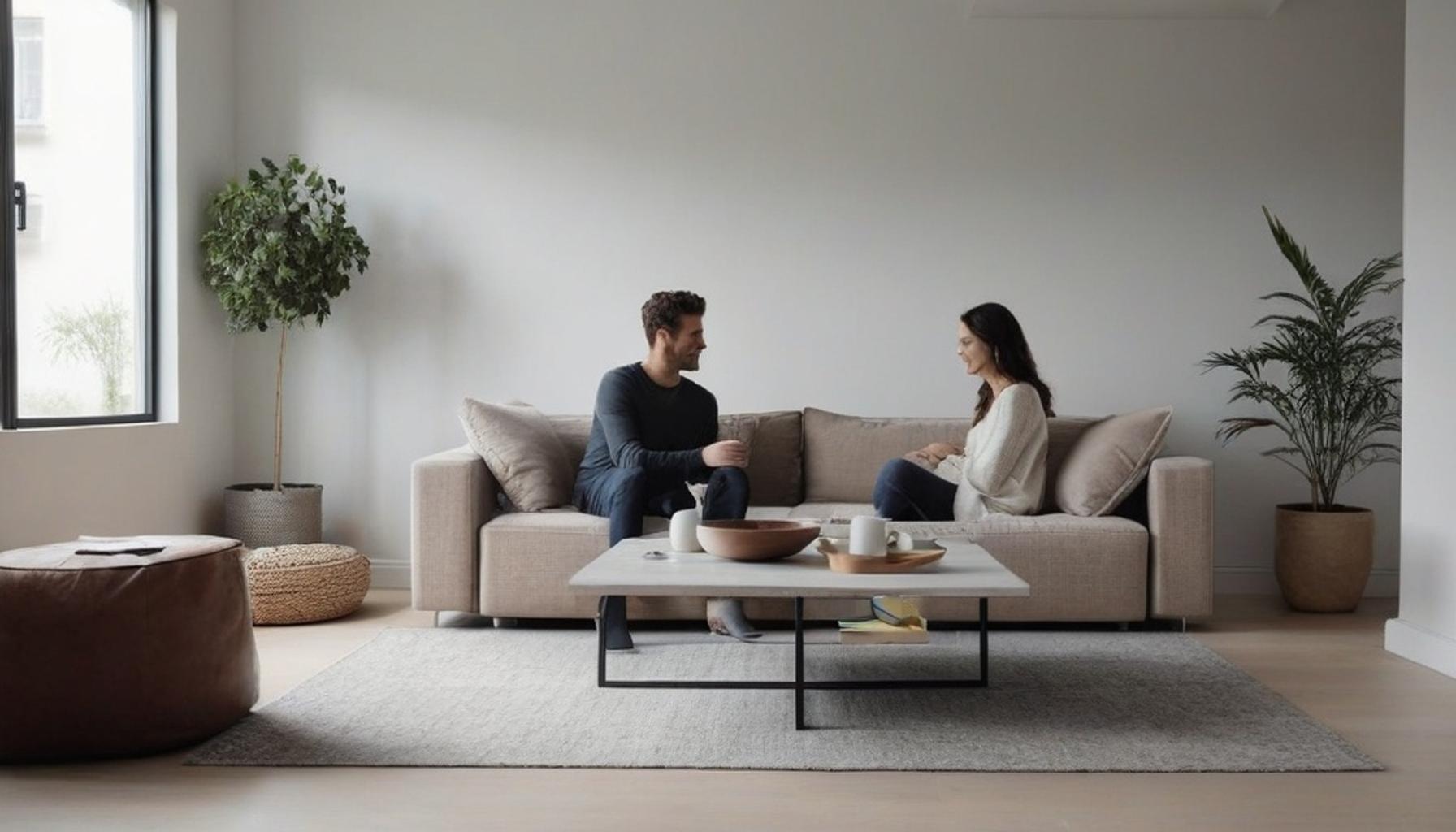
As urbanization continues to influence living conditions across the United States, the trend towards smaller homes is becoming increasingly apparent. Recent housing data reveal that the average size of newly built apartments has shrunk by nearly 8% over the last decade. This shift not only affects renters but also homeowners who are now faced with the challenge of optimizing their interiors. A fundamental aspect of this adaptation involves reimagining how space is utilized in these smaller environments.
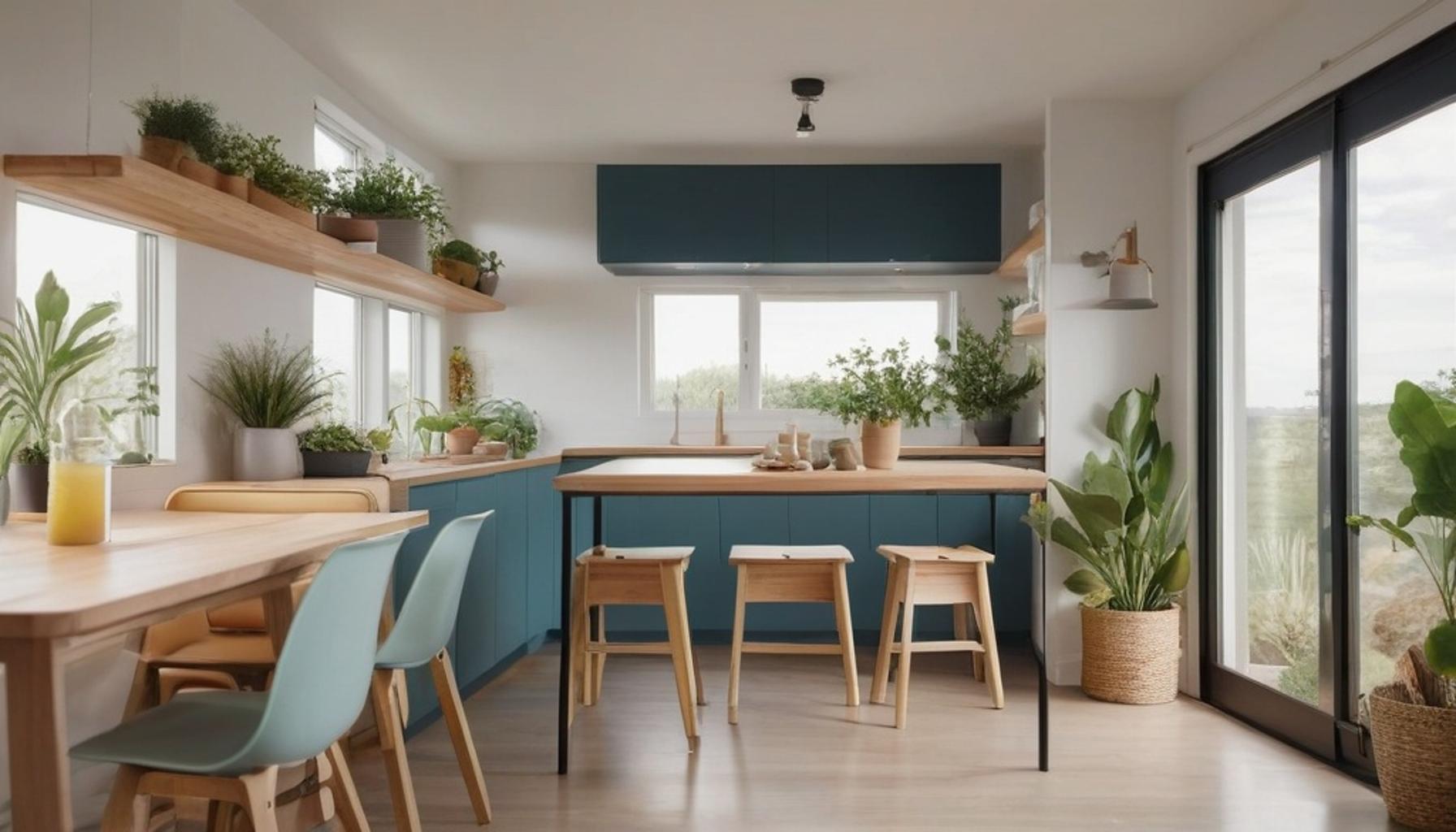
Multifunctional furniture has risen to prominence as a vital solution for those grappling with limited square footage. This innovative style of home furnishing is designed to serve multiple purposes, allowing residents in bustling urban centers, such as New York City or Los Angeles, as well as those in smaller suburban houses, to maximize their living area without sacrificing style or convenience.
For example, in studio apartments scattered across cities like Chicago, features like convertible sofa beds provide a comfortable sleeping solution by night and a chic seating arrangement by day. Similarly, Murphy beds can be easily folded away, freeing up floor space for activities or additional furniture during daylight hours. In addition, what was once a fleeting trend has now found permanent residence in the small-space design playbook.
What You’ll Discover in This Guide
This article will dive deep into practical, real-world solutions aimed at creating organized living solutions that prioritize both comfort and visual appeal. Here’s a glimpse at what you’ll discover:
- Storage ottomans—these multifunctional gems often double as coffee tables and provide hidden organization for blankets and magazines.
- Modular shelving units that can be rearranged or expanded, allowing for personalized storage without consuming valuable wall space.
- Extendable dining tables</—ideal for small kitchens, these can accommodate extra guests when needed but remain compact during everyday use.
- Nesting furniture pieces that can be tucked away when not in use, making them perfect for hosting or simply enjoying more open space in day-to-day life.
Whether you’re furnishing a cozy 400-square-foot micro-apartment or looking to streamline and declutter a larger family home, knowing your options regarding multifunctional furniture can significantly enhance your living experience. As you continue reading, you’ll uncover small space furniture tips and gain insights into versatile home furniture that marries form, function, and everyday convenience.
DISCOVER MORE: Click here to uncover the secrets of a minimalist kitchen
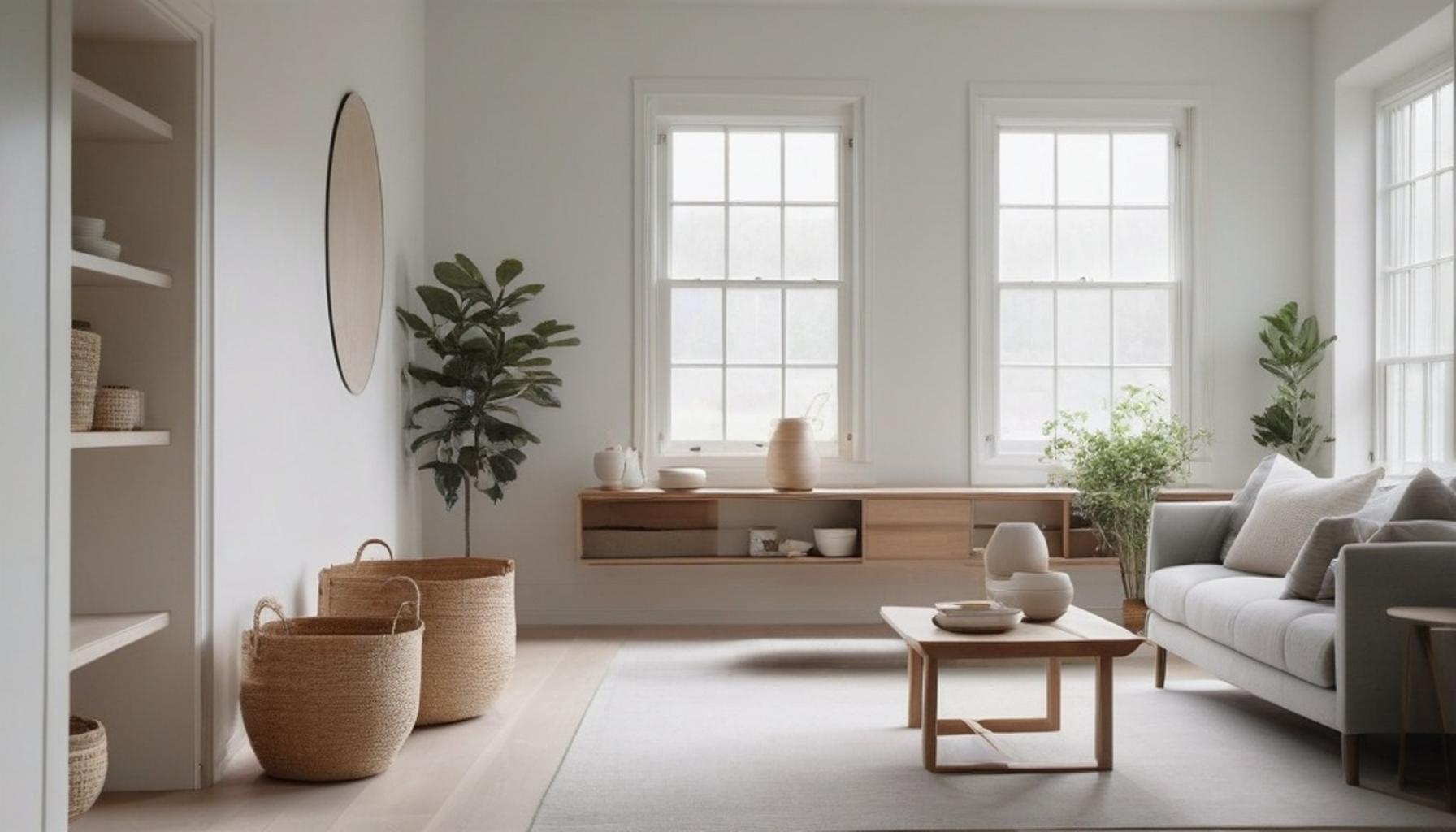
Rethinking the Living Room: Furniture That Works Overtime
Walk into any furniture showroom across the country today, and you’ll notice a shift. Sectional sofas with hidden storage compartments sit beside coffee tables that rise into full-height desks. This isn’t a passing fad—it’s a response to how Americans are actually living now.
According to the National Association of Home Builders, the median size of new single-family homes has been trending downward since 2015, while apartment rents in cities like Austin and Denver continue climbing. The math is simple: less square footage means every piece of furniture needs to justify its footprint.
The Living Room Gets a Makeover
Multifunctional furniture is transforming how families use their main gathering spaces. A single ottoman, once just a footrest, now frequently serves three roles at once—storage bin, coffee table, and extra seating when guests arrive unexpectedly.
Consider these space-saving furniture ideas that are gaining traction in homes from Seattle to Miami:
- Sofa beds with built-in storage drawers, eliminating the need for a separate linen closet in guest rooms.
- Coffee tables with lift-top mechanisms, converting instantly into workspaces for remote employees.
- Media consoles with adjustable shelving, designed to hide cables and electronics while doubling as display space.
- Bookshelves that pivot into room dividers, creating privacy in open-concept layouts without permanent construction.
What’s driving this demand isn’t just necessity—it’s aesthetics too. Homeowners want organized living solutions that don’t look like compromises. Manufacturers have responded with sleeker designs, using materials like tempered glass and matte-finished woods that feel intentional rather than makeshift.
Retailers report that inquiries for convertible and modular pieces have surged noticeably in metropolitan markets over the past few years, particularly among renters under 35. This demographic, often relocating every one to two years for work, values furniture that adapts to different floor plans rather than pieces tied to a single configuration.
The takeaway is clear: versatile home furniture is no longer a niche category reserved for tiny-house enthusiasts. It’s becoming standard practice for anyone trying to stretch limited square footage into something that feels spacious, functional, and genuinely livable.
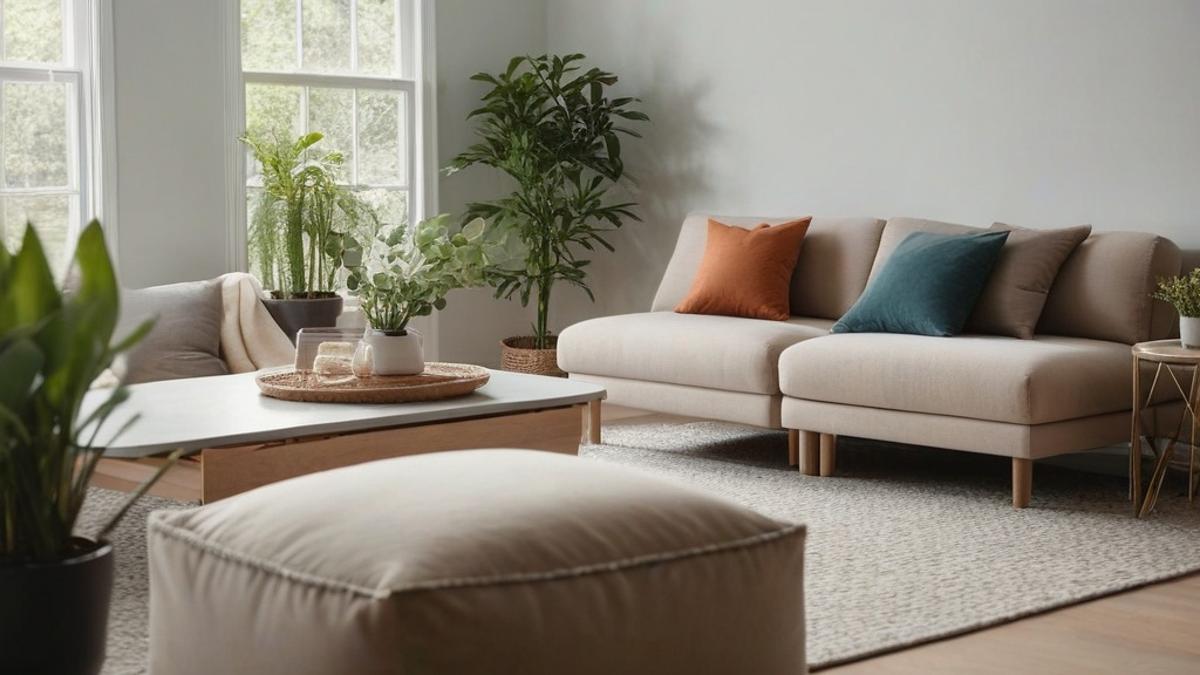
| Category | Description |
|---|---|
| Sofa Beds | Sofa beds combine seating and sleeping space, ideal for small apartments or guest rooms, offering comfort by day and convenience by night. |
| Storage Ottomans | Multi-functional storage ottomans serve as footrests, extra seating, and hidden storage for blankets or toys, enhancing organized living without clutter. |
| Murphy Beds | Murphy beds fold up into the wall, freeing up valuable floor space during the day, crucial for space-saving furniture ideas in compact homes. |
| Extendable Dining Tables | Extendable tables adapt to social needs, easily turning a regular dining area into a festive gathering spot, perfect for maximizing space at home. |
DISCOVER: Click here to find out more
# Multifunctional Furniture: Space-Saving Ideas for Organized Living
Bedrooms and Home Offices: Where Function Meets Flexibility
If the living room is the showcase for multifunctional furniture, the bedroom is where practicality truly gets tested. Sleep, storage, and increasingly, remote work all compete for the same square footage. Furniture designers have taken notice.
The Murphy Bed Renaissance
Murphy beds—once associated with cramped 1970s studio apartments—have undergone a serious rebrand. Today’s versions fold into custom cabinetry that includes built-in desks, bookshelves, and even fold-out dining surfaces.
Cities like New York and San Francisco, where studio apartments can rent for over $2,500 monthly, have seen a measurable rise in demand for wall-bed systems. Interior designers working in these markets report that clients increasingly request beds that vanish entirely during the day, freeing the room for yoga sessions, video calls, or simply walking around without bumping into furniture.
Some of the best multifunctional furniture in this category now includes:
- Wall beds with integrated desks, allowing the workspace to remain accessible even when the bed is folded down.
- Platform beds with drawer systems underneath, replacing traditional dressers entirely.
- Headboards with hidden shelving, offering nightstand functionality without extra floor space.
- Loft-style bed frames, creating usable space beneath for a compact office or reading nook.
Small Space Furniture Tips for Home Offices
The shift to remote and hybrid work has forced millions of Americans to carve out office space from rooms never designed for it. A 2023 Pew Research survey found that roughly 35 percent of workers with remote-capable jobs were working from home full-time, many without a dedicated office.
This reality has pushed small space furniture tips into everyday conversation. Desks that fold flat against walls when not in use, chairs that stack and slide under console tables, and filing cabinets disguised as side tables have become common recommendations from professional organizers.
One particularly practical solution gaining popularity: armoires that open to reveal a full desk setup, complete with pull-out keyboard trays and cable management, then close completely to look like a standard closet.
These organized living solutions matter beyond aesthetics. Clutter has been linked to increased stress levels, according to research from UCLA’s Center on Everyday Lives of Families. Furniture that conceals work materials at the end of the day may offer psychological benefits alongside the obvious spatial ones.
Retailers such as IKEA and West Elm have expanded their convertible furniture lines significantly since 2020, signaling that this isn’t a temporary trend tied to pandemic circumstances, but a lasting shift in how Americans expect their homes to function.
DISCOVER: Click here for minimalist kitchen inspiration
Rethinking What a Home Is Supposed to Do
The rise of multifunctional furniture reflects something bigger than a decorating trend. It signals a fundamental shift in how Americans define home, particularly as square footage shrinks and average rents keep climbing in major metro areas.
From sofa beds with hidden storage to Murphy beds that transform into office space, the throughline is clear: furniture is no longer expected to serve one purpose. It’s expected to earn its place, literally, by working double or triple duty.
Throughout this piece, a few patterns stand out.
- Convertible pieces are no longer niche products but mainstream offerings from major retailers like IKEA, West Elm, and Wayfair.
- Demand is strongest in dense urban markets, where every square foot carries real financial weight.
- The line between residential and workspace furniture continues to blur, driven largely by remote work’s staying power.
- Clutter reduction isn’t just visual; researchers connect it to measurable stress relief.
For readers considering their next furniture purchase, the smartest small space furniture tips boil down to asking one question before buying anything: what else could this piece do? A coffee table that lifts into a desk, a bench that opens for storage, or a bed frame with built-in drawers can eliminate the need for separate items entirely.
Choosing versatile home furniture isn’t only about saving square footage. It’s about designing a home that adapts as needs shift, whether that means a guest room that becomes a nursery or a living room that transforms into a workspace by 9 a.m.
As housing costs show few signs of easing, the appetite for smart, adaptable design will likely keep growing. The most effective organized living solutions may not come from bigger apartments, but from furniture clever enough to make smaller ones feel like they were never cramped at all.
Frequently Asked Questions
What are some examples of multifunctional furniture that can help save space in a small apartment?
Some popular examples of multifunctional furniture include sofa beds, which can serve as both a couch and a bed, and storage ottomans, which provide seating and hidden storage. Additionally, foldable dining tables can collapse when not in use, and wall-mounted desks can save floor space while offering a workspace.
How can multifunctional furniture improve organization in a small home?
Multifunctional furniture inherently reduces clutter by combining several functions into a single piece, which means fewer individual items need to be stored. For example, a coffee table with shelves can keep magazines and remotes organized, while a bed with built-in drawers utilizes space under the mattress for storage.
Are there specific styles of multifunctional furniture that work better in certain types of rooms?
Yes, the style of multifunctional furniture can greatly influence its effectiveness in different rooms. For instance, a sleek, modern sofa bed may suit a contemporary living room, while rustic storage benches might work better in a farmhouse-style entryway. It’s important to choose pieces that complement the overall aesthetic of the space.
What should I consider when purchasing multifunctional furniture for a family with kids?
When purchasing multifunctional furniture for a family with kids, consider durability, safety features, and ease of use. Look for materials that are easy to clean and can withstand wear and tear. Additionally, ensure that any convertible items are simple for both adults and children to operate safely, minimizing the risk of accidents.

Beatriz
Beatriz Johnson is a seasoned minimalist and writer with a passion for simplifying the complexities of personal organization and intentional living. With over a decade of experience in decluttering strategies and mindful consumption, she specializes in topics like space optimization, habit simplification, and sustainable lifestyle choices. Through her work on our website, Beatriz empowers readers to embrace minimalism, reduce mental and physical clutter, and create more meaningful, organized lives in today's fast-paced world.