Sustainable Minimalism: Eco-Friendly Storage Options for a Simplified Life
The average American household contains over 300,000 items, according to organizational studies. Yet, a significant portion of these items is rarely used, leading to a profound disconnect between what we own and what we actually need. This phenomenon has sparked a growing movement towards Sustainable Minimalism, which merges intentional living with a commitment to environmental stewardship. By challenging conventional consumption habits, many are seeking a lifestyle that minimizes waste while maximizing purpose and fulfillment.
As cities stretch and suburban spaces evolve, individuals from Brooklyn’s bustling studios to the sprawling homes of Austin are departing from excess. They are collectively asking: how can we own less while wasting less? The answer lies not only in decluttering but also in rethinking storage choices and methods.
Why Storage Choices Matter More Than Ever
Traditional storage solutions often rely heavily on materials that are not only harmful to the environment but also contribute to a cycle of waste. Plastic bins, synthetic fabrics, and single-use packaging frequently end up in landfills, exacerbating pollution and environmental degradation. Opting for eco-friendly storage solutions can significantly lower our ecological footprint while maintaining an organized and functional living space.
Understanding the implications of our storage choices is critical since they impact more than just individual households. The ripple effects include:
- Manufacturing waste and carbon emissions: Production processes for conventional storage materials typically involve high carbon footprints.
- Plastic pollution in oceans and landfills: Millions of tons of plastic waste contribute to the devastation of marine ecosystems.
- Resource consumption from fast furniture trends: The rapid turnover of furniture increases the demand for natural resources.
- Long-term household spending on replacements: Frequent purchases result in financial drains over time, leading to a cycle of consumerism.
What This Guide Will Explore
Embracing a minimalist lifestyle does not equate to compromising functionality for values. Rather, it invites individuals to seek out more intelligent, greener alternatives that support both simplicity and sustainability. In the sections ahead, readers can look forward to exploring practical sustainable living tips that prioritize the health of both the home and the planet. Specific insights will include:
- Natural and biodegradable storage materials: Consider alternatives like bamboo or reclaimed wood that enhance aesthetics while being kind to the environment.
- Multi-purpose furniture for small spaces: Items that serve dual functions can cut down on clutter and maximize efficiency.
- Secondhand and upcycled organization systems: Fostering a culture of reusing and repurposing reduces waste and revitalizes old materials.
- Simple strategies for decluttering for sustainability: Effective techniques that help sift through belongings ensure that only necessary items remain.
Whether you’re refreshing a compact studio or optimizing a sprawling family home, environmentally friendly organization methods are more approachable than many might think. Through conscious choices, Americans can craft not only tidier spaces but healthier lives and a more sustainable future.
YOU MAY ALSO LIKE: The Minimalist Mindset: Decluttering Techniques for a Stress-Free Workspace
Rethinking Materials: The Foundation of Eco-Friendly Storage Solutions
Walk into any big-box retailer across the United States, and you’ll find aisles stacked with plastic bins promising to solve your clutter problems. Yet these seemingly convenient solutions often come with a hidden cost. Most plastic storage containers are derived from petroleum-based products that can take up to 500 years to decompose in landfills.
This reality has prompted a shift among environmentally conscious consumers from Seattle to Miami. Rather than reaching for synthetic options, they’re exploring materials that align with the principles of Sustainable Minimalism. The goal isn’t just to store belongings but to do so in a way that respects the planet’s finite resources.
Natural Materials Making a Comeback
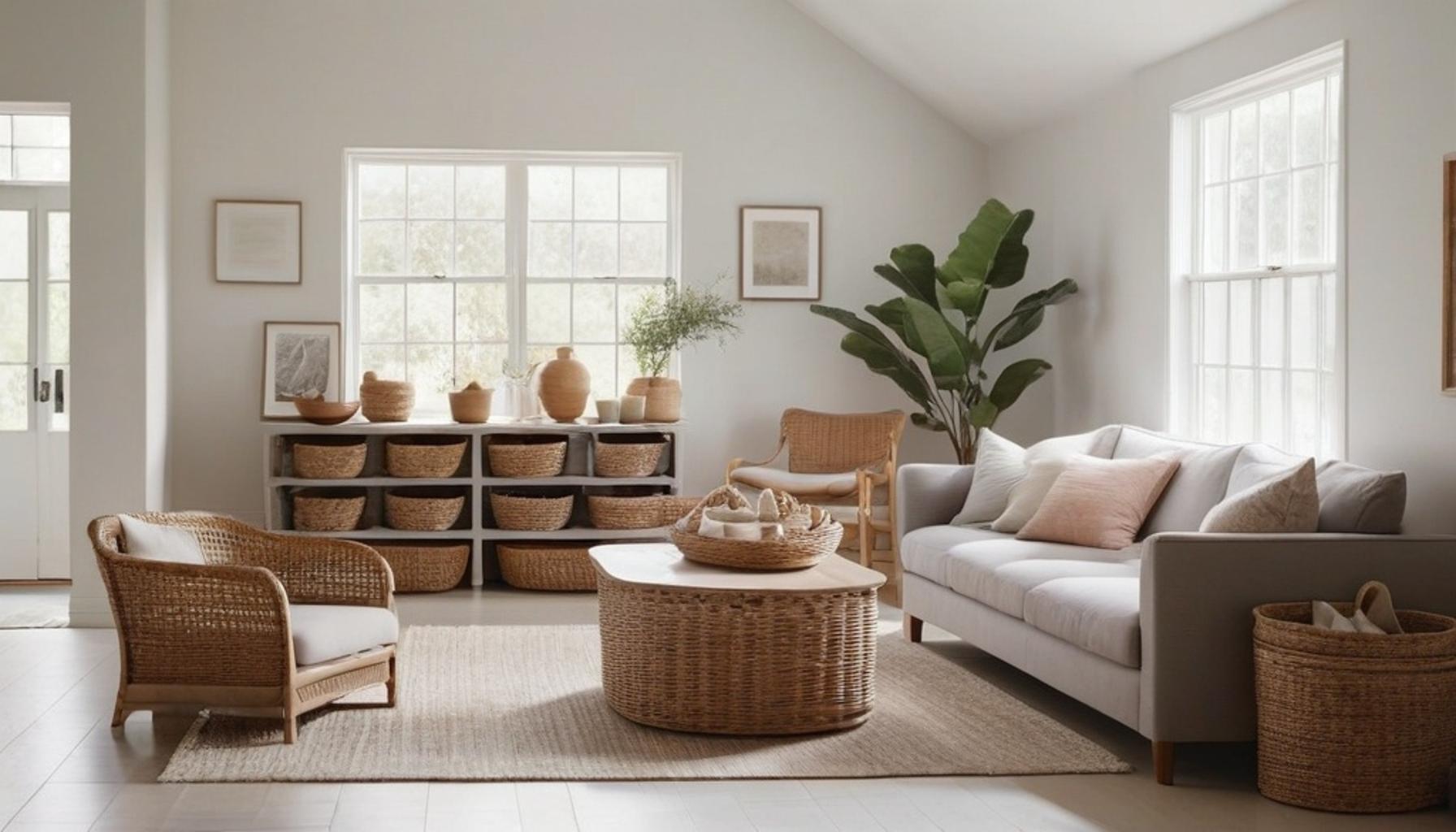
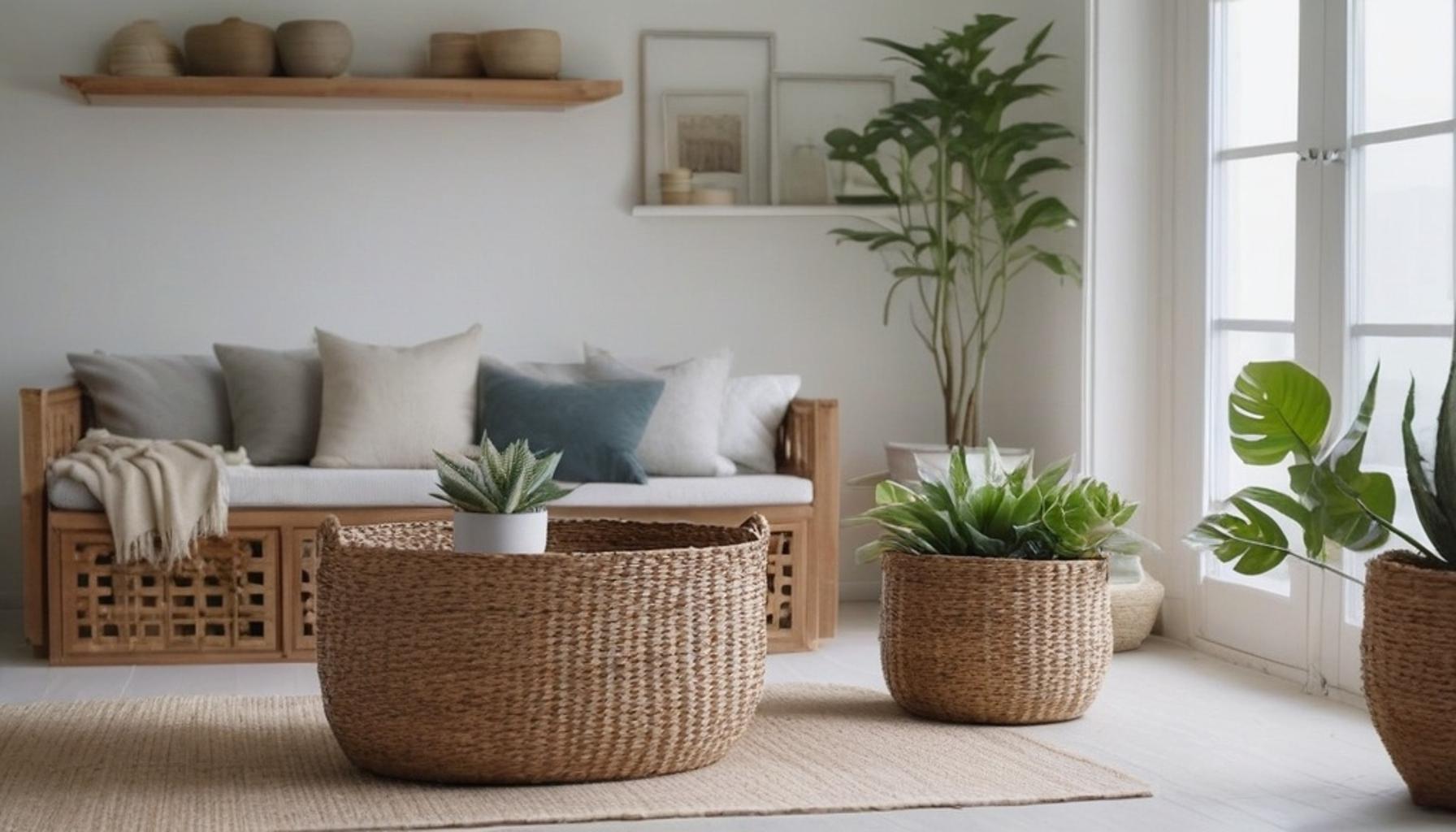
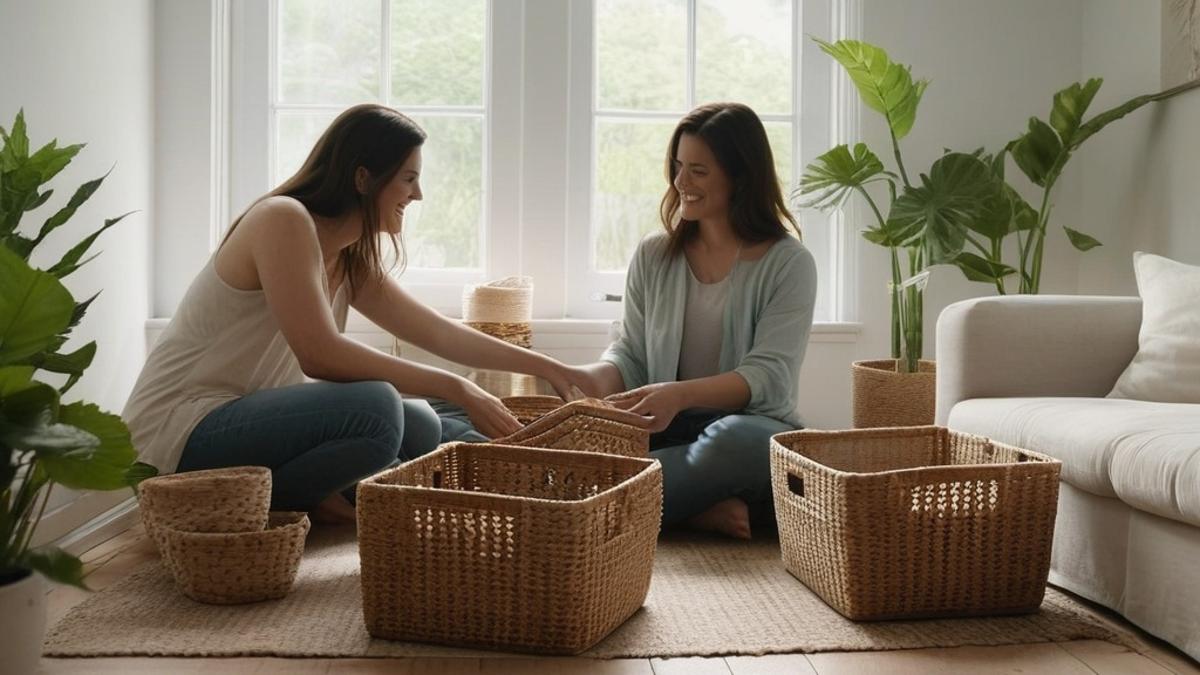
Bamboo, rattan, seagrass, and reclaimed wood have surged in popularity, and for good reason. These materials are renewable, biodegradable, and often require significantly less energy to process than plastic or particleboard alternatives. Bamboo, in particular, can grow up to three feet in a single day, making it one of the most sustainable resources available for furniture and storage design.
Choosing these materials supports a broader minimalist lifestyle philosophy: quality over quantity. A well-crafted wooden crate or a woven basket doesn’t just serve a functional purpose; it often becomes a long-term investment rather than a disposable item destined for next year’s landfill.
Consumers interested in eco-friendly storage solutions should consider the following when evaluating materials:
- Source transparency: Look for certifications like FSC (Forest Stewardship Council) that verify responsible sourcing of wood products.
- Biodegradability: Materials that return safely to the earth at the end of their lifecycle reduce long-term environmental impact.
- Durability: Sturdier natural materials often outlast their plastic counterparts, reducing the need for frequent replacements.
- Local sourcing: Products made closer to home typically carry a smaller carbon footprint due to reduced shipping distances.
Beyond the raw materials themselves, manufacturing processes also play a crucial role. Traditional textile-based storage bins, for instance, frequently rely on synthetic fibers treated with chemical dyes and flame retardants. Organic cotton, jute, and hemp present far gentler alternatives, both for the environment and for indoor air quality within American homes.
As demand grows, more furniture companies are responding with lines specifically marketed toward sustainable living tips enthusiasts. This shift signals that eco-conscious storage isn’t a fleeting trend, but rather a fundamental reevaluation of how Americans furnish and organize their living spaces for the decades ahead.
| Category | Details |
|---|---|
| Natural Materials | Using bamboo, cork, or recycled materials in storage solutions promotes sustainable living. |
| Multi-Functional Furniture | Pieces that serve more than one purpose help with decluttering for sustainability. |
| Organized Systems | Implementing categorized storage helps maintain a minimalist lifestyle and avoid excess. |
| Upcycling | Transforming old items into new storage solutions fosters creativity while reducing waste. |
SEE ALSO: Efficient Living: Innovative Storage Solutions for Tiny Home Organization
Multi-Functional Design: Storage That Works Smarter, Not Harder
Square footage in American homes comes at a premium. According to recent housing data, the median size of newly built homes has actually shrunk over the past decade, even as clutter accumulates at record rates. This paradox has pushed Sustainable Minimalism enthusiasts toward furniture that pulls double, even triple, duty.
An ottoman that opens to reveal blanket storage. A bed frame with built-in drawers. A coffee table that doubles as a filing cabinet. These aren’t just space-saving tricks; they represent a deeper shift in how consumers think about consumption itself.
The Math Behind Multi-Functional Furniture
Every piece of furniture manufactured requires raw materials, energy, water, and transportation resources. When one item serves multiple purposes, the environmental math changes dramatically.
Consider a household that replaces three separate items, a shoe rack, a bench, and a storage bin, with a single multi-functional entryway bench. That’s one less manufacturing process, one less shipping container, and one less product destined for eventual disposal.
This approach directly supports decluttering for sustainability, a practice that asks not just “what can I remove from my home,” but “what can I avoid bringing in altogether.”
- Modular shelving systems: These allow homeowners to expand or reconfigure storage without purchasing entirely new units as needs change.
- Convertible furniture: Murphy beds, expandable tables, and nesting containers reduce the total volume of items needed in smaller American apartments and homes.
- Vertical storage solutions: Wall-mounted units made from reclaimed materials maximize space without expanding a home’s material footprint.
Secondhand and Upcycled Storage: Giving Old Items New Purpose
Thrift stores, estate sales, and online marketplaces like Facebook Marketplace have become treasure troves for those pursuing environmentally friendly organization. A vintage steamer trunk repurposed as a coffee table storage unit, or mason jars transformed into pantry organizers, cost little, carry character, and require zero new manufacturing.
Data from the EPA suggests that furniture and furnishings account for over 12 million tons of landfill waste annually in the United States. Every secondhand purchase chips away at that number.
Cities including Portland, Austin, and Brooklyn have seen a rise in upcycling workshops, where residents learn to transform discarded wooden crates or metal barrels into functional storage. This hands-on approach to sustainable living tips not only reduces waste but fosters a genuine appreciation for the objects filling one’s home.
# Sustainable Minimalism: Eco-Friendly Storage Options for a Simplified Life## Rethinking Storage as a Lifestyle, Not a PurchaseThe journey toward Sustainable Minimalism rarely ends with a single trip to a home goods store. It’s a continuous recalibration of what truly belongs in a household and what can be released, repurposed, or reimagined altogether.Multi-functional furniture and secondhand treasures represent two sides of the same coin. Both challenge the American default of buying new, single-purpose items whenever a storage need arises. Both ask homeowners to pause before purchasing and consider whether something already owned, or something once owned by someone else, might solve the problem just as well.## What This Means for the Average HouseholdAdopting eco-friendly storage solutions doesn’t require an overnight overhaul. Small shifts, swapping a plastic bin for a reclaimed wood crate, or choosing a bed frame with built-in drawers over a separate dresser, add up over time.
- Start with an audit: Identify single-purpose items that could be replaced by multi-functional alternatives.
- Explore local resources: Estate sales, thrift stores, and upcycling workshops often exist closer than expected.
- Think long-term: Every purchase decision ripples outward, affecting landfill volume and manufacturing demand nationwide.
## A Broader ReflectionThe numbers, 12 million tons of furniture waste annually, shrinking home sizes, rising clutter, tell a story bigger than personal organization. They point toward a national reconsideration of consumption itself.A minimalist lifestyle rooted in sustainability isn’t about deprivation. It’s about intention. Choosing pieces that serve multiple roles, honoring items with history, and resisting the pull of constant acquisition all contribute to homes that feel lighter and function better.As more households across the United States embrace sustainable living tips like these, the cumulative impact could reshape entire industries, from furniture manufacturing to retail packaging. The choice sitting in every closet and living room is simple: continue accumulating, or start building a home that reflects genuine values through thoughtful, environmentally friendly organization.
Frequently Asked Questions
What are the key principles of Sustainable Minimalism?
Sustainable Minimalism combines the ideals of minimalism with eco-conscious practices. It encourages reducing consumption, choosing quality over quantity, and utilizing resources that are environmentally friendly. By prioritizing sustainability, individuals can create a simplified life while also caring for our planet.
How can I incorporate eco-friendly storage solutions in my home?
You can incorporate eco-friendly storage solutions by choosing items made from sustainable materials like bamboo, recycled plastic, or organic cotton. Additionally, consider repurposing old containers or furniture, and opt for multifunctional pieces that reduce clutter. These choices not only help organize your space but also minimize your environmental footprint.
What are some sustainable materials I should look for in storage containers?
Look for storage containers made from materials such as glass, sustainable bamboo, recycled plastic, or organic fabrics. These materials are not only durable but also have a lower impact on the environment compared to traditional storage options. Additionally, consider purchasing second-hand storage solutions to further promote sustainability.
Can adopting a Sustainable Minimalism approach help with decluttering?
Yes, adopting a Sustainable Minimalism approach can significantly aid in decluttering your space. By focusing on quality over quantity and using eco-friendly storage solutions, you can make intentional choices about what to keep and what to let go of. This mindful approach encourages you to only hold onto items that enhance your life, leading to a more organized and peaceful environment.

Beatriz
Beatriz Johnson is a seasoned minimalist and writer with a passion for simplifying the complexities of personal organization and intentional living. With over a decade of experience in decluttering strategies and mindful consumption, she specializes in topics like space optimization, habit simplification, and sustainable lifestyle choices. Through her work on our website, Beatriz empowers readers to embrace minimalism, reduce mental and physical clutter, and create more meaningful, organized lives in today's fast-paced world.