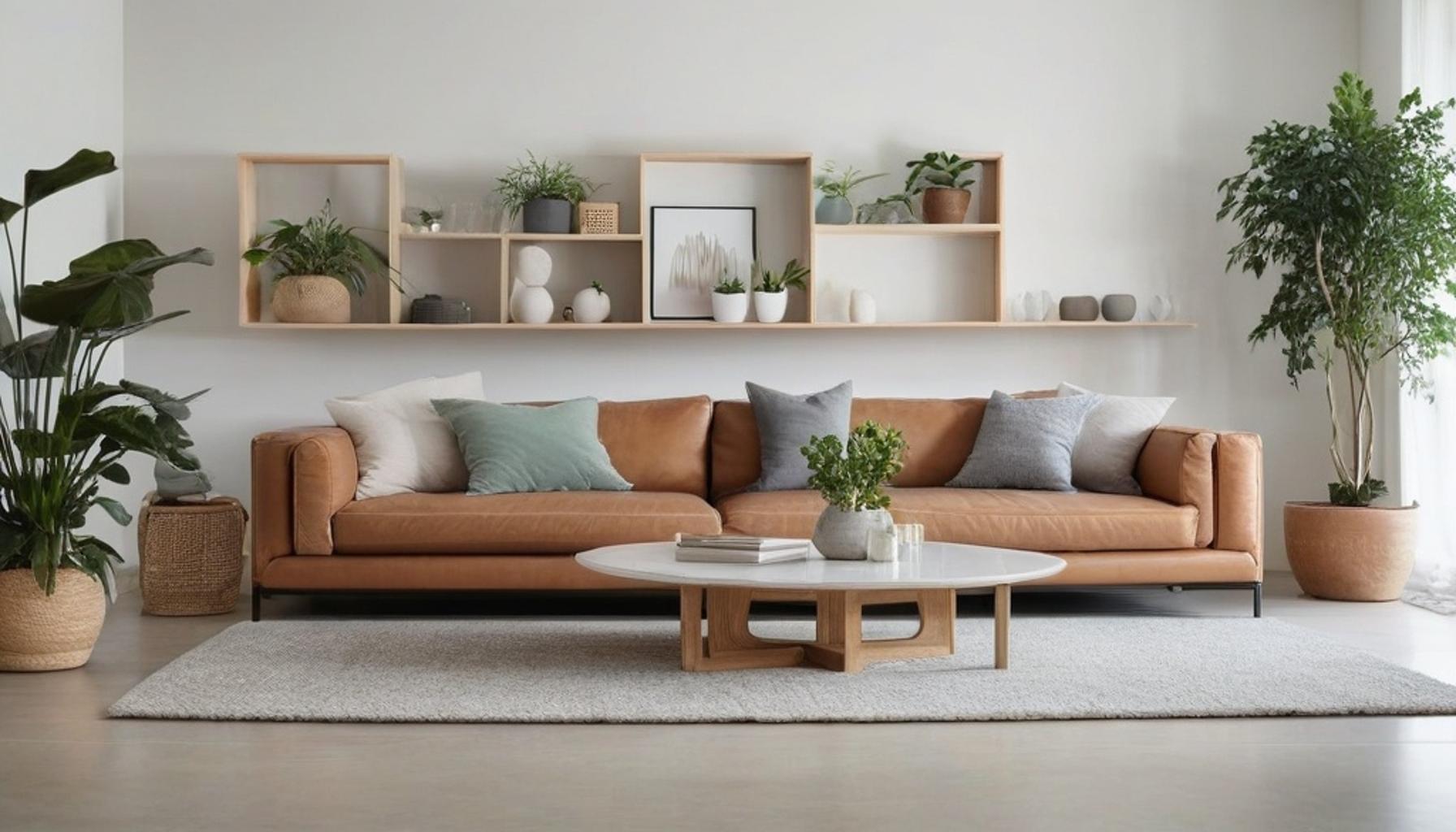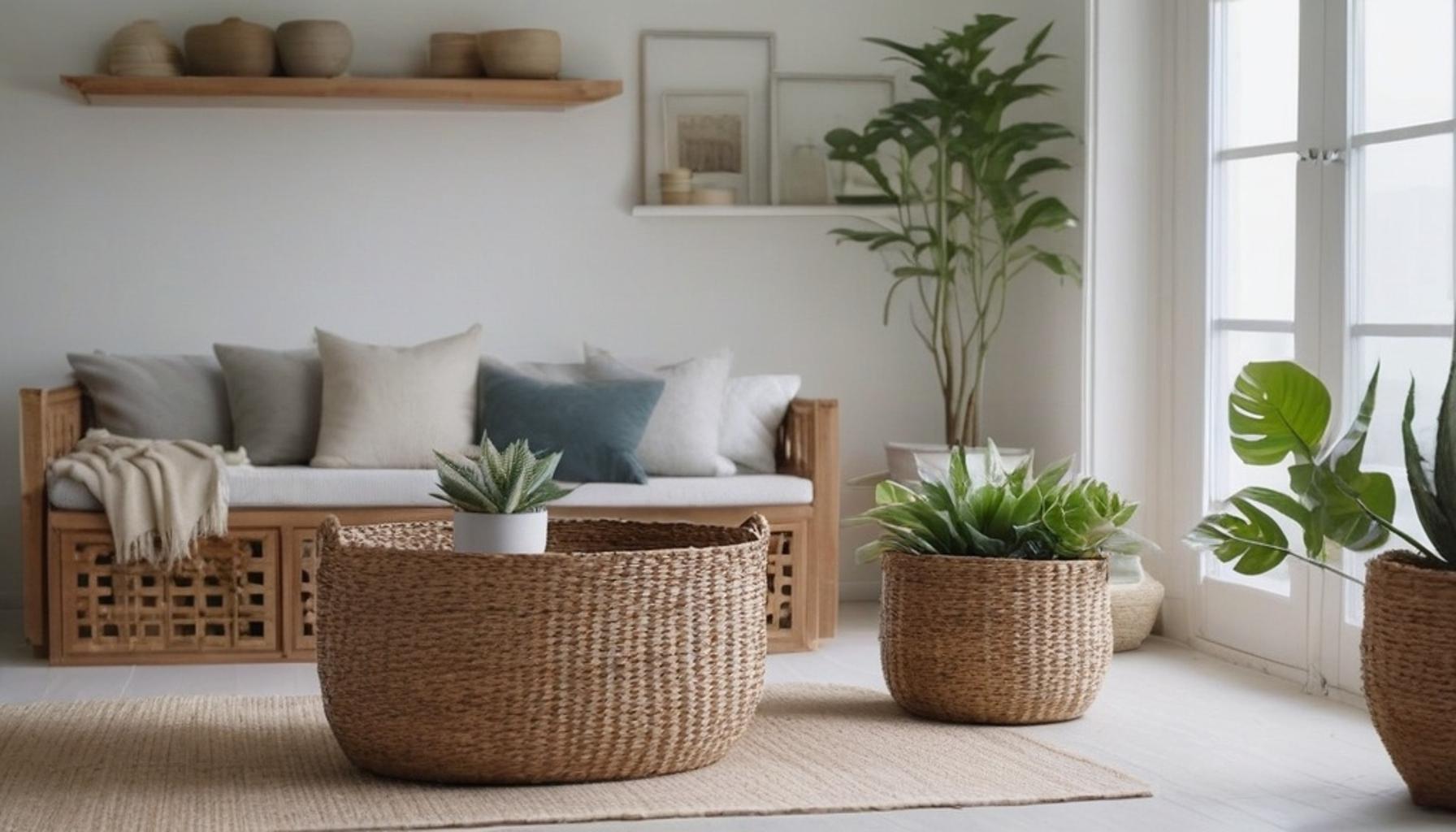
Maximizing Space: Smart Storage Solutions for Minimalist Living
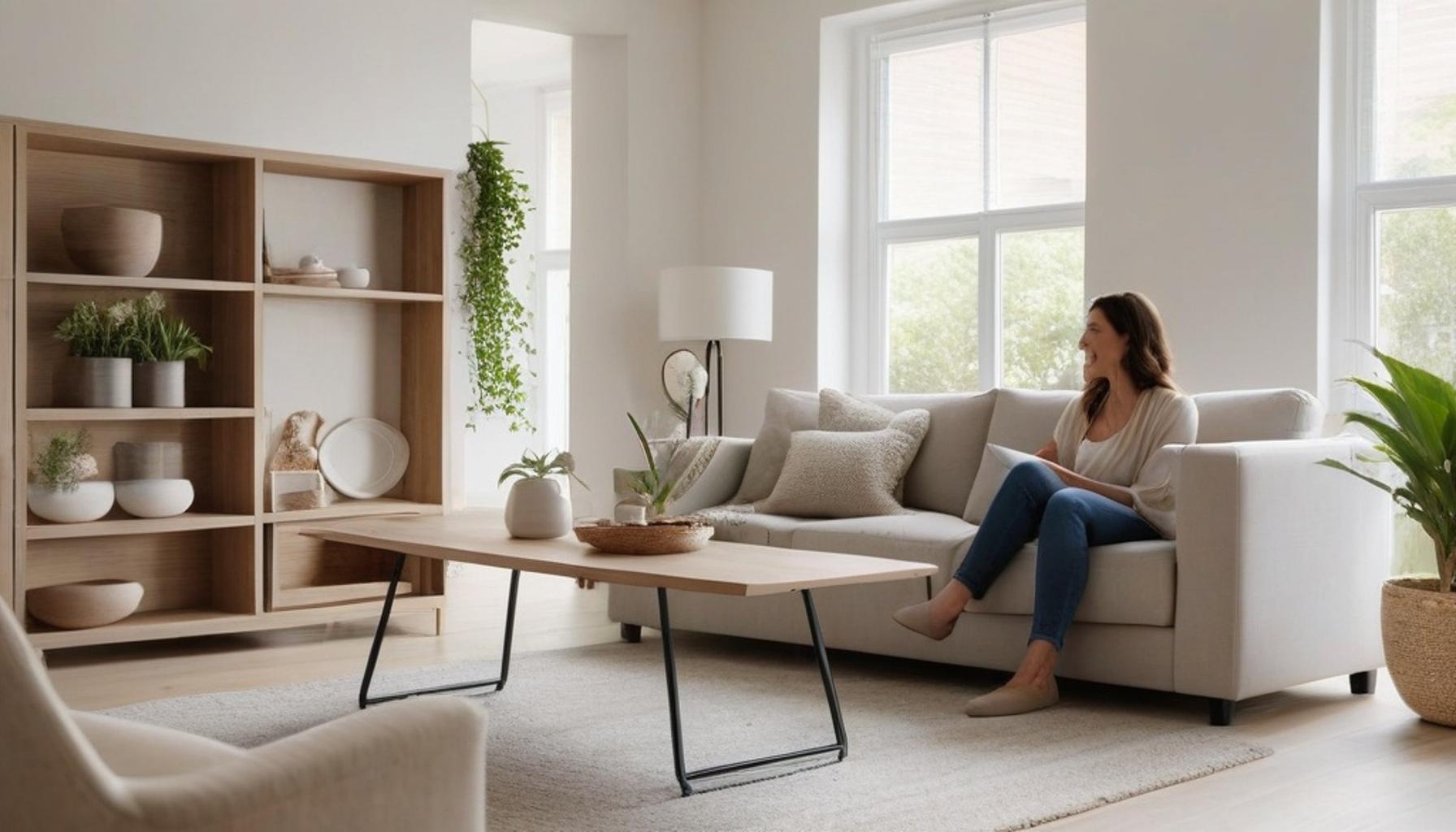
Small Footprint, Big Possibilities
The average American home has shrunk in recent years, with many city dwellers now living in spaces under 750 square feet. Yet cramped square footage doesn’t have to mean cluttered chaos. Smart Storage Solutions are transforming tiny apartments and cozy homes into functional, breathable spaces.
Minimalist living isn’t just an aesthetic trend—it’s a practical response to rising rent costs and urban density. According to recent housing reports, over 40% of renters in major metros like New York and San Francisco occupy studio or one-bedroom units. Living in smaller spaces often requires a shift in mindset, where every item must serve a purpose, leading to a more intentional lifestyle.
Why Smart Storage Matters Now
Every square foot counts when space is limited. That’s where strategic organization and space-saving furniture come into play, turning underutilized corners into functional storage zones. For instance, a bed with built-in drawers or a coffee table that opens up to reveal hidden compartments can make significant impacts in a small apartment.
This article explores practical, budget-friendly approaches to reclaiming your space. Expect to discover:
- Multi-functional furniture that doubles as storage, such as ottomans that can hold blankets or stools that can fit under a dining table.
- Vertical storage hacks for small kitchens and closets; think wall-mounted shelves or hanging racks for pans and utensils.
- Decluttering strategies that create lasting habits, including the ‘one-in, one-out’ rule to prevent accumulation.
- Best storage ideas for renters who can’t renovate, like adhesive hooks for hanging art or organizer bins for closets.
- Affordable home organization solutions under $50, such as collapsible storage bins available at major retailers like Target or IKEA.
Whether you’re downsizing, moving into your first apartment, or simply craving a calmer environment, these minimalist living tips offer real solutions. No expensive renovations required—just smarter choices about what you keep and how you store it. For example, a well-organized closet with labeled bins can streamline your morning routine and make your small space feel more inviting.
As we continue to adapt to smaller living environments, it’s clear that the way we utilize space can transform our everyday lives. By prioritizing functionality, even the coziest of homes can become an oasis of comfort and efficiency.
DISCOVER: Click here to dive into minimalist kitchen ideas
Rethinking Every Corner: The Foundation of Smart Storage Solutions
Walk into any well-organized small apartment, and you’ll notice something immediately: nothing is wasted. Not the space above the refrigerator, not the gap under the bed, not even the back of a closet door. This is the essence of Smart Storage Solutions—treating every inch of your home as valuable real estate.
Interior designers who specialize in compact living often start with a simple audit. They ask clients to identify “dead zones”—those awkward, underused areas that exist in nearly every home. A 2023 survey by the National Association of Home Builders found that the average American household uses only 60% of its available storage space efficiently, leaving the rest cluttered or completely ignored.
Vertical Thinking Changes Everything
When floor space runs out, the solution is simple: look up. Vertical storage has become one of the most effective minimalist living tips for renters in cities like Chicago, Boston, and Seattle, where ceiling height often goes unused.
Consider these vertical strategies that require zero renovation:
- Floating shelves installed above doorways for books or decorative storage bins.
- Tension rods placed inside cabinets to create a second tier for plates or cutting boards.
- Over-the-door organizers for shoes, cleaning supplies, or pantry items.
- Wall-mounted pegboards in kitchens, popular in tiny homes featured on HGTV, for hanging pots and utensils.
These aren’t just space-savers—they’re statement pieces when styled thoughtfully, proving that home organization solutions don’t have to sacrifice visual appeal for function.
The Multi-Functional Furniture Movement
Furniture manufacturers have taken notice of America’s shrinking square footage. Brands like IKEA, West Elm, and even Wayfair now dedicate entire product lines to space-saving furniture designed specifically for studio apartments and micro-units.
A platform bed with built-in drawers can eliminate the need for a separate dresser entirely. A nesting coffee table set provides surface area when guests arrive, then collapses down to nearly nothing. Even dining setups have evolved—drop-leaf tables that fold flat against a wall are increasingly common in New York City listings under 500 square feet.
The math here is compelling. According to Apartment Therapy’s 2023 reader survey, residents who invested in at least three multi-functional furniture pieces reported feeling 35% more satisfied with their living space, even without increasing square footage. That’s not just organization—that’s a measurable shift in quality of life.
DISCOVER MORE: Click here to dive into minimalist kitchen inspiration
Hidden Storage Zones and the Psychology of Letting Go
Beyond furniture and shelving lies a category of storage that most homeowners overlook entirely: the spaces that already exist within their walls, staircases, and closets. Finding these hidden zones is often the difference between a home that feels cramped and one that feels curated.
Closet organization companies like California Closets and The Container Store report a surge in demand for custom builds that maximize awkward angles—think sloped ceilings in attic bedrooms or narrow gaps beside HVAC units. These aren’t luxury add-ons anymore; they’re becoming standard best storage ideas for anyone serious about reclaiming square footage.
The Staircase and Closet Advantage
In row houses and brownstones common throughout Philadelphia and Baltimore, staircases often hide an entirely unused cavity beneath them. Builders have started transforming these voids into pull-out drawers, wine storage, or even compact home offices.
Closets, too, deserve a second look. The average closet wastes nearly 40% of its vertical space, according to a 2022 report from the National Closet Group. Simple additions can reverse that waste:
- Double-hang rods that separate short items like shirts from long dresses or coats.
- Shoe racks mounted vertically instead of stacked horizontally on the floor.
- Clear labeled bins on upper shelves for seasonal rotation.
- Slim velvet hangers that free up to 50% more rod space compared to bulky plastic versions.
Why Decluttering Comes Before Organizing
No storage system works if it’s hiding clutter rather than eliminating it. This is where decluttering strategies become essential, not optional. Professional organizer Marie Kondo popularized the idea that every object should earn its place, but the data backs up the emotional case too.
A study published by the Journal of Environmental Psychology found that individuals living in visually cluttered homes reported higher cortisol levels—the body’s primary stress hormone—compared to those in tidy, minimal spaces. In other words, smart storage isn’t just about aesthetics; it directly affects mental well-being.
Practical decluttering often starts with the “one-year rule”: if an item hasn’t been used in twelve months, it likely doesn’t belong. Combined with digital tools like Sortly or Airtable for tracking storage inventory, many minimalist households now treat their belongings the way businesses treat warehouse stock—counted, categorized, and reviewed regularly.
This mindset shift, more than any single product or hack, is what separates temporary tidiness from lasting home organization solutions that actually stick.
DISCOVER MORE: Click here to dive into minimalist kitchen ideas
Rethinking Space as a Renewable Resource
Across every strategy explored in this piece, one truth emerges: square footage is not fixed, it’s negotiated. From under-stair drawers in Baltimore row houses to vertically organized closets, the homes that feel spacious aren’t necessarily larger—they’re smarter.
Smart Storage Solutions succeed when they combine two elements: physical design and behavioral discipline. A custom-built closet system means little if it’s filled with items nobody has touched in three years. Likewise, ruthless decluttering without functional furniture just shifts chaos from one room to another.
Small Shifts, Measurable Results
The data throughout this article points to a clear pattern. Reclaiming even 40% of wasted vertical space, as seen in typical closets, or converting a single staircase cavity into usable storage can noticeably change how a home functions day to day.
These aren’t massive renovations. They’re targeted, often affordable adjustments that compound over time, similar to how small financial habits build long-term savings.
For renters and homeowners alike, this means minimalist living tips don’t require gutting a space. They require observation: Where is space being wasted? What furniture could double as storage? Which items haven’t earned their place in a year?
Looking Ahead
As urban housing costs continue climbing in cities like New York, San Francisco, and Chicago, the demand for space-saving furniture and modular design will likely keep growing. Companies already investing in multi-functional pieces and custom closet systems are responding to a market that values efficiency as much as style.
The bigger takeaway extends beyond square footage. Thoughtful home organization solutions reduce stress, simplify decision-making, and create homes that support rather than complicate daily life.
Maximizing space, ultimately, isn’t about owning less for its own sake. It’s about making sure everything within your walls actually serves you.
Frequently Asked Questions
What are some effective smart storage solutions for small apartments?
In small apartments, vertical storage solutions like wall-mounted shelves and over-the-door organizers can maximize space. Multi-functional furniture, such as ottomans with hidden storage or beds with drawers, also help in reducing clutter while providing practical use.
How can I utilize under-bed space for storage?
Under-bed storage is an excellent way to keep items out of sight while maintaining easy access. Use storage bins or rolling drawers designed to fit under your bed, allowing you to store seasonal clothing, shoes, or spare bedding.
What types of containers work best for organizing a small closet?
For small closets, stackable bins and clear containers are ideal as they use vertical space efficiently while allowing you to see what’s inside. Consider using slim hangers for clothing and storage boxes for accessories to optimize every inch of space.
How can I integrate smart storage solutions in my kitchen?
In the kitchen, utilize vertical wall space by installing shelves for spices, pots, or cookbooks. Magnetic strips can hold utensils or knives, while pull-out racks and under-shelf baskets maximize cabinet space efficiently.
What are some tips for organizing a home office with limited space?
In a limited space home office, opt for wall-mounted desks or foldable tables that can be stowed away when not in use. Use vertical file storage, pegboards for tools, and drawer organizers to keep supplies tidy and accessible without taking up too much room.
Can smart storage solutions improve my living space aesthetics?
Absolutely! Smart storage solutions not only maximize space but can also enhance your living space’s aesthetics by providing stylish storage options. Choose decorative storage bins or built-in cabinetry that blends with your decor to keep things organized and visually appealing.

Beatriz
Beatriz Johnson is a seasoned minimalist and writer with a passion for simplifying the complexities of personal organization and intentional living. With over a decade of experience in decluttering strategies and mindful consumption, she specializes in topics like space optimization, habit simplification, and sustainable lifestyle choices. Through her work on our website, Beatriz empowers readers to embrace minimalism, reduce mental and physical clutter, and create more meaningful, organized lives in today's fast-paced world.