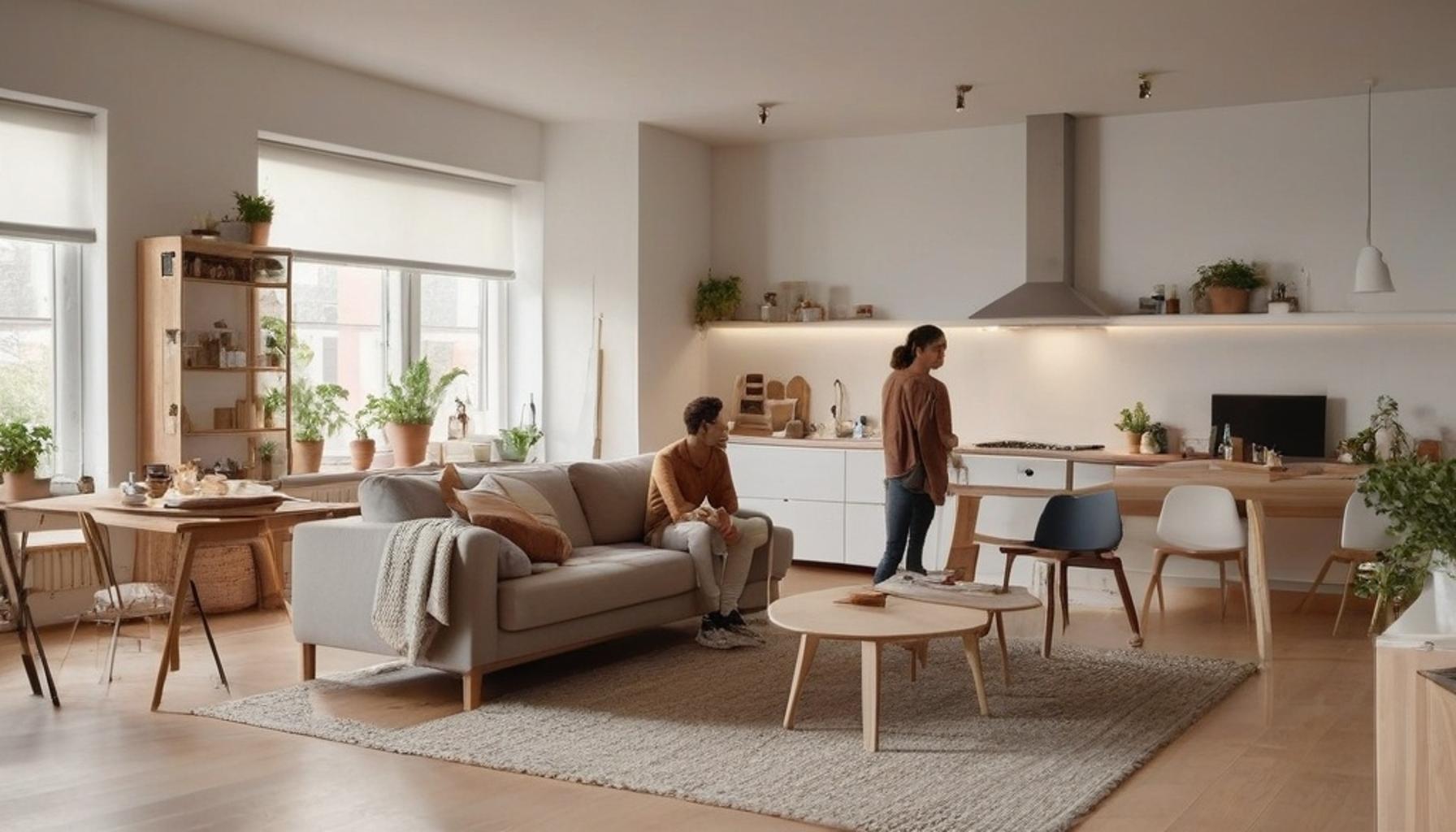
Maximizing Space: Smart Storage Solutions for a Clutter-Free Home
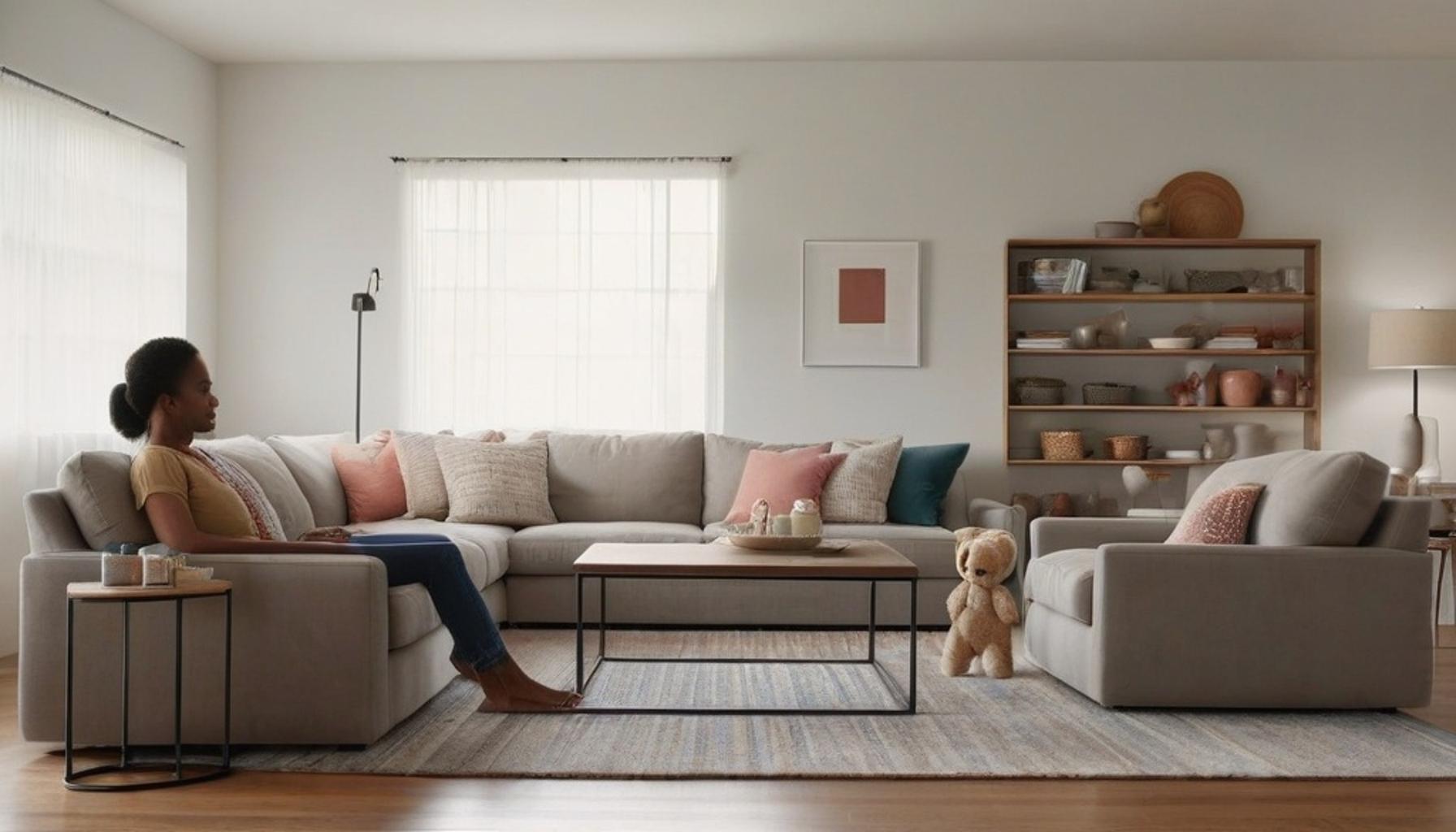
The trend in American residential living has shifted significantly over the past decade, with the average size of new single-family homes now measuring under 2,300 square feet. This contraction in living space has driven homeowners and renters to creatively navigate their increasingly cluttered environments, where personal belongings continue to grow in number.
This dynamic has catalyzed a surge in interest surrounding smart storage solutions. These solutions go far beyond mere organization; they play a crucial role in transforming cramped apartments and starter homes into spaces that not only meet functional needs but also promote a sense of harmony and comfort. No longer is it sufficient to just stow items away; the emphasis is now on making the most out of every square foot.
What You’ll Discover in This Guide
Maximizing the space in your home rests on the principle that it isn’t necessarily about owning less—it’s about storing smarter and more efficiently. Whether through space-saving furniture or ingenious hidden compartments, the right strategies can effectively add the equivalent of an extra room without the need for any structural changes.
- Explore practical storage solutions for small spaces, tailored for studios and micro-apartments that reflect the challenges of urban living.
- Discover proven decluttering techniques employed by professional organizers, making it possible to embrace minimalism without sacrificing your favorite items.
- Find suggestions for multi-functional furniture that adapts to the demands of city living, such as beds with built-in storage or coffee tables that transform into dining setups.
- Uncover vertical storage strategies that optimize spaces like kitchens, closets, and garages, utilizing wall areas to eliminate clutter at ground level.
These clutter-free home ideas are practical and realistic, suitable for all types of American households—whether you’re dealing with a tiny New York City studio or a suburban home brimming with kids’ toys and gear. Solutions should align with your unique lifestyle while also being mindful of your budget.
If you’re ready to unlock the hidden potential of your living space, you’ll find that these home organization tips go far beyond traditional bins and baskets. They offer strategic solutions that promise to enhance not only the functionality but also the aesthetic appeal of your home. By leveraging innovative approaches, you can create an inviting atmosphere that feels spacious and organized, regardless of the actual square footage.
DISCOVER: Click here to dive into minimalist kitchen ideas
Home organization has taken on a new dimension as homeowners adapt to the realities of modern living. As properties shrink and the accumulation of belongings grows, the need for innovative storage solutions has never been more pressing. The advent of the vertical revolution is reshaping how spaces are utilized. The focus has shifted from just floor space to the vast underutilized vertical areas within our homes.
When considering the potential of vertical storage, it is essential to recognize how much is being left on the table. For example, a typical 10-foot by 10-foot bedroom may yield 100 square feet of floor space, yet the vertical dimension—often extending to 8 or 9 feet—has often been neglected. Professional organizers indicate that by effectively harnessing wall space, homeowners can gain the storage capacity of an additional 30 to 40 square feet without necessitating any renovations or structural changes.
Where Vertical Storage Makes the Biggest Impact
Certain areas of the home can benefit significantly from vertical storage solutions, presenting opportunities for efficiency and organization.
- Kitchens: In this high-traffic area, optimizing vertical space can lead to up to a 20% reduction in counter and cabinet clutter. Solutions include installing pot racks suspended from the ceiling, which not only frees valuable surface area but also adds an aesthetic touch. Magnetic knife strips keep utensils easily accessible and organized, while stackable shelf risers can double the useable space inside cabinets, making it easier to find ingredients and tools.
- Closets: Many closets, particularly in older homes, are designed with inefficient layouts. Adding double-hang rods allows for more clothing to be organized without sacrificing accessibility. Over-the-door shoe organizers can maximize otherwise wasted space, transforming a chaotic collection of shoes into a neatly arranged display, thereby effectively doubling the closet’s storage capacity without the need for extensive remodeling.
- Garages: Often a catch-all for seasonal items and outdoor equipment, garages can be transformed with the use of wall-mounted pegboards. This not only keeps tools organized but also enhances safety by minimizing clutter on the floor. Overhead ceiling racks are perfect for storing bulky items like holiday decorations or camping gear, freeing up the garage floor for better usage, such as parking or recreational activities.
These storage solutions for small spaces are not merely about hiding away items; they are about reclaiming livable square footage that clutter has all but seized. Implementing such strategies allows homeowners to curate their living environments, fostering a sense of order and tranquility.
The Psychology Behind an Organized Space
The impact of organization transcends aesthetics, delving into the emotional and psychological realms of our lives. Research in environmental psychology has revealed that cluttered environments can lead to increased levels of stress and distractibility. In contrast, organized spaces can evoke feelings of calmness and clarity, directly affecting one’s mental state.
Informed homeowners from various parts of the country—from the dense Brooklyn brownstones to the charming Austin bungalows—are recognizing the dual benefits of smart storage solutions. These innovations not only resolve practical space limitations but also enhance daily quality of life. The current wave of clutter-free home ideas is not centered on extreme minimalism; instead, it emphasizes intentional, functional design that honors both the belongings we own and the living spaces we inhabit.
By embracing the vertical revolution and considering the psychological benefits of a decluttered home, homeowners can create spaces that reflect their lifestyle while promoting peace of mind. As trends evolve, it is clear that the future of home organization lies in rethinking each inch—upwards, not outwards.
DISCOVER: Click here to uncover minimalist kitchen ideas
Multi-Functional Furniture and the Rise of Space-Saving Design
Beyond wall space, a quieter revolution has been unfolding within furniture design itself. Space-saving furniture has moved from niche apartment therapy blogs into mainstream retail, with major manufacturers reporting double-digit growth in convertible and multi-use furniture sales over the past several years.
This shift reflects a simple truth: in cities like San Francisco or New York, where the average studio apartment hovers around 500 square feet, every piece of furniture must justify its footprint.
Furniture That Does Double Duty
The most effective smart storage solutions often hide in plain sight, disguised as ordinary furniture. Homeowners and renters alike are discovering that a single well-chosen piece can replace three or four single-purpose items.
- Storage ottomans and benches: These pieces provide seating while concealing blankets, board games, or seasonal clothing. Many models open from the top, offering roughly 4 to 6 cubic feet of hidden storage.
- Murphy beds and wall beds: Once associated with cramped city lofts, these fold-away beds now come with integrated shelving and desks, effectively turning a bedroom into a home office by day.
- Expandable dining tables: Drop-leaf and extendable designs allow a table to shrink to a narrow console when not in use, then expand to seat six or eight guests for holidays.
- Bed frames with built-in drawers: Rather than relying on a separate dresser, under-bed storage frames can absorb an entire wardrobe’s worth of folded clothing.
Interior designers note that this approach to maximizing space in home layouts is particularly effective in multi-purpose rooms, where a guest bedroom might double as a study or a living room must occasionally accommodate overnight visitors.
Decluttering Techniques That Support Long-Term Organization
Furniture and shelving only solve half the equation. Without consistent decluttering techniques, even the best-designed storage system eventually fills up again. Professional organizers frequently recommend the “one-in, one-out” rule: for every new item brought into the home, an existing one should be donated, sold, or discarded.
Seasonal audits are another widely endorsed practice. Setting aside time every three to four months to reassess closets, garages, and kitchen cabinets helps prevent the slow creep of clutter that undoes earlier organizational efforts.
Labeling systems, whether handwritten tags or a smartphone inventory app, also play a growing role. According to organizing professionals, households that label storage bins and shelves are significantly more likely to maintain order after six months compared to those that skip this step.
Ultimately, these home organization tips work best in tandem: vertical shelving and multi-functional furniture create the physical capacity, while disciplined habits ensure that capacity does not simply refill with unnecessary items. Together, they form a sustainable framework rather than a one-time fix.
DISCOVER MORE: Click here to dive into minimalist kitchen ideas
Bringing It All Together: A Smarter Way to Live
From floor-to-ceiling shelving to fold-away beds, the path toward a genuinely clutter-free home rarely depends on a single fix. Instead, it emerges from layering several strategies until they work as one cohesive system.
Vertical storage claims overlooked wall space. Multi-functional furniture stretches the usefulness of every square foot. Consistent decluttering habits keep both from becoming overwhelmed again within months. Each element compensates for what the others cannot do alone, which is why isolated efforts, like buying a single storage ottoman, often disappoint homeowners expecting a complete transformation.
Why This Matters Beyond Aesthetics
The appeal of storage solutions for small spaces extends past visual tidiness. Organized households tend to report lower stress levels, faster morning routines, and, in rental markets, stronger negotiating positions when subletting or showing a unit to prospective buyers. Real estate agents in tight urban markets frequently note that well-organized, visually open spaces tend to photograph better and leave stronger impressions during showings.
There is also a financial angle worth considering. Investing in durable, multi-purpose furniture may cost more upfront than buying several cheaper single-use pieces, but it typically reduces long-term spending on replacements and additional storage units.
Final Thoughts
Ultimately, maximizing space in home design is not a onetime project but an ongoing relationship between environment and habit. The most successful clutter-free home ideas combine smart infrastructure, shelving, convertible furniture, labeled bins, with the discipline to reassess belongings regularly.
As housing costs continue rising and living spaces shrink across major American cities, the demand for thoughtful, adaptable storage will likely keep growing. Homeowners who start experimenting now, testing what fits their routines and revisiting their systems seasonally, are positioned to stay ahead of that curve rather than scrambling to catch up later.
Frequently Asked Questions
What are some effective smart storage solutions for small apartments?
In small apartments, maximize vertical space by using wall-mounted shelves or tall bookcases. Consider multi-functional furniture, like ottomans with storage inside or beds with built-in drawers. Utilizing under-bed storage bins can also help keep items out of sight yet easily accessible.
How can I implement smart storage solutions in my kitchen?
In the kitchen, use stackable containers and clear bins to organize pantry items and make the most of cabinet space. Adding a pegboard for pots and pans can free up drawers and enhance accessibility. Consider using magnetic strips to store knives and other metallic utensils on the wall.
What are some smart storage solutions for maximizing closet space?
To maximize closet space, utilize cascading hangers to create more vertical hanging space for clothes. Adding adjustable shelves above the hanging rod can create additional storage for shoes or folded items. Over-the-door organizers can also hold accessories and small items without taking up floor space.
How can smart storage solutions help reduce clutter in living rooms?
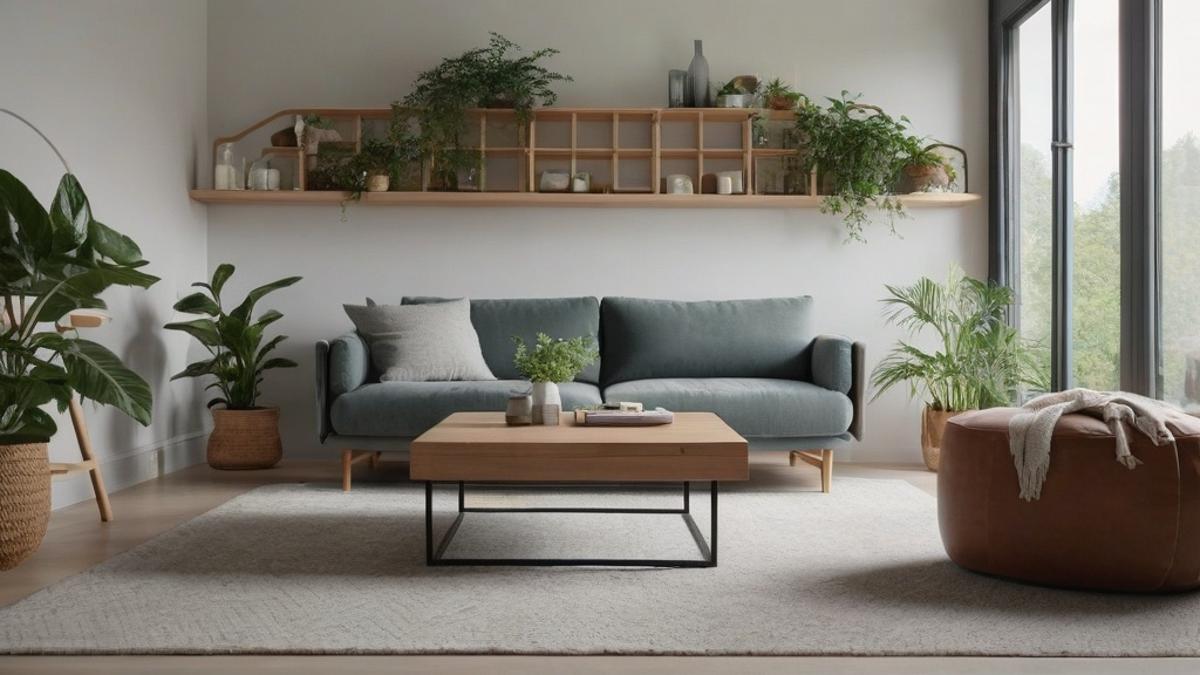
In living rooms, incorporate furniture with hidden storage, such as coffee tables with shelves or storage benches. Use baskets or decorative boxes to contain throw blankets and magazines, keeping surfaces tidy. Wall-mounted cabinets can also help store items while maintaining a sleek look.
Are there any smart storage solutions specifically for children’s toys?
For children’s toys, consider using open bins or baskets that are easily accessible for kids to learn to put their toys away. Wall-mounted shelves can serve as display areas for books and toys, while toy chests can double as seating. Additionally, utilizing clear containers allows for quick visibility of toy contents.

Beatriz
Beatriz Johnson is a seasoned minimalist and writer with a passion for simplifying the complexities of personal organization and intentional living. With over a decade of experience in decluttering strategies and mindful consumption, she specializes in topics like space optimization, habit simplification, and sustainable lifestyle choices. Through her work on our website, Beatriz empowers readers to embrace minimalism, reduce mental and physical clutter, and create more meaningful, organized lives in today's fast-paced world.