Optimization of Space in Small Environments: Smart Storage Solutions for Intentional Living
Making Every Square Foot Count
The average American apartment has shrunk to just 882 square feet, according to recent housing data, yet the demand for functional, clutter-free living has never been higher. This shift is pushing homeowners and renters alike to rethink how they use their space entirely. As urban populations swell and living expenses skyrocket, the necessity of efficiency in living environments has become paramount.
Enter the growing movement toward Smart Storage Solutions — a practical response to tight square footage that doesn’t sacrifice style or comfort. It’s not simply about cramming more belongings into a limited area; it’s about fostering intentional living through superior design choices that reflect both functionality and personal aesthetics. By embracing a smart approach, homeowners can create inviting spaces that are not only more organized but also more enjoyable to live in.
Why This Topic Matters Right Now
Urban living costs continue to climb significantly, with cities like San Francisco and New York often leading the pack. Many residents are choosing smaller homes as a trade-off for better locations or lower rent. This makes space optimization ideas less of a luxury and more of a necessity.
Consider the drivers behind this ongoing trend:
- Rising real estate prices in major U.S. cities have forced many to reconsider their living arrangements. This often leads to homes that are less than ideal but more financially feasible.
- A cultural shift toward minimalism and decluttering has encouraged individuals to focus on quality over quantity, promoting the idea that less can indeed be more.
- The increase in remote work has led to the need for multipurpose rooms that seamlessly transition between a home office and a living area.
- There’s a growing interest in sustainable, mindful consumption, prompting individuals to examine not only their material possessions but how those choices impact their living environment.
These factors have sparked a wave of creative storage solutions that go far beyond simple shelving units. Innovations such as under-stair cabinets, collapsible furniture, and modular systems are becoming commonplace in small homes, proving that a clever design can revolutionize constrained spaces.
What This Article Covers
From hidden compartments to vertical storage systems, achieving maximum storage in small homes requires strategy, not just extra furniture. Below, you’ll discover practical, tested approaches to transform even the tightest spaces into functional havens.
This guide delves into small space storage tips and long-term intentional living storage strategies that fit real budgets and accommodate real lifestyles. Be prepared to reimagine your home’s potential as a stylish and organized sanctuary, where every square foot is utilized wisely, reflecting both your personal style and a commitment to efficient living.
DISCOVER MORE: Click here to learn about minimalist kitchen design
# Vertical Thinking: The Foundation of Smart Storage Solutions
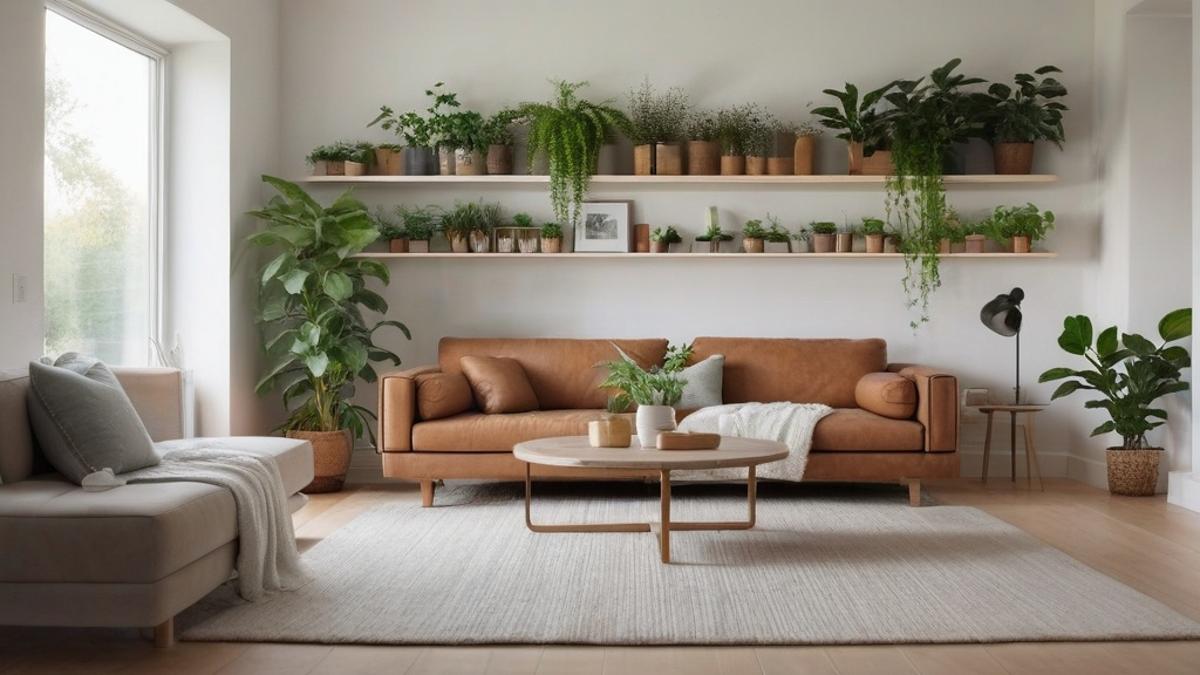
Walk into any well-organized small home, and you’ll notice one thing immediately: the walls are working overtime. Vertical space remains the most underutilized resource in American apartments and starter homes, yet it holds the key to unlocking serious square footage. When floor space runs out, ceilings become the next frontier.
This is the first principle behind effective space optimization ideas: stop thinking in two dimensions. A studio apartment in Boston or a compact bungalow in Austin might have identical floor plans, but the one that feels spacious almost always uses height strategically.
Building Upward: Practical Vertical Storage Tactics
Professional organizers and interior designers consistently point to a handful of vertical strategies that deliver the biggest impact for the smallest investment. These aren’t abstract concepts — they’re concrete, buildable solutions found in thousands of American homes right now.
- Floor-to-ceiling shelving units that flank doorways or fireplaces, turning dead corners into display and storage zones.
- Wall-mounted pegboards in kitchens and home offices, popularized by mid-century design but newly relevant for renters who can’t drill extensively into walls.
- Over-the-door organizers for closets, bathrooms, and pantries — a low-cost entry point into creative storage solutions that requires zero tools.
- Loft beds or elevated sleeping platforms, common in New York City micro-apartments, which free up the entire floor beneath for a desk, seating, or storage bins.
According to the National Association of Home Builders, nearly 32% of new apartment renters cite storage as a top-three deciding factor when choosing a unit. That statistic alone signals why builders and renters are paying closer attention to vertical design rather than just square footage on paper.
Why Height Matters More Than Homeowners Realize
Most rooms in American homes have ceilings between 8 and 10 feet, yet the average storage furniture piece only reaches 5 or 6 feet high. That gap — often 3 feet or more of unused air space — represents a significant opportunity for anyone serious about maximum storage in small homes.
Custom cabinetry that extends to the ceiling, even if the top shelves hold rarely used items like seasonal decor or luggage, effectively adds an entire extra shelf’s worth of storage without expanding the room’s footprint. It’s a simple shift in perspective, but one that changes how a space performs daily.
This approach lays the groundwork for the next challenge every small-space dweller faces: what to do when even the walls aren’t enough, and furniture itself needs to start pulling double duty.
| Category | Details |
|---|---|
| Multifunctional Furniture | Transformative pieces that serve various purposes and reduce clutter. |
| Vertical Storage | Utilizing wall space with tall shelves and hanging solutions for maximizing areas. |
| Under-Bed Storage | Using bins and drawers under beds for efficient utilization of otherwise unused space. |
| Creative Nooks | Designing corners and alcoves for unique storage options, enhancing aesthetics and functionality. |
DISCOVER: Click here to dive into minimalist kitchen ideas
# Multi-Functional Furniture: Where Form Meets FunctionOnce the walls and ceilings have been put to work, the next logical step in any serious approach to space optimization ideas involves the furniture itself. In small homes, every piece should justify its footprint by doing more than one job.This is the philosophy driving the resurgence of transforming furniture across American retail. Companies like Resource Furniture and even mainstream brands such as IKEA have built entire product lines around pieces that shift shape depending on the moment — a sofa by day, a bed by night; a dining table that folds flat against a wall when not in use.
The Rise of Convertible and Hidden-Storage Pieces
Furniture with built-in storage has moved from niche design showrooms into big-box stores, signaling a broader shift in how Americans furnish smaller units. A few standout examples illustrate this trend clearly:
- Storage ottomans that double as coffee tables and hide blankets, remote controls, or board games inside a hinged lid.
- Platform beds with built-in drawers, eliminating the need for a separate dresser in bedrooms under 150 square feet.
- Murphy beds paired with fold-down desks, a combination increasingly common in Seattle and San Francisco micro-units where work-from-home space is non-negotiable.
- Nesting tables that collapse into a single unit, ideal for entertaining without permanently sacrificing floor space.
Data from Statista shows the U.S. home furniture market topped $120 billion in 2023, with multi-functional and space-saving categories among the fastest-growing segments. Retailers aren’t chasing a trend; they’re responding to genuine demand from shrinking average home sizes.
Small Space Storage Tips That Rely on Furniture Placement
Beyond the furniture itself, placement plays a critical role. Pushing a bed against a corner rather than centering it against a wall, for instance, can free up enough room for a slim bookshelf or bench.Design experts often recommend measuring traffic flow before purchasing anything. A general rule: leave at least 30 inches of walking space between major furniture pieces. This keeps rooms functional while still allowing for storage-dense pieces to earn their place.
Intentional Living Storage Starts With Fewer, Better Choices
There’s a deeper principle at work here, one tied closely to intentional living storage. Choosing fewer, higher-quality pieces that serve multiple purposes reduces clutter naturally, without requiring constant organizing effort.This mindset also curbs impulse furniture purchases, since every new item must pass a simple test: does it earn its square footage? That question alone reshapes how Americans furnish apartments, condos, and starter homes, pushing the conversation toward smarter, not larger, living spaces.
Bringing It All Together: Small Spaces, Smarter Living
The numbers tell a clear story. As American home sizes shrink and urban rents climb, Smart Storage Solutions have shifted from a niche design preference to a practical necessity. What started as vertical shelving and clever wall hooks has evolved into an entire industry built around helping people live well in less square footage.
Throughout this discussion, one theme keeps resurfacing: intentionality beats accumulation. Whether it’s a Murphy bed in a Seattle micro-unit or a set of nesting tables in a Brooklyn studio, the goal is never simply to store more. It’s to store smarter.
Key Takeaways for Maximum Storage in Small Homes
- Vertical space and multi-functional furniture work together, not separately, to unlock maximum storage in small homes.
- Every purchase should be evaluated against a simple question: does this item earn its footprint?
- Traffic flow and placement matter as much as the furniture itself.
- Fewer, better-chosen pieces reduce clutter more effectively than constant reorganizing.
Retailers like IKEA and Resource Furniture aren’t inventing demand — they’re responding to it. That $120 billion furniture market figure isn’t just a statistic; it’s a signal that Americans nationwide are rethinking how they inhabit their homes.
Looking ahead, expect creative storage solutions to keep merging with smart-home technology, from app-controlled Murphy beds to sensor-based drawers that track inventory. For now, though, the most effective small space storage tips remain refreshingly low-tech: build up, choose dual-purpose pieces, and buy with intention.
Ultimately, optimizing a small space isn’t about sacrifice. It’s about designing a home that works as hard as the people living in it.
Frequently Asked Questions
What are some effective smart storage solutions for maximizing closet space in small apartments?
To maximize closet space in small apartments, consider using cascading hangers to double your hanging space and adding shelf dividers to keep items organized. Utilizing vertical storage solutions like over-the-door racks or stackable bins can also help make the most of limited areas. Additionally, incorporating under-bed storage boxes can free up valuable floor space.
How can I implement smart storage solutions in a small bathroom?
In a small bathroom, wall-mounted shelves and floating cabinets can provide essential storage without taking up floor space. Utilize the insides of cabinet doors for storing toiletries with adhesive hooks or small baskets. Finally, consider corner shelving units which can capitalize on otherwise wasted space.
What multi-functional furniture can be used as smart storage solutions in studios?
In studio apartments, look for multi-functional furniture such as ottomans with storage inside, sofa beds, and coffee tables that open up for additional space. These pieces not only save space but also provide functionality, allowing for an organized living area while optimizing space. Choosing furniture with built-in storage features is key to intentional living.
Are there specific organizational tools that can enhance smart storage solutions in small kitchens?
Yes, specialized organizational tools like pull-out pantry shelves, magnetic knife strips, and tiered spice racks can enhance storage efficiency in small kitchens. Utilizing drawer organizers and stackable containers can help keep items accessible while maximizing space. Additionally, vertical storage solutions such as wall-mounted pot racks can free up counter space.
How can I create a functional workspace in a small living area using smart storage solutions?
To create a functional workspace in a small living area, consider using a wall-mounted desk that can be folded away when not in use. Integrate storage solutions such as shelving above the desk or a rolling cart that can be moved as needed. Additionally, utilize drawer organizers for office supplies to maintain a tidy and intentional workspace.

Beatriz
Beatriz Johnson is a seasoned minimalist and writer with a passion for simplifying the complexities of personal organization and intentional living. With over a decade of experience in decluttering strategies and mindful consumption, she specializes in topics like space optimization, habit simplification, and sustainable lifestyle choices. Through her work on our website, Beatriz empowers readers to embrace minimalism, reduce mental and physical clutter, and create more meaningful, organized lives in today's fast-paced world.