Intentional Living: Embracing Minimalism for a Stress-Free Home Environment
The Impact of Clutter on Well-Being
The average American home contains over 300,000 items, according to the LA Times. This staggering number may be a significant factor in the feelings of overwhelm many individuals experience the moment they step through their own front doors. The clutter can distract from daily life and create a sense of chaos, making it difficult to relax or concentrate.
Enter Intentional Living Minimalism, a growing movement reshaping how Americans think about their living spaces. This philosophy focuses not merely on owning less but on fostering a stress-free home environment that supports mental clarity and enhances daily peace. By embracing intentional living, individuals can transform their homes into sanctuaries where clutter no longer dictates their emotional state.
The Hidden Cost of Excess
Research from Psychology Today highlights a troubling connection between cluttered spaces and elevated cortisol levels, particularly among women. Elevated cortisol—also known as the stress hormone—can contribute to anxiety, depression, and various health issues. Visualize what this cluttered reality entails:
- Overflowing closets that make getting dressed a daily struggle, often leading to frustration and decision fatigue.
- Kitchen counters buried under unused gadgets, distracting from the joy of cooking and slowing down meal preparation.
- Digital clutter, such as overflowing email inboxes and disorganized digital files, competing for attention alongside the physical mess.
These are not mere aesthetic annoyances; they represent psychological burdens that accumulate silently, often leading to chronic stress. The impact of such environments can dramatically diminish one’s quality of life and sense of well-being.
A Different Way Forward
The benefits of minimalism stretch far beyond tidy shelves and empty surfaces. Families practicing simplified living report benefits such as improved sleep, enhanced focus, and even stronger relationships. With fewer distractions, it becomes easier to prioritize quality time with loved ones, engage in hobbies, and pursue personal interests.
This article will explore practical decluttering tips and mindful living practices that anyone can adopt today. From room-by-room strategies that methodically tackle clutter to transformative mindset shifts that encourage a more intentional way of living, discover how simple living ideas can not only transform your environment but also reshape your entire outlook on daily life.
As you embark on this journey towards minimalism, consider documenting your progress. This record can serve as motivation and reflect how each decluttered space contributes to a sense of tranquility and joy that permeates through your everyday life.
DISCOVER: Click here to learn more about minimalist kitchen ideas
Understanding the Core Principles of Intentional Living Minimalism
Before diving into closets and junk drawers, it helps to understand what separates Intentional Living Minimalism from a simple spring cleaning spree. This is not about achieving a stark, empty aesthetic often portrayed on social media. Instead, it’s a deliberate practice of aligning your possessions and daily habits with your actual values and needs, fostering a life of purpose and satisfaction.
Consider the profound impact our environments have on our mental well-being. A study published by the UCLA Center on Everyday Lives and Families found that mothers with cluttered homes exhibited higher levels of stress hormones throughout their day than those in more organized spaces. This research highlights a significant truth: our physical surroundings profoundly influence our emotional states, often without our conscious awareness. A cluttered environment can lead to feelings of anxiety and overwhelm, while a more serene atmosphere can promote calm and clarity.
The Three Pillars of a Stress-Free Home Environment
Experts in mindful living practices generally agree that lasting change rests on three foundational pillars. Understanding these can provide clarity and direction in every decision made during the decluttering process:
- Purpose over quantity — Every item in the home should serve a clear function or bring genuine joy, rather than simply filling space. For instance, consider the difference between keeping a stack of old magazines because they “might be useful” versus donating them to a local library or recycling them responsibly. This shift towards intentionality transforms the relationship with our belongings.
- Systems over sporadic effort — Sustainable simplicity requires routines like a monthly review of belongings. Regularly assessing possessions helps prevent accumulation and maintains a sense of order. For example, designating the first Saturday of each month as “declutter day” can inspire a family-wide commitment to evaluating their items, fostering a shared sense of responsibility.
- Awareness over autopilot — Recognizing habitual buying patterns—often triggered by enticing sales or the latest social media trends—can prevent clutter from creeping back in. The impulse to buy can be curbed by tracking purchases for a month and reflecting on what was genuinely needed versus what was merely desired.
Retailers capitalize on these impulses effectively. The average American reportedly spends over $18,000 annually on nonessential purchases, according to a Bankrate survey. Many Americans find themselves accumulating items that contribute to household clutter rather than lasting satisfaction. This statistic underscores the importance of intentional living; it encourages consumers to be mindful of their purchasing choices and to seek fulfillment beyond material possessions.
Why Small Changes Trigger Bigger Results
One of the most compelling benefits of minimalism is how quickly momentum builds through small changes. Clearing a single kitchen drawer often motivates someone to tackle a hallway closet the same weekend. This snowball effect occurs because visible progress creates a psychological reward, reinforcing the desire to continue on the minimalism journey.
Simple decluttering tips can significantly lower the intimidation factor of starting this process. Techniques like the “one-in, one-out” rule—whereby you commit to removing an item for every new possession brought into your home—or setting a 12-minute timer to focus on a single drawer can transform an overwhelming task into a manageable and oddly satisfying part of your weekly routine. These bite-sized actions encourage progress without the associated stress of extensive overhauls.
As these small shifts accumulate, they lay a strong foundation for the room-by-room strategies and simple living ideas that are essential in further exploring this guide. The journey of Intentional Living Minimalism is less about perfection and more about redefining personal space, fostering wellness, and making conscious choices, ultimately leading to a more joyful and fulfilling life.
| Category | Benefits |
|---|---|
| Decluttering | Creates mental space and clarity. |
| Mindful Consumption | Encourages intentional purchases and reduces waste. |
| Home Design | Fosters a calming atmosphere and promotes relaxation. |
DISCOVER: Click here to dive into minimalist kitchen ideas
Room-by-Room Strategies for Sustainable Simplicity
Transforming a philosophy into a physical reality requires a practical roadmap. Rather than attempting to declutter an entire house in a single weekend—a common mistake that leads to burnout—successful practitioners of Intentional Living Minimalism tackle spaces methodically, room by room.
The kitchen often serves as an ideal starting point. According to organizing professionals, the average American kitchen contains dozens of duplicate tools rarely used more than once a year. Consider the garlic press, the avocado slicer, or the electric egg cooker gathering dust in a back cabinet. Removing these redundant gadgets not only frees physical space but also reduces the mental load of maintaining and cleaning items that offer little value.
Bedrooms as Sanctuaries for Rest
Sleep experts consistently link bedroom clutter to poor sleep quality. The National Sleep Foundation reports that individuals who make their beds each morning and keep nightstands clear are significantly more likely to report restful sleep compared to those in disorganized spaces.
Applying mindful living practices to the bedroom might involve:
- Clearing surfaces — Nightstands should hold only items used nightly, such as a lamp or a book, rather than becoming catchalls for mail or loose change.
- Auditing the closet seasonally — Rotating clothing by season and donating pieces unworn for over a year prevents closets from becoming storage units for guilt-inducing “someday” garments.
- Limiting decorative clutter — Fewer decorative pillows and knickknacks mean less visual noise, which studies suggest can lower cortisol levels before bedtime.
The Living Room: Curating Shared Spaces
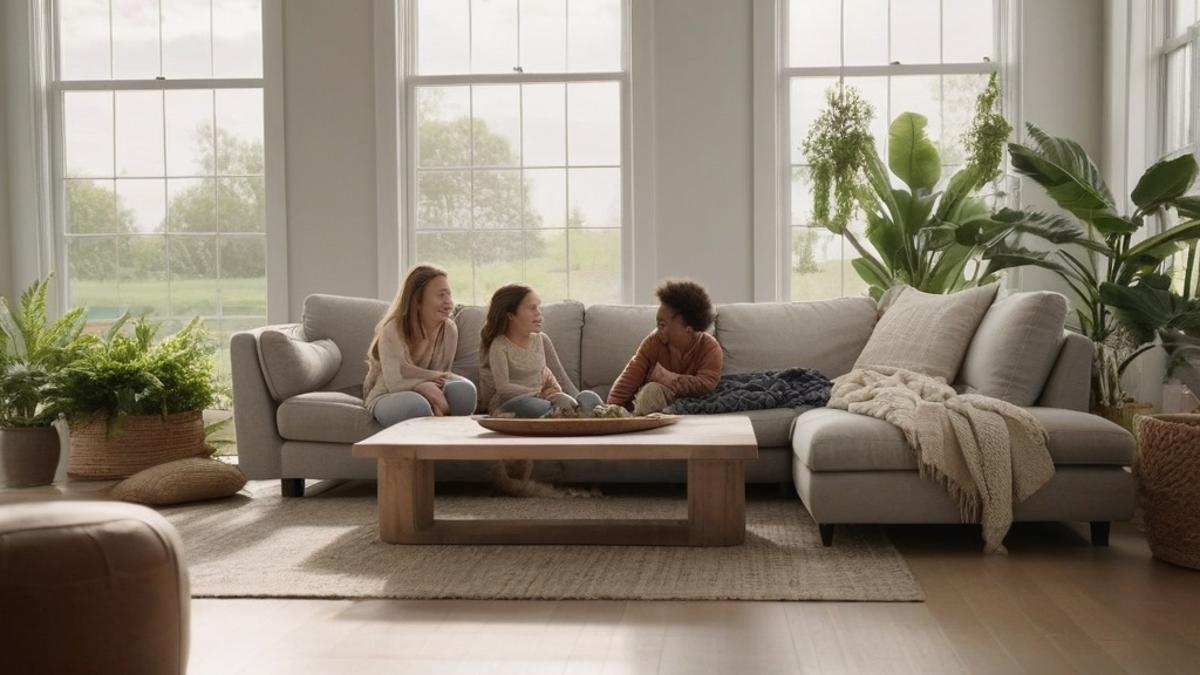
Shared spaces like living rooms present unique challenges since multiple household members contribute to the clutter. Establishing a shared “landing zone” near the entryway for keys, bags, and shoes prevents these items from migrating throughout the house.
Families adopting simple living ideas often find success with a designated basket system, where toys, remotes, or blankets have specific homes rather than floating between the couch, floor, and coffee table.
Digital Clutter Deserves Attention Too
Physical spaces are not the only source of overwhelm. A stress-free home environment extends into digital realms often overlooked in traditional decluttering conversations. The average smartphone user in the United States has over 80 apps installed, yet regularly uses fewer than 10, according to data from Statista.
Unsubscribing from unnecessary email newsletters, deleting unused applications, and organizing digital photos can produce similar psychological relief as clearing a physical closet. This digital dimension of decluttering represents an increasingly relevant frontier as more of daily life shifts online.
These room-specific and digital strategies demonstrate that the benefits of minimalism extend far beyond aesthetics, touching sleep quality, family dynamics, and even screen time habits in ways that compound over weeks and months of consistent practice.
Building a Home That Reflects Intentional Priorities
Across kitchens, bedrooms, living rooms, and even smartphone screens, one theme emerges clearly: Intentional Living Minimalism is not about deprivation. It is about aligning physical surroundings with what genuinely matters, room by room and habit by habit.
The research cited throughout this discussion—from sleep studies linking clutter to poor rest, to Statista’s findings on unused smartphone apps—points to a consistent conclusion. Excess, whether physical or digital, quietly taxes mental bandwidth in ways many Americans underestimate until they experience the alternative.
A stress-free home environment does not happen overnight. It results from small, repeated decisions: donating unworn clothing, designating a landing zone for shoes and keys, or unsubscribing from newsletters that no longer serve a purpose.
Sustaining Momentum Beyond the Initial Purge
Perhaps the most overlooked decluttering tips involve maintenance rather than the initial cleanout. Seasonal closet audits, monthly digital app reviews, and shared household systems prevent the slow creep of clutter that undoes months of progress.
Households that treat simplicity as an ongoing practice, rather than a one-time project, report the most lasting results according to organizing professionals nationwide.
Ultimately, the benefits of minimalism extend into territory few initially expect: better sleep, smoother family routines, and even reduced screen time. These outcomes suggest that mindful living practices function less like a design trend and more like a long-term investment in daily well-being.
For readers considering where to begin, the path forward does not require perfection. Starting with a single drawer, one email inbox, or a cluttered nightstand can open the door to broader simple living ideas that reshape an entire household over time.
The invitation, then, is not to overhaul everything at once, but to ask a simple, recurring question: does this object, habit, or digital notification genuinely serve the life being built at home?
Frequently Asked Questions
How can I start practicing Intentional Living Minimalism in my home?
To begin practicing Intentional Living Minimalism, assess your belongings and identify items that no longer serve a purpose or bring you joy. Start small by decluttering one room or area at a time and consider adopting a ‘one in, one out’ rule to prevent accumulation. This approach encourages mindfulness about what you allow into your space.
What are the mental health benefits of adopting Intentional Living Minimalism?
Adopting Intentional Living Minimalism can significantly reduce stress and anxiety by creating a more organized and calming home environment. A clutter-free space promotes clarity and focus, allowing you to concentrate on what truly matters in your life. Additionally, it can lead to a greater sense of fulfillment and contentment by encouraging you to invest time and resources in experiences rather than material possessions.
Is Intentional Living Minimalism suitable for families with children?
Yes, Intentional Living Minimalism can be beneficial for families with children by teaching them the value of simplicity and mindfulness. Setting up designated areas for toys and encouraging kids to choose their favorites can foster a sense of responsibility and organization. Involving children in the decluttering process can also empower them to make conscious choices about their belongings.
How does Intentional Living Minimalism influence my purchasing decisions?
Intentional Living Minimalism influences purchasing decisions by encouraging you to think critically about the necessity of each item before acquiring it. You may find yourself prioritizing quality over quantity and choosing items that enhance your life instead of cluttering your space. This mindful approach to shopping can lead to more sustainable choices and a greater appreciation for what you already own.

Beatriz
Beatriz Johnson is a seasoned minimalist and writer with a passion for simplifying the complexities of personal organization and intentional living. With over a decade of experience in decluttering strategies and mindful consumption, she specializes in topics like space optimization, habit simplification, and sustainable lifestyle choices. Through her work on our website, Beatriz empowers readers to embrace minimalism, reduce mental and physical clutter, and create more meaningful, organized lives in today's fast-paced world.