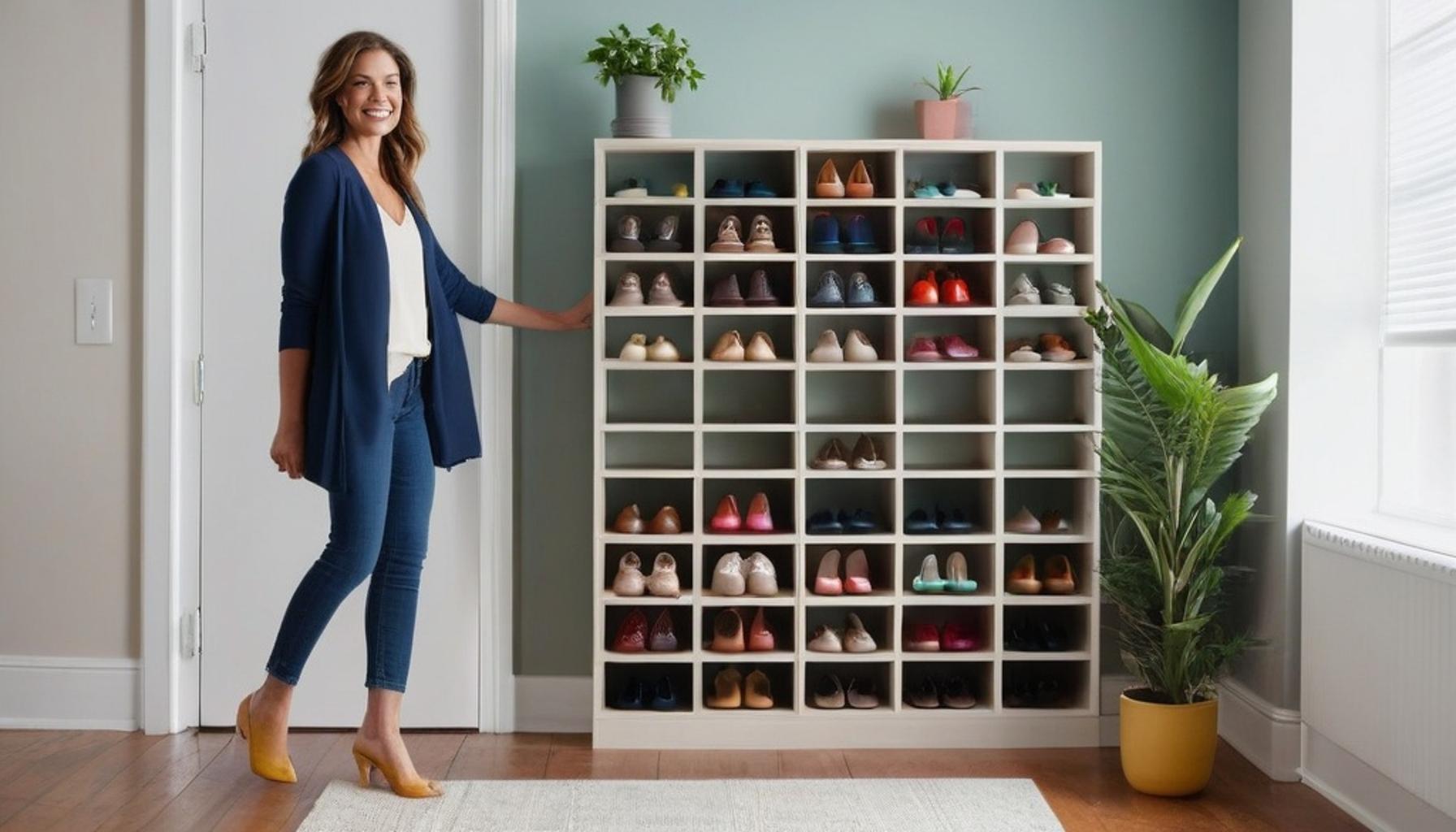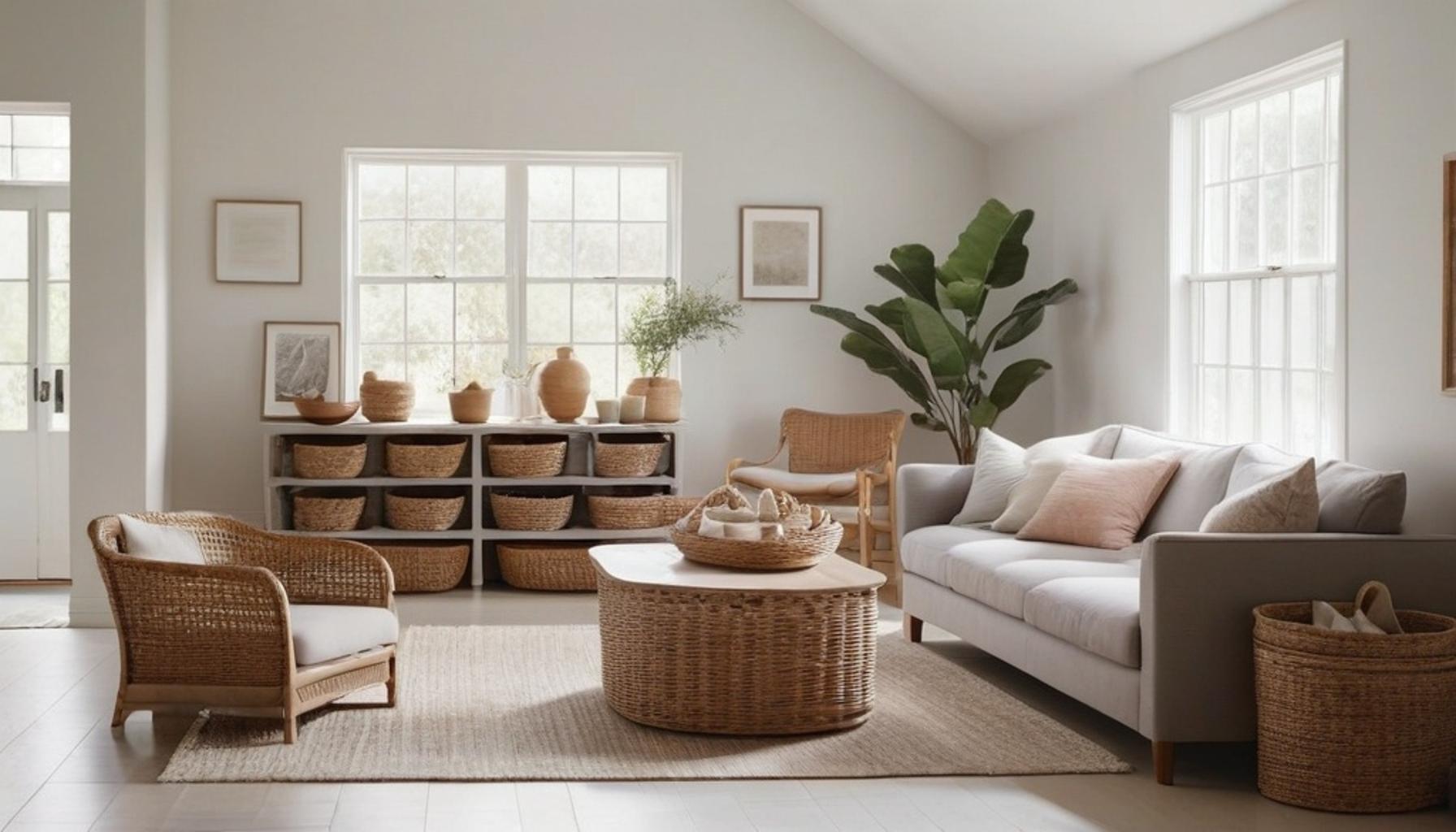
Smart Storage Solutions: Organizing with Functionality and Style in Minimalist Design
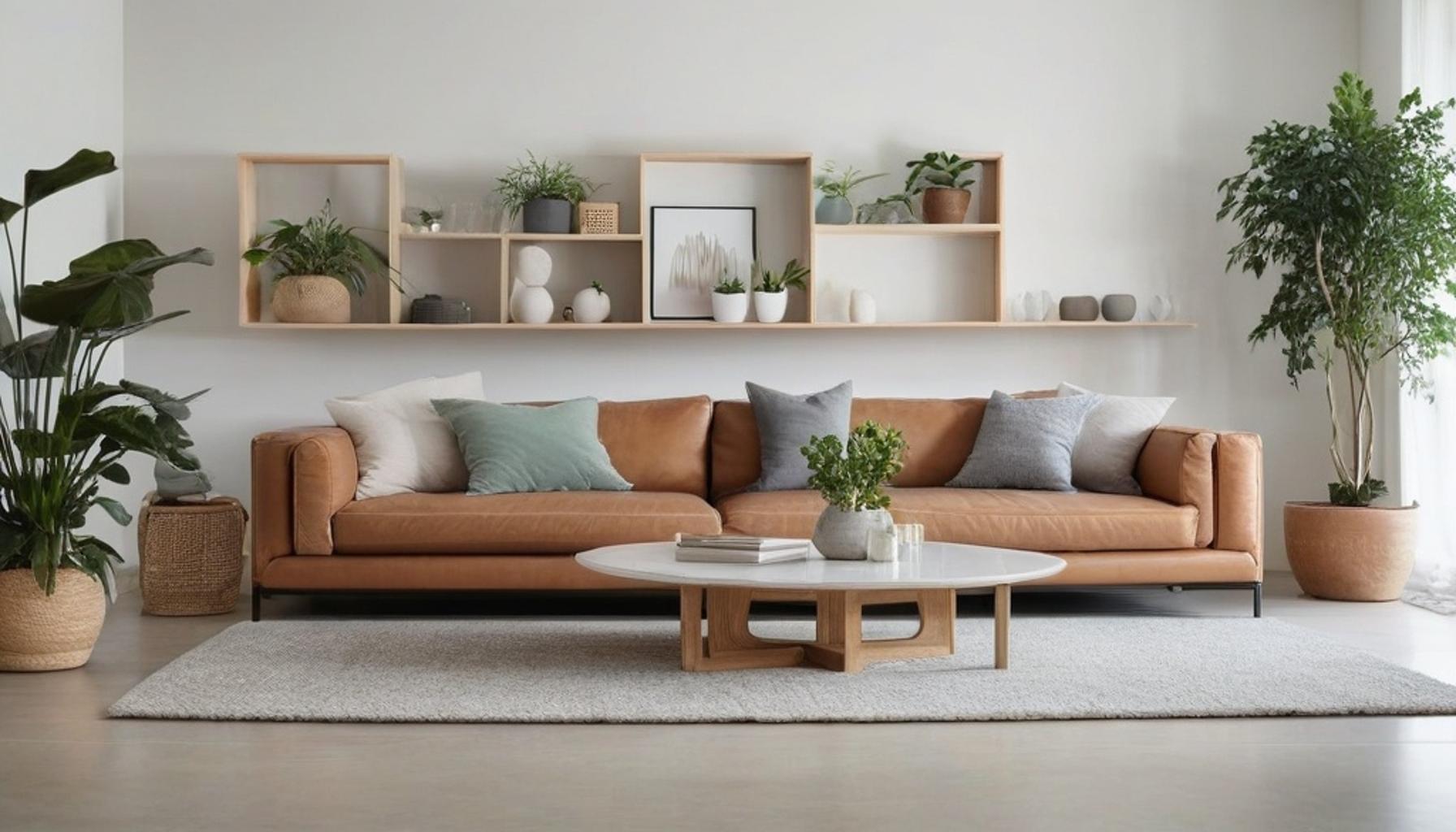
Rethinking Clutter in the Modern American Home
The average American household contains over 300,000 items, yet living spaces keep shrinking, especially in cities like New York and San Francisco. This paradox has sparked a design revolution centered on Smart Storage Solutions. Homeowners are no longer choosing between beauty and practicality—they’re demanding both. As urban living spaces continue to decrease, the challenge of maintaining an organized home is taking on new dimensions.
Why Minimalist Storage Is Trending Now
Social media platforms have fueled interest in minimalist design storage ideas, with hashtags like #HomeOrganization generating billions of views. Trends in home decor now emphasize simplicity and functionality, appealing to a broad audience eager for inspiration. Compact apartments and open-concept layouts have made organizing tips for small spaces essential rather than optional. Consumers want systems that disappear into their decor while maximizing every square foot. For instance, those living in tiny studios may adopt floating shelves to make use of empty wall space, effectively creating more room while showcasing art or greenery.
This shift represents more than a passing trend. It’s a fundamental rethinking of how Americans interact with their belongings and living environments. The minimalist movement advocates for a lifestyle where consumers prioritize experiences over possessions, leading to a conscious selection of what to keep in their homes.
What This Guide Will Explore
This article dives into practical, stylish approaches to home organization. Readers will discover:
- Multi-functional furniture that hides storage in plain sight, such as ottomans that double as storage bins.
- Vertical solutions perfect for studio apartments and tiny homes, including wall-mounted racks that keep essentials accessible yet out of sight.
- Budget-friendly creative storage solutions under $100, like decorative baskets and modular drawer organizers that can enhance any room.
- Design principles behind stylish home organization systems, such as the importance of color coordination and using transparent containers for easy visibility.
- Room-specific strategies for kitchens, closets, and home offices, ensuring that every area is both functional and aesthetically pleasing.
From modular shelving to hidden compartments, functional storage solutions can transform chaotic spaces into calm, intentional environments. The following sections reveal exactly how to achieve this balance, providing insights into the psychology of decluttering and the gratification of an organized space. By embracing these innovative ideas, Americans can reclaim their homes from the clutter that often distracts and overwhelms.
SEE ALSO: Space Optimization Strategies: Transforming Your Home into an Organized Sanctuary
Multi-Functional Furniture: The Backbone of Smart Storage Solutions
Walk into any furniture showroom today, and you’ll notice a quiet transformation taking place. Coffee tables lift open to reveal hidden compartments. Beds rise on hydraulic hinges to expose deep storage below. This isn’t a passing gimmick—it’s the practical core of Smart Storage Solutions reshaping how Americans furnish their homes.
According to the National Association of Home Builders, the average new American home has shrunk by nearly 10% over the past decade, while household possessions have not decreased at the same rate. This gap has forced furniture designers to rethink every inch of their products’ potential.
Furniture That Works Twice as Hard
Multi-functional pieces have become the unsung heroes of organizing tips for small spaces. Consider these popular options now flooding the market:
- Storage ottomans that conceal blankets, board games, or seasonal items while doubling as extra seating during gatherings.
- Platform beds with built-in drawers, eliminating the need for a separate dresser in cramped bedrooms.
- Expandable dining tables with internal leaf storage, ideal for entertaining without sacrificing daily square footage.
- Nesting side tables that tuck away when not in use, freeing up walking space in studio apartments.
- Bench seating with lift-top compartments, perfect for entryways where shoes and bags tend to pile up.
Retailers like IKEA and West Elm have capitalized on this demand, reporting increased sales in convertible and modular furniture lines over recent years. Shoppers in cities such as Chicago and Los Angeles, where rent per square foot continues climbing, are prioritizing pieces that serve dual purposes.
The Psychology Behind Hidden Storage
There’s a reason concealed storage feels so satisfying. Clutter left in plain sight has been linked to increased cortisol levels and reduced focus, according to research from Princeton University’s Neuroscience Institute. When items disappear into thoughtfully designed furniture, the brain registers the environment as calmer and more controlled.
This explains why minimalist design storage ideas emphasize concealment over display. It’s not about owning less—though that helps—it’s about creating visual breathing room. A living room with a storage ottoman and closed cabinetry can house just as many belongings as a cluttered one, yet feel dramatically more spacious.
Choosing multi-functional furniture also proves cost-effective. A single storage bed can replace the need for a dresser, nightstand drawers, and under-bed bins, saving both money and floor space. For renters who move frequently, this adaptability adds long-term value that traditional single-purpose furniture simply cannot match.
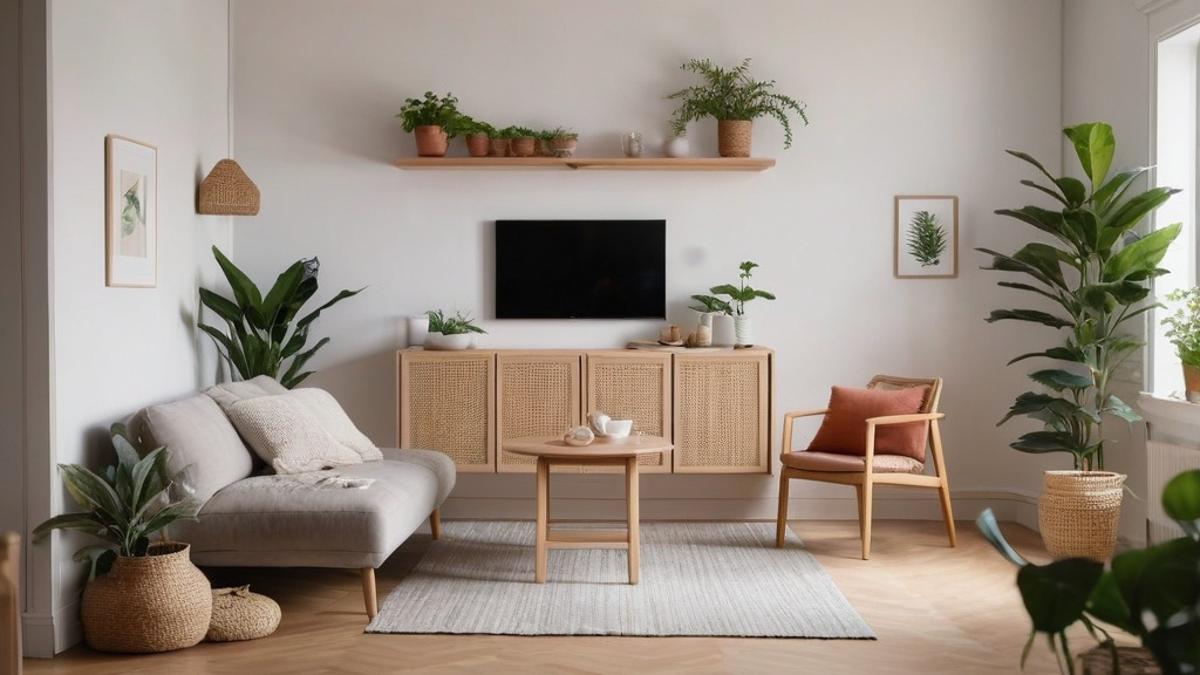
RECOMMENDED: Multifunctional Furniture: Space-Saving Ideas for Organized Living
Vertical Space and Modular Systems: Rethinking the Overlooked Dimension
Most homeowners scan their rooms horizontally, mentally arranging furniture across the floor plan. Yet the most successful functional storage solutions often exploit the dimension people forget to consider: vertical space. Walls, once reserved for art and paint color, have become prime real estate for organization.
Interior designers across the country, from Brooklyn brownstones to Austin bungalows, are increasingly directing clients’ attention upward. Floor-to-ceiling shelving, wall-mounted cabinets, and modular pegboard systems allow households to store significantly more without expanding a single square foot of footprint.
Modular Shelving: Flexibility Meets Minimalism
Unlike traditional bulky bookcases, modular shelving units can be reconfigured as needs change. This adaptability aligns closely with minimalist design storage ideas, where form must always serve function without visual excess.
- Cube storage systems that stack, expand, or split into smaller units when moving apartments.
- Wall-mounted floating shelves that create display space while keeping floors completely clear.
- Track-based shelving allowing shelves to shift height depending on seasonal storage needs.
- Ladder shelves that lean against walls, ideal for renters who cannot drill into surfaces.
A 2023 survey by the Freedonia Group found that modular furniture sales in the United States grew by roughly 12% year over year, with buyers citing flexibility and space efficiency as primary motivators. This trend shows no sign of slowing, particularly among millennial and Gen Z renters who relocate more frequently than previous generations.
Closets and Pantries Reimagined
Beyond visible living spaces, closets and pantries have become laboratories for creative storage solutions. Companies like The Container Store and California Closets report growing demand for custom-fitted systems that use every inch of vertical closet space, from floor to ceiling.
Pull-out pantry shelves, stackable bins labeled by category, and door-mounted racks transform chaotic cabinets into organized, almost boutique-like spaces. Homeowners in cities like Seattle and Denver, where kitchen square footage tends to run smaller than the national average, are particularly drawn to these vertical upgrades.
What makes this approach so effective is its scalability. A single renter in a 500-square-foot studio and a family in a suburban four-bedroom home can apply the same vertical principles, simply adjusting scale and quantity. This universality is precisely why stylish home organization experts consider wall and vertical storage the next frontier in residential design, offering both practicality and a polished, curated aesthetic that horizontal storage alone struggles to achieve.
Bringing It All Together: The Future of Organized Living
From closet systems to vertical shelving, one truth emerges: Smart Storage Solutions are no longer a luxury reserved for design magazines. They have become a practical necessity for anyone navigating shrinking square footage, rising rents, and the constant accumulation of belongings that modern life seems to demand.
Across this discussion, a clear pattern surfaces. Whether examining organizing tips for small spaces or exploring how modular systems adapt to changing needs, the underlying philosophy remains consistent. Storage should never be an afterthought bolted onto a finished room. Instead, it should be woven into the architecture of daily life from the very beginning.
Why This Trend Will Keep Growing
Market data supports what many homeowners already sense intuitively. With modular furniture sales climbing by double digits and companies like The Container Store expanding their custom offerings, demand shows no signs of plateauing. Renters, families, and downsizing retirees alike are discovering that functional storage solutions solve problems that extra square footage alone cannot.
What deserves further attention is the psychological dimension of this movement. Clutter has been linked to elevated stress levels, according to research from UCLA’s Center on Everyday Lives and Families. This suggests that minimalist design storage ideas offer benefits extending well beyond aesthetics.
As cities densify and living spaces continue shrinking, the demand for creative storage solutions will likely intensify. Homeowners seeking stylish home organization would do well to treat storage planning as a foundational design decision rather than a final touch, one that shapes how comfortably a home actually functions over time.
Frequently Asked Questions
What are some examples of Smart Storage Solutions for small apartments?
Smart storage solutions for small apartments include multifunctional furniture like ottomans with hidden compartments, wall-mounted shelves to free up floor space, and under-bed storage bins. Utilizing vertical space with tall bookshelves or wall organizers can also help maximize storage while maintaining a minimalist aesthetic.
How do I implement Smart Storage Solutions in a family home without losing style?
To implement smart storage solutions in a family home, consider using stylish storage baskets, decorative boxes, and built-in cabinetry that blends with your decor. Choose furniture that doubles as storage, such as coffee tables with shelves or storage benches, which can keep things organized without sacrificing style.
Can Smart Storage Solutions help reduce clutter in my home office?
Yes, smart storage solutions can significantly reduce clutter in your home office by incorporating things like cable management systems, drawer organizers, and wall-mounted file holders. By keeping essential items accessible and out of sight, you can create a more focused and aesthetically pleasing workspace.
What are some affordable Smart Storage Solutions for organizing a closet?
Affordable smart storage solutions for organizing a closet include using tiered hanging organizers, clear bins for visibility, and over-the-door shoe racks. These options help maximize the available space, allowing you to keep your closet tidy without a significant investment.
How can Smart Storage Solutions maintain a minimalist design in my living space?
Smart storage solutions maintain a minimalist design by focusing on functionality and streamlined aesthetics, such as choosing furniture that has clean lines and simple forms. Incorporating hidden storage options and color-coordinated organizers can help keep clutter out of sight, allowing the minimalist design to shine.
Are there specific Smart Storage Solutions suitable for kids’ rooms?
Yes, specific smart storage solutions for kids’ rooms include colorful storage bins, wall-mounted shelves for books, and under-bed drawers for toys. Integrating these solutions keeps play areas organized and encourages children to maintain their spaces, all while adding a fun and playful style to the room.

Beatriz
Beatriz Johnson is a seasoned minimalist and writer with a passion for simplifying the complexities of personal organization and intentional living. With over a decade of experience in decluttering strategies and mindful consumption, she specializes in topics like space optimization, habit simplification, and sustainable lifestyle choices. Through her work on our website, Beatriz empowers readers to embrace minimalism, reduce mental and physical clutter, and create more meaningful, organized lives in today's fast-paced world.