Clutter-Free Living: Efficient Storage Ideas for Every Room in Your Home
Why Every American Home Needs a Storage Reset
The average U.S. household has grown by nearly 1,000 square feet since 1973. Ironically, as homes have expanded, so have concerns over clutter. Complaints about misplaced belongings and overflowing spaces have become all too common. Many closets are packed with clothes that haven’t been worn in years, garages have devolved into chaotic storage graveyards, and kitchen counters are often lost under piles of mail, gadgets, and miscellaneous items. Somewhere between enjoying larger homes and navigating busier lives, efficient organization has been left behind.
Clutter-Free Living isn’t about adhering to the minimalist trends that seem to dominate social media; rather, it emphasizes establishing practical systems tailored for real families, real budgets, and real daily routines. Living without clutter is about creating a harmonious environment that reflects who you are and promotes a sense of peace and functionality.
What This Guide Covers
This article breaks down efficient storage ideas room by room, ensuring that nothing is overlooked in the quest for a more organized home. You can expect to find practical, budget-friendly solutions that are grounded in reality rather than vague notions of tidiness.
- Kitchen storage ideas for small spaces, such as utilizing vertical shelving and drawer organizers to optimize every inch while maintaining easy access to frequently used items.
- Home organization tips for bedrooms and closets that implement the one-in-one-out rule, encouraging you to donate or discard an item for every new piece you acquire, leading to a more sustainable lifestyle.
- Space-saving solutions for essential areas like bathrooms, entryways, and home offices, which may include multifunctional furniture or creative storage hacks like over-the-door racks.
- Decluttering strategies requiring less than 15 minutes a day, making the process manageable and less overwhelming, thereby preventing procrastination.
Regardless of whether you reside in a snug Brooklyn apartment or a spacious Texas ranch home, the true issue often lies not in the square footage but in how you utilize that space. Thoughtful organization can transform even the most unruly environments into orderly sanctuaries.
Are you ready to reclaim your rooms, one shelf, bin, and drawer at a time? Let’s dive into the strategies that are not just surface-level fixes but ones that truly stick and redefine your approach to home organization.
DISCOVER MORE: Click here for inspiration on minimalist kitchen design
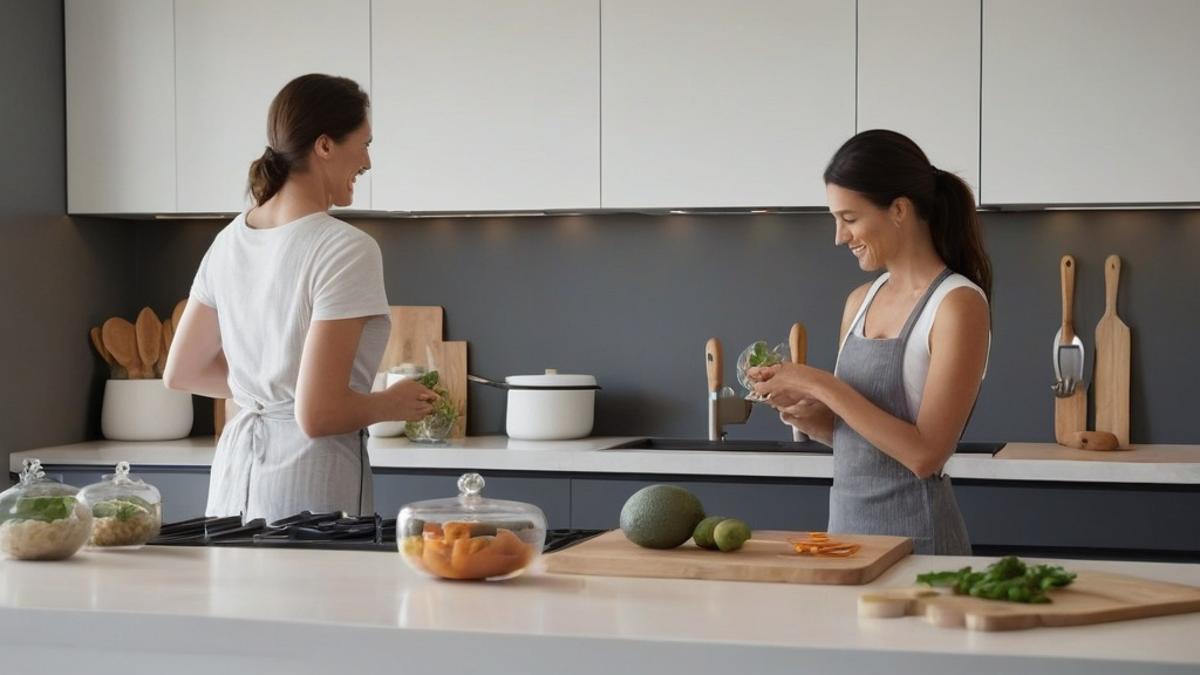
# Kitchen Storage Ideas for Small Spaces That Actually WorkThe kitchen is often the first casualty of household clutter. Between takeout menus, small appliances, and the fifteen mismatched Tupperware lids nobody can find matches for, this room demands strategic intervention.According to the National Association of Home Builders, the average American kitchen has grown by roughly 200 square feet since the 1990s, yet clutter complaints haven’t decreased. The problem isn’t space; it’s organization.
Vertical Space Is Your Best Friend
Most homeowners only use about 60% of their kitchen’s actual storage potential, leaving vertical space criminally underutilized. Installing shelving above cabinets or along empty wall sections can instantly add functional storage without requiring a renovation.Consider these efficient storage ideas for maximizing vertical real estate:
- Magnetic knife strips mounted on walls free up drawer space while keeping blades accessible and safe.
- Hanging pot racks above kitchen islands eliminate the need for deep, hard-to-reach cabinet storage.
- Stackable wire shelving inside cabinets doubles storage capacity for plates, bowls, and pantry goods.
- Pegboards installed near workstations offer customizable, movable storage for utensils and small tools.
These aren’t just Pinterest-worthy suggestions; they’re practical fixes that homeowners in cities like Chicago and San Francisco, where kitchen square footage is often limited, have relied on for decades.
Drawer Organizers: The Underrated Hero
Junk drawers are a nationwide phenomenon. Roughly 78% of Americans admit to having at least one drawer they’re embarrassed to open in front of guests, according to a 2022 consumer habits survey.The fix is simpler than most expect. Adjustable drawer dividers, designed specifically for utensils, spices, or office supplies, create designated zones that prevent items from migrating into chaotic piles.
Pantry Zoning for Long-Term Success
Home organization tips for pantries often emphasize labeled bins and clear containers, and for good reason. Studies on household efficiency suggest that transparent storage reduces food waste by making expiration dates and inventory visible at a glance.Grouping items by category, snacks, baking supplies, canned goods, rather than by brand or purchase date, also speeds up meal prep and grocery planning.Small, consistent changes like these lay the groundwork for a kitchen that functions smoothly, regardless of square footage. The next step? Applying that same intentionality to bedrooms and closets, where clutter often hides in plain sight.
DISCOVER MORE: Click here to dive into minimalist kitchen ideas
Bedroom and Closet Storage Ideas for Small Spaces
Closets across the United States are shrinking in relative usefulness, not because they’re getting smaller, but because Americans own more clothing than ever. The average household closet now holds roughly 103 items, according to retail analytics from the apparel industry, yet most people wear only 20% of what they own regularly.
This mismatch is where clutter-free living starts to feel like an uphill battle. The solution isn’t necessarily buying a bigger closet; it’s rethinking how the existing space gets used.
Rethinking the Closet Interior
Standard closet rods, installed at a single height, waste an enormous amount of vertical space. Double-hanging rods, one positioned above the other, can nearly double storage capacity for shirts, folded pants, and skirts.
Other space-saving solutions worth considering include:
- Slim velvet hangers that reduce bulk while preventing garments from slipping onto the floor.
- Over-the-door shoe organizers repurposed for accessories, scarves, or cleaning supplies.
- Vacuum-sealed storage bags for seasonal items like winter coats or extra bedding.
- Modular shelving inserts that adapt to changing storage needs over time.
Under-the-Bed Storage Nobody Talks About
The space beneath a bed frame often goes completely ignored, despite offering several square feet of hidden potential. Low-profile bins on rollers can house off-season clothing, extra linens, or even books without disrupting bedroom aesthetics.
Interior designers in space-conscious markets like New York City and Boston have long relied on this technique, particularly in studio apartments where every inch counts.
Decluttering Strategies That Actually Stick
Organizing experts frequently point to the “one-year rule”: if an item hasn’t been used or worn in twelve months, it’s a strong candidate for donation or disposal. This approach removes emotional guesswork and replaces it with a measurable standard.
A 2023 survey from a national storage retailer found that households applying structured decluttering strategies reported a 34% increase in perceived bedroom functionality, even without adding any new furniture or storage products.
That statistic matters because it reinforces something counterintuitive: clutter-free spaces aren’t necessarily about buying more organizational products. They’re about making intentional decisions regarding what deserves space in the first place.
Dresser drawers benefit from the same zoning principles used in kitchen drawers. Fabric dividers or small boxes inside each drawer prevent the common problem of digging through disorganized piles just to find a matching pair of socks.
These home organization tips extend naturally into home offices and living rooms, where paperwork and electronics create their own unique version of chaos.
DISCOVER: Click here to transform your space
Bringing It All Together: A Room-by-Room Commitment
From kitchen drawers to closet rods, one theme keeps surfacing: clutter-free living isn’t a one-time weekend project. It’s an ongoing relationship between the space available and the choices made about what fills it.
Every room in a home tells a different story about consumption habits. Kitchens reveal how much cookware actually gets used versus stored out of habit. Bedrooms expose the gap between wardrobe size and wardrobe reality. Living rooms and home offices often hide the most overlooked culprits, tangled cables, stacks of unopened mail, and electronics nobody has powered on in years.
Small Changes, Measurable Results
The data throughout this discussion points to a consistent pattern. Structured decluttering strategies produce real, quantifiable improvements, whether that’s a 34% boost in perceived functionality or simply more usable square footage without adding a single new cabinet.
This is worth remembering the next time a storage catalog promises a quick fix. Often, the most efficient storage ideas cost nothing at all. They involve reassessing, donating, and reorganizing what’s already there.
Storage Ideas for Small Spaces Anywhere in the U.S.
Whether someone lives in a compact Chicago apartment or a suburban house outside Dallas, the same principles apply. Vertical space, hidden corners, and multipurpose furniture consistently outperform bulk purchases of bins and baskets.
Practical space-saving solutions like double-hung closet rods, under-bed rollers, and zoned drawers work because they respect how people actually live, not how organizing magazines suggest they should.
Ultimately, lasting home organization tips share one quality: they’re sustainable without constant upkeep. A home stays clutter-free not through occasional purges, but through systems built to handle everyday life. That shift in thinking, from buying more storage to using space more intentionally, may be the most valuable takeaway of all.
Frequently Asked Questions
What are the best storage solutions for a small bedroom to achieve clutter-free living?
To maximize space in a small bedroom, consider using multi-functional furniture like a bed with built-in drawers or an ottoman that doubles as storage. Wall-mounted shelves can also free up floor space while providing a place for books and decorative items. Additionally, utilize under-bed storage bins to keep seasonal clothing or extra linens organized and out of sight.
How can I implement clutter-free living in my kitchen with limited cabinet space?
In a kitchen with limited cabinet space, you can use vertical storage solutions such as wall-mounted racks for pots and utensils. Adding a pegboard can help keep frequently used items organized and within reach. Additionally, consider using clear containers to store pantry items, making it easier to see what you have while maximizing shelf space.
What are some creative storage ideas for a home’s entryway for clutter-free living?
To achieve clutter-free living in your entryway, use hooks to hang coats and bags, freeing up floor space. A narrow console table can serve as a catch-all for keys and mail, while a bench with hidden storage underneath can provide a place to sit and stow shoes. Incorporate a decorative basket or bin for keeping outdoor items like hats and gloves organized.
How can I maintain a clutter-free living room with kids and toys around?
To keep a clutter-free living room with kids, establish a dedicated storage area using stylish bins or baskets that blend with your decor. Encourage children to regularly put away toys by creating a routine or turning it into a game. Opt for furniture that provides additional storage, such as a coffee table with drawers, to discreetly hide play items when not in use.

Beatriz
Beatriz Johnson is a seasoned minimalist and writer with a passion for simplifying the complexities of personal organization and intentional living. With over a decade of experience in decluttering strategies and mindful consumption, she specializes in topics like space optimization, habit simplification, and sustainable lifestyle choices. Through her work on our website, Beatriz empowers readers to embrace minimalism, reduce mental and physical clutter, and create more meaningful, organized lives in today's fast-paced world.