Creating an Intentional Living Space: The Art of Minimalist Home Organization
Why Your Home Might Be Working Against You
The average American home contains more than 300,000 items, according to the LA Times, yet most people feel they still have “nothing to wear” or “nowhere to put things.” This disconnect isn’t merely a storage problem—it’s fundamentally a design philosophy problem.
Welcome to the world of minimalist home organization, a movement that is subtly transforming how households across America operate, room by room. This philosophy emphasizes depth and meaning rather than the sheer number of items in your home. Rather than advocating for an ultra-sterile environment or a rigid collection of fifty belongings, it encourages a tailored approach to home design.
What an Intentional Living Space Actually Looks Like
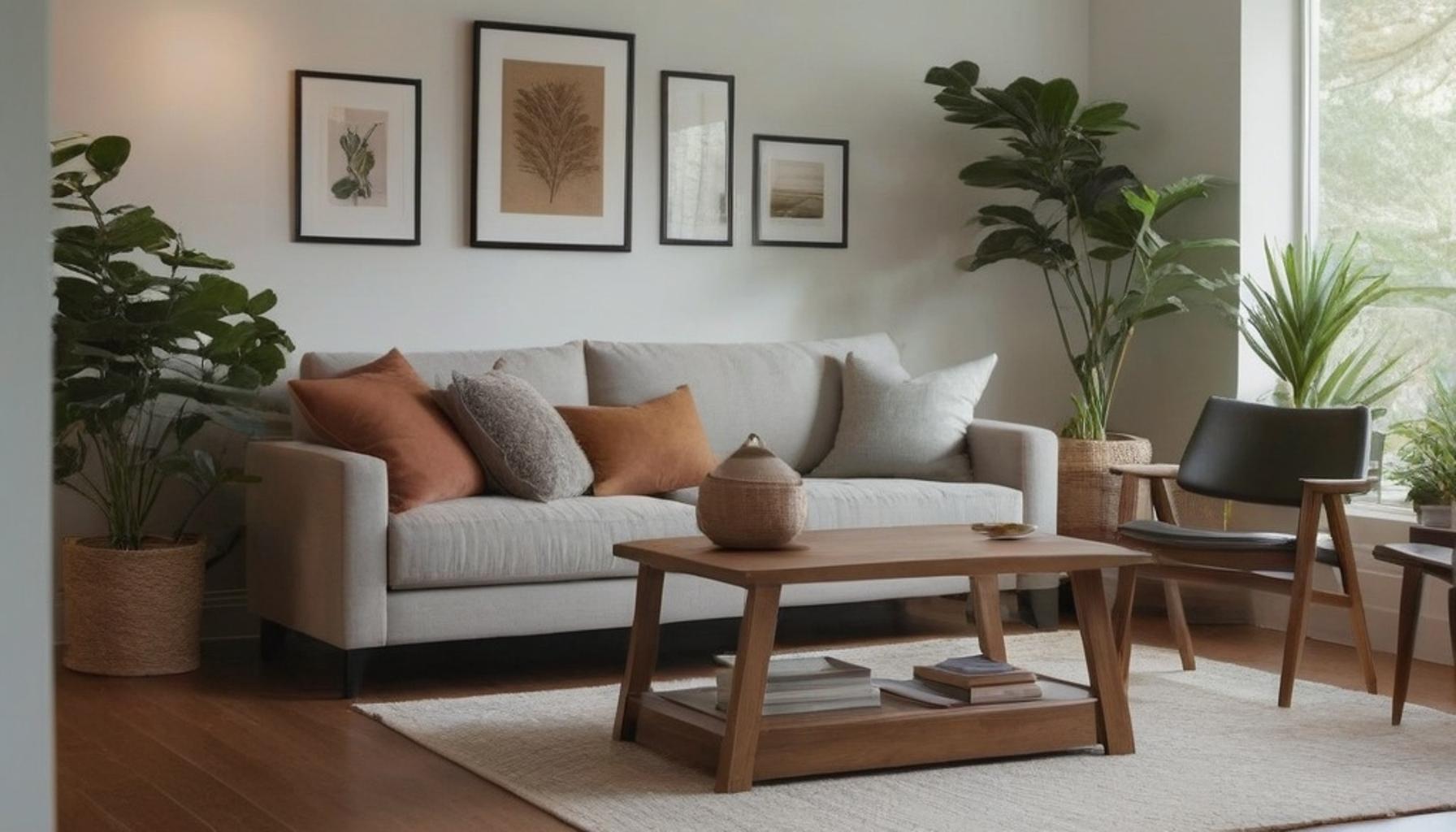
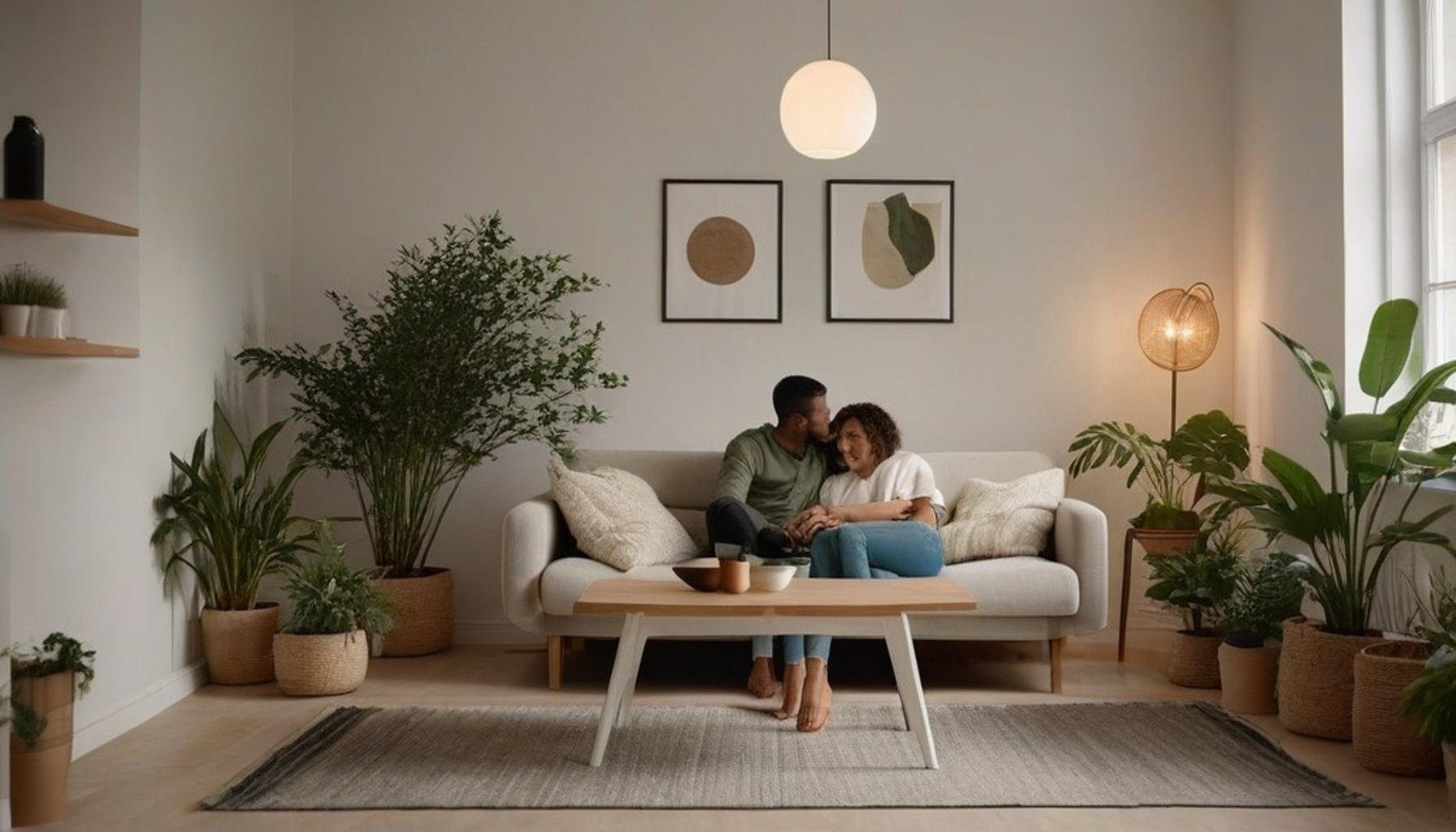
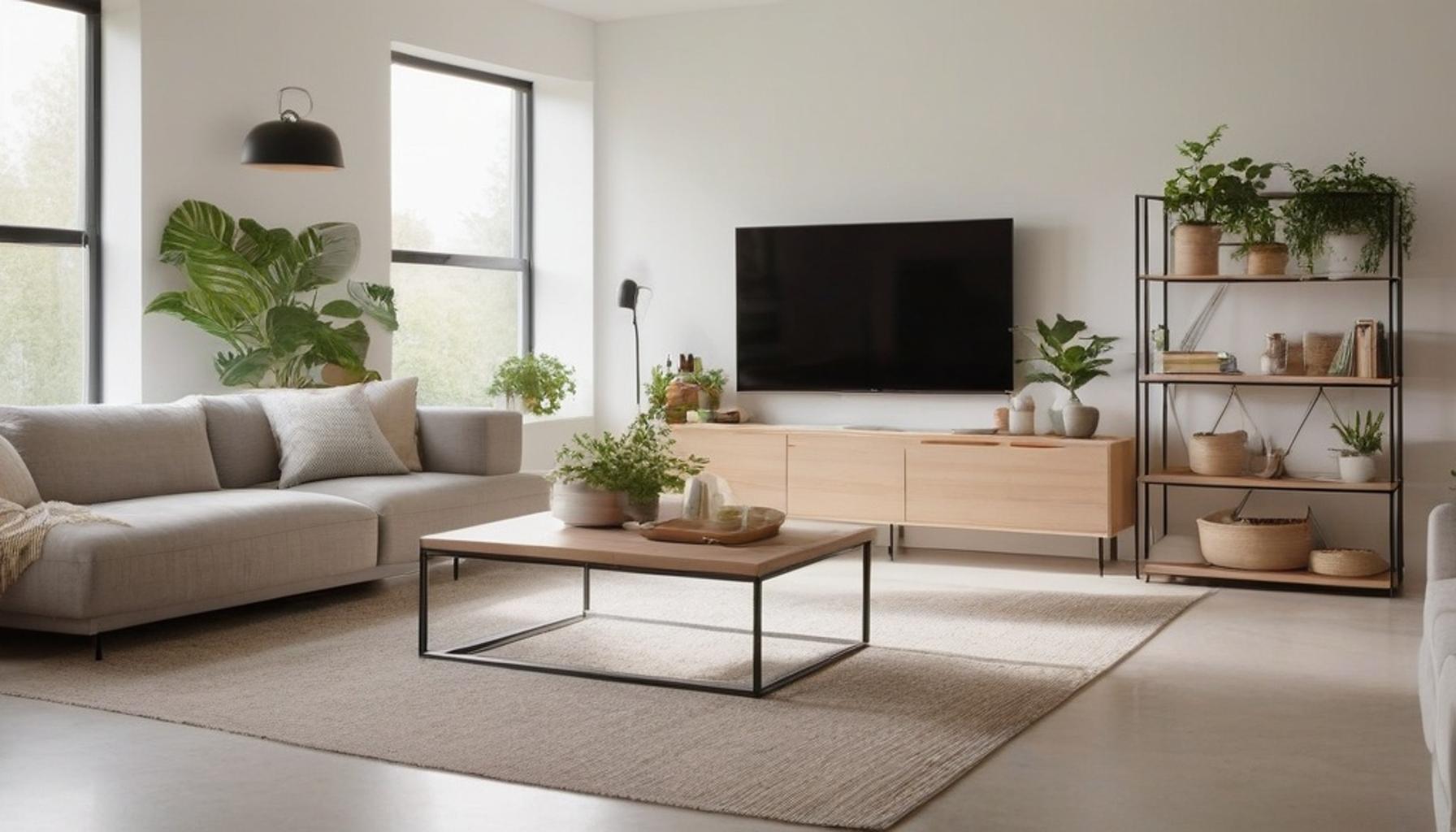
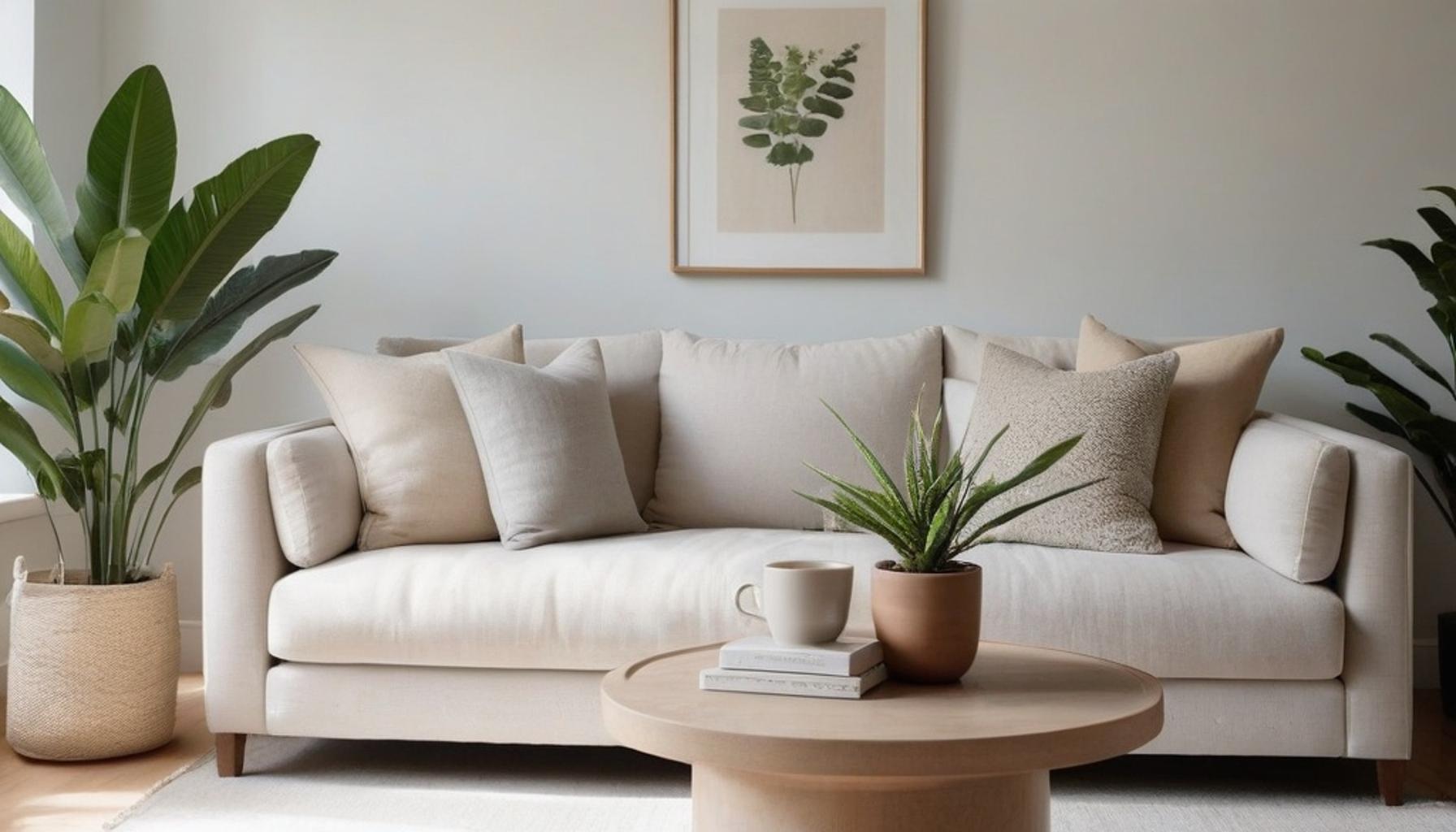
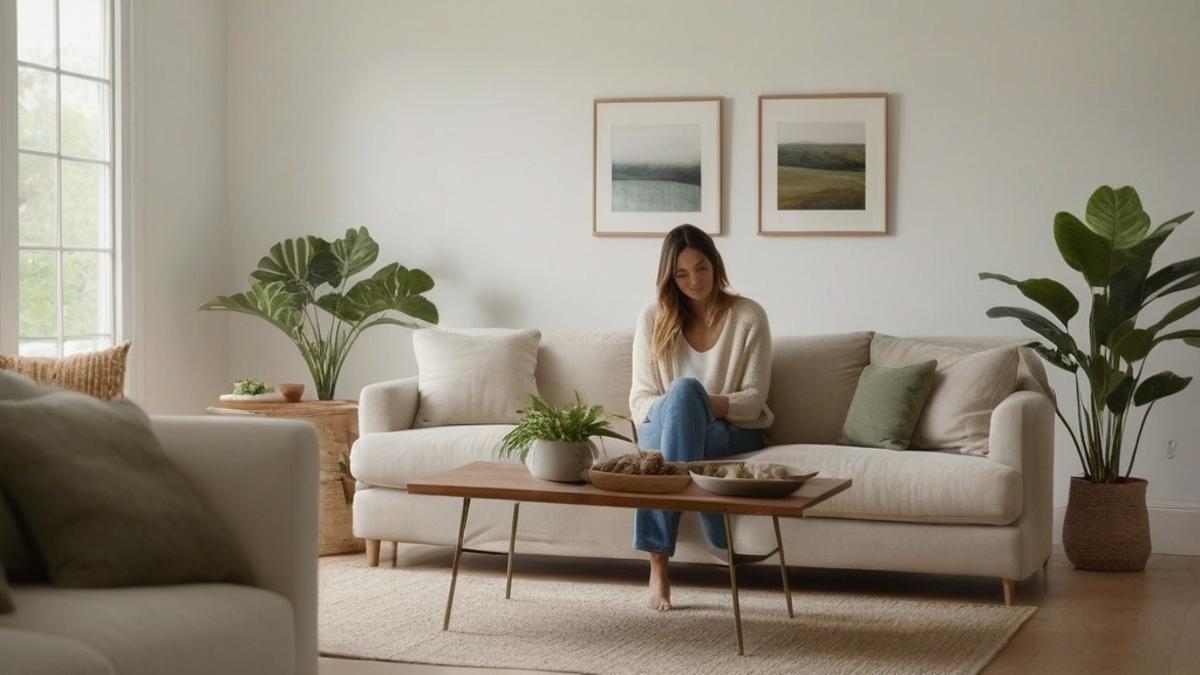
At its core, an intentional living space is one that is crafted around purpose rather than accumulation. This means that every object has earned its place through its function, the meaning it holds, or the joy it brings to inhabitants. Imagine curating your home much like a museum curator assembles an exhibit:
- Surfaces stay clear because clutter is intercepted before it lands, minimizing distractions and creating a serene atmosphere.
- Storage systems are visible and intuitive, making it easy to find what you need, while hidden storage leads to forgotten items contributing to the clutter.
- Furniture serves multiple purposes, doubling as storage or as a place for activities, thus ensuring every piece of furniture adds value.
- Decor reflects personal values instead of being influenced by fleeting trends, creating a unique and meaningful aesthetic.
The Real Payoff Behind the Aesthetic
The approach of creating an intentional living space borrows significantly from minimalist interior design. However, the benefits extend well beyond having an Instagram-worthy home. Research conducted by UCLA has established a connection between cluttered environments and elevated stress hormones, particularly among women tasked with managing household upkeep. The implications are profound, especially considering that stress can lead to a myriad of other health issues.
By adopting effective decluttering strategies, individuals can reverse this pattern, fostering not only visual order but also measurable inner calm. For example, implementing a system where belongings are regularly evaluated for usefulness—such as the “one in, one out” rule—can help maintain a sense of balance and tranquility around the home.
To assist in transitioning to a minimalist lifestyle, practical home organization tips can be employed in every room. Simple changes, like converting a closet into a functional workspace or rethinking the layout of your living room, can maximize space while retaining comfort and personality. This evolution doesn’t require drastic change; rather, it invites a gradual shift towards simplicity that emphasizes value over volume.
In conclusion, redefining how you think about your home can lead to a more harmonious and intentional living space, underlining the importance of meaningful choices over material accumulation.
DISCOVER MORE: Click here to dive into minimalist kitchen ideas
Walk into any big-box home goods store in America, and you’ll be greeted by aisles filled with storage bins, drawer dividers, and closet systems—all promising to solve your clutter problem. Yet a 2023 study from the National Association of Productivity and Organizing Professionals suggests something counterintuitive: buying more organizational products often makes clutter worse, not better. This is the paradox at the heart of minimalist home organization. The solution isn’t more containers; it’s fewer decisions about what deserves space in your life.
Starting With the Kitchen: America’s Most Cluttered Room
Kitchens consistently rank as the most disorganized space in American homes, according to a survey by the American Cleaning Institute. It’s alarming but true: the average kitchen drawer contains items that haven’t been used in over two years. This excess can lead to daily frustration when searching for a missing spatula or trying to find that elusive mixing bowl.Creating an intentional living space in the kitchen doesn’t mean owning a single pot and one plate per person. Instead, it means asking sharper questions like:
- Does this appliance earn its counter space based on how often it’s actually used, rather than how useful it seemed when purchased? A bread maker might have seemed like a good idea, but if it hasn’t produced a loaf in months, it may be time to re-evaluate its place.
- Are duplicate tools necessary? Consider if convenience has turned into redundancy. Is having three can openers really better than just one reliable option?
- Can this item be stored where you’ll actually reach for it? Items tucked away in the back of a cabinet might just get forgotten. Mindfully placing frequently used items within easy reach can make cooking a far more enjoyable experience.
Chip and Joanna Gaines, the design duo behind “Fixer Upper,” have long championed this philosophy on their renovation projects, stripping kitchens down to functional essentials before rebuilding with purpose-driven storage. Their approach not only creates visually pleasing spaces but also enhances day-to-day efficiency.
The Bedroom: Where Decluttering Strategies Meet Rest Quality
A cluttered bedroom can disrupt your sleep patterns. The National Sleep Foundation has found a measurable link between bedroom clutter and disrupted rest, revealing that visual chaos can keep the brain subtly alert, even during pivotal rest periods. Applying decluttering strategies in this sanctuary often starts with the closet. The 80/20 rule posits that people wear roughly 20% of their wardrobe 80% of the time, highlighting just how much unused clothing occupies valuable space. A minimalist bedroom prioritizes:
- Under-bed storage for seasonal items like bulky sweaters or winter gear, freeing closet space for clothes worn daily. This efficient use of space can expand your storage options significantly.
- Nightstands with a single designated purpose to avoid the catch-all drawer effect. A simple lamp and a book can create a more serene environment than a mountain of miscellaneous items.
- Uncluttered sightlines from the bed, since visual calm is linked to improved rest quality. Minimizing visual distractions near your sleeping area helps create a tranquil ambiance.
This methodical, room-specific approach reflects the broader principles of minimalist interior design. Rather than rejecting comfort, it encourages a recalibration of what truly serves daily life and enhances overall well-being. A thoughtfully organized bedroom can not only improve sleep but also foster a sense of peace and stability in one’s daily routine.In conclusion, embracing minimalism is about making intentional choices in each room of your home. By assessing what is truly necessary, you can create spaces that reflect a simplified lifestyle—a sustainable approach to home organization that ultimately fosters enjoyment, peace, and functionality. As you implement these minimalist strategies, you may find that less truly is more, leading to a more harmonious living environment.
DISCOVER: Click here to explore minimalist kitchen ideas
Living Rooms and Home Offices: Shared Spaces, Shared Rules
Unlike a bedroom or kitchen, living rooms and home offices often serve multiple people with competing priorities. This makes minimalist home organization trickier, but not impossible.A 2022 Pew Research Center report found that 27% of employed Americans now work from home at least part of the week, often converting living rooms, dining nooks, or spare bedrooms into makeshift offices. Without clear boundaries, these dual-purpose spaces quickly become dumping grounds for mail, cables, and half-finished projects.Designers who specialize in minimalist interior design recommend a “zone and boundary” method for shared spaces:
- Designate a single surface for work materials, whether it’s a desk or a corner of a console table, so laptops and paperwork don’t migrate to the coffee table or kitchen counter.
- Limit decorative objects to items with genuine meaning, such as a family photo or a piece of travel pottery, rather than filling shelves with generic décor purchased simply to fill empty space.
- Use closed storage for shared clutter, like remote controls, chargers, or children’s toys, so the room resets to a calm baseline at the end of each day.
This approach echoes something professional organizer Marie Kondo has emphasized for years: tidiness isn’t a one-time event but a daily practice tied to how a space is actually used.
The Overlooked Culprit: Paper and Digital Clutter
While physical belongings get most of the attention, paper clutter remains a stubborn problem in American households. The Paperless Project estimates that the average U.S. household receives 41 pounds of junk mail annually, much of which piles up on counters and desks before ever being sorted.Effective decluttering strategies increasingly account for this paper trail:
- Create a single inbox for incoming mail and paperwork, checked and cleared weekly rather than left to accumulate.
- Digitize what can be digitized, from warranty documents to recipes, reducing the need for filing cabinets altogether.
- Unsubscribe aggressively from catalogs and promotional mailers, which cuts down on future clutter before it even arrives.
Digital minimalism, though less visible, follows the same logic. Overflowing inboxes and disorganized desktop folders create the same mental drag as a cluttered junk drawer, according to research from the University of California, Irvine, which links digital disorganization to elevated cortisol levels.
Consistency Over Perfection
Perhaps the most practical home organization tips center on maintenance rather than one-time overhauls. Professional organizers often cite the “one-minute rule”: if a task, like hanging up a coat or rinsing a dish, takes less than sixty seconds, do it immediately rather than deferring it.This small habit, repeated daily, prevents the slow creep of clutter that eventually requires a weekend-long purge. It’s a cornerstone of the minimalist lifestyle: small, consistent choices that keep an intentional living space intentional, long after the initial decluttering session ends.
DISCOVER: Click here for minimalist kitchen inspiration
Building a Home That Reflects Your Priorities
Across bedrooms, kitchens, living rooms, and inboxes, one theme keeps surfacing: minimalist home organization isn’t about owning less for its own sake. It’s about making space for what actually matters, whether that’s family time, focused work, or simply a countertop clear enough to prepare dinner without shuffling mail out of the way.
The data backs this up. From the 27% of Americans working from home to the 41 pounds of junk mail landing on doorsteps each year, modern households face a constant influx of stuff, both physical and digital, competing for limited square footage and even more limited attention.
What separates a cluttered house from an intentional living space isn’t square footage or budget. It’s a set of small, repeatable systems: designated zones, closed storage for shared items, single inboxes for paperwork, and daily habits like the one-minute rule.
These aren’t dramatic changes. They’re incremental shifts in minimalist interior design thinking that, over time, add up to a home that runs itself rather than one that constantly demands sorting, searching, and resetting.
Worth noting: minimalism looks different in every household. A family of five managing shared toys and homework stations will apply decluttering strategies differently than a remote worker converting a spare room into an office. The principles bend to fit real life, which is precisely why they last.
For anyone starting this process, the most useful home organization tips may simply be permission to start small. A single drawer. One shelf. The mail pile by the door.
Adopting a minimalist lifestyle isn’t a weekend project finished once and forgotten. It’s an ongoing conversation between a household and its space, one that, done well, quietly gives back far more time and calm than it ever asks for.
Frequently Asked Questions
What are the first steps to start a minimalist home organization process?
To begin minimalist home organization, start by assessing what you truly need and use in your space. Begin decluttering each room by sorting items into categories: keep, donate, and discard. Focus on one area at a time and create a vision of how you want that space to feel, which will guide your decision-making.
How can I maintain a minimalist home organization once it’s established?
Maintaining a minimalist home organization involves regular decluttering and being intentional about new purchases. Establish a routine, such as a seasonal review of your belongings, to ensure that your space remains organized. Additionally, embrace the ‘one in, one out’ rule, where you donate or remove an item whenever you bring something new into your home.
What are some common mistakes to avoid in minimalist home organization?
Common mistakes include trying to declutter too quickly, which can lead to decision fatigue, and keeping sentimental items that occupy valuable space. Another mistake is underestimating the importance of functional storage solutions; choosing the right organizational tools is essential in maintaining a clutter-free environment. Lastly, be wary of using minimalist aesthetics to justify keeping too much – less truly is more.
Can minimalist home organization work for small spaces?
Absolutely! Minimalist home organization is particularly beneficial for small spaces, as it encourages efficiency and optimal use of available areas. Use multifunctional furniture, vertical storage solutions, and wisely categorize belongings to maximize your space. The key is to choose quality items that serve multiple purposes, which can help create an open and inviting atmosphere.
How do I choose what to keep in my minimalist home organization process?
Choosing what to keep involves evaluating each item based on its utility, emotional value, and how it fits into your lifestyle. Ask yourself if you use the item regularly or if it brings you joy. If it doesn’t serve a purpose or enhance your living experience, it may be time to let it go in your minimalist home organization journey.

Beatriz
Beatriz Johnson is a seasoned minimalist and writer with a passion for simplifying the complexities of personal organization and intentional living. With over a decade of experience in decluttering strategies and mindful consumption, she specializes in topics like space optimization, habit simplification, and sustainable lifestyle choices. Through her work on our website, Beatriz empowers readers to embrace minimalism, reduce mental and physical clutter, and create more meaningful, organized lives in today's fast-paced world.