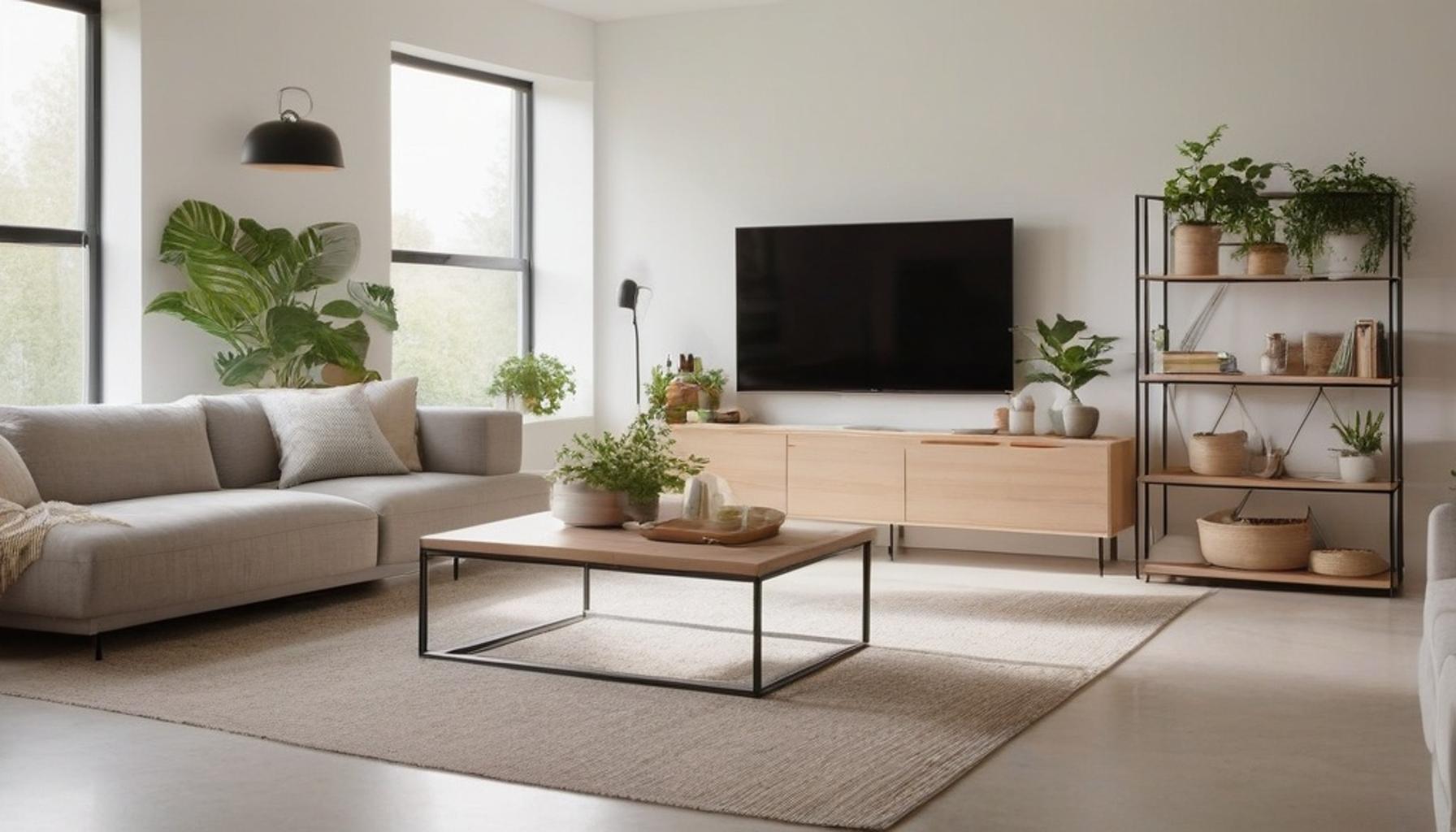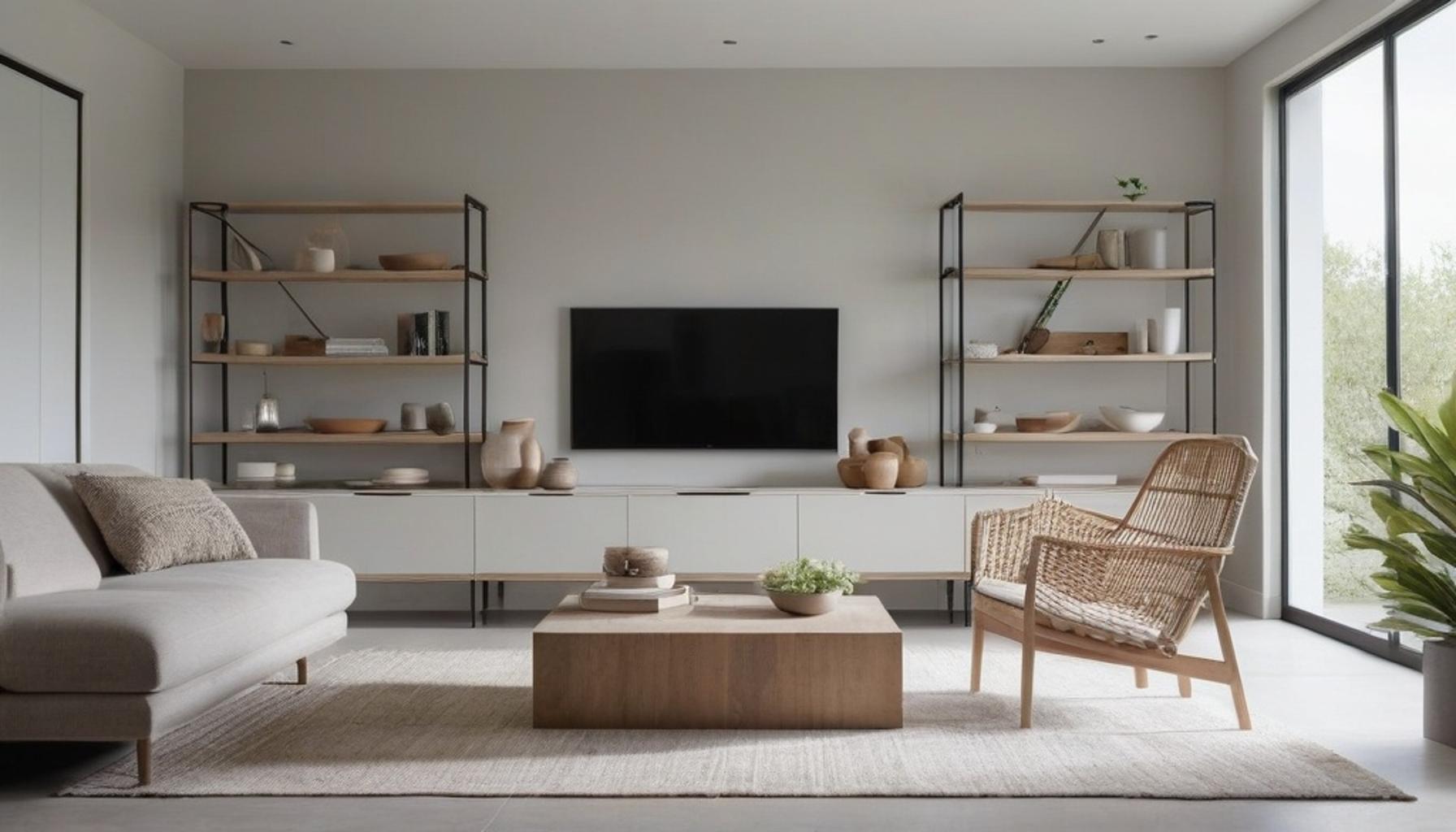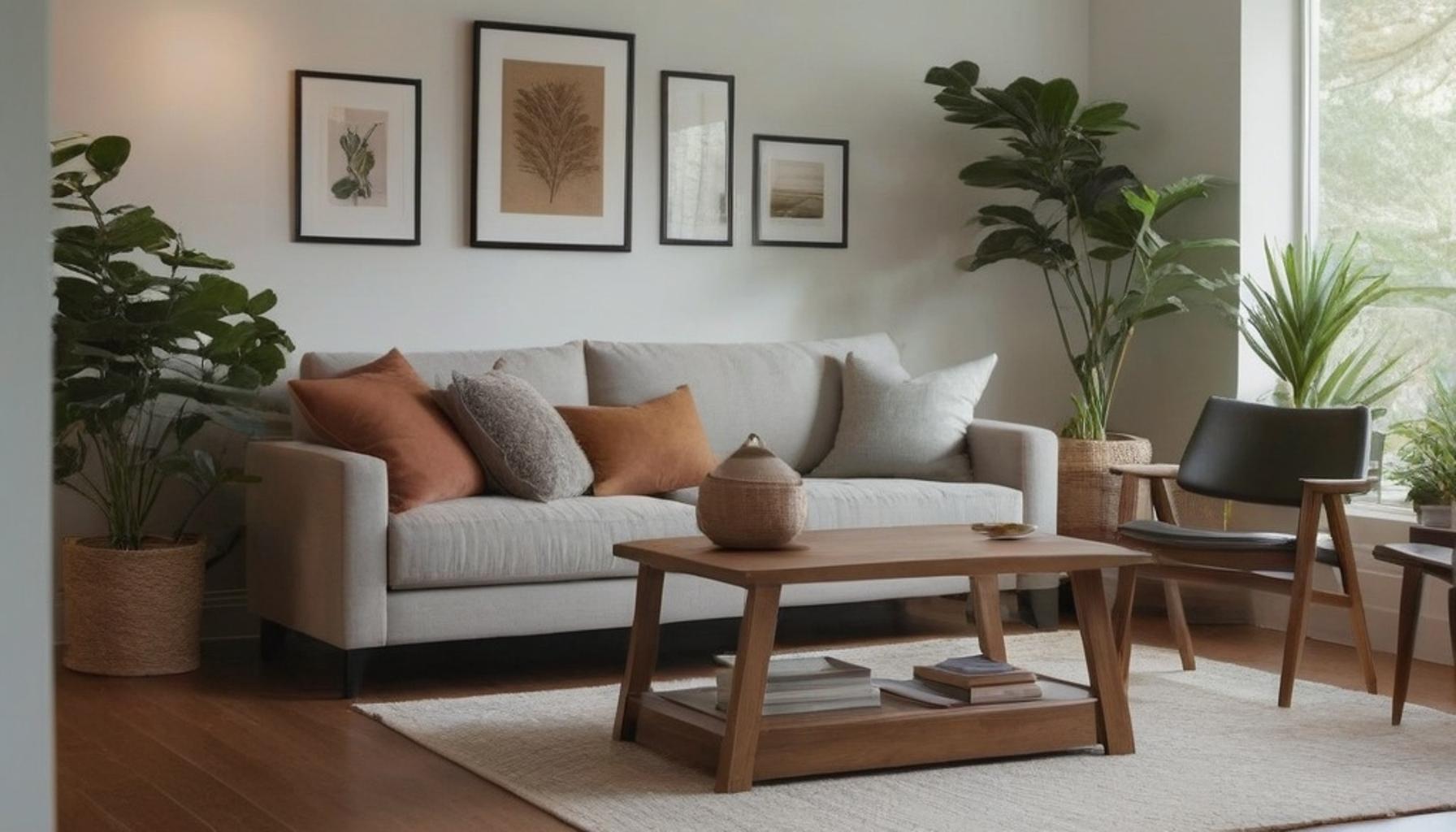
Functional Design for Compact Living: Optimizing Small Spaces with Smart Storage Solutions
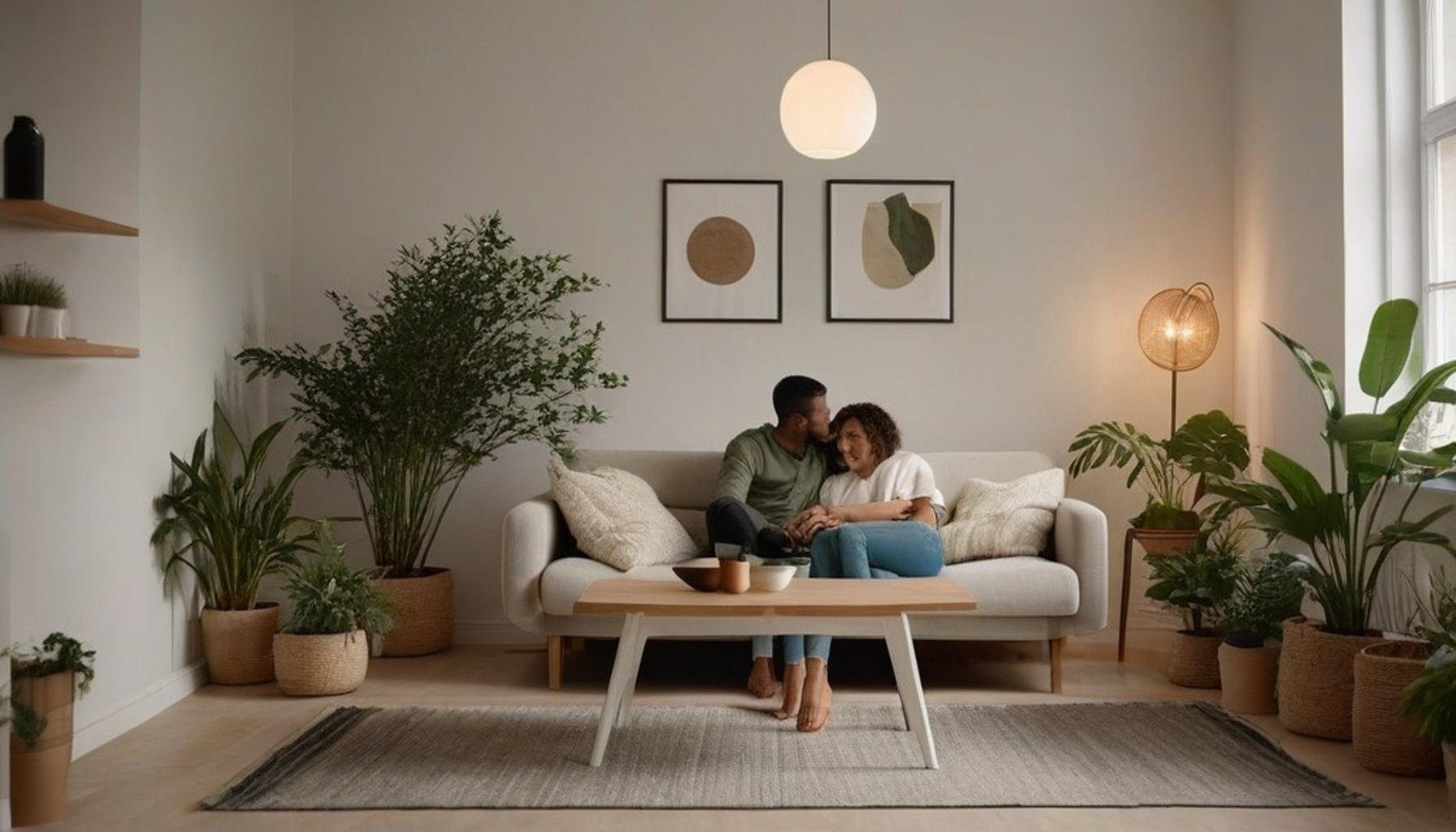
Small Footprint, Big Possibilities
Across the United States, the average apartment size has shrunk to just 886 square feet, according to RentCafe data. This dramatic change in living space has prompted city dwellers, from the bustling streets of New York City to the iconic hills of San Francisco, to completely rethink their lifestyles and living arrangements. As such, we are now witnessing a design revolution that emphasizes smart storage solutions capable of transforming compact, often cramped quarters into efficient, highly livable environments.
What was once considered the norm—a compromise on space—has now evolved into an opportunity for stylish living and functional design. The evolution in functional design for small spaces demonstrates that square footage does not dictate the quality of life. With creative thinking and innovative design approaches, individuals can maximize their living environments without sacrificing their aesthetic preferences.
Why Compact Living Demands Smarter Solutions
The rise of urban migration coupled with soaring rental prices has made compact living ideas essential rather than optional for millions of Americans. The challenge goes beyond merely fitting a sofa or bed into a room; it is about cultivating a home atmosphere that feels open, organized, and conducive to a fulfilling lifestyle.
Homeowners and renters alike are discovering that maximizing storage in small apartments requires strategic planning rather than merely seeking out larger spaces. Here are some key factors that are driving this movement:
- Rising urban housing costs are prompting individuals to seek smaller, more affordable living arrangements.
- A growing demand for multipurpose furniture that can adapt to varied daily needs is reshaping the market.
- Increased interest in minimalist lifestyles emphasizes practical organization coupled with stylish simplicity, enabling residents to live with less.
- Innovative space-saving furniture solutions, from fold-out beds to ottomans with hidden compartments, are becoming commonplace in retail markets.
Moreover, being intentional about organization can make a significant difference. Utilizing vertical space through shelving, incorporating multifunctional furniture, and employing innovative storage solutions can breathe new life into smaller living spaces.
This article delves into practical strategies and efficient organization tips that can transform even the tiniest studio into a space that works harder—and looks better—than one might initially expect. Discovering ways to incorporate these ideas can foster not just a home but a sanctuary that reflects personal style and supports an efficient lifestyle.
DISCOVER: Click here to uncover minimalist kitchen ideas
Rethinking the Blueprint: Vertical Space as the New Frontier
Walk into any well-designed micro-apartment in Chicago or Seattle today, and you’ll notice something immediately: the walls are working just as hard as the floors. Functional design for small spaces has shifted its focus upward, treating vertical real estate as prime territory rather than an afterthought. As urban living becomes the new norm, especially among younger generations, the way we approach our living spaces is evolving to accommodate limited square footage while maximizing functionality.
Interior designers report that ceiling height, once an overlooked metric, is now a selling point. Features like floor-to-ceiling shelving, wall-mounted cabinetry, and loft-style sleeping areas are transitioning from niche trends reserved for tiny-house enthusiasts into expected standards in urban rental listings across cities from Boston to Austin. This transformation reflects a growing awareness of how vertical space can be leveraged to create multifunctional living environments that enhance quality of life.
Practical Ways to Maximize Vertical Storage
Homeowners looking to implement compact living ideas don’t need a full renovation budget to see tangible results. Small, deliberate changes can free up significant floor space almost overnight. Here are several strategies that professional organizers frequently recommend:
- Install floating shelves above doorways and windows to capture typically wasted airspace. This not only creates additional storage but also adds visual interest and can display decorative items.
- Use stackable, modular units that can evolve with your storage needs, allowing for flexibility and adaptability rather than committing to bulky, fixed furniture that can overwhelm small rooms.
- Hang pegboards or slatwall systems in kitchens and entryways for tools, cookware, or accessories, making them accessible while freeing up drawer and counter space.
- Opt for tall, narrow bookcases instead of wide, low ones, which preserve valuable floor real estate while maximizing vertical storage potential.
- Add a loft bed or elevated platform to the bedroom area; this innovative change can free up the entire floor area beneath for a workspace or cozy reading nook.
These strategies illustrate a broader truth about maximizing storage in small apartments: the goal isn’t simply to cram more items into a room but to thoughtfully redistribute where those items live, allowing occupants the room to navigate comfortably and freely. The emphasis is on using space efficiently without sacrificing style or comfort.
According to a 2023 survey conducted by the National Association of Home Builders, nearly 62% of urban renters cited “storage capacity” as a top-three factor influencing their apartment choice, ranking it even above amenities like parking or in-unit laundry in several major metro areas. This statistic underscores a cultural shift; storage is no longer viewed as a luxury feature but rather as a fundamental expectation for urban dwellers.
As city apartments continue to shrink in size, the demand for smart storage solutions that integrate invisibly within a home’s architecture will only intensify. Innovations in storage design are expected to flouri, paving the way for products that blend seamlessly into living environments, ensuring that functionality and aesthetics coexist harmoniously.
In conclusion, rethinking how we utilize vertical space is not just a trend; it’s a substantial shift in our living habits that meets the needs of contemporary urban life. As more people embrace this philosophy, we can anticipate an exciting wave of design innovation that transforms how we perceive and interact with our living spaces.
| Category | Key Aspects |
|---|---|
| Smart Storage Solutions | Innovative designs that maximize utility in confined spaces. |
| Multi-Functional Furniture | Furnishings that serve dual purposes, such as beds with drawers or ottomans with hidden storage. |
| Vertical Solutions | Utilizing wall space for shelves and cabinets enhances floor space. |
| Efficient Organization Tips | Optimizing organization through labeling and compartmentalizing, making essentials accessible. |
DISCOVER MORE: Click here for minimalist kitchen inspiration
Multi-Purpose Furniture: The Backbone of Compact Living
If vertical space is the frontier, then space-saving furniture solutions are the vehicles getting us there. Walk through a furniture showroom in Brooklyn or San Francisco, and you’ll notice an entire category dedicated to pieces that refuse to serve just one purpose. A coffee table that lifts into a dining surface. An ottoman that unfolds into a guest bed. These aren’t gimmicks anymore; they’re becoming standard inventory for retailers catering to studio and one-bedroom dwellers.
Furniture designers have taken notice of this shift toward flexibility. Brands like IKEA, Resource Furniture, and smaller boutique manufacturers have built entire product lines around transformation, recognizing that today’s renter often needs a home office, a guest room, and a dining area to exist within the same 400 square feet.
Furniture Pieces Worth Considering
For anyone exploring compact living ideas, certain furniture categories consistently deliver the highest return on investment, both in terms of dollars spent and square footage reclaimed:
- Murphy beds with built-in shelving units on either side, which combine sleeping quarters with storage without requiring extra wall space.
- Extendable dining tables that shrink to console width when not hosting guests, ideal for apartments where every dinner party requires temporary furniture rearrangement.
- Storage ottomans and benches that double as seating while hiding blankets, shoes, or seasonal items inside their upholstered shells.
- Nesting tables that stack together when not in use, offering flexible surface area during gatherings and minimal footprint otherwise.
- Sofa beds with memory foam mattresses, a far cry from the lumpy pull-out couches of decades past, now engineered for genuine overnight comfort.
The market data supports this trend toward adaptability. According to a 2022 report from Grand View Research, the global multifunctional furniture market was valued at over $40 billion and is projected to grow steadily as micro-unit construction increases in metropolitan areas nationwide.
Efficient Organization Tips for Everyday Living
Beyond furniture selection, daily habits play an equally important role in sustaining an organized compact home. Efficient organization tips shared by professional organizers often emphasize maintenance over one-time overhauls.
- Designate specific zones for specific activities, even in studio apartments, so that a corner desk remains a workspace rather than a catchall surface.
- Adopt a “one in, one out” rule for clothing and household items to prevent gradual clutter accumulation over months and years.
- Use drawer dividers and clear bins to keep smaller items visible and accessible, reducing the time spent searching through disorganized storage.
- Rotate seasonal belongings, storing off-season items in vacuum-sealed bags or under-bed containers rather than keeping everything accessible year-round.
These habits, paired with thoughtful furniture choices, demonstrate that maximizing storage in small apartments depends as much on behavior as it does on design. Together, smart purchases and consistent routines create living spaces that feel considerably larger than their square footage suggests.
DISCOVER MORE: Click here to dive into minimalist kitchen ideas
Rethinking What “Home” Really Needs to Be
Across cities from Seattle to Miami, the math of modern housing keeps pointing to the same conclusion: square footage is shrinking, but expectations for comfort and function are not. That tension is exactly why functional design for small spaces has moved from niche interest to mainstream necessity.
Throughout this article, one theme surfaces again and again. Whether it’s a wall-mounted shelving system climbing toward the ceiling or a sofa bed engineered for actual overnight rest, smart storage solutions only work when they’re paired with intention. A beautifully designed Murphy bed means little if the surrounding habits, clutter, unsorted bins, seasonal overflow, undo its purpose within a few months.
That’s the real takeaway for anyone chasing compact living ideas: design and behavior have to move together. The $40 billion multifunctional furniture market didn’t grow because pieces looked clever in showrooms. It grew because renters and homeowners needed practical answers to a very American problem, more people, less space, and rising costs per square foot in nearly every major metro area.
Looking Beyond the Obvious Fixes
Future innovation in this space likely won’t stop at foldable tables and bed risers. Expect to see smart-home integration merge with storage design, think voice-activated cabinetry or modular units that reconfigure based on daily routines. Some developers are already testing micro-units in New York and Los Angeles that ship with built-in transformation furniture as a standard feature, not an upgrade.
For now, though, the fundamentals remain accessible to almost anyone. Maximizing storage in small apartments doesn’t require a renovation budget. It requires curiosity, a willingness to measure vertical walls, question underused corners, and commit to space-saving furniture solutions that earn their footprint twice over.
Combined with consistent efficient organization tips, these strategies prove that small spaces aren’t limitations. They’re invitations to design smarter, live lighter, and rethink what square footage can actually accomplish.
Frequently Asked Questions
What are some examples of smart storage solutions for small apartments?
Smart storage solutions for small apartments include multifunctional furniture like ottomans with hidden compartments, wall-mounted shelves to save floor space, and under-bed storage boxes. Additionally, utilizing vertical space with tall bookcases and hanging organizers can help maximize every inch of your unit.
How can I effectively use vertical space for storage in a compact home?
To effectively use vertical space in a compact home, consider installing floating shelves, tall cabinets, and hooks for hanging items. You can also use pegboards or grid panels to create customizable storage for tools, kitchen utensils, or craft supplies, all while keeping your floors clear.
What are the benefits of using multifunctional furniture in a small living space?
Multifunctional furniture provides several benefits in small living spaces, including saving space and reducing clutter. Items like sofa beds, extendable dining tables, and storage benches allow for efficient use of the area while providing various functions, making your living environment more flexible and accommodating.
How do I choose the right smart storage solutions for my specific needs?
When choosing smart storage solutions, consider the items you need to store and the layout of your space. Assess your storage requirements, prioritize functionality, and select pieces that fit your style while maximizing utility. Custom solutions, like built-in cabinetry or modular shelving, can also cater to your unique needs.
What innovative ideas can I implement to organize a small kitchen?
To organize a small kitchen, incorporate pull-out pantry shelves, magnetic strips to hold knives or spices, and stackable storage containers. Additionally, utilize the inside of cabinet doors for extra storage space with hooks or small racks, ensuring that everything is accessible and keeping countertops clutter-free.
Is it practical to use smart storage solutions in a shared living space?
Absolutely, smart storage solutions can be very practical in a shared living space. They create designated areas for each individual’s belongings, promote organization, and minimize disputes over clutter. Using labeled bins, shared shelving, and communal storage strategies can help maintain harmony and efficiency in confined living areas.

Beatriz
Beatriz Johnson is a seasoned minimalist and writer with a passion for simplifying the complexities of personal organization and intentional living. With over a decade of experience in decluttering strategies and mindful consumption, she specializes in topics like space optimization, habit simplification, and sustainable lifestyle choices. Through her work on our website, Beatriz empowers readers to embrace minimalism, reduce mental and physical clutter, and create more meaningful, organized lives in today's fast-paced world.