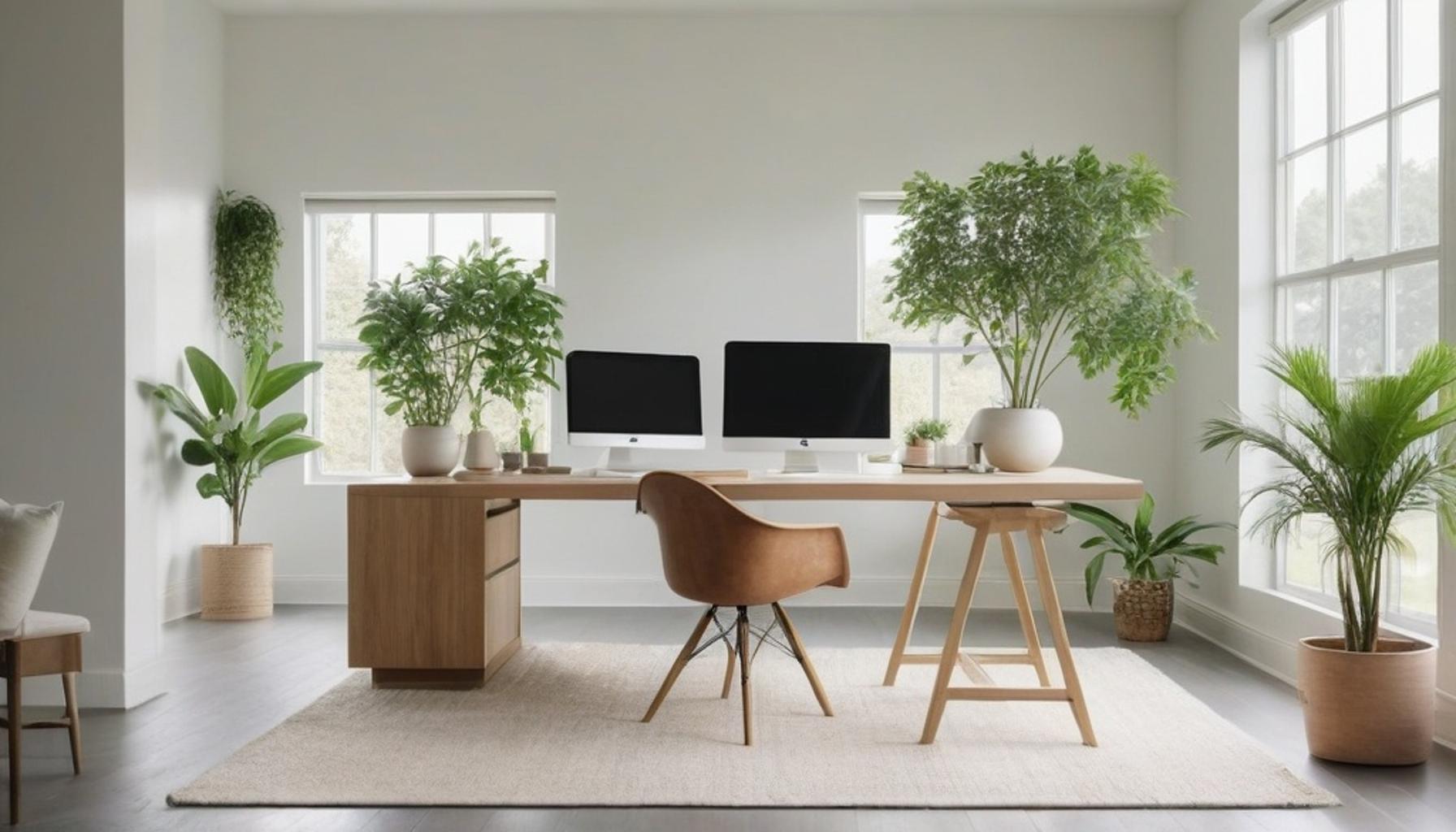
Transforming Your Workspace: Minimalist Office Organization for Enhanced Productivity

The Hidden Costs of Clutter in Workspaces
According to workplace productivity studies, the average American office worker loses up to 4.3 hours per week searching for misplaced items and documents. This staggering statistic reveals that more than half a workday is often consumed by the chaotic reality of cluttered desks and overflowing paperwork. This lost productivity not only affects individual performance but can also create a ripple effect, impacting team dynamics and overall company efficacy.
From bustling Manhattan startups to cozy home offices in Austin, professionals across the country are rethinking their work environments. As work evolves, many have turned to minimalist office organization principles as an effective solution to combat clutter-related inefficiencies.
A Shift Toward Simplicity
This movement transcends mere aesthetics or trendy Scandinavian-inspired designs; it represents a deliberate and strategic approach to decluttering your workspace. Evidence suggests that such organization can significantly enhance focus, boost efficiency levels, and improve mental clarity. A well-organized environment allows employees to concentrate better on their tasks without distractions.
Leading companies such as Google and IBM have already adopted minimalist principles in their office designs, reporting marked increases in employee satisfaction and productivity. For instance, Google has integrated open office spaces with sparse decor to encourage collaboration while mitigating the physical disruption clutter can cause.
But what does transforming your workspace into a minimalist haven entail? It isn’t just about throwing away old papers; it requires thoughtful planning. Here are some core elements to consider:
- Streamlined desk setups that feature only essential tools within arm’s reach promote ease of access and reduce time lost searching for items.
- Innovative storage solutions, such as hidden cabinets or organizers, can help conceal unnecessary items, thereby reducing visual noise and distraction.
- Digital decluttering is just as vital as physical organization, as ensuring that your computer files and emails are orderly affects productivity as much as the aesthetics of a workspace.
- Choosing intentional color palettes can significantly reduce sensory overload, create a calm environment, and help maintain focus during work hours.
Are you ready to boost productivity with minimalism? This guide will break down practical workspace transformation tips and proven office organization strategies that you can begin implementing today. Whether you’re redesigning a spacious corner office or a makeshift workstation at your kitchen table, these minimalist office design ideas offer a clear path forward—no expensive renovations required.
By embracing minimalism, you are not just decluttering your space; you are creating an environment that promotes clarity, efficiency, and well-being. With a few intentional changes, you may find that your work-life balance improves dramatically, allowing you to reclaim those lost hours and channel them into your projects or personal development.
EXPLORE MORE: Click here to discover minimalist kitchen ideas
Understanding the Psychology Behind a Decluttered Desk
Before diving into minimalist office organization, it helps to understand why clutter affects us so profoundly. Neuroscientists at Princeton University found that visual clutter competes for attention in the brain, making it harder to process information and complete tasks efficiently. In other words, that stack of papers on your desk isn’t just an eyesore—it’s actively working against your concentration.
This research explains why so many professionals in fast-paced industries, from Silicon Valley tech firms to Chicago law offices, are prioritizing decluttering your workspace as a core business strategy rather than a seasonal cleaning task. When your environment is calm, your mind follows suit.
Assessing Your Current Workspace
Transformation begins with honest evaluation. Many workers underestimate just how much unnecessary material accumulates on their desks over time—old sticky notes, outdated manuals, redundant office supplies. Before implementing any office organization strategies, take inventory of what’s actually being used versus what’s simply taking up space.
Try this simple exercise for a week: place a colored dot sticker on every item you use. At the end of the week, anything without a sticker is a candidate for removal or storage. This method, popularized by organizational consultants nationwide, offers a data-driven way to boost productivity with minimalism without relying on guesswork.
Once you’ve identified what truly matters, consider these foundational steps:
- Sort items into three categories: daily essentials, occasional-use tools, and items to remove entirely.
- Digitize paper documents whenever possible, reducing physical storage needs by as much as 60%, according to office efficiency reports.
- Designate a single “landing zone” for incoming mail, forms, or notes to prevent random piles from forming across your desk.
- Reevaluate your setup every quarter, since work habits and tools evolve over time.
Companies like Basecamp have famously embraced this evaluative approach, encouraging remote employees to maintain distraction-free home offices as part of their workplace culture. The results speak for themselves: teams report faster task completion and fewer reported instances of work-related stress.
These workspace transformation tips aren’t about achieving a picture-perfect, sterile office. Rather, they’re about creating intentional space where every item serves a purpose. As you’ll see in the following sections, this foundational assessment sets the stage for more advanced minimalist office design ideas, including furniture choices, storage systems, and digital organization techniques that collectively redefine how you experience your workday.
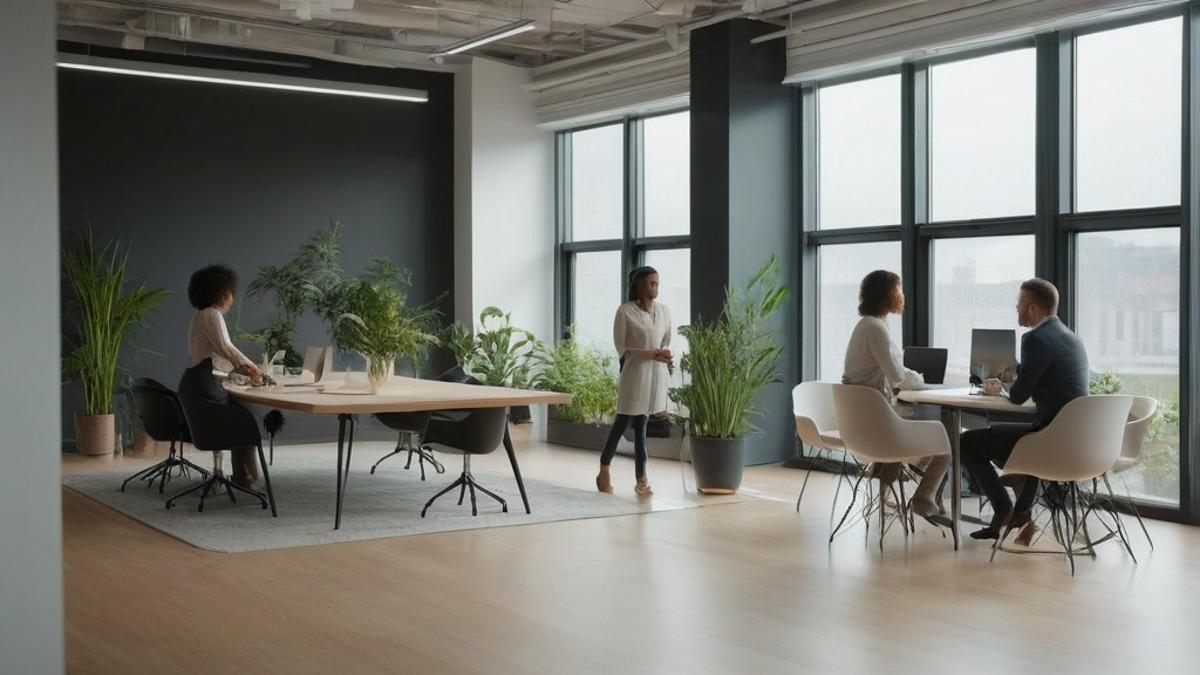
| Category | Description |
|---|---|
| Workspace Design | Utilizing open layouts and neutral colors fosters creativity and reduces distractions. |
| Decluttering Techniques | Implementing a “one in, one out” rule ensures only essential items remain visible. |
| Productivity Tools | Adopting digital organization apps can streamline task management and reduce mental clutter. |
| Mindfulness Practices | Incorporating mindfulness techniques into your routine promotes focus and efficiency. |
DISCOVER MORE: Click here for minimalist kitchen inspiration
Building Functional Systems That Support Minimalist Office Design
Once the clutter has been cleared, the real work begins: designing systems that keep it from creeping back. Minimalist office organization isn’t a one-time purge—it’s an ongoing architecture of habits and tools that support how you actually work.
Furniture choice plays a bigger role in this than most people realize. A study from Cornell University’s Human Factors and Ergonomics lab found that employees with adjustable, multi-functional furniture reported 17% higher satisfaction with their workspace layout. This is why brands like Herman Miller and IKEA have expanded their lines of compact desks and modular shelving specifically for professionals seeking minimalist office design ideas that don’t sacrifice function for form.
Storage Solutions That Actually Work
Vertical storage has become a favorite among space-conscious designers, particularly in cities like New York and San Francisco where square footage comes at a premium. Wall-mounted shelves, pegboards, and floating cabinets keep surfaces clear while maintaining accessibility.
Consider these practical office organization strategies when selecting storage:
- Use closed cabinets for supplies used less than once a week, keeping visual noise to a minimum.
- Reserve open shelving only for items that double as functional décor, such as a single potted plant or a well-organized binder set.
- Invest in cable management trays or clips—tangled cords are among the most overlooked contributors to visual clutter.
- Choose drawer organizers with fixed compartments to prevent small items like paper clips and USB drives from migrating into chaos.
These small adjustments add up. According to a 2022 workplace design survey by Steelcase, employees in organized environments reported a 32% increase in perceived focus during deep-work sessions.
Digital Decluttering Deserves Equal Attention
Physical order means little if your digital workspace is chaos. Desktop icons scattered across the screen, overflowing email inboxes, and disorganized cloud folders create the same cognitive drag as a messy desk.
To truly boost productivity with minimalism, extend your efforts digitally:
- Archive completed projects monthly instead of letting them pile up in active folders.
- Use folder-naming conventions consistent across devices, so files are searchable within seconds.
- Unsubscribe from unnecessary email lists—American professionals receive an average of 121 emails daily, according to Statista, many of which are non-essential.
Together, physical and digital decluttering your workspace efforts create a cohesive environment where distractions are minimized and mental bandwidth is preserved for meaningful work.
The Lasting Payoff of a Minimalist Workspace
Transforming a cluttered desk into a streamlined workstation isn’t about chasing an aesthetic trend. It’s about recognizing that environment shapes output. Every strategy covered here, from modular furniture to digital archiving, points toward one conclusion: minimalist office organization is a practical investment in how well you think, focus, and create.
The numbers back this up. Employees in organized environments report significantly sharper focus, while excessive email and paper clutter quietly drain cognitive energy every single day. These aren’t abstract statistics—they translate into real hours saved and fewer mental roadblocks during the workweek.
Start Small, Think Long-Term
Workspace transformation tips don’t require an overnight overhaul. Swapping one overflowing drawer for a labeled organizer, or unsubscribing from ten unnecessary email lists, can trigger momentum. Minimalism rewards consistency over perfection.
Consider revisiting your setup every quarter. Habits drift, new tools get introduced, and workloads shift. Treating decluttering your workspace as a recurring practice, rather than a one-time event, ensures the benefits compound rather than fade.
A New Way to Measure Productivity
Perhaps the most valuable shift is philosophical. Instead of measuring productivity purely by hours logged, consider measuring it by clarity gained. A desk with only what you need, a digital folder system that makes sense at a glance, these are quiet signals of a workspace built with intention.
For professionals across the United States adapting to hybrid schedules and smaller home offices, these office organization strategies offer more than tidiness. They offer a sustainable framework to boost productivity with minimalism, one deliberate choice at a time. The workspace you build today shapes the focus you bring tomorrow.
Frequently Asked Questions
What are the first steps to implementing minimalist office organization in my workspace?
Start by decluttering your desk and removing any items that are not essential for your daily tasks. Create designated spaces for the items you keep, ensuring everything is easily accessible yet neatly stored. Consider using storage solutions that blend seamlessly with your office decor to maintain a clean look.
How does minimalist office organization boost productivity specifically?
Minimalist office organization reduces distractions by creating a tidy and uncluttered workspace, which can help improve focus and concentration. By limiting visual noise and having only the necessary tools within reach, you can streamline your workflow and make better use of your time.
Can I still personalize my minimalist workspace while keeping it organized?
Yes, you can personalize your minimalist workspace using a few carefully selected decorative items that inspire you, such as a motivational quote or a single plant. The key is to keep these items to a minimum to maintain the clean aesthetic and ensure they don’t create clutter.
What are some practical storage solutions for maintaining a minimalist office?
Use multi-functional furniture like desks with built-in shelves or ottomans that double as storage. Invest in stylish organizers that can hold office supplies without taking up excess space, and consider vertical storage solutions like wall shelving to keep the floor area clear and open.

Beatriz
Beatriz Johnson is a seasoned minimalist and writer with a passion for simplifying the complexities of personal organization and intentional living. With over a decade of experience in decluttering strategies and mindful consumption, she specializes in topics like space optimization, habit simplification, and sustainable lifestyle choices. Through her work on our website, Beatriz empowers readers to embrace minimalism, reduce mental and physical clutter, and create more meaningful, organized lives in today's fast-paced world.