Maximizing Small Spaces: Smart Storage Solutions for a Clutter-Free Home
Small Space, Big Potential: Why Smart Storage Matters
Nearly one-third of American renters live in apartments under 750 square feet, according to recent housing data. From studio apartments in Chicago to compact condos in San Francisco, space constraints have become a defining feature of modern urban living. These limited living spaces often lead to feelings of clutter and chaos, making smart storage not just a luxury, but a necessity.
Yet limited square footage doesn’t have to mean sacrificing organization or style. With the right smart storage solutions, even the tiniest apartment can function efficiently and feel spacious. For instance, consider how many underutilized areas in your home might transform with a few thoughtful adjustments.
What This Guide Covers
This article explores practical, budget-friendly strategies for small space organization that actually work in real homes. You’ll discover ideas that transform overlooked areas into functional storage zones without overwhelming your living space or budget.
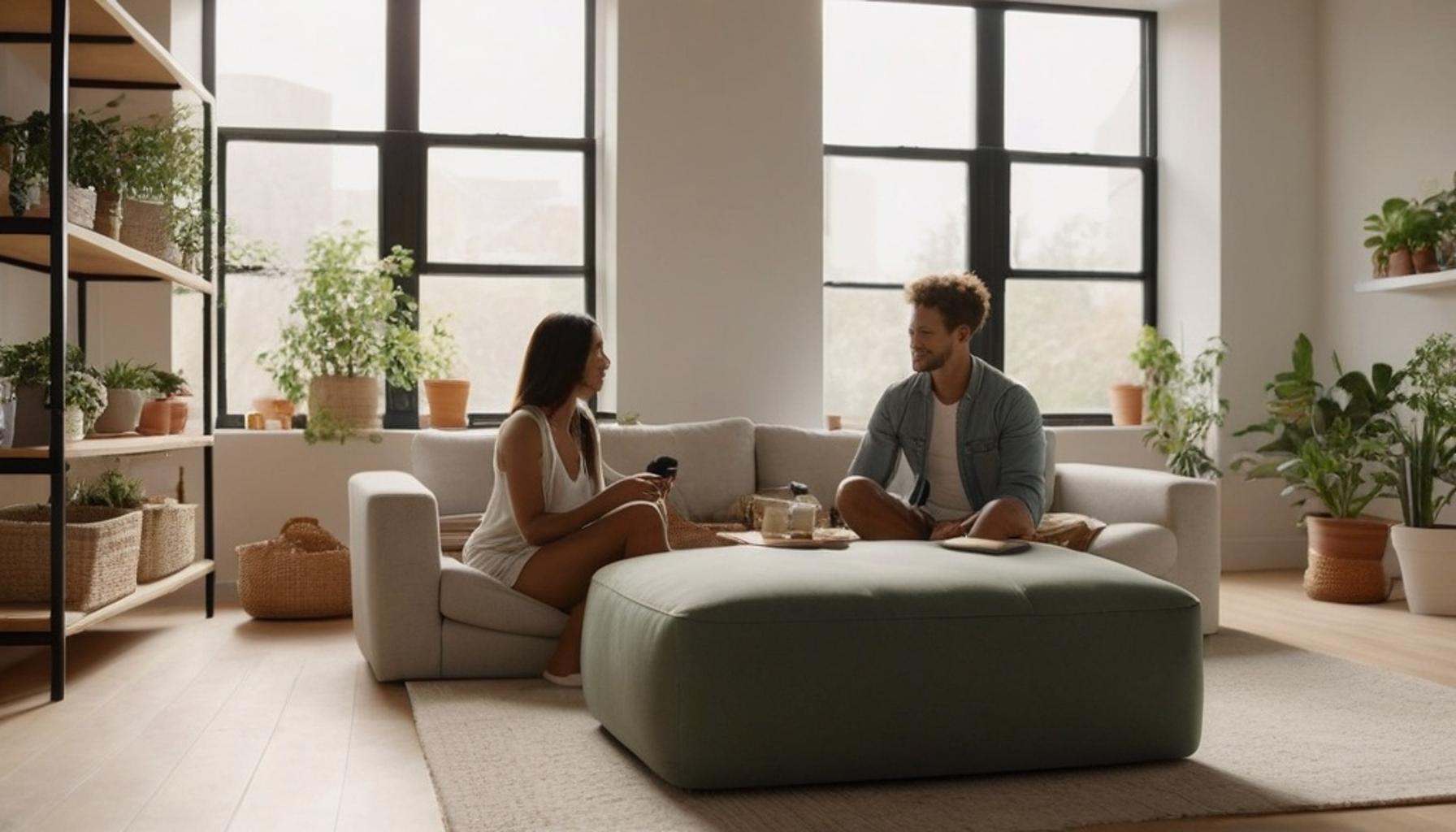
- Multi-functional furniture that doubles as storage: Think of ottomans with hidden compartments, sofa beds with built-in drawers, or coffee tables that open up to reveal storage space. These pieces save room while providing essential functionality.
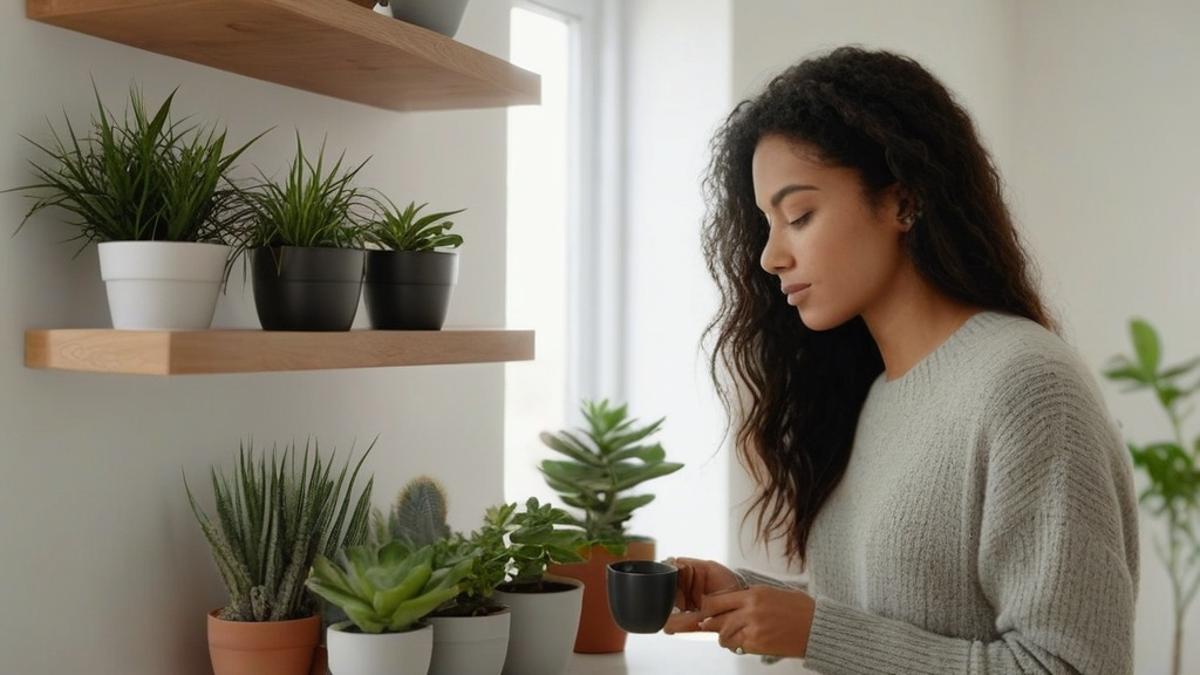
- Vertical storage techniques to maximize wall space: Install shelves high on the walls to create storage for books, plants, or decorative items. Wall-mounted hooks can hold everything from kitchen utensils to bags, keeping frequently used items within easy reach.
- Under-bed and closet optimization strategies: Use storage bins or vacuum-sealed bags under the bed to stash seasonal clothes or extra bedding. In closets, adding hooks, cascading hangers, or shoe organizers can transform cramped quarters into organized havens.
- Creative storage solutions for kitchens and bathrooms: Consider using tiered racks in cabinets to make better use of vertical space, or installing a pegboard in the kitchen for utensils and pots. In bathrooms, over-the-door organizers can maximize cabinet space significantly.
Whether you’re renting a tiny studio or downsizing to a smaller home, these clutter-free home tips offer actionable steps you can implement this weekend. No major renovations or expensive built-ins are required—just a little creativity and a willingness to rethink your space.
Ready to discover how to maximize storage in small apartments without breaking the bank? By reassessing your existing furniture and decor, you can unveil new spaces that nurture a neat and inviting atmosphere. Let’s dive into the specific techniques that make the biggest difference, transforming your small living area into a stylish and functional home.
DISCOVER MORE: Click here to dive into minimalist kitchen ideas
# Multi-Functional Furniture: Your First Line of Defense Against ClutterFurniture that serves a single purpose is a luxury most small-space dwellers simply can’t afford. In a 500-square-foot studio, every piece needs to earn its keep, ideally doing double or triple duty. This is where smart storage solutions truly shine, transforming ordinary furniture into powerful organizational tools.Consider the humble ottoman. A basic model might cost $40, but one with a hollow interior and lift-top lid can hold extra blankets, board games, or off-season clothing while still serving as a footrest or extra seating for guests. Similarly, storage beds with built-in drawers eliminate the need for a separate dresser altogether, a game-changer for anyone dealing with small space organization challenges in a cramped bedroom.
Popular Multi-Functional Pieces Worth the Investment
Not all furniture is created equal when it comes to hidden storage potential. These options consistently deliver the best results for renters and homeowners alike:
- Storage ottomans and benches: Perfect for entryways or living rooms, these pieces hide shoes, blankets, or seasonal items while providing extra seating.
- Murphy beds with shelving: Common in New York City micro-apartments, these fold-away beds free up significant floor space during the day.
- Expandable dining tables: Fold flat against a wall when not in use, then expand for dinner parties without permanently occupying square footage.
- Sofa beds with under-seat drawers: Ideal for studio apartments where the living room doubles as a guest bedroom.
- Nesting coffee tables: Stack together to save space, then separate when extra surface area is needed.
According to a 2023 furniture industry report, sales of multi-functional storage furniture increased by 27% year-over-year, reflecting growing demand from urban renters facing shrinking square footage. This trend isn’t just about aesthetics; it’s a practical response to America’s tightening housing market.
Before purchasing any piece, measure your space carefully and consider traffic flow. A storage bench that blocks a doorway defeats its own purpose. The goal is seamless integration, furniture that looks intentional, not like a makeshift solution crammed into whatever corner remains.
These efficient storage ideas prove that maximizing square footage doesn’t require sacrificing comfort or design. Instead, it demands smarter choices about how each item in your home contributes to daily function.
DISCOVER MORE: Click here to dive into minimalist kitchen ideas
Vertical Thinking: Why Your Walls Are Prime Real Estate
Floor space is finite, but walls remain criminally underused in most American homes. When square footage runs tight, looking upward becomes one of the most efficient storage ideas available, and it costs far less than knocking down walls or moving to a bigger unit.
Tension-mounted shelving systems, floating shelves, and wall-mounted cabinets can turn a blank hallway into functional storage without drilling a single hole in some cases. In cities like Chicago and San Francisco, where rental agreements often prohibit permanent modifications, these removable options have become essential tools for small space organization.
Room-by-Room Vertical Storage Wins
Different rooms call for different vertical strategies. Here’s where homeowners and renters typically see the biggest impact:
- Kitchens: Pegboards and magnetic strips hold utensils, pots, and knives, freeing up drawer space for everything else.
- Bathrooms: Over-the-toilet shelving units can add up to three additional feet of storage in a room where every inch matters.
- Closets: Double-hang rods and stackable bins can increase usable closet capacity by nearly 40%, according to organizational experts at The Container Store.
- Home offices: Wall-mounted file organizers and pegboard systems keep desks clear, a critical factor since cluttered workspaces have been linked to reduced productivity in workplace studies.
Pantry organization deserves special mention here. Installing door-mounted racks on pantry or cabinet doors can utilize what’s typically dead space, adding storage for spices, cleaning supplies, or canned goods without expanding the room’s footprint.
Rethinking Underused Corners and Awkward Spaces
Every home has them: those oddly shaped nooks under staircases, the gap beside a refrigerator, or the empty air above kitchen cabinets. These forgotten zones represent untapped potential for creative storage solutions.
Custom or adjustable shelving inserts can transform a narrow gap into a slide-out pantry. Over-the-door organizers work wonders in bedrooms and bathrooms alike, holding everything from shoes to hair tools. Even the space above kitchen cabinets, often just collecting dust, can house decorative baskets filled with rarely used appliances.
A 2022 survey by the National Association of Home Builders found that homeowners who incorporated at least three of these overlooked storage zones reported a 32% increase in perceived home functionality, even without adding square footage. That’s a significant return on a relatively small investment of time and planning.
These strategies reinforce a central truth about clutter-free home tips: the goal isn’t necessarily acquiring more storage furniture, but rather identifying and activating space that already exists within your four walls.
DISCOVER MORE: Click here to explore minimalist kitchen ideas
Small Space, Big Possibilities: Bringing It All Together
Living with less square footage doesn’t mean living with less function. As explored throughout this piece, smart storage solutions aren’t about buying more stuff to organize your stuff. They’re about seeing your home differently, from bare walls to awkward corners, and recognizing space that was there all along.
From coast to coast, in cramped Brooklyn walk-ups and compact Austin bungalows alike, the same principle holds true: vertical space and forgotten nooks often hold more potential than the obvious storage spots ever could.
Key Takeaways for Every Household
Before tackling your next organization project, keep these core ideas in mind:
- Walls are underutilized assets, capable of housing shelving, pegboards, and cabinets without sacrificing floor space.
- Room-specific strategies, like door-mounted racks or double-hang closet rods, deliver measurable capacity gains.
- Awkward zones, including under-stair nooks and above-cabinet gaps, can be converted into practical storage with minimal investment.
- Small, consistent changes often outperform one large furniture purchase when it comes to small space organization.
What’s clear from the data and design trends alike is that clutter-free home tips work best when they’re layered. A single floating shelf won’t transform a room, but combining vertical storage with corner solutions and daily habits creates compounding results.
For anyone looking to maximize storage in small apartments, the next step is simple: walk through your home room by room, and ask what’s being wasted. That blank wall, that dusty gap above the fridge, that empty air near the ceiling: these are the starting points.
Ultimately, the most efficient storage ideas aren’t found in a store. They’re found in a shift of perspective, one that treats every inch of a home, not just the floor, as valuable real estate worth putting to work.
Frequently Asked Questions
What are some effective smart storage solutions for small kitchens?
In small kitchens, consider using vertical space by installing wall-mounted shelves and spice racks. Drawer organizers can help maximize the space in your cabinets, while under-counter baskets can store frequently used items. Using stacking storage containers can also save space and keep the kitchen organized.
How can I use multifunctional furniture as a smart storage solution?
Multifunctional furniture, such as ottomans with internal storage or coffee tables with drawers, can drastically reduce clutter in small spaces. Items like a sofa that converts into a bed or a dining table that folds down when not in use also serve dual purposes, allowing you to maintain a clean and organized environment.
What DIY smart storage solutions can I implement in my bedroom?
In your bedroom, consider building a wall-mounted headboard with shelves for books and decor. Utilize the space under your bed with slide-out storage bins or create a platform bed with drawers. Hooks and pegboards can help keep accessories organized and off surfaces, enhancing the storage potential.
Are there any specific smart storage solutions for small bathrooms?
For small bathrooms, wall cabinets and over-the-toilet storage units can maximize vertical space. Utilizing shower caddies and tiered organizers can also help keep toiletries in order. Additionally, using clear bins for under-sink storage allows you to quickly locate items without taking up too much space.

Beatriz
Beatriz Johnson is a seasoned minimalist and writer with a passion for simplifying the complexities of personal organization and intentional living. With over a decade of experience in decluttering strategies and mindful consumption, she specializes in topics like space optimization, habit simplification, and sustainable lifestyle choices. Through her work on our website, Beatriz empowers readers to embrace minimalism, reduce mental and physical clutter, and create more meaningful, organized lives in today's fast-paced world.