
The Power of Intent Choosing Objects in a Minimalist Lifestyle

In today’s fast-paced world, the struggle to manage an overwhelming amount of possessions and experiences is all too common. This is where minimalism enters the scene, offering a chance to regain control through intentional living. By focusing on why we choose certain items and experiences, we can significantly enhance our personal organization and overall well-being.
The essence of minimalism is to eliminate distractions and embrace simplicity, which makes understanding our intentions crucial. Intentional choices create more meaningful connections with our belongings and help us prioritize what truly matters. This article will guide you through the Top 5 reasons why intention is vital in selecting objects and experiences in a minimalist lifestyle.
- Enhances mindfulness in purchases
- Reduces clutter, both physically and mentally
- Encourages conscious decision-making
- Fosters deeper appreciation for what we keep
- Aids in creating a more fulfilling life
Understanding the power of intention can lead to transformative changes, setting the stage for a more purposeful existence. Get ready to dive deeper into how intentional choices can shape your minimalist journey!
The Importance of Intention in Choosing Objects and Experiences in Minimalist Living
Minimalism has gained significant traction not merely as a design trend but as a holistic lifestyle choice emphasizing *intentional living*. The foundational principle of minimalism revolves around living with fewer material possessions and focusing on what truly matters. This approach highlights the intention behind our lifestyle choices — a critical element that can dramatically influence our quality of life. In this expanded exploration, we delve deeper into the reasons why intention is indispensable in selecting objects and experiences within a minimalist lifestyle.
5. A Clearer Purpose
A minimalist lifestyle begins with the understanding of our fundamental values and goals. Those who embrace minimalism often start by examining their core beliefs and pinpointing what truly matters to them. This awareness provides a *clearer purpose* when it comes to acquiring or letting go of possessions. When you apply *intention* to your environment, each item serves a specific role aligned with your values and life objectives.
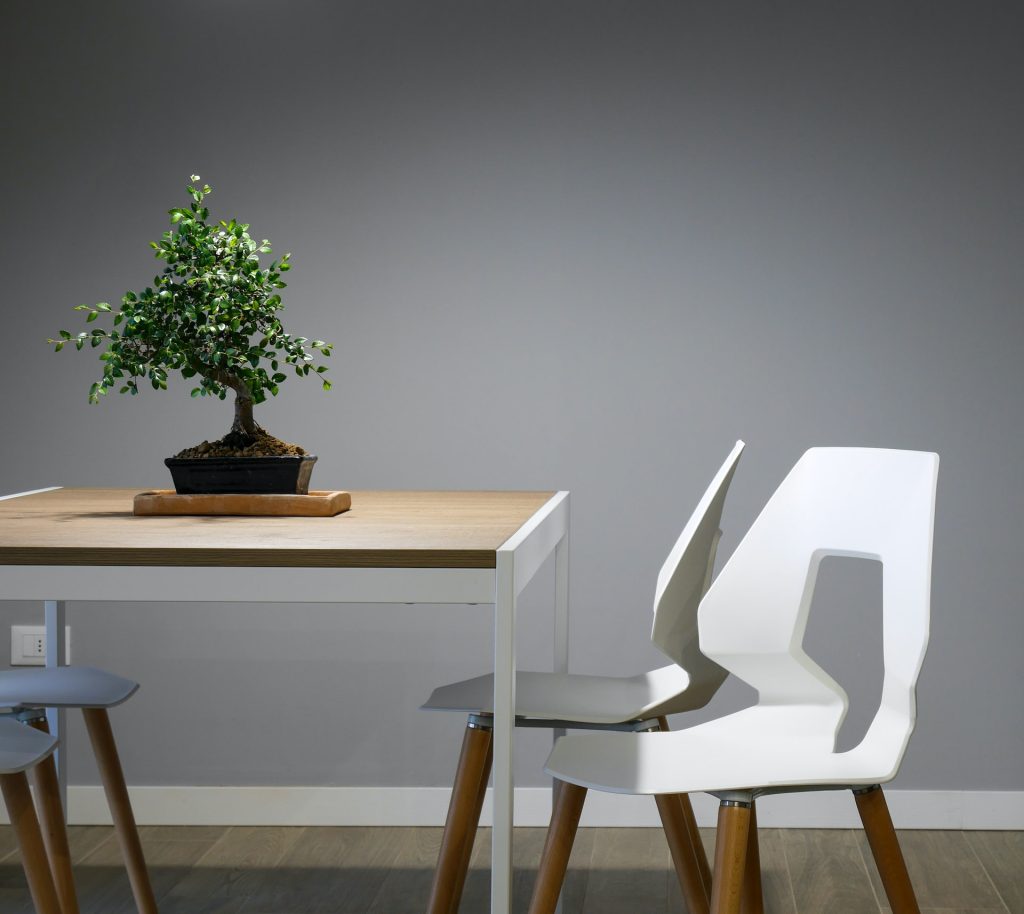
For example, consider the kitchen, a place typically filled with gadgets. When you dwell in a minimalist mindset, you might find that a few well-chosen utensils are all you need to cook effectively and joyously, leaving your space open and uncluttered. Minimalism invites you to create a serene environment that precisely meets your needs and reflects your identity.
To implement this, create a list of core values and regularly evaluate your belongings against this list. Ask pertinent questions such as: Does this item serve a genuine purpose? Does it contribute to my happiness or convenience? With these queries, you transform mere objects into components of a meaningful life.
4. Enhanced Mindfulness
In an era of consumerism, decisions are often impulsive and habitual. Minimalism, however, encourages *enhanced mindfulness*, urging us to pause and reflect before new acquisitions or engagements. This mindfulness fosters a heightened awareness of consumption habits, prompting us to prioritize our genuine needs over ephemeral desires.
Mindfulness in purchasing decisions can dramatically reduce clutter — both physical and mental. Consider the conscious act of asking yourself, “Is this an actual necessity?” before any purchase. Such discernment can prevent the accumulation of objects that do not align with your lifestyle or intentions. This focused attention on needs over wants can lead to more deliberate living and a deeper appreciation of the things you choose to retain.
3. Quality Over Quantity
In the realm of minimalism, the adage *quality over quantity* becomes a pivotal guiding principle. Intentional selections in personal belongings often lead to the preference of fewer, higher-quality items that offer greater durability and satisfaction over time. This shift not only augments individual fulfillment but also contributes to environmental sustainability by reducing waste.
For instance, rather than purchasing multiple pieces of inexpensive, transient fashion, a minimalist might opt for a curated wardrobe of timeless, versatile garments. Such choices transform style into an expression of self rather than a response to fleeting trends, aligning with personal values of sustainability and authenticity. In choosing quality, you invest in items that not only last but also enhance your lifestyle in enduring ways.
2. Deepening Experiences
Minimalism is often misconceived as a lifestyle of deprivation. In contrast, when applied to experiences, minimalism encourages the enrichment of life through deliberate engagement. By choosing experiences with intention, individuals can forge deeper, more meaningful connections with both people and environments.
Consider travel as an example. A minimalist traveler might prefer to immerse themselves in the local culture of a single destination, as opposed to hastily traversing multiple attractions. This intentional approach aligns with the philosophy of *depth over breadth*, fostering profound personal growth and lasting memories.
To cultivate such enriching experiences, reflect on past engagements that brought you joy and purpose. Seek opportunities that resonate with your core values, and commit to being fully present during each encounter. This sincere dedication to quality experiences over quantity can lead to a life suffused with genuine fulfillment and contentment.
1. Empowerment Through Choice
A hallmark of minimalism is the empowerment derived from deliberate choice. By consciously determining what to retain and what to relinquish, you seize control over your environment and, by extension, your narrative. This empowerment transcends material objects, echoing throughout all facets of life.
This process is about more than reducing possessions; it’s about crafting a lifestyle that reflects personal identity and aspirations. Minimalism encourages you to listen to your inner desires, free from societal conventions or superficial influences. This intentional curation of life allows you to define yourself on your own terms, leading to a more profound sense of satisfaction and agency.
Recognizing and embracing the power of choice grants you the freedom to shape your journey with intention. As you navigate a minimalist path, you exercise autonomy and agency, directing life in a manner that aligns seamlessly with your values and vision.
In conclusion, the practice of intentionality is foundational to minimalist living. From establishing a clearer sense of purpose to enhancing mindfulness, choosing quality over quantity, deepening experiences, and feeling empowered through personal choice, the intentional decisions we make are integral to cultivating a minimized yet enriched lifestyle. By channeling intention in every aspect of life, you can transform your environment and experiences into meaningful reflections of your true self, ultimately enhancing your overall well-being.
| Category | Details |
|---|---|
| Awareness | Heightened consciousness regarding personal belongings fosters a deeper understanding of what enhances one’s life. |
| Intentional Living | Deliberate choices allow individuals to align their objects and experiences with their core values, leading to a more meaningful existence. |
| Sustainability | Conscious consumption promotes sustainability, encouraging the selection of items that are environmentally friendly and essential. |
| Mental Clarity | Reducing clutter not only improves physical spaces but also enhances cognitive function and reduces stress. |
In the exploration of minimalist lifestyles, the importance of intention in the selection of objects and experiences cannot be overstated. Intentionality acts as a guiding principle, allowing individuals to sift through the noise of excess and focus on what truly resonates with their lives.Awareness is the first step in this journey. By cultivating a heightened consciousness about possessions, one can identify which items serve a purpose and contribute positively to their daily existence. This awareness translates into informed decisions when acquiring new belongings, thereby eliminating impulse buys and fostering a curated collection of essentials.Intentional living takes this concept a step further, where choices are not made lightly. Rather, every object and experience is an opportunity for alignment with personal values and goals. This meaningful selection process often leads to greater satisfaction and fulfillment, as individuals surround themselves with what they genuinely appreciate and need rather than what is simply trendy or accessible.In today’s world, sustainability has become increasingly significant. Minimalism encourages a focus on conscious consumption, where the goal is to choose items that not only serve practical purposes but also have minimal environmental impact. The mindful selection of products, especially those that are ethically sourced and eco-friendly, reflects a commitment to responsible living.Furthermore, embracing minimalism can greatly enhance mental clarity. Reducing clutter from physical spaces often has profound effects on mental well-being. Clarity in one’s surroundings contributes to a more organized thought process, less stress, and an overall sense of calm. The act of decluttering becomes not just a chore but a vital part of a holistic approach to mental health and personal growth, thereby cultivating a serene and purposeful environment.
Frequently Asked Questions About Intentional Choices in Minimalist Living
What does it mean to choose objects and experiences with intention in a minimalist lifestyle?
Choosing objects and experiences with intention in a minimalist lifestyle means making deliberate decisions about what you bring into your life. This includes carefully selecting the items you own and the activities you engage in, ensuring they align with your values and purpose. The focus is on quality over quantity, and each choice is made to enhance your life, not clutter it. By embedding intention into these choices, minimalism can lead to more meaningful and fulfilling living.
How can adopting an intentional mindset affect my personal well-being?
Adopting an intentional mindset often leads to increased clarity and reduced stress. When you consciously choose what to keep and what to let go, you create a living environment that supports your mental and emotional health. This mindset fosters a sense of peace and satisfaction, as you learn to appreciate what’s truly important. Moreover, it can enhance your decision-making skills, allowing you to focus on goals that bring long-term happiness rather than temporary satisfaction.
Can intentional minimalism contribute to financial savings?
Yes, intentional minimalism can significantly contribute to financial savings. By prioritizing truly essential purchases and avoiding impulse buys, individuals can allocate their resources more efficiently. This approach often leads to a reduction in unnecessary expenditures and helps in building a more stable financial foundation. Over time, the practice of making mindful decisions about purchases can result in considerable savings, allowing you to invest in experiences or objects that genuinely enrich your life.
How does intentionality promote sustainability?
Incorporating intention into a minimalist lifestyle can greatly enhance sustainability efforts. By selecting fewer, higher-quality items that are durable and ethically produced, you reduce waste and minimize your environmental footprint. This change encourages sustainable consumption patterns and supports businesses that prioritize ethical practices. The emphasis on longevity rather than disposability further promotes environmental stewardship and conscious living.
Are there any challenges to living a more intentional minimalist lifestyle?
While living intentionally within a minimalist framework offers numerous benefits, it can also pose certain challenges. One of the primary challenges is the need for self-discipline in resisting societal pressures and consumerist habits. Additionally, it may require continuous reflection and adjustments to align possessions and experiences with one’s evolving values and goals. Despite these challenges, many find the pursuit worthwhile as it leads to a more balanced and enriched life.
Conclusion
In embracing a minimalist lifestyle, the concept of intention emerges as a guiding principle. Throughout the article, we have explored how choosing objects and experiences with deliberate intention is not merely a practice of reducing clutter but a profound rethinking of what truly matters in life. By understanding the significance of intention, individuals can curate their environments and allocate their time in ways that resonate with their personal values and priorities.
One of the key takeaways is the emphasis on quality over quantity. Minimalism is not about having less for its own sake but rather focusing on what adds real value. Whether it’s the decision to hold onto a cherished possession or the choice to engage in meaningful experiences, intention ensures that every aspect of one’s life supports their broader goals.
Moreover, the practice fosters a deeper connection to oneself and to others. Intention helps in decluttering the mind and creating space for more fulfilling relationships and authentic interactions. This reinforces the impact of minimalism on personal well-being and mental clarity.
As minimalism continues to gain traction, it serves as a reminder that intentional living is not only about aesthetics or efficiency but about aligning life with one’s personal mission. The importance of intention in minimalism invites individuals to consistently question and understand their motivations.
Final Thoughts
Ultimately, the thoughtful incorporation of intention in minimalism is transformative, prompting a shift towards a life characterized by purpose and fulfillment. As more individuals seek meaningful existence amidst the chaos of modern life, embracing intentional choices not only refines personal organization but also enriches the human experience.