The Art of Decluttering: How to Create an Efficient Space with Minimalist Principles
Understanding the Impact of Decluttering
In our fast-paced world, the concept of decluttering has gained remarkable traction. Many individuals are searching for ways to create an efficient space that enhances both productivity and peace of mind. The minimalist approach provides a roadmap for transforming chaos into harmony, encouraging a lifestyle that prioritizes meaningful possessions over abundance.
Consider these compelling reasons to embrace minimalist principles:
- Enhanced Focus: A clutter-free environment allows for clearer thinking and better concentration. For instance, a study by Princeton University found that physical clutter can distract the brain from focusing on what’s important. Those who have adopted minimalism often report a significant boost in their ability to concentrate, whether on work tasks or personal projects.
- Reduced Stress: Simplifying your space can significantly decrease anxiety and overwhelm. A study published in the International Journal of Environmental Research and Public Health noted that cluttered spaces are linked to increased levels of cortisol, the stress hormone. By removing excess items, individuals often experience a greater sense of calm and control over their environment.
- Improved Aesthetics: Minimalism promotes a clean, organized look that can elevate your home’s visual appeal. The sleek lines and open spaces typical of minimalist design not only make a home appear larger but can also contribute to a more inviting atmosphere. For example, many homes in cities like San Francisco have embraced this style, demonstrating how minimalist principles can meld beautifully with functional living.
Furthermore, the benefits extend beyond personal satisfaction. Studies have shown that a tidy space contributes to:
- Increased Productivity: Less clutter leads to more efficient work habits. According to a survey conducted by OfficeMax, 77% of employees believe that an organized workspace directly impacts their productivity levels. This insight is especially relevant in today’s remote work culture, as many professionals are seeking ways to create optimal home office environments.
- Greater Creativity: An organized environment can foster innovative thinking. Artists and writers often cite a clean workspace as essential for their creative process, allowing for free thought and unhindered imagination.
- Healthier Living: Less clutter reduces allergens and fosters a more hygienic home. The American Journal of Public Health emphasizes that clutter can be a breeding ground for dust and pests, which can negatively impact one’s health. Maintaining a clean, minimalist home promotes better overall well-being.
As you delve into the art of decluttering, prepare to discover not only practical strategies but also profound insights into how your surroundings affect your mental and emotional well-being. This exploration offers a transformative path, one that can lead to newfound clarity and an enriched quality of life. Unlock the key to an efficient space and delve into the minimalist lifestyle that many across the United States and beyond are embracing today.
DISCOVER MORE: Click here to enhance your productivity
The Fundamentals of Decluttering
At its core, decluttering is not merely about tidying up; it’s an intricate process that involves evaluating the items within your space, rethinking their necessity, and ultimately making informed choices about what to keep and what to let go. To embark on this journey of minimalism, it is essential to recognize the principles that guide effective decluttering. Embracing these fundamental concepts can set the stage for a transformative experience that extends beyond aesthetics.
Assessing Your Space
Before diving into decluttering, take time to assess your environment. Walk through each room and identify areas that feel overwhelming or chaotic. Keeping a journal during this process can help you document your feelings and pinpoint specific problem areas. Consider asking yourself the following questions:
- What items do I use regularly? This helps highlight functional possessions versus mere decorations.
- What no longer serves a purpose? Evaluate which belongings are outdated or unused, providing a clearer picture of what can be eliminated.
- How does each item make me feel? In a minimalist mindset, it’s vital to surround yourself with items that bring joy and serve a functional purpose.
Once you identify cluttered areas, it’s time to implement strategies to create an effortless space. One popular approach is the KonMari Method, developed by Marie Kondo, which encourages individuals to keep only those items that “spark joy.” By honing in on what truly matters to you, the decluttering process becomes a mindful act of curation rather than a chore.
Establishing Practical Decluttering Techniques
Decluttering can often feel daunting; however, implementing practical techniques can streamline the process. Here are several effective methods to help you get started:
- The Four-Box Method: Label four boxes as ‘Keep,’ ‘Donate,’ ‘Sell,’ and ‘Trash.’ As you go through each item, immediately place it in the appropriate box, making the decision-making process more efficient.
- The One-Year Rule: If you haven’t used an item in the past year, consider letting it go. This helps to eliminate items that may have sentimental value but no practical use.
- Set a Timer: Allocate a specific amount of time (like 15 or 30 minutes) to declutter each area. This creates a sense of urgency and prevents the task from feeling overwhelming.
As you embrace these approaches, remember that decluttering is an ongoing journey rather than an event. It’s essential to regularly reevaluate your possessions and adjust as needed. By consistently applying minimalist principles, you can cultivate an environment that is both peaceful and functional.
By keeping a focus on these fundamental aspects of decluttering, you pave the way for efficiency in your living space. This commitment to simplicity not only enhances your surroundings but also fosters a mindset that values clarity in thought and action, ultimately enriching your daily life.
The Art of Decluttering: How to Create an Efficient Space with Minimalist Principles
As we delve deeper into the principles of minimalism, it becomes evident that decluttering is not merely about removing items; it is a transformative process that enhances both physical and mental spaces. Embracing the minimalist lifestyle involves adopting thoughtful organizing techniques that resonate with your personal values. One of the first steps in this journey is to assess what truly brings you joy and what serves a purpose in your life.
To achieve an efficient space, consider implementing a 10-point checklist. This can include evaluating each item based on its utility and emotional value. Ask yourself critical questions: Does it serve a function? Does it evoke positive feelings? This method allows you to consciously make decisions about what to keep, ensuring that your space reflects your aspirations rather than just your possessions.
Additionally, adopting a less-is-more philosophy in décor can greatly affect how spacious a room appears. A few carefully chosen pieces can make a striking impact without overwhelming your senses. Utilizing multifunctional furniture—like ottomans with storage or coffee tables that double as desks—can maximize your area while maintaining an airy feel. Furthermore, strategic storage solutions will help keep items organized and out of sight, reinforcing the serene ambiance that minimalist living promotes.
Another essential aspect is digital decluttering, which often goes unnoticed. Just as physical items clutter our homes, digital files and images crowd our online spaces. Streamlining your digital footprint not only contributes to a clearer mind but also enhances productivity. Regularly assess your electronic devices to eliminate unneeded files and simplify your digital life.
Incorporating natural elements, such as plants, also aligns with minimalist principles while improving air quality and adding a sense of calmness to your environment. Each choice you make enhances the overall aesthetic while promoting a sustainable and serene lifestyle.
| Advantage | Description |
|---|---|
| Enhanced Productivity | A decluttered space allows for improved focus, reducing distractions and promoting efficiency. |
| Reduced Stress | Minimalist environments lead to a calming atmosphere, easing feelings of anxiety and overwhelm. |
By exploring these facets of decluttering, you not only create a more efficient living space but also cultivate a lifestyle that prioritizes clarity and intention. It’s not just about getting rid of items; it’s about inviting peace and purpose into your life through mindful consumption and organization. This journey of decluttering is one that fosters lasting change, both physically and mentally, as you redefine your space and what it represents.
DISCOVER MORE: Click here for practical tips
Creating an Efficient Space: Design Strategies for Minimalism
Once you’ve embarked on the journey of decluttering and begun to streamline your possessions, the next step is to focus on creating an efficient space that reflects minimalistic principles. This involves not only how items are organized but also how to design your surroundings to enhance both functionality and aesthetic appeal. A thoughtfully curated environment can lead to increased productivity, reduced stress, and a greater appreciation for your space.
Smart Storage Solutions
In a minimalist setting, every item should have a designated place. To achieve this, consider incorporating smart storage solutions that maximize space without overcrowding. For instance, multi-functional furniture—such as ottomans with storage, beds with built-in drawers, or wall-mounted shelves—provides both practicality and style. These pieces allow you to keep your living areas tidy while ensuring that necessary items are easily accessible.
Furthermore, utilize vertical space by installing shelves or hooks that draw the eye upward. Not only does this technique free up floor space, but it also creates an illusion of a larger area. Consider using clear bins or labeled containers for easy identification, which helps maintain organization and encourages you to put items back in their respective locations.
The Importance of Color and Light
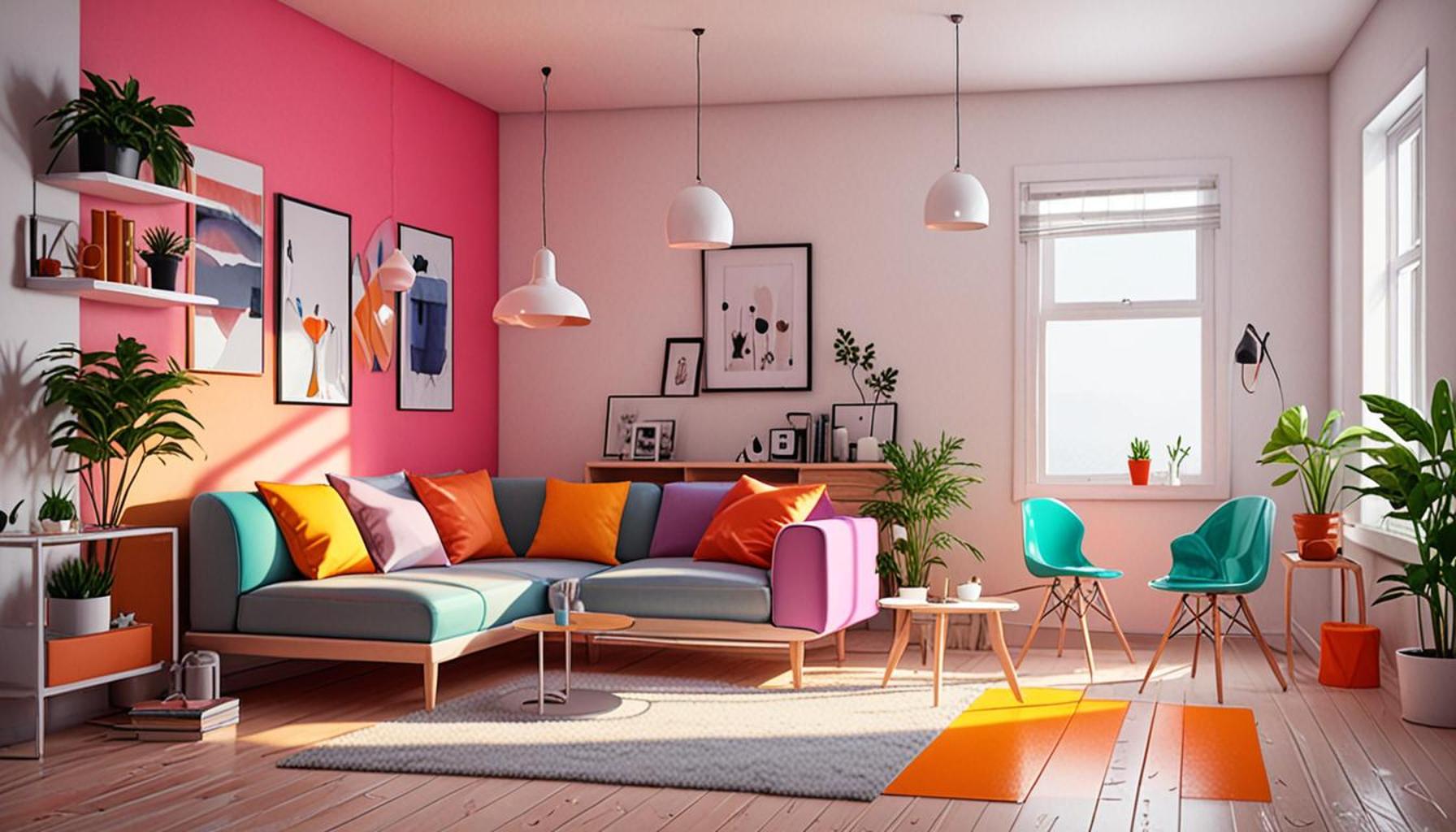
The color scheme of your space plays a crucial role in establishing a minimalist aesthetic. Opt for a neutral color palette combined with pops of color through accents, such as art or decorative pillows. This approach minimizes distractions while allowing individuals to focus on the essential elements of the room. Moreover, the use of natural materials like wood, stone, and cotton can evoke a sense of calm and connection to nature, reinforcing minimalist ideals.
Lighting is another key factor that can transform your environment. Utilize natural light by keeping windows unobstructed and using sheer curtains, if necessary. Consider the use of layered lighting strategies, incorporating task, ambient, and accent lighting to create versatility. Proper illumination not only enhances the mood but also highlights your carefully selected possessions, allowing the simplicity to shine.
Mindfulness in Decor
In minimalism, less is often more. When selecting decor items, choose pieces that evoke meaning or joy instead of simply filling empty spaces. This may involve displaying a few cherished photographs, installing a single piece of artwork, or even choosing plant life as a living centerpiece. Each element should contribute to a cohesive story within the space, enhancing both its beauty and functionality.
Additionally, consider incorporating mindful routines that promote the maintenance of your decluttered space. Regularly revisiting areas to ensure they reflect your current lifestyle prevents the accumulation of unnecessary items. This practice reinforces the concept of intentional living—a core value within minimalism.
By implementing these design strategies and principles, you can create an efficient space that aligns with minimalistic ideals. The goal is to cultivate an environment that not only looks visually stunning but also maximizes comfort and functionality, thereby facilitating a more mindful and purposeful existence.
LEARN MORE: Click here to discover effective strategies
Conclusion: Embracing the Minimalist Lifestyle
In conclusion, the art of decluttering is not merely about reducing physical possessions but rather embracing a philosophy that encourages intentional living and thoughtful design. By assimilating minimalist principles into your daily life, you can transform your environment into a space that fosters productivity, tranquility, and joy. The journey begins with identifying what truly matters, letting go of unnecessary items, and creating a home that reflects your values and aspirations.
The design strategies we explored—ranging from smart storage solutions to the effective use of color and light—play a significant role in establishing an efficient and harmonious atmosphere. Each decision you make should enhance the functionality of your space while maintaining an aesthetic that resonates with your personal style. Remember, every item you choose to keep should not only serve a purpose but also evoke a sense of happiness or nostalgia.
Furthermore, cultivating mindfulness in your decor and regularly reevaluating your possessions helps sustain a harmonious living environment, preventing clutter from creeping back into your life. Embracing these practices not only leads to a more organized space but also encourages a deeper appreciation for what surrounds you.
Ultimately, by adopting a minimalist mindset, you can create an efficient space that not only meets your practical needs but also enriches your overall quality of life. As you journey through the process of decluttering, remember that the objective is to design a sanctuary that reflects your true self, allowing you to thrive in a world filled with possibility and clarity.