Creating a Stress-Free Home: Effective Room Organization Techniques for Every Space
The average American household contains over 300,000 items, as reported by the LA Times, and this figure continues to rise. This seemingly endless accumulation of possessions goes beyond just taking up space; it has far-reaching effects on our daily lives, manifesting as a genuine source of anxiety and stress. Research conducted at Princeton University supports this idea, showing that visual clutter competes for cognitive resources in the brain, ultimately making it more difficult to concentrate and process information effectively. With too many objects vying for attention, the mind becomes overwhelmed, leading to a cascading effect that hampers productivity and enhances feelings of stress.
Consider how entering a chaotic living room or an overstuffed closet can trigger a subtle but pervasive stress response. You might feel overwhelmed by choices and distractions, leading to frustration instead of peace. This is where the concept of Stress-Free Home Organization comes into play. The goal isn’t necessarily to achieve those idealized Pinterest aesthetics; rather, it is about reclaiming your mental clarity and freeing up precious time that is often lost in search of misplaced items or navigating through disorder.
What You’ll Discover in This Guide
This comprehensive article offers practical, room-by-room strategies that are effective for a range of living environments, from compact city apartments to expansive suburban homes. Here, you will find actionable, pragmatic advice instead of vague suggestions that leave you feeling unmotivated.
- Decluttering tips for home that can be implemented in as little as 15 minutes a day, allowing you to make significant strides without overwhelming yourself.
- Room-specific organization techniques tailored to the unique challenges of kitchens, bedrooms, and home offices. For example, in the kitchen, utilizing vertical storage options can create more counter space, making meal prep easier and less stressful.
- Budget-friendly storage solutions that utilize everyday products available at stores like Target and The Container Store, showing you that organization doesn’t have to come with a hefty price tag.
- Maintenance habits that ensure clutter doesn’t return, such as the “one in, one out” rule, where for every new item brought into the home, an existing item must be removed.
Whether you are tackling a small junk drawer or looking to redesign an entire area of your home, these effective organizing strategies are designed to fit seamlessly into your lifestyle. The goal is clear: transform overwhelming spaces into stress-free living environments that not only support your everyday activities but also enhance your overall well-being.
Are you ready to uncover home organization ideas that are both practical and innovative? Let’s dive in, starting with the space that often generates the most tension—the kitchen, where clutter can easily accumulate amidst the hustle and bustle of daily life.
DON’T MISS: Click here to dive into minimalist kitchen design
# Taming the Kitchen: Where Clutter Meets ChaosThe kitchen is often called the heart of the home, but for many Americans, it’s also the epicenter of daily stress. Between meal prep, grocery storage, and the constant shuffle of dishes, this room accumulates clutter faster than almost any other space in the house.According to the National Association of Productivity and Organizing Professionals, the average kitchen contains items that go unused for over six months—yet these forgotten gadgets and duplicate tools continue to occupy prime real estate in cabinets and drawers.
Vertical Storage: Your Counter Space Savior
One of the most effective room organization techniques for kitchens involves thinking upward instead of outward. Wall-mounted magnetic knife strips, hanging pot racks, and tiered shelf organizers can free up significant counter space without requiring a renovation.
Consider these practical additions that maximize vertical space:
- Over-the-cabinet racks for cutting boards and baking sheets, eliminating awkward horizontal stacking.
- Pull-out drawer organizers for spices, transforming chaotic cabinets into accessible, visible storage.
- Under-shelf baskets that attach directly beneath existing shelving, doubling your storage capacity instantly.
- Door-mounted organizers inside pantry doors, perfect for storing foil, plastic wrap, and cleaning supplies.
The 15-Minute Kitchen Reset
Among the most practical decluttering tips for home environments is what professional organizers call the “15-minute reset.” Rather than dedicating an entire weekend to overhauling your kitchen, this technique involves spending just a quarter-hour daily on one specific zone—the junk drawer on Monday, the spice cabinet on Tuesday, and so forth.This incremental approach prevents the overwhelm that often derails larger organization projects. Research from UCLA’s Department of Psychology suggests that smaller, consistent tasks are more likely to become sustainable habits than sporadic, intensive efforts.
Budget-Friendly Solutions That Actually Work
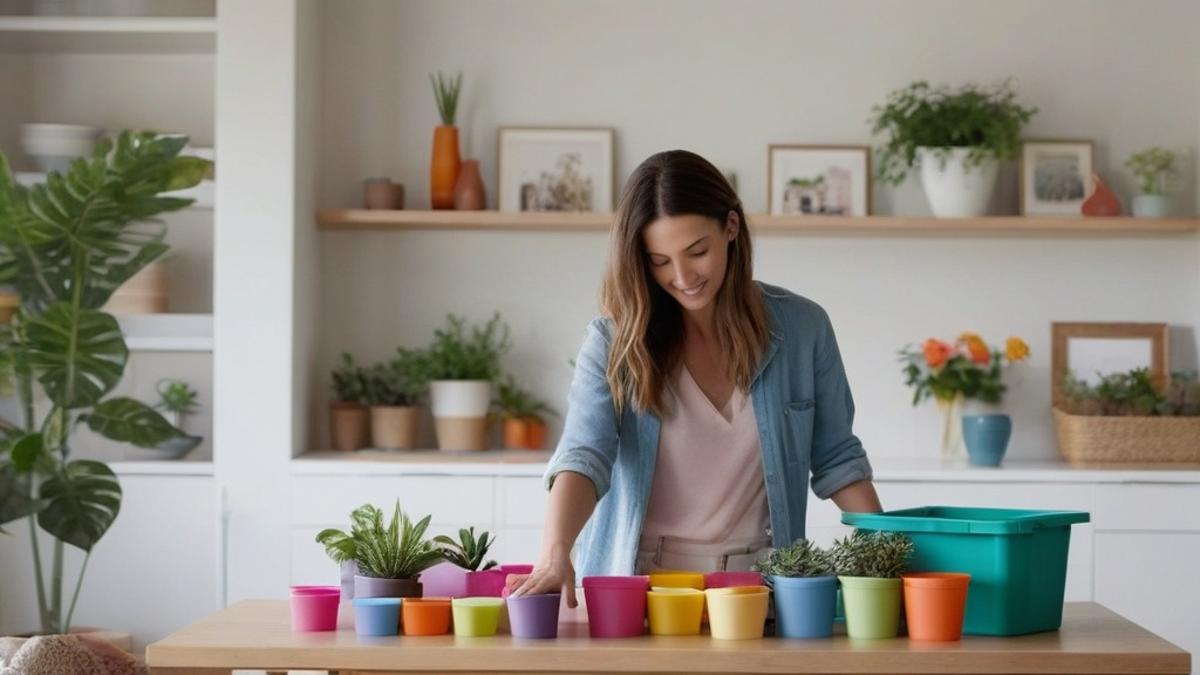
Creating stress-free living spaces doesn’t require an expensive shopping spree at premium home goods stores. Target’s Brightroom line and The Container Store’s basic acrylic bins offer functional solutions starting under $10.Clear containers, in particular, serve a dual purpose: they keep items organized while allowing you to see contents at a glance, reducing the frustration of digging through opaque storage. This simple shift represents one of the most effective organizing strategies for maintaining long-term kitchen order, especially in pantries where forgotten items often lead to unnecessary duplicate purchases.
DISCOVER: Click here to find inspiration for your minimalist kitchen
# Bedroom Sanctuaries: Closet Systems and Sleep-Friendly SpacesWhile kitchens demand daily attention, bedrooms present a different challenge entirely. This space should function as a retreat, yet overflowing closets and cluttered nightstands often turn it into another source of visual noise.The National Sleep Foundation reports that individuals sleeping in cluttered rooms are significantly more likely to experience disrupted rest and difficulty falling asleep. This connection between physical clutter and mental restlessness makes bedroom organization essential for genuine stress-free home organization.
Closet Architecture: Beyond the Basic Rod and Shelf
Standard closet setups—one rod, one shelf—waste nearly 50 percent of available storage potential, according to California Closets’ internal design research. Modern room organization techniques focus on customizing vertical space to match actual wardrobe needs.
Effective closet transformations typically include:
- Double-hang rods that separate shirts and folded pants, doubling hanging capacity in the same footprint.
- Slanted shoe shelving that displays footwear at an angle, preventing the shoe-pile phenomenon common in flat storage.
- Adjustable cubbies for sweaters and handbags, sized specifically to prevent items from toppling over.
- Labeled bins for seasonal rotation, freeing up prime closet space for current-weather clothing only.
The Nightstand Rule: Three Items Maximum
Professional organizers frequently cite the “three-item rule” as one of the simplest yet most effective organizing strategies for bedside surfaces. A lamp, a book, and a glass of water—anything beyond that invites visual chaos right before sleep.This minimalist approach extends naturally into broader decluttering tips for home bedroom environments. Dresser tops, often magnets for loose change, receipts, and jewelry, benefit from a designated catch-all tray that corrals small items without letting them spread across the entire surface.
Under-Bed Storage: The Overlooked Opportunity
Beneath most beds lies several cubic feet of completely unused space. Rolling storage containers or vacuum-sealed bags for off-season bedding can capture this area without cluttering visible parts of the room.IKEA’s SKUBB series and similar under-bed systems have grown in popularity precisely because they address a universal problem: limited square footage in urban apartments and starter homes across cities like Chicago, Austin, and Portland.
These home organization ideas prove particularly valuable for renters who cannot install built-in closet systems but still want maximized storage.
Creating genuinely stress-free living spaces in the bedroom ultimately comes down to reducing decision fatigue. When clothing is visible, categorized, and easy to access, mornings become measurably less chaotic—setting a calmer tone for the entire day ahead.
DIVE DEEPER: Click here to discover minimalist kitchen ideas
Bringing It All Together: A Room-by-Room Path to Calm
From kitchen zones to bedroom closets, the throughline is clear: stress-free home organization isn’t about achieving a pristine, magazine-worthy interior. It’s about designing spaces that reduce friction in daily life.
Each room examined throughout this piece shares a common principle. Success comes from matching storage solutions to actual behavior patterns, not aspirational ones. A double-hang rod only helps if it reflects how someone truly dresses each morning. A labeled bin only works if the labeling system gets maintained.
Small Changes, Measurable Impact
Data referenced across this article—from the National Sleep Foundation’s findings on cluttered bedrooms to California Closets’ research on wasted storage potential—points to a consistent theme. Physical disorganization correlates directly with mental strain.
This means the most effective organizing strategies don’t require expensive renovations. A rolling under-bed container, a three-item nightstand rule, or a slanted shoe shelf can shift an entire room’s function within a single weekend.
Starting Small Still Counts
Not every household can overhaul every space simultaneously. That’s a realistic constraint, not a failure.
Choosing one room, or even one drawer, and applying focused room organization techniques often creates enough momentum to tackle the next space. Renters in cities like Chicago or Portland have proven this with modular, non-permanent systems that travel from lease to lease.
For anyone searching for practical decluttering tips for home improvement, the underlying message remains consistent: organization is a system, not a one-time event. Revisiting these home organization ideas seasonally keeps clutter from creeping back in.
Ultimately, stress-free living spaces emerge not from perfection, but from intention—one shelf, one bin, one small decision at a time.
Frequently Asked Questions
What are some key strategies for organizing a small bedroom to enhance a stress-free environment?
To create a stress-free environment in a small bedroom, utilize vertical space by installing shelving or hanging organizers. Choose multifunctional furniture, like a bed with storage drawers underneath, to maximize utility. Maintain a clutter-free surface by regularly decluttering and keeping only essential items visible.
How can I effectively organize my living room to minimize distractions and stress?
Organizing your living room for a stress-free home involves creating designated zones for activities, such as reading, relaxing, and socializing. Use baskets or decorative boxes to store remote controls and magazines out of sight, and keep furniture arrangement conducive to conversation. Regularly assess your décor for elements that may contribute to visual clutter.
What tips are there for a stress-free kitchen organization?
To achieve stress-free kitchen organization, categorize items by function and store them near where they are used most frequently. Opt for clear storage containers to easily identify contents and keep countertops clear of non-essential items. Regularly clean out your pantry and fridge to eliminate expired items and maintain a streamlined cooking space.
How can I create a calming workspace at home through organization techniques?
Creating a calming workspace can be achieved by decluttering your desk and minimizing distractions. Use organizers to keep essential supplies tidy and within reach, and consider a weekly clean-up ritual to maintain order. Personalize your space with calming elements, like plants or soothing colors, to enhance productivity and reduce stress.
What should I consider when organizing children’s playrooms for stress-free playtime?
When organizing a children’s playroom, consider the importance of accessibility and visibility. Use labeled bins to categorize toys based on type or size, making it easier for children to find what they want and clean up afterward. Create designated areas for different types of play, like reading nooks or art stations, to encourage creative activities without overwhelming clutter.

Beatriz
Beatriz Johnson is a seasoned minimalist and writer with a passion for simplifying the complexities of personal organization and intentional living. With over a decade of experience in decluttering strategies and mindful consumption, she specializes in topics like space optimization, habit simplification, and sustainable lifestyle choices. Through her work on our website, Beatriz empowers readers to embrace minimalism, reduce mental and physical clutter, and create more meaningful, organized lives in today's fast-paced world.