
Creating a Productive Workspace: Organization Tips for a Minimalist Office
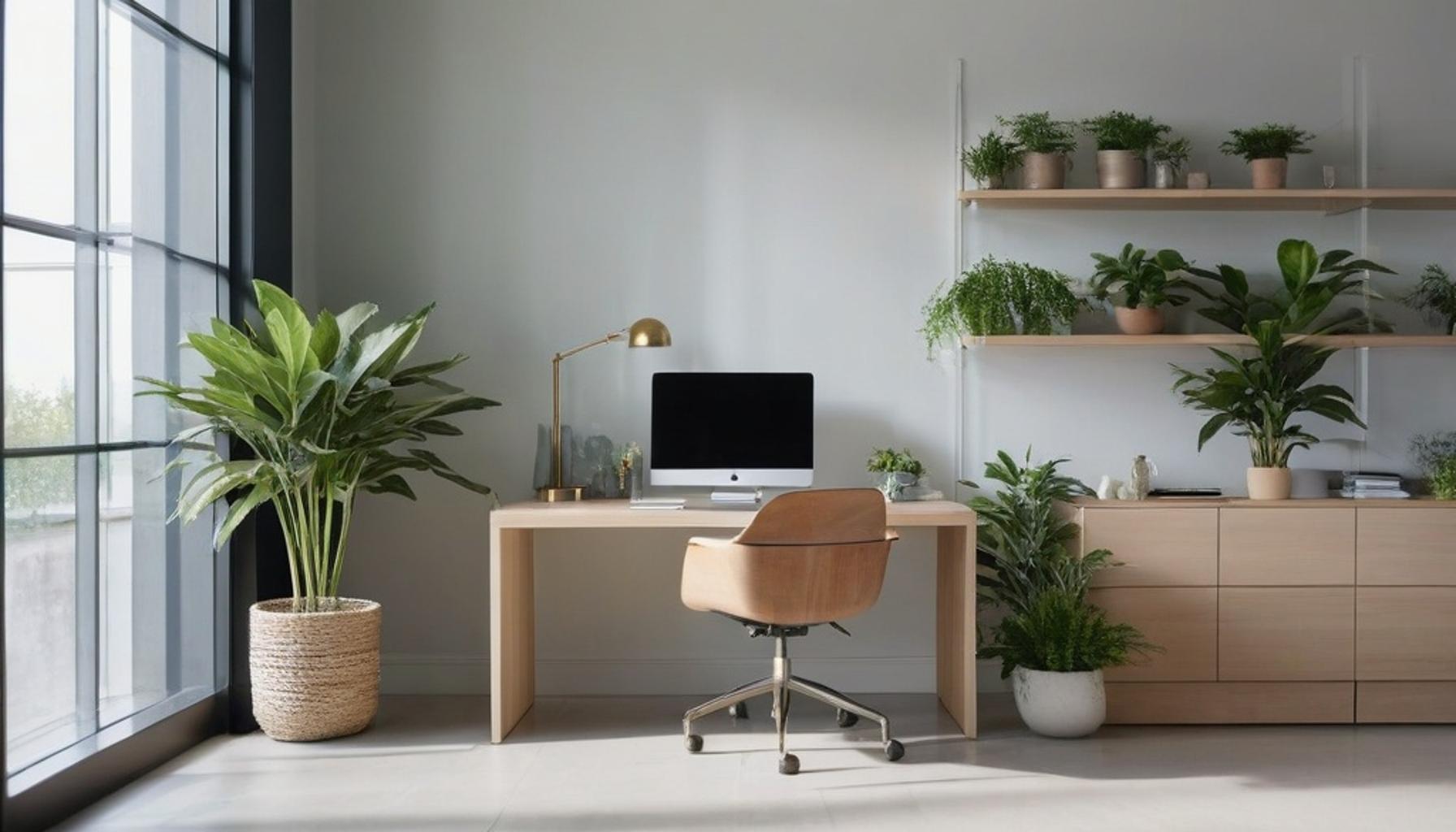
Why a Minimalist Office Can Transform Your Workday
American professionals spend an average of 1,700 hours a year at their desks, yet studies show that cluttered spaces can reduce focus by up to 40 percent. This staggering statistic underscores the urgent need for a reevaluation of how we design our work environments. More than merely aesthetic, the physical layout of our offices significantly influences our mental clarity, creativity, and overall productivity. In response to this revelation, many remote workers and entrepreneurs are embracing a simpler, cleaner workspace.
The minimalist office—a design philosophy that champions the idea that less truly can be more—is gaining traction across various sectors. From innovative tech startups in Austin to cozy home offices in Seattle, the movement towards streamlined, functional spaces is redefining how professionals engage with their work. By minimizing distractions and optimizing organization, a minimalist workspace can pave the way for heightened focus and enhanced productivity.
What This Article Covers
Building a productive workspace goes beyond purchasing matching furniture or stylish décor. It encompasses strategic organization tips tailored to foster focus, ignite creativity, and ensure long-term efficiency. This transition into a minimalist environment can be both practical and transformative, regardless of the space you occupy.
- Simple decluttering tips that can be executed in less than 30 minutes, allowing you to reclaim your workspace without overwhelming tasks.
- Innovative storage solutions designed for small or shared spaces, ensuring vital materials are accessible yet out of sight, promoting a cleaner visual landscape.
- Practical minimalist office design principles that anyone can incorporate, from selecting multifunctional furniture to organizing digital files efficiently.
- Techniques to boost workspace efficiency without committing to a full renovation, such as employing color coordination or utilizing vertical storage to maximize room usage.
Whether your workspace is a makeshift office in a spare bedroom or a corner of a bustling cubicle, the right setup can profoundly change your work dynamic. Small, deliberate changes can translate into significant productivity gains, enabling you to work smarter, not harder. Continue reading to explore how adopting a minimalist approach can create a more inviting, efficient, and motivating work environment.
DISCOVER: Click here to explore minimalist kitchen ideas
# Decluttering First: The Foundation of a Productive WorkspaceBefore diving into furniture arrangements or color palettes, the real work begins with what you remove, not what you add. A productive workspace starts with a clean slate, and that means confronting the piles of paperwork, tangled cables, and forgotten coffee mugs that have quietly taken over your desk.Research from the National Association of Professional Organizers suggests the average American spends 2.5 days per year searching for misplaced items in their workspace. That is time better spent on actual work, not archaeology through desk drawers.## Quick Decluttering Tips You Can Start TodayThe good news is that decluttering does not require a weekend-long overhaul. Small, consistent actions build momentum faster than one exhausting purge.
- Clear your desktop completely, then only return items you use daily—everything else belongs in storage or the trash.
- Sort loose papers into three categories: act now, file later, or shred immediately. Most offices, including home setups in cities like Denver or Chicago, waste valuable surface space on outdated documents.
- Unplug and coil unused cables, or invest in a simple cable tray to hide them beneath your desk.
- Set a five-minute timer at the end of each workday to reset your space, a habit that prevents clutter from reaccumulating.
These decluttering tips are not about achieving a sterile, lifeless office. They are about creating breathing room for better thinking.## Why Visual Clutter Undermines FocusNeuroscientists at Princeton University found that visual clutter competes for attention in the brain, making it harder to process information and stay on task. In other words, that stack of unopened mail is not just an eyesore, it is actively working against your concentration.This is particularly relevant for remote workers juggling multiple roles from a single room. A minimalist office setup reduces the cognitive load of constantly filtering out unnecessary stimuli, freeing up mental bandwidth for the tasks that actually matter.## Establishing Zones for Better Workspace EfficiencyOne organizational principle borrowed from professional designers is zoning, dividing your desk or office into distinct functional areas.
- A primary work zone for your computer and immediate tools
- A reference zone for notebooks, files, or reading material
- A supply zone, tucked into a drawer or bin, for items used less frequently
This approach to workspace efficiency ensures that everything has a designated home, making cleanup faster and distractions less likely to creep back in. Once these zones are established, maintaining the space becomes second nature rather than a recurring chore.

DISCOVER MORE: Click here to transform your kitchen
# Smart Furniture and Design Choices That Support FocusOnce the clutter is gone, the next layer of a truly productive workspace comes down to what stays. Furniture and design choices are not just aesthetic decisions, they directly influence posture, energy levels, and how long you can concentrate before fatigue sets in.A minimalist office design favors function over flash. That does not mean sacrificing comfort, it means choosing pieces that earn their place on merit rather than trend.## Selecting Furniture That Works as Hard as You DoCornell University’s Ergonomics Research Lab has spent decades studying how workspace setup affects physical strain, and their findings are hard to ignore. Poor desk height alone can reduce productivity by up to 15 percent due to discomfort and micro-distractions throughout the day.
- Choose a desk with clean lines and enough surface area for your primary tasks, but resist the urge to size up just to fill a room.
- Invest in an adjustable chair that supports your lower back, especially if you are logging eight-plus hours at a desk in cities like Austin or Seattle, where remote work culture has taken firm root.
- Consider a standing desk converter if your budget allows. Studies published in the Journal of Physical Activity and Health link standing intervals to improved afternoon focus.
- Skip ornamental furniture pieces that serve no functional purpose. Every item should have a job to do.
## The Role of Natural Light and Color in Workspace EfficiencyLighting is one of the most overlooked factors in workspace efficiency. A study from Cornell also found that employees with access to natural light reported a 51 percent drop in eyestrain and a 63 percent drop in headaches compared to those working under fluorescent lighting alone.If your setup allows it, position your desk near a window rather than against an interior wall. For spaces without much natural light, a full-spectrum desk lamp mimics daylight and reduces the strain of staring at screens for extended periods.Color choices matter too. Soft neutrals, muted blues, and warm whites tend to support concentration, while overly bright or saturated tones can create visual noise, the same kind of distraction clutter causes.## Multi-Functional Storage as a Design PrincipleStorage solutions deserve as much thought as your desk or chair. Floating shelves, drawer organizers, and vertical filing systems keep supplies accessible without eating into floor space.
- Wall-mounted storage frees up desk surface while keeping frequently used items within reach.
- Modular bins allow you to reconfigure storage as your work needs shift.
- Cord-free charging stations eliminate one more visual distraction from your desk.
These organization tips reflect a broader shift many home offices across the country are making: fewer, better-chosen items instead of an abundance of mismatched furniture and accessories.
Building a Workspace That Works for You
A truly productive workspace is not built overnight, and it is rarely finished after one weekend of purging drawers. It is the result of ongoing decisions, what to keep, what to let go of, and what deserves a permanent spot on your desk.
Throughout this piece, one theme surfaces again and again: less really does accomplish more. From decluttering tips that clear mental space to furniture choices that support posture and focus, every strategy points toward the same outcome, a workspace that works with you instead of against you.
Small Changes, Measurable Results
The data backs this up. A 15 percent productivity dip from poor desk height, a 63 percent reduction in headaches tied to natural light exposure, these are not marginal statistics. They reflect how deeply environment shapes output, whether you are working from a converted bedroom in Denver or a downtown loft in Chicago.
Minimalist office design is not about stripping a room down until it feels sterile. It is about intention. Every chair, shelf, and lamp should answer a simple question, does this help me focus, or does it just take up space?
Where to Go From Here
Start small if the idea feels overwhelming. Clear one shelf, adjust your monitor height, swap a harsh overhead bulb for a daylight-mimicking lamp. Workspace efficiency builds momentum once the first few changes prove their worth.
As remote and hybrid work continue reshaping how Americans define a workday, the home office has become more than a corner with a laptop. It is infrastructure. Treat it that way, and productivity tends to follow.
Frequently Asked Questions
What are the key components of a productive workspace in a minimalist office?
A productive workspace in a minimalist office typically includes essential items only, such as a functional desk, an ergonomic chair, and proper lighting. It also emphasizes decluttering by reducing unnecessary items, which can help minimize distractions and boost focus.
How can I effectively declutter my desk for a minimalist workspace?
Start by removing everything from your desk and only putting back items you frequently use or that spark joy. Utilize storage solutions like drawer organizers and wall-mounted shelves to keep your workspace tidy, and regularly assess what’s on your desk to maintain a clutter-free environment.
What role does color play in creating a productive workspace?
Color can significantly affect mood and productivity in a workspace. Opt for calming colors like soft blues and greens to create a serene atmosphere, or use bold accents to inspire creativity, but keep the overall palette minimal to avoid visual chaos.
How can I incorporate plants into a minimalist office without creating clutter?
Consider using small, low-maintenance plants like succulents or air plants that require minimal space and care. Choose stylish planters that complement your office’s aesthetic to enhance your workspace without overwhelming it.
What organizational tools are best for a minimalist office setup?
For a minimalist office, utilize multi-functional organizational tools like a single document tray, a minimalist pen holder, and a wall calendar. Digital tools for task management and scheduling also reduce physical clutter while keeping you organized.
How can I maintain a productive workspace over time?
Regularly assess your workspace and make adjustments as needed to keep clutter at bay. Set aside time each week to tidy up, remove unused items, and reassess your organizational systems to ensure they continue to support your productivity goals.

Beatriz
Beatriz Johnson is a seasoned minimalist and writer with a passion for simplifying the complexities of personal organization and intentional living. With over a decade of experience in decluttering strategies and mindful consumption, she specializes in topics like space optimization, habit simplification, and sustainable lifestyle choices. Through her work on our website, Beatriz empowers readers to embrace minimalism, reduce mental and physical clutter, and create more meaningful, organized lives in today's fast-paced world.