Minimalist Interior Design Techniques to Optimize the Functionality of Small Spaces
Enhancing Small Spaces with Minimalism
In today’s fast-paced world, living in smaller spaces has become more common, particularly in urban areas where real estate is scarce and expensive. As a response to this trend, minimalist interior design has emerged as a powerful solution for transforming compact environments into functional and inviting living areas. This approach emphasizes the importance of decluttering and simplicity, making it an ideal method for maximizing the potential of small spaces.
By implementing the principles of minimalism, not only can you create a visually appealing home, but you can also enhance your daily living experience. Here are several key techniques to consider:
- Multi-functional furniture: Invest in versatile items that serve more than one purpose. For instance, a sofa bed can transform your living room into a guest bedroom, while a coffee table with built-in storage can help keep your space tidy. Brands like IKEA and West Elm often offer stylish options that merge form with function, demonstrating that practicality does not have to come at the expense of aesthetics.
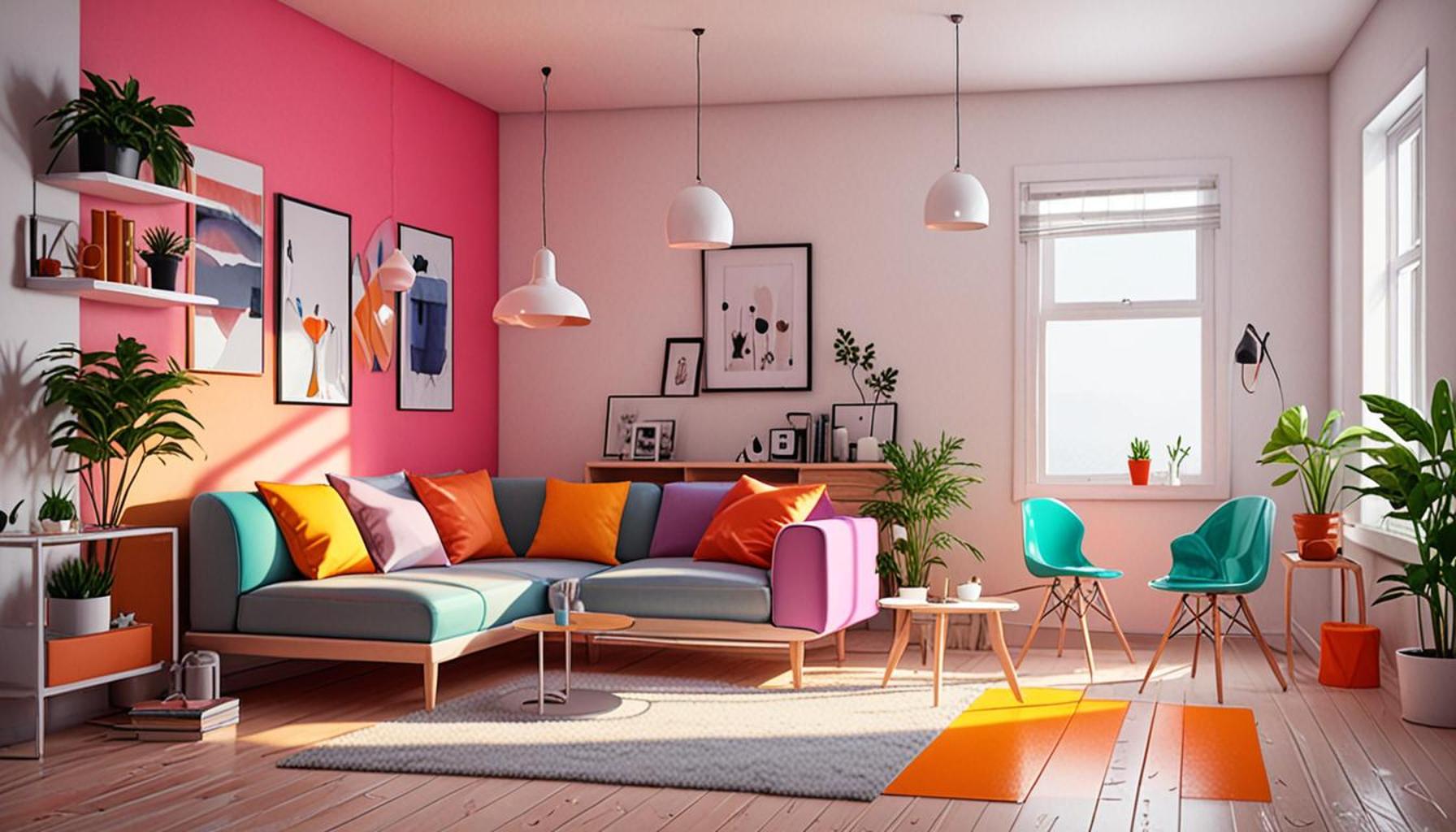
- Neutral color palettes: Utilizing light and neutral colors can significantly enhance the feeling of space in a small room. Shades of white, beige, and soft pastels reflect light, making your area feel airier and more open. Accent walls in deeper tones can add depth without overwhelming the senses, allowing for an elegant contrast.
- Open shelving: Consider integrating open shelving in your design. This approach not only creates an airy look but also keeps essentials easily accessible. Displaying stylish dishware or curated decor can turn storage into a form of art, blurring the lines between functionality and style.
- Strategic lighting: Effective lighting can dramatically change the perception of space. Maximize the use of natural light by opting for sheer curtains that let sunlight filter in. Additionally, incorporating smart fixtures, such as adjustable floor lamps or recessed lighting, can illuminate your space without occupying too much physical room.
- Zen-inspired layouts: A minimalist design often embraces an open layout conducive to relaxation and movement. Focus on uncluttering your floors and allowing for natural pathways. By prioritizing simplicity in your arrangement, it cultivates a tranquil environment that promotes mindfulness and ease.
Incorporating these minimalist techniques not only enhances the aesthetics of small living areas but also improves their overall functionality. Minimalism encourages you to focus on the essentials, providing a decluttered canvas where you can express your personality through chosen pieces rather than an overwhelming abundance of items. By understanding the core principles behind minimalism, you can transform your modest abode into a stylish, organized sanctuary that reflects your values and lifestyle.
Join us as we further explore how adopting minimalist design can revolutionize not just your space but also the way you live, paving the way for a more intentional and fulfilling existence.
DISCOVER MORE: Click here to dive deeper
Essential Minimalist Techniques for Maximizing Space
When it comes to small spaces, the key to creating a harmonious and functional environment lies in thoughtful design choices. Minimalist interior design techniques provide the perfect framework for enhancing both the aesthetic appeal and the functional capabilities of compact living areas. Below, we delve into vital strategies that can help you transform your small abode into a showcase of efficiency and style.
- Invest in Adaptable Furniture: One of the smartest choices you’ll make is opting for furniture that serves multiple purposes. Look for items such as storage ottomans, extendable dining tables, or wall-mounted desks that can be tucked away when not in use. Not only do these versatile pieces save space, but they also minimize the need for additional furnishings, creating a streamlined look. Check local stores like Room & Board or online retailers like Wayfair for stylish options that don’t skimp on functionality.
- Embrace Vertical Space: In a small area, horizontal square footage is often at a premium, making it essential to draw the eye upward. Installing tall bookshelves, cabinets, or wall art can create the illusion of height in a room. Furthermore, hanging plants or decorative elements can add life to spaces that might otherwise feel cramped. By taking advantage of verticality, you can create a more dynamic setting while maximizing storage.
- Smart Layout Design: To optimize functionality, always consider your floor plan carefully. Open floor layouts are particularly beneficial for small spaces, allowing for better flow and accessibility. Arrange furniture to create distinct zones for different activities, such as lounging, dining, or working. Use area rugs to delineate these spaces visually, providing structure without impeding movement.
- Declutter Regularly: Minimalist design isn’t just about what you include; it’s equally about what you leave out. Regularly assess your belongings and let go of items that no longer serve you or enhance your living experience. The act of decluttering can lighten your environment, providing a serene backdrop that helps you focus on what truly matters.
- Incorporate Hidden Storage: Utilize the spaces beneath beds or couches, and consider investing in furniture pieces that include hidden compartments. For instance, a bed frame with drawers allows you to stash away seasonal clothing or extra linens without cluttering your visible space. This technique not only optimizes functionality but also enhances the overall aesthetic of your home by maintaining a clean appearance.
By incorporating these minimalist techniques into your interior design strategy, you can maximize the functionality of your small living space. Minimalism encourages a focus on essentials, allowing for an organized and inviting environment that reflects a modern lifestyle. More than just a design choice, these techniques foster a sense of purpose and calm within your home, cultivating a space where you feel truly at ease.
Stay tuned as we explore additional strategies and tips that can help you further embrace minimalism, adapting your small area into an organization haven that fosters creativity, productivity, and tranquility.
| Advantage | Description |
|---|---|
| Maximized Space Utilization | Minimalist design focuses on functionality, promoting furniture that serves multiple uses to make the most of limited areas. |
| Enhanced Aesthetics | Clean lines and uncluttered spaces create a visually appealing atmosphere that feels both spacious and calm. |
| Improved Organization | Minimalist techniques encourage organized living, where every item has a place, reducing clutter and distractions. |
| Promotes Mindfulness | A minimalist space fosters an environment that encourages mindfulness and relaxation, essential in today’s fast-paced life. |
In conclusion, minimalism is not just a trend; it’s a practical approach to enhancing the living experience in small spaces. By embracing minimalist interior design techniques, you can transform your home into a sanctuary that meets both your functional needs and aesthetic desires.
DIVE DEEPER: Click here to uncover the psychological benefits of decluttering
Innovative Approaches to Enhance Small Space Utility
Once you have implemented the foundational minimalist techniques for maximizing functionality, consider deeper design approaches to further elevate your small space. These innovative strategies not only enhance your living experience but also stay true to the minimalist aesthetic, focusing on essential elements that add value without cluttering your environment.
- Utilize Mirrors Wisely: Mirrors are a powerful tool in minimalism, offering both visual expansion and aesthetic appeal. Strategically placing mirrors can create an illusion of depth, making a small room appear larger and more open. Consider using large wall-mounted mirrors or mirrored furniture to seamlessly blend functionality with style. This technique enhances light flow, brightening the space and contributing to an airy atmosphere.
- Choose a Neutral Color Palette: Color plays a pivotal role in shaping the perception of space. A neutral color palette—think whites, soft grays, and beige tones—can significantly open up a small area. These colors reflect light and create a cohesive look, allowing for greater flexibility with accent furnishings. Incorporate different textures through fabrics and materials to add warmth and character without overwhelming the space.
- Design for Flexibility: Flexibility in design relies on the ability to adjust your space according to your needs. Consider incorporating foldable or stackable furniture that can be easily reconfigured for hosting guests or accommodating various activities. Murphy beds, for example, are a perfect solution for transforming a multifunctional space into a comfortable bedroom when needed, saving valuable floor space during the day.
- Implement Open Shelving: Traditional closed cabinets can contribute to a cramped feeling in small kitchens or living areas. Open shelving not only creates an opportunity for displaying decorative objects or well-organized kitchenware, but it also offers easy access to items. This approach encourages organization and minimizes the chances of clutter buildup, making it a practical addition to minimalist design.
- Add Multi-Functional Decor: When selecting decor, opt for pieces that are both beautiful and functional. For instance, decorative baskets can serve as stylish storage solutions while also adding texture and detail to the room. Similarly, incorporating multifunctional items, like a coffee table that doubles as a storage unit, not only elevates your decor but also enhances practicality.
- Maximize Natural Light: In small spaces, access to natural light can significantly impact your environment. Opt for sheer window treatments that allow sunlight to flow in while still providing privacy. If possible, consider installing skylights or larger windows to amplify daylight exposure. Natural light helps to maintain a fresh, uplifting ambiance, making small areas feel more expansive and inviting.
By embracing these innovative approaches, you will further enrich your minimalist interior design efforts. Each technique enables you to craft a tailored living experience that harmonizes aesthetics with functionality, encouraging a lifestyle grounded in simplicity and efficiency. As you explore the expansive potential of your small space, remember that every design choice contributes to the overall atmosphere of your home, promoting a sense of peace and order in your daily life.
DISCOVER MORE: Click here for practical tips
Conclusion: Crafting a Harmonious Small Space
In the realm of interior design, minimalism offers a powerful blueprint for transforming small spaces into functional masterpieces. By strategically implementing the techniques discussed, such as maximizing natural light, opting for a neutral color palette, and embracing multi-functional furniture, you can elevate your living experience while maintaining a clutter-free environment. The essence of minimalist design lies not only in reducing excess but in enhancing the overall utility of your space.
As you embark on this journey, consider the balance of aesthetics and functionality; sleek designs can serve practical purposes without sacrificing style. For instance, open shelving can serve as both display and storage, infusing personality into your home while keeping it organized. Moreover, incorporating flexible solutions, such as foldable tables or convertible sofas, allows you to adapt your space to various needs—essential for today’s fast-paced lifestyle.
Ultimately, the goal of minimalist interior design is to foster an atmosphere of peace and order while maximizing every inch of your small space. By thoughtfully curating your surroundings and focusing on essential elements, you cultivate not just a home, but a haven that reflects your values and lifestyle. As you refine your design skills, remember that every choice you make contributes to a narrative—one that celebrates simplicity, efficiency, and beauty in your everyday life.