Maximize Small Living Spaces Top Tips for Efficient Organization
Maximizing Space with Minimalism
In a world where urban living is becoming increasingly popular, the significance of efficient organization in small spaces cannot be overstated. As the minimalist movement gains momentum, many individuals are seeking ways to simplify their lives while making the most of their limited surroundings. This drive towards minimalism emphasizes not only the reduction of physical clutter but also the cultivation of a serene and functional living environment.
Organizing a small space can feel overwhelming; however, with the right strategies, it transforms from a challenge into an art form. Effective organization leads to enhanced functionality and a more enjoyable living atmosphere. Here are some key reasons why maximizing small living spaces is crucial:
- Improved Mental Clarity: A tidy space fosters a calm mindset.
- Increased Productivity: Well-organized areas enhance focus and efficiency.
- Enhanced Aesthetics: Thoughtful organization can elevate the overall appearance of your home.
To help you on your journey toward a more organized and spacious living environment, we present our ranking of the Top 5 practical tips for efficiently maximizing small living spaces. Prepare to discover innovative solutions that will not only optimize your surroundings but also enrich your lifestyle.
Maximizing Small Living Spaces: Practical Tips for Efficient Organization
Adapting to a small living space can be both a challenge and an opportunity. By employing strategic organization techniques, you can transform your compact domicile into a sanctuary of efficiency and comfort. Here, we present five practical tips, ranked from least to most effective, designed to help you maximize your small living areas. Each suggestion is crafted to enhance your living experience and improve functionality.
5. Create Defined Zones
In a compact living area, zoning is an essential tactic for enhancing usability and appearance. Creating specific zones for activities like sleeping, working, and relaxing ensures the space feels organized and suitably expansive. This zoning can be effectively achieved without crowding the atmosphere.
Consider the placement of your furniture as a natural division of space. For example, a strategically placed bookshelf can act as a visual and physical divider, establishing boundaries between the living and dining area without heavy structural modifications. Alternatively, a simple area rug can delineate the living room, making it clear where one zone ends and another begins. This visual differentiation is crucial in open-plan apartments, where a seamless flow might otherwise lead to a sense of cluttered chaos.
Additionally, integrating multifunctional furnishings amplifies the utility of each zone. A drop-leaf table in the dining area can double as an impromptu workspace, instantly adapting to your changing needs. This zoning strategy increases usability and ensures every section serves a distinct purpose.
4. Invest in Multi-Functional Furniture
Multifunctional furniture is a revolutionary asset in the quest to make every square inch count in a small home. Investing in these adaptable pieces can effortlessly balance the demand for storage and space management. Several key examples illustrate their versatility:
- Sofa Beds: A staple in smaller homes, a sofa bed provides a daytime seating arrangement that easily converts into a bed at night, seamlessly adapting to your needs without occupying additional space.
- Ottomans: These not only serve as versatile seating but offer hidden storage compartments perfect for bedding, books, or toys, effectively reducing surface clutter.
- Foldable Tables: Compact when not in use, these tables can be expanded to accommodate guests, making them ideal for small dining areas or as additional workspace.
Choosing pieces that fulfill multiple roles allows you to maintain proximity to essential items while preserving the airy, uncluttered environment fundamental to small living spaces.
3. Optimize Vertical Space
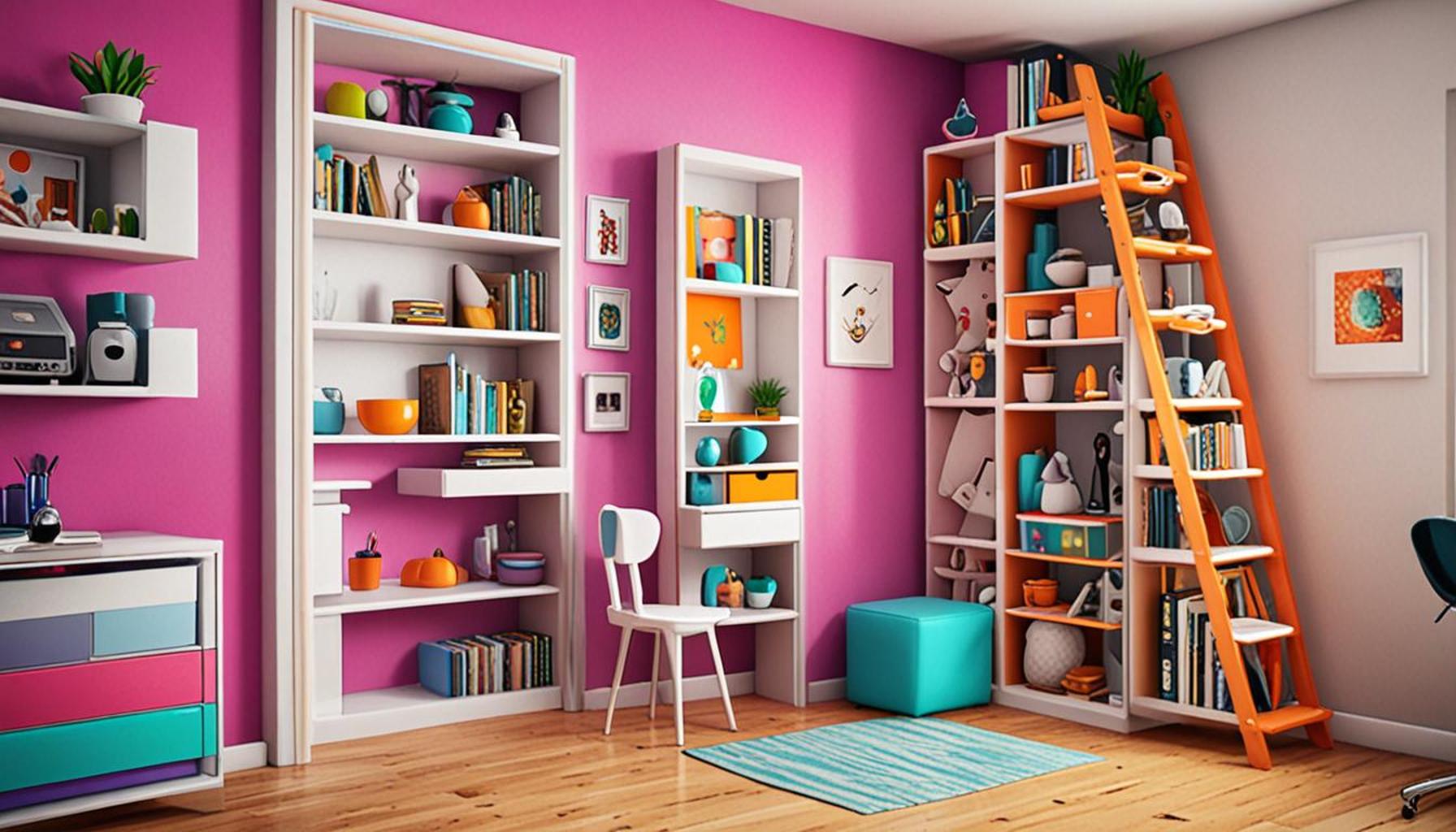
Exploiting vertical space is an often-overlooked strategy capable of significantly enhancing storage potential in smaller environments. With limited floor space, shifting focus upward can unlock a plethora of storage opportunities. Shelving, especially when installed above seating or kitchen areas, utilizes otherwise wasted space while ensuring items remain accessible.
Consider practical solutions like wall-mounted racks or pegboards in the kitchen to store and organize cookware, freeing counter space for food preparation. Similarly, wall-mounted bookshelves can hold books and also serve as a gallery for art and plants, weaving storage with aesthetics.
Additionally, tall, slim storage cabinets that reach towards the ceiling can be used to stow away seasonal clothing or miscellaneous items in chic storage boxes or baskets. This approach not only clears the area beneath but also invites a creative touch in layering design and functionality from top to bottom.
2. Declutter Regularly
Maintaining an organized and comfortable small space is heavily reliant on regular decluttering. Accumulating items is a natural tendency, but it can quickly lead to overcrowding in limited spaces. Designating regular decluttering sessions helps ensure only essential items, used consistently, occupy your home.
A structured decluttering process involves categorizing possessions by their importance and usage frequency. A popular method is the three-box system:
- Keep: This includes items that see regular use or hold significant personal value.
- Donate: These are items in good condition that no longer serve a purpose or interest to you but could benefit others.
- Trash: This is where broken, irreparable items are sorted out.
Beyond physical space, decluttering alleviates mental overwhelm, promoting a sense of peace and order in your surroundings. This habit, when cultivated, keeps small living environments functional and serene.
1. Embrace Minimalism
At the heart of maximizing small spaces is embracing minimalism, a lifestyle choice advocating for simplicity and intentionality. Minimalism encourages individuals to focus on the essentials, fostering a “less is more” mindset that advocates quality over quantity.
To genuinely integrate minimalism, consider these strategies:
- Limit Decorations: Select a few art pieces that hold personal significance rather than covering walls with numerous decorations, which can create visual clutter.
- Choose Functional Decor: Opt for decorative elements that double as functional items, such as aesthetically pleasing baskets or vividly styled planters that also organize or breathe life into the space.
- Assess Needs Regularly: Your needs and lifestyle evolve, and so should your space. Reevaluate your possessions against your daily needs and adjust your living space to reflect those changes.
By adopting a minimalist approach, not only do you enhance organization within your home, but you also cultivate a more tranquil, satisfying living environment. This dedication to simplicity transforms limited spaces into personalized, peaceful sanctuaries, illustrating a true reflection of your priorities and lifestyle values.
| Category | Description |
|---|---|
| Furniture Selection | Choose multi-functional furniture such as sofas that convert into beds or coffee tables with storage capabilities. This allows for a more versatile use of space without cluttering the area. |
| Vertical Storage | Utilize vertical space with wall-mounted shelves and tall cabinets. This approach maximizes storage opportunities without taking up valuable floor space, making a room feel larger. |
| Decluttering | Regular decluttering sessions can significantly improve the organization of small spaces. Assess items seasonally, keeping only what is used regularly while donating or discarding the rest. |
| Smart Organization Tools | Incorporate smart organizational tools, such as storage bins with labels or drawer dividers. These tools help maintain order and streamline the retrieval of frequently used items, reducing time spent searching. |
Incorporating these strategies into your living spaces not only improves functionality but also enhances aesthetic appeal. By thoughtfully selecting furniture, utilizing vertical spaces, regularly decluttering, and implementing organizational tools, residents can transform small areas into well-structured, efficient environments. Through conscious effort, it is possible to create a living space that is both comfortable and serves its purpose without feeling cramped.
Frequently Asked Questions on Maximizing Small Living Spaces
How can I make a small room feel more spacious?
Creating the illusion of space in a small room involves a combination of clever design strategies. Use light colors on walls and floors, as they can make spaces appear larger and more open. Incorporating mirrors is another effective technique, as they reflect light and expand visual space. Consider selecting furniture with **slim profiles** and using vertical storage solutions to draw the eye upward, maximizing your room’s height.
What are some effective storage solutions for limited space?
Effective storage solutions in small spaces hinge on **multifunctional furniture** and creative use of available areas. Look for pieces like ottomans with hidden compartments or beds with built-in drawers. Make use of underutilized spaces, such as the area beneath stairs or the backs of doors, for additional storage. Shelving units and wall-mounted racks can also help in managing smaller items and keeping your space clutter-free.
Which types of furniture are recommended for small spaces?
In small spaces, furniture that serves multiple purposes is essential. Consider investing in **modular furniture** that can be rearranged or expanded to suit different needs. Fold-out desks, sofa beds, or expandable dining tables are great solutions for those requiring flexibility. Additionally, opt for furniture with a lightweight appearance and raised legs to maintain a sense of openness in your space.
How can I utilize vertical spaces effectively?
Vertical spaces are often overlooked yet offer great potential for organization in small living areas. Install tall bookshelves or cabinets to take advantage of ceiling height. Practicing **tiered storage**—where items are strategically placed from top to bottom—ensures easy access while optimizing available height. Hanging plants or artwork at varying heights can also draw the eye upward and contribute to a cohesive design.
Are there any common mistakes to avoid when organizing small spaces?
To make the most of your limited space, avoid clutter and **overstuffing** your area with too many items. Choosing bulky furniture can overwhelm small rooms, so be mindful of scale. Additionally, neglecting lighting can make a space feel cramped; ample lighting and well-placed lamps can enhance the perception of roominess. Finally, always aim for a balance between function and aesthetic appeal to maintain a pleasant environment.
Conclusion
In the quest for an organized and harmonious home, maximizing small living spaces remains a critical component of embracing minimalism and personal organization. Throughout the article, we explored numerous strategies that emphasize the importance of being intentional with space utilization.
Firstly, multi-functional furniture demonstrated how versatility can meet both style and practicality, providing seamless solutions that cater to space constraints. Equally, the adoption of vertical storage has shed light on gaining extra storage capacity without compromising floor area.
Additionally, the power of decluttering and smart categorization emerged as a paramount approach, advocating that an organized space is inherently more functional and aesthetically pleasing. Implementing these techniques can assist in simplifying daily routines and enhancing personal well-being.
Another significant tip highlighted was the use of transparent containers and labels, fostering a sense of order while minimizing the frustration of searching for misplaced items. Furthermore, embracing natural lighting and mirrors was viewed as an essential design choice that opens up space perception, making it feel less restricted.
In embracing these methods, individuals can create an environment that not only accommodates their lifestyle needs but also promotes a greater sense of peace and clarity. By optimizing small spaces, we can unlock the true potential of our homes, demonstrating that size does not limit function or comfort.
As urbanization continues and smaller living areas become more prevalent, these strategies not only act as cornerstone principles for efficiency but also demonstrate the ever-growing relevance of minimalism and personal organization. The journey to mastering space efficiency invites further exploration and adaptation, urging readers to delve deeper into innovative solutions that harmonize living spaces and elevate overall quality of life.