
Disconnecting to Connect: The Impact of Digital Minimalism on Time Management

Understanding Digital Minimalism
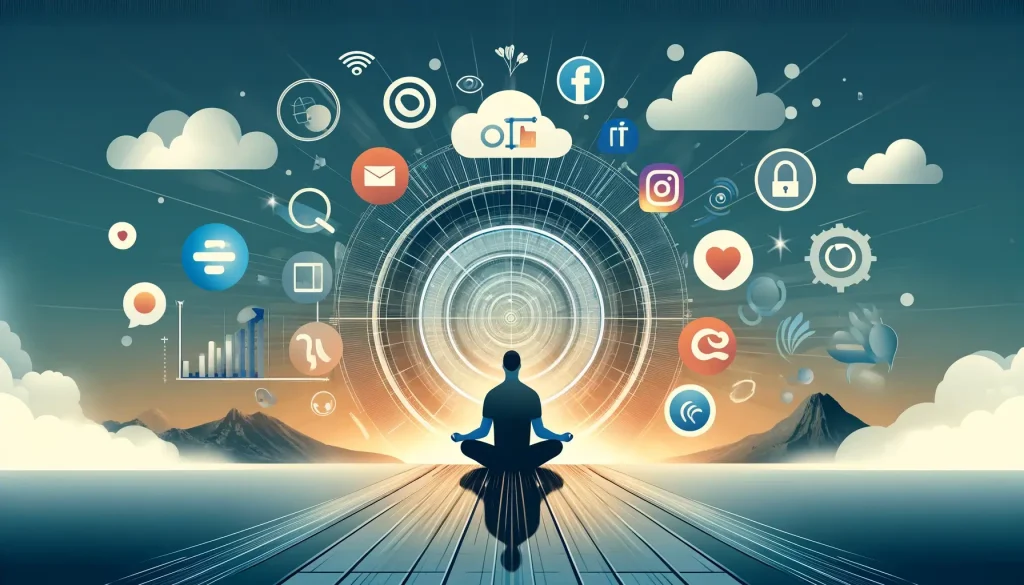
As technology continues to evolve and integrate seamlessly into our daily existence, the necessity for a nuanced approach toward our digital interactions has become more pronounced. Digital minimalism is not merely a trend but a lifestyle choice that seeks to address the overwhelming nature of constant notifications, social media pressures, and the insatiable hunger for online engagement. This approach advocates for managing our online presence with intentionality, leading to a healthier and more balanced life.
The Benefits of Digital Minimalism
Embracing digital minimalism presents numerous advantages that can significantly enhance various aspects of our lives. Here are some key benefits:
- Increased Focus: With a reduction in digital distractions, individuals often experience a marked improvement in concentration. For instance, students switching off their mobile devices while studying can find they absorb material more effectively. Research has shown that multitasking, often enabled by technology, actually diminishes cognitive performance.
- Improved Productivity: A data-driven work environment often leads to a plethora of interruptions, diminishing task efficiency. By setting boundaries around technology use—such as designating specific times for checking emails—people may achieve their goals faster and with better quality results. For example, professionals who allocate uninterrupted blocks for deep work report a substantial increase in output.
- Enhanced Well-being: Disconnecting from screens for periods throughout the day allows for mental rejuvenation. Engaging in face-to-face conversations, pursuing hobbies, or enjoying nature can mitigate feelings of anxiety often exacerbated by social media engagement. Studies link excessive screen time with increased rates of depression and anxiety, making the case for more offline experiences compelling.
The Reality of Screen Time
In the U.S., data indicate that individuals spend an average of 11 hours each day engaged with various forms of media. This alarming statistic prompts a clearer examination of our priorities and the quality of time spent online versus offline. How many of those hours contribute positively to our lives? Digital minimalism urges us to scrutinize these choices critically.
Practical Steps Toward a Simplified Digital Life
Exploring digital minimalism requires not only understanding its principles but also implementing strategies to facilitate change. Simple actions, such as decluttering digital devices by removing unused applications, curtailing social media engagement, or employing digital detox weekends, can have meaningful impacts. These steps may seem small individually, but collectively they foster a richer and more fulfilling life.
Through this exploration into digital minimalism, we will uncover personal testimonials, insightful analyses, and effective methodologies that illustrate how disconnecting from technology can lead us to connect more profoundly with our immediate world and our true selves. Join us in this journey toward achieving a harmonious balance between the digital space and the human experience.
DISCOVER MORE: Click here to learn how to boost your productivity
Navigating the Digital Landscape
To grasp the full impact of digital minimalism on time management, it’s essential to first understand the intrinsic relationship between our digital habits and how they shape our day-to-day lives. The transition into a digital-centric society has cultivated a landscape where instantaneous communication and information overload are the norms. This shift has redefined our perception of time, making it increasingly difficult to prioritize effectively and work efficiently.
The Dark Side of Connectivity
As we embrace more technology, we inadvertently invite an array of distractions into our lives. The smartphone, once heralded as a tool for enhancement, has instead become a source of perpetual engagement. A 2019 study conducted by eMarketer revealed that smartphone users in the U.S. check their devices an astonishing average of 96 times per day. This constant need for connectivity can fragment our attention, leading to diminished productivity and an endless cycle of task-switching that hinders performance.
The Role of Intentional Technology Use
Digital minimalism challenges us to rethink our interaction with technology by enforcing intentionality in our usage. This principle advocates for assessing the value that each digital tool brings to our lives. Here are several key strategies to foster more intentional use of technology:
- Set Clear Goals: Begin by defining what you want to accomplish in both your personal and professional life. Establishing clear, measurable goals can direct your digital engagement to align with these objectives.
- Limit Notifications: One of the simplest yet effective ways to regain control of your time is to manage notifications. Limiting alerts only to essential apps ensures you are not perpetually interrupted by distractions that pull you away from your focus.
- Adopt Time Blocks: Implement dedicated periods for specific tasks, free from digital interruption. By concentrating on singular tasks during these blocks, you can optimize your time management efforts and increase overall productivity.
- Embrace Digital Sabbaticals: Consider scheduling regular intervals where you disconnect from technology entirely. These breaks can provide you with the mental space necessary for reflection, creativity, and rejuvenation.
As we adopt these strategies, the correlation between digital minimalism and enhanced time management becomes increasingly evident. By prioritizing a more mindful approach to our digital lives, we foster an environment where creativity and productivity can flourish, unhindered by the clutter of unnecessary technology.
Redefining Relationships with Our Time
As we delve deeper into the principles of digital minimalism, it becomes apparent that the ultimate goal is to cultivate a more meaningful relationship with our time. Disconnecting from the superficial connections that technology often promotes allows for a greater appreciation of our real-world interactions and engagements. This recalibration invites us to reconnect not just with those around us, but also with ourselves, creating a fulfilling and purposeful existence.
Exploring the Benefits of Digital Minimalism
Digital minimalism is not just an aesthetic choice; it has profound implications for time management. By intentionally curating our digital environments and interactions, we can reclaim valuable time and enhance our productivity. Below is a table that highlights some compelling advantages and aspects of embracing this lifestyle.
| Advantage | Key Takeaways |
|---|---|
| Enhanced Focus | By minimizing distractions, individuals can concentrate better on tasks, leading to improved workflow and quality of work. |
| Improved Mental Health | Less screen time results in lower levels of anxiety and stress, fostering a healthier mindset and more efficient time management. |
The ripple effects of adopting a digital minimalist strategy extend beyond personal productivity. Individuals report feeling a stronger connection to their surroundings and relationships, as they become more present in the moment. By embracing this movement, many find that their lives gain depth and meaning, representing a significant shift from routine digital engagement to purposeful interaction. If you are intrigued by the prospect of digital minimalism, consider how it might empower your own approach to time management. By making conscious choices about how you engage with technology, you can cultivate a lifestyle that prioritizes what truly matters to you.
DISCOVER MORE: Click here for practical tips
Transforming Productivity Through Focus
One of the most prominent benefits of digital minimalism is the transformation of our productivity levels. By intentionally disconnecting from unnecessary digital engagements, we can unlock the ability to focus deeply, leading to enhanced efficiency and a more profound satisfaction with our work. Research published in the Harvard Business Review demonstrates that individuals who practice focus-driven productivity techniques, such as single-tasking or deep work, often outperform their peers who indulge in constant multitasking.
The Power of Single-Tasking
In a culture that often glorifies multitasking, the concept of single-tasking emerges as a refreshing alternative. Studies indicate that multitasking can reduce productivity by as much as 40%, as shifting focus between tasks impairs cognitive function. Adopting a digital minimalist approach encourages single-tasking, where individuals can devote their full attention to one project at a time. For instance, a software developer may allocate uninterrupted hours to coding before checking emails or messages, leading to cleaner, more efficient work.
Creating a Healthy Digital Diet
Managing our information consumption parallels the idea of maintaining a healthy diet. Just as we make conscious choices about the nutrition we bring into our bodies, we must curate what content and interactions fill our digital lives. By consciously reducing the amount of non-essential digital clutter—whether it’s mindless social media scrolling or excessive email alerts—we make room for high-quality content that truly adds value to our lives. Implementing tools like RSS feeds can provide focused news and information, preventing the overflow of irrelevant updates distracting from important tasks.
The Role of Technology in Time Management
While digital minimalism encourages us to unplug, technology doesn’t have to be seen only as a source of distraction. Certain applications designed to promote productivity can enhance our time management strategies. For example, productivity apps like Trello or Asana can help individuals monitor their tasks effectively, promoting better organization while supporting minimal technology use. The contrast between using technology as a tool versus a distraction underscores the essence of digital minimalism—leveraging the power of smart tools while declining the allure of digital noise.
The Psychological Impact of Digital Minimalism
Beyond productivity, embracing digital minimalism can also foster improved mental well-being. A study by the American Psychological Association outlined that limited screen time is associated with lower levels of anxiety and depression among adults. By reducing digital interactions and setting boundaries around technology use, individuals are encouraged to engage more with their surrounding environments and develop stronger connections with friends and family. This relational engagement often translates to a more balanced lifestyle, providing the mental clarity necessary for effective time management.
The interplay between digital minimalism and time management goes beyond mere efficiency; it encompasses a holistic approach to enhancing both productivity and personal fulfillment. By recalibrating our digital habits and being intentional about our technology use, we not only reclaim our time but also enrich our lives and relationships in profound ways.
DISCOVER MORE: Click here to boost your productivity
Conclusion
In our hyper-connected world, the practice of digital minimalism emerges as a beacon of clarity and efficiency, inviting us to reclaim our time and attention from the clutches of distraction. As explored, this intentional disconnection fosters a deeper focus on our essential tasks, cultivating single-tasking as a potent antidote to the pitfalls of multitasking. By consciously selecting our digital interactions, we curate a healthier digital diet that prioritizes meaningful content and interactions, all while paving the way for greater productivity.
Moreover, the balance offered by digital minimalism extends beyond time management; it nurtures our mental well-being and encourages meaningful connections with those around us. As we establish boundaries with technology, we open ourselves up to richer experiences and relationships that contribute to a more fulfilling life. The potential to leverage technology as a supportive tool, rather than a source of distraction, highlights the extraordinary adaptability of our modern lifestyles.
In conclusion, embracing digital minimalism not only transforms the way we manage our time but also redefines our engagement with both our work and personal lives. As individuals in the United States navigate this complex digital landscape, let us consider the profound impact of mindful digital practices and challenge ourselves to disconnect to truly connect—with our work, our relationships, and ultimately, with ourselves. The journey towards a more intentional existence starts with each choice we make, fostering a pathway to clarity, productivity, and well-being.