Declutter Techniques for Small Spaces: Maximizing Space and Efficiency in Your Home
Small Space, Big Potential: Why Decluttering Changes Everything
Nearly 52% of American renters live in apartments under 1,000 square feet, according to recent housing data. Whether it’s a Brooklyn studio, a Chicago high-rise unit, or a compact starter home in Austin, limited square footage has become the new normal for millions of Americans. The trend towards smaller living spaces reflects broader societal shifts, including urbanization and a growing preference for sustainable living. This shift, however, presents a unique set of challenges, particularly the struggle against clutter that can easily overwhelm limited areas.
That’s exactly why mastering Declutter Techniques for Small Spaces has turned into an essential life skill rather than just a passing trend. Decluttering isn’t merely about getting rid of things; it’s a transformative process that redefines how we interact with our living environments. The right approach can turn even the tightest quarters into a functional and breathable sanctuary, alleviating stress and creating a sense of peace.
What This Guide Will Uncover
Cramped living doesn’t have to mean chaotic living. With strategic small space organization tips, you can reclaim every inch of your home without sacrificing style or comfort. The impact of decluttering can significantly improve your quality of life—creating space not just physically, but mentally as well.
This article dives into practical, proven methods including:
- Vertical storage hacks that instantly free up floor space—for instance, utilizing wall-mounted shelves, hooks, and pegboards. These can be especially advantageous in kitchens, where every inch counts.
- Multi-functional furniture picks designed for tight layouts. Think ottomans that double as storage or wall beds that fold away when not in use, allowing your living room to transform into a guest room with ease.
- Room-by-room decluttering ideas for apartments of any size—a systematic approach to tackle each room one at a time, ensuring no area is forgotten and organization is achievable.
- Simple daily habits that prevent clutter from creeping back, such as the one-in-one-out rule. This practice encourages you to part with an item each time you acquire something new, keeping your space consistently tidy.
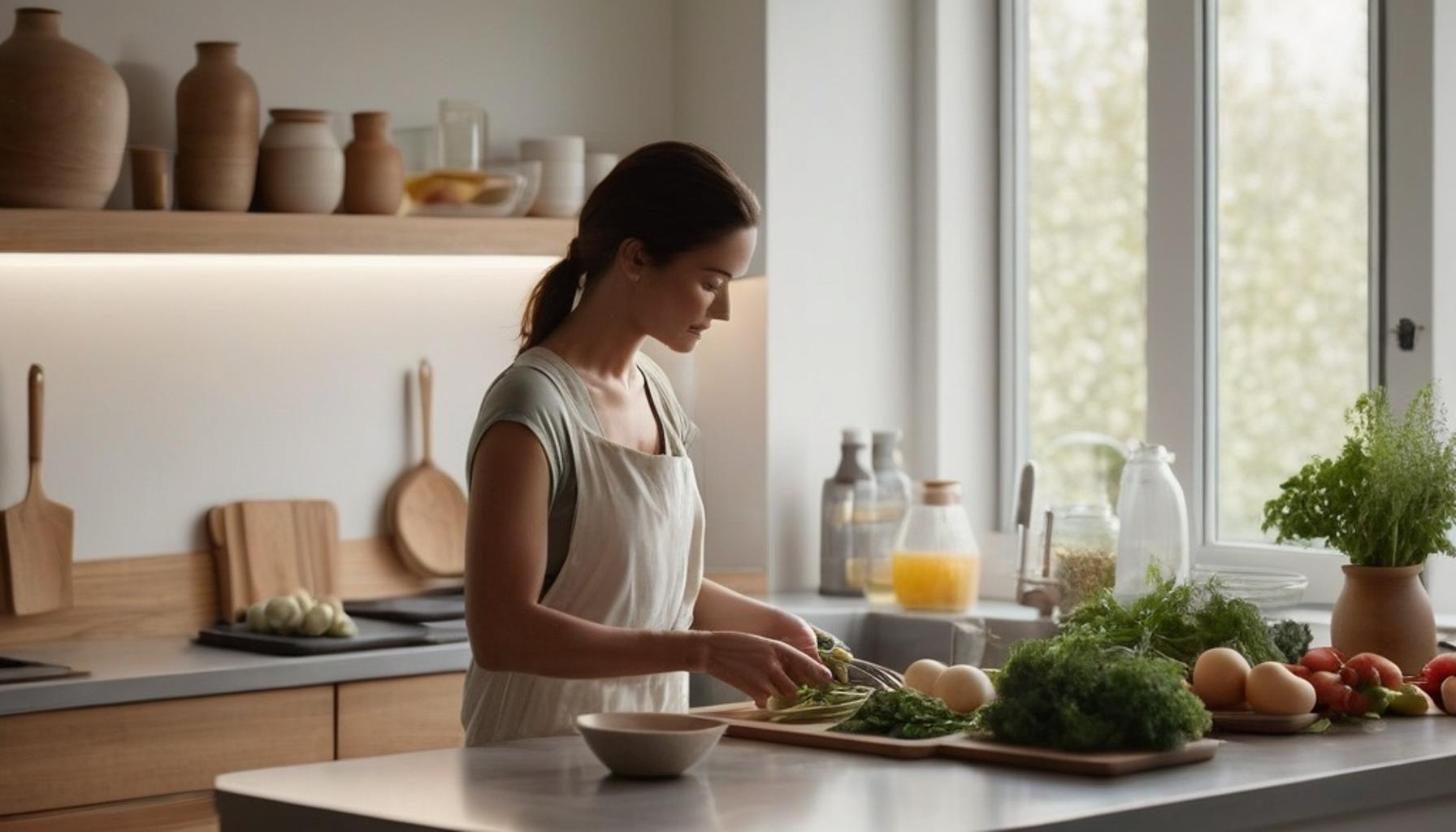
Curious about how to maximize small spaces without a costly renovation? Keep reading to discover efficient storage solutions that fit almost any budget, such as utilizing clear bins for easy visibility or repurposing items already in your home for secondary uses. For example, a vintage ladder can serve as a chic bookshelf or towel rack.
You’ll also learn why minimalist living in small homes isn’t about owning less for the sake of it; it’s about making every item and every square foot count. Minimalism can foster a clearer mind and enhance creativity by eliminating distractions, proving that less truly can be more.
By adopting these strategies, you can turn the narrative of small space living from one of constraint to one of opportunity, allowing you to lead a lifestyle that embraces simplicity and functionality.
DISCOVER: Click here to uncover minimalist kitchen ideas
The Profound Impact of Clutter on Mental Health
Understanding the psychological effects of clutter can shine light on why adopting a minimalist approach can be profoundly beneficial for our well-being. Research conducted by the Princeton University Neuroscience Institute highlights that physical clutter competes for our attention, making it extraordinarily challenging to focus and effectively process information. When multiple items vie for our mental focus, our cognitive resources become strained, resulting in decreased concentration and increased levels of anxiety.
This phenomenon is especially pronounced in small living spaces where every extraneous item can feel overwhelming. In compact apartments where space is limited, even a single misplaced object can be visually and mentally intrusive, leading to a chaotic environment that can hinder both productivity and relaxation.
Surveys conducted by the National Association of Productivity and Organizing Professionals reveal that residents of small homes who implement decluttering practices report significantly lower stress levels and improved sleep quality. Thus, reducing clutter not only transforms the physical space but also fosters a more calming and balanced mental state.
Starting Point: The Audit Before the Action
Embarking on a decluttering journey often begins with a misguided impulse to purchase storage solutions, which can simply mask the real problem. Effective small space organization tips emphasize the need for a thorough inventory of belongings before implementing any organization strategies. This foundational audit allows individuals to understand what they possess and what adds value to their lives.
To carry out a fruitful inventory, consider this simple yet effective audit process:
- Empty one category completely—whether it’s your kitchen utensils, every piece of clothing you own, or your entire bathroom cabinet. By visualizing all items in one collective space, you can gain insight into what you actually have.
- Sort into three piles: keep, donate, and discard. Evaluate each item based on your actual use within the past year, which can help eliminate sentimental but rarely-used items.
- Measure your space before purchasing new organizational tools. Ill-fitting bins or shelving units can create more chaos than solutions, further complicating your space.
- Photograph problem areas of your home. These images can offer perspective, as often, visual reminders of clutter can highlight patterns we might unconsciously overlook.
This thorough auditing method lays the groundwork for nearly every successful decluttering strategy, applicable from Manhattan micro-units to charming suburban ranch homes with limited storage options.
The 90/90 Rule: A Practical Filter for Keeping or Tossing
One of the invaluable decision-making frameworks popular among professional organizers is the 90/90 rule. This practical guideline operates on a straightforward premise: if you haven’t used an item in the past 90 days and don’t foresee using it in the next 90, it is likely time to say goodbye.
This rule serves as a powerful means for decluttering small spaces and is especially beneficial for:
- Seasonal clothing that takes up valuable closet real estate year-round, such as heavy winter coats in the sweltering summer months.
- Kitchen gadgets that seemed essential during a shopping spree yet remain untouched in the back of the cabinet, such as that pasta maker you never learned to use.
- Decorative items that no longer resonate with your aesthetics or lifestyle, keeping in mind that preferences evolve over time.
Understanding how to maximize small spaces begins with the awareness that every item retained occupies physical space. In a modest 600-square-foot apartment, an unused bread maker doesn’t just consume cabinet space; it also impacts your functional living area that could be utilized for relaxation, creativity, or social interaction.
In conclusion, by applying these strategies and understanding the significant psychological benefits of decluttering, individuals can lead a more fulfilled and peaceful life, free from the constraints of excess stuff.
| Declutter Techniques | Benefits |
|---|---|
| Vertical Storage Solutions | Utilizes wall space, freeing up floor area for movement and functionality. |
| Multi-Functional Furniture | Offers practical uses while minimizing items, promoting minimalist living in small homes. |
| Decluttering Rituals | Fosters consistent organization, making small space organization tips more effective over time. |
| Hidden Storage Options | Incorporates clever storage designs, optimizing every corner of your home. |
DISCOVER MORE: Click here to dive into minimalist kitchen ideas
Vertical Thinking: Unlocking Overlooked Storage Real Estate
When floor space runs out, the walls and ceilings of your home become your greatest untapped resource. Efficient storage solutions for compact dwellings frequently rely on vertical space that many homeowners never consider. Studies from the American Institute of Architects note that most residential spaces utilize only a fraction of their vertical potential, leaving significant square footage essentially wasted.
Consider these approaches to reclaim vertical territory:
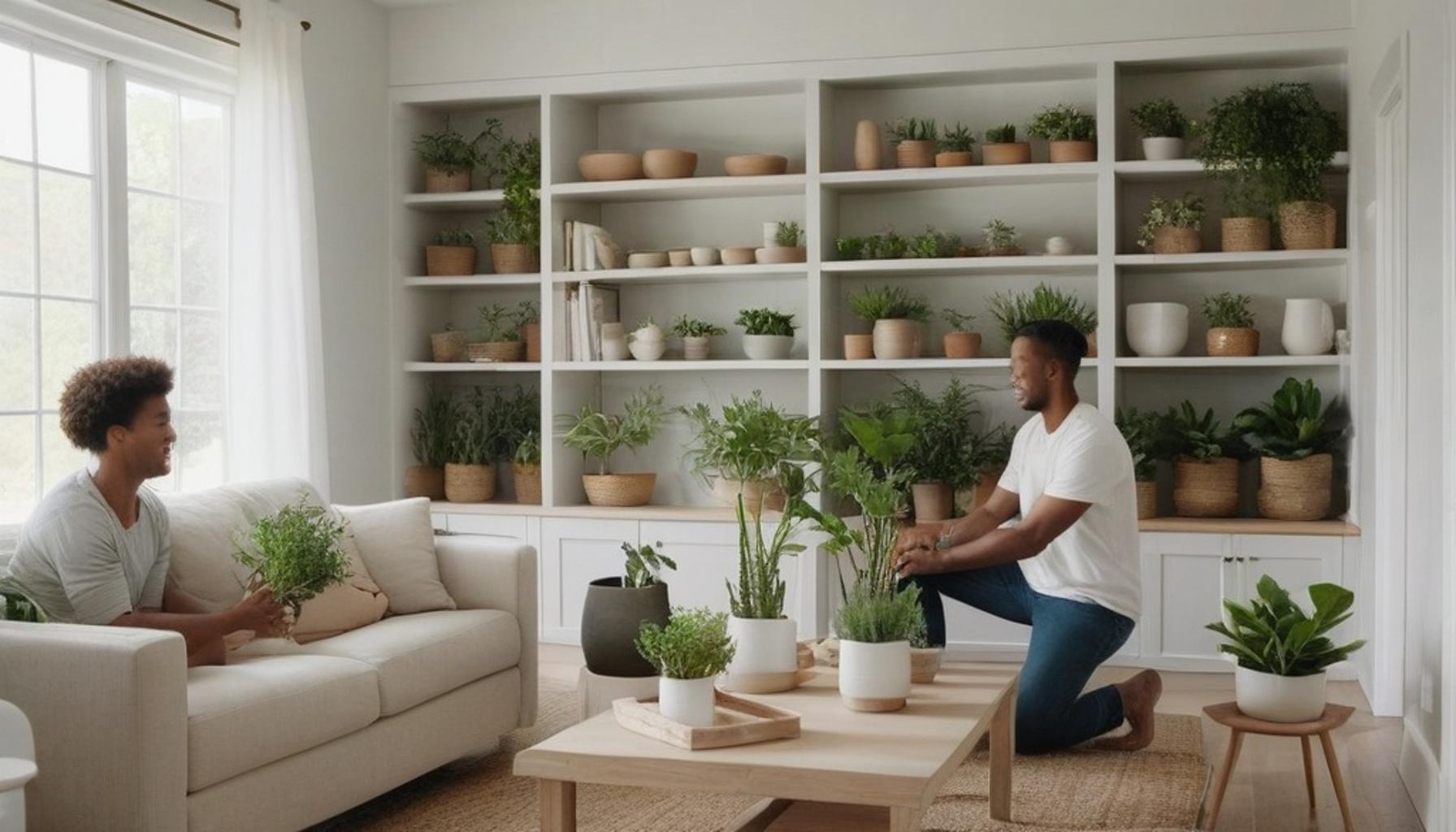
- Install floating shelves above doorways and windows—spaces typically ignored but perfectly suited for displaying books or storing baskets filled with rarely used items.
- Use over-the-door organizers in closets, bathrooms, and pantries. A single door can accommodate dozens of small items, from spices to cleaning supplies, that would otherwise clutter countertops.
- Mount pegboards in kitchens or workspaces, a technique borrowed from professional workshops, allowing tools and utensils to hang visibly and accessibly without consuming drawer space.
- Extend curtain rods to ceiling height to visually elongate a room while creating storage opportunities behind fabric panels.
Residents of New York City studio apartments have long championed these vertical strategies, transforming cramped 400-square-foot units into surprisingly functional homes.
Multi-Functional Furniture: The Backbone of Minimalist Living in Small Homes
Furniture that serves a single purpose is a luxury few small-space dwellers can afford. Minimalist living in small homes increasingly depends on pieces engineered for multiple functions, a trend accelerating alongside rising urban housing costs across cities like Boston, San Francisco, and Chicago.
Popular multi-functional options include:
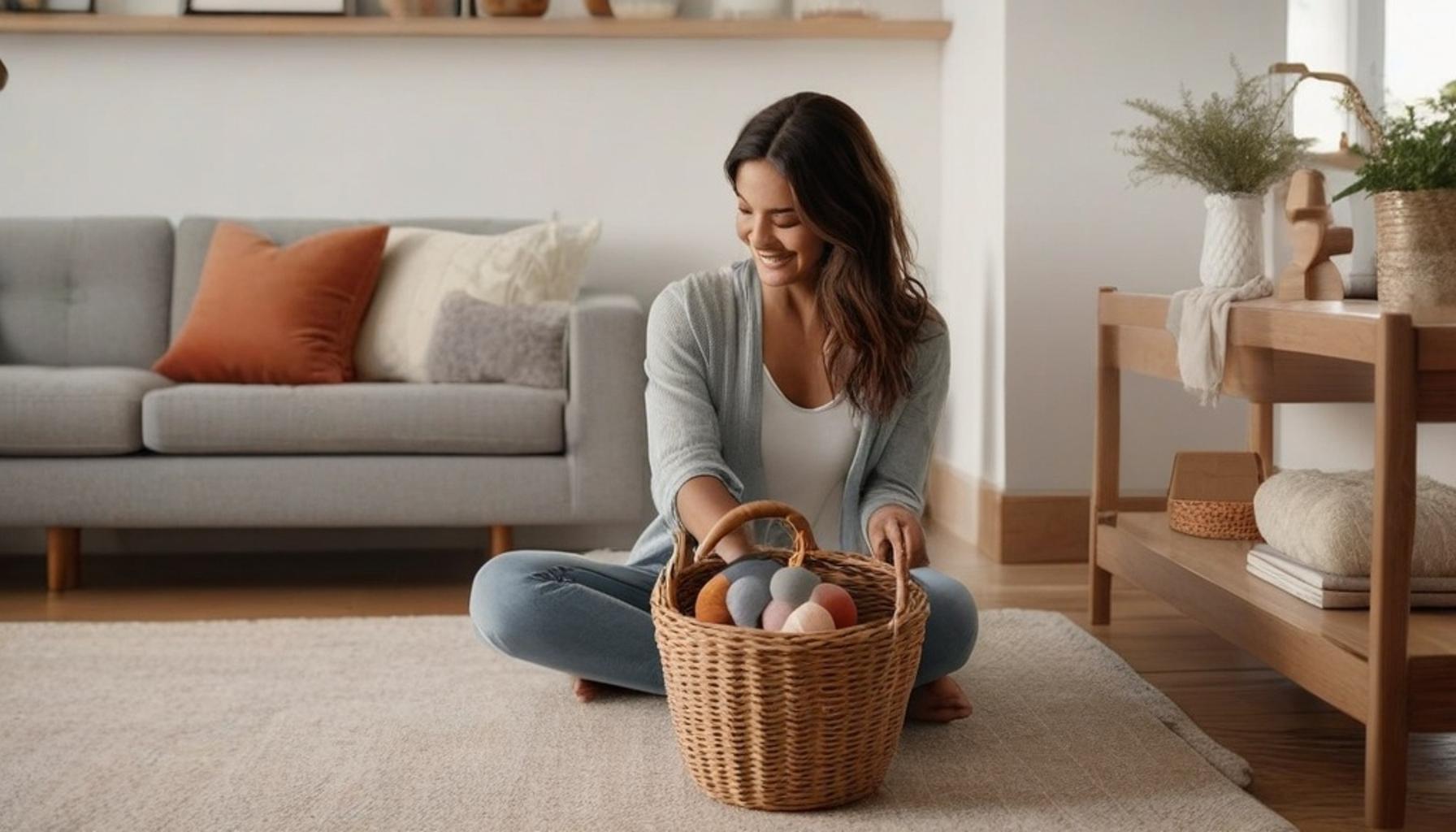
- Storage ottomans that double as seating, coffee tables, and hidden compartments for blankets or seasonal items.
- Murphy beds that fold into walls, freeing up entire rooms during daytime hours for work or exercise.
- Extendable dining tables that shrink for daily use and expand only when hosting guests.
- Bed frames with built-in drawers, eliminating the need for separate dressers entirely.
According to furniture industry reports, sales of convertible and multi-purpose furniture have grown substantially over the past five years, reflecting a broader cultural shift toward intentional, space-conscious living.
Decluttering Ideas for Apartments: The Digital Migration Strategy
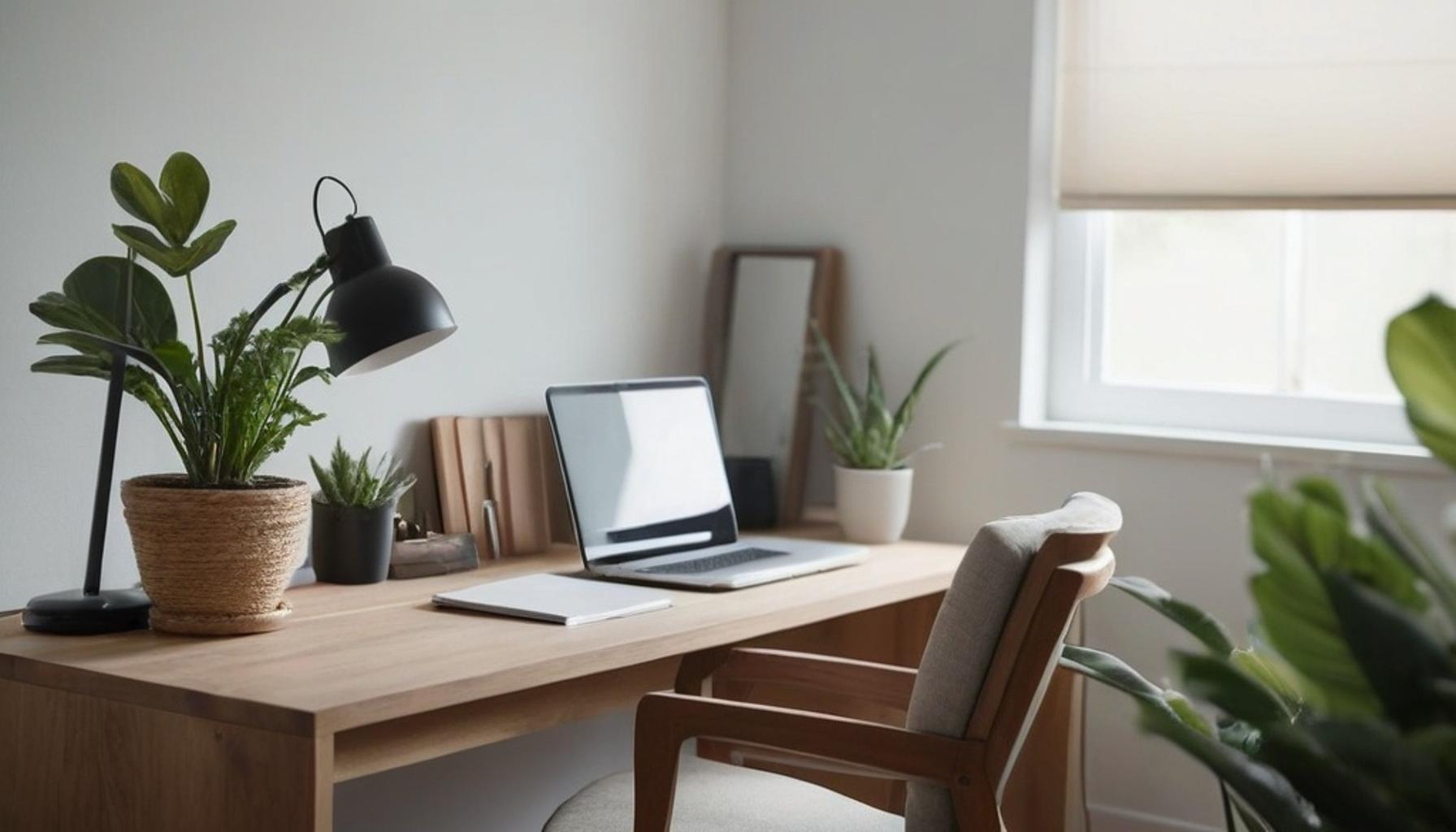
Physical clutter often stems from items we keep purely for informational value—documents, photographs, and memorabilia. One of the most effective decluttering ideas for apartments involves migrating these items into digital formats.
Practical steps include:
- Scanning important documents and storing them securely in cloud-based platforms, reducing filing cabinet dependency.
- Digitizing photo albums through affordable scanning services, preserving memories without physical bulk.
- Switching to e-books and streaming services instead of accumulating physical media collections.
This digital approach directly supports how to maximize small spaces, converting bulky archives into a few gigabytes of accessible, searchable data.
Bringing It All Together: Small Space Living as an Ongoing Practice
Mastering declutter techniques for small spaces isn’t a weekend project with a finish line—it’s an evolving relationship between homeowners and their environment. From reclaiming vertical real estate to embracing multi-functional furniture and digitizing physical archives, each strategy discussed contributes to a larger philosophy: intentionality trumps square footage.
Cities like New York, Boston, and San Francisco have essentially become laboratories for this movement, where residents adapt out of necessity and, in doing so, generate solutions applicable to any compact dwelling nationwide. Their innovations prove that limited space doesn’t have to mean limited functionality.
The most successful small space organization tips share a common thread: they treat storage not as an afterthought but as a design principle woven into every purchasing and organizing decision. Whether it’s a Murphy bed that transforms a bedroom into a home office or a scanned document that eliminates an entire filing cabinet, these choices compound over time.
For readers wondering how to maximize small spaces long-term, the answer lies in periodic reassessment. Habits drift, belongings accumulate, and what worked during a move-in phase may need adjustment a year later. Building quarterly decluttering check-ins into your routine keeps clutter from quietly creeping back.
Ultimately, minimalist living in small homes isn’t about deprivation—it’s about curating a space that reflects genuine needs rather than accumulated habit. As urban housing costs continue climbing across the United States, the skills explored throughout this guide will only grow more valuable, turning square-footage constraints into opportunities for smarter, more deliberate living.
Frequently Asked Questions
What are the best declutter techniques for small bedrooms?
To effectively declutter small bedrooms, consider using under-bed storage containers for shoes and seasonal clothing. Utilize vertical space by installing shelves or hooks on walls for books and accessories. Additionally, regularly evaluate items for their necessity and donate or discard anything that’s not used frequently.
How can I maximize kitchen storage while decluttering?
Maximizing kitchen storage can be achieved by using stackable bins and clear containers to organize pantry items. Install hooks or magnetic strips for utensils and knives to free up counter space. Furthermore, declutter your kitchen by eliminating duplicate items and only keeping tools that serve multiple purposes.
What are effective decluttering tips for small living rooms?
In small living rooms, opt for furniture with built-in storage, such as ottomans or coffee tables with drawers. Create a designated area for items that belong in other rooms, reducing visual clutter. Regularly assess decorations to ensure they contribute meaningfully to the space, avoiding overcrowding.
How often should I revisit my decluttering techniques for small spaces?
It’s beneficial to revisit your decluttering techniques every few months to prevent accumulation of unnecessary items. Engage in seasonal decluttering, especially when changing to different seasons, to reassess items’ relevance. Consistent evaluation ensures your small space remains efficient and organized.

Beatriz
Beatriz Johnson is a seasoned minimalist and writer with a passion for simplifying the complexities of personal organization and intentional living. With over a decade of experience in decluttering strategies and mindful consumption, she specializes in topics like space optimization, habit simplification, and sustainable lifestyle choices. Through her work on our website, Beatriz empowers readers to embrace minimalism, reduce mental and physical clutter, and create more meaningful, organized lives in today's fast-paced world.