The Art of Minimalist Living: Creating an Organized and Intentional Home
Why Simplicity Is Becoming America’s Favorite Lifestyle Trend
Across the United States, homeowners are quietly rebelling against clutter. From tiny apartments in Brooklyn to sprawling suburban houses in Texas, more people are asking the same question: do I really need all of this?
This shift has a name: Minimalist Living. It’s not just a design trend, but a growing lifestyle movement backed by real numbers and real change.
The Numbers Behind the Movement
Recent surveys reveal a striking shift in American attitudes toward possessions and space:
- Nearly 60% of Americans report feeling overwhelmed by clutter in their homes
- The self-storage industry, valued at over $40 billion, reflects how much unused stuff we’re paying to keep
- Searches for “how to declutter” have surged in recent years, especially each January
These figures tell a clear story: people want less stuff, but more meaning.
What This Article Covers
This guide explores practical organized home tips that go beyond simply throwing things away. You’ll discover proven decluttering strategies, room-by-room organization ideas, and the mindset shifts that make minimalism sustainable long-term.
We’ll also examine the deeper minimalist lifestyle benefits, including:
- Reduced stress and mental clarity
- More disposable income from mindful spending
- Extra time once spent cleaning and organizing
- A greater sense of control over your living space
Whether you’re drawn to intentional living for financial freedom, environmental reasons, or simply peace of mind, this article offers a realistic roadmap. No extreme rules, no empty rooms—just a smarter way to live with what truly matters.
DISCOVER MORE: Click here to dive into minimalist kitchen ideas
# From Closet to Kitchen: Where Clutter Really LivesWalk into any American garage, and you’ll likely find the same scene: a treadmill buried under holiday decorations, boxes labeled “misc,” and at least one exercise bike that’s now a coat rack. This isn’t a personal failing—it’s the default outcome of a culture built on accumulation.
The Hidden Cost of “Just in Case”
Most clutter doesn’t arrive all at once. It creeps in through good intentions—the sale item you couldn’t pass up, the gadget that promised to save time, the gift you felt obligated to keep. Over months and years, these small additions compound into rooms that feel heavy rather than restful.
Minimalist Living starts by naming this pattern honestly. It’s not about deprivation. It’s about recognizing that every object in your home demands something back from you: space, attention, or maintenance.
Consider the average American household. Studies estimate the typical home contains over 300,000 items, ranging from kitchen tools to paperwork stuffed in drawers. Multiply that by the time spent searching, cleaning, or simply stepping around these objects, and the true cost becomes clear.
Room-by-Room Reality Check
Before diving into solutions, it helps to understand where clutter typically concentrates. Certain rooms consistently top the list in national organizing surveys:
- Kitchens — overflowing with single-use gadgets and expired pantry items
- Closets — packed with clothes unworn in over a year
- Home offices — buried under paperwork and cables nobody remembers needing
- Garages — often used for storage rather than their intended purpose
Recognizing these patterns is the first step toward effective home organization ideas. You can’t declutter what you haven’t identified.
Intentional Living as a Daily Practice
Unlike extreme minimalism, which often gets caricatured as empty white rooms and a single fork, intentional living is far more livable. It simply asks: does this item add value to my daily life?
This question reframes decluttering from a one-time purge into an ongoing habit. Instead of collecting things “just in case,” you start choosing possessions that align with how you actually live—not how you imagine you might live someday.
The next section breaks down specific decluttering strategies that make this shift practical, not just aspirational.
| Key Aspects | Benefits |
|---|---|
| Decluttering Strategies | Reduces mental clutter and creates a peaceful environment. |
| Intentional Living | Encourages mindful decisions regarding belongings, aligning possessions with values. |
| Home Organization Ideas | Fosters a functional space that enhances daily productivity. |
| Minimalist Lifestyle Benefits | Promotes financial savings by prioritizing quality over quantity. |
DISCOVER MORE: Click here for minimalist kitchen inspiration
# Practical Decluttering Strategies That Actually StickKnowing where clutter hides is only half the battle. The real transformation happens when you apply decluttering strategies that fit into ordinary, busy American life—not ones that require a dedicated weekend retreat or a minimalist Instagram aesthetic.
The 90/90 Rule and Other Quick Filters
Professional organizers often rely on simple thresholds to cut through decision fatigue. One popular method: if you haven’t used an item in the past 90 days and don’t anticipate using it in the next 90, it’s likely safe to donate or discard.
This rule works particularly well in closets and kitchen drawers, where sentimental attachment often outweighs actual utility. Applying it consistently is one of the simplest home organization ideas available, requiring no special tools or storage bins.
The Box Method for Emotional Items
Not everything can be sorted with cold logic. Photographs, inherited items, and gifts carry emotional weight that resists simple yes-or-no decisions.
For these, professional organizers suggest a “maybe box.” Place uncertain items inside, seal it, and label it with a date six months out. If the box remains unopened by that date, donate its contents without reopening it. This method removes the pressure of immediate decisions while still moving items out of daily circulation.
Digital Clutter Deserves Attention Too
Minimalism isn’t limited to physical spaces. The average American receives dozens of emails daily and stores thousands of unsorted photos on their phone. This digital buildup creates the same mental fatigue as a crowded closet.
Consider these steps for a more complete minimalist lifestyle:
- Unsubscribe from promotional emails in batches rather than one at a time
- Sort photos quarterly, deleting duplicates and blurry shots
- Limit apps on your home screen to those used weekly
Why Smaller Changes Outperform Extreme Purges
National surveys on resolutions consistently show that drastic, all-at-once decluttering attempts fail more often than incremental ones. Tackling one drawer, shelf, or category weekly builds momentum without triggering burnout.
This gradual approach reflects the deeper philosophy behind Minimalist Living: sustainable habits outperform dramatic gestures. A single Saturday purge might feel satisfying, but it rarely addresses the underlying habits that caused clutter to accumulate in the first place.
Understanding these minimalist lifestyle benefits—reduced stress, more free time, easier cleaning—sets the foundation for the next step: designing rooms that stay organized long after the initial decluttering session ends.
Building a Home That Reflects Intentional Living
Across every closet, kitchen drawer, and inbox discussed in this guide, one theme keeps surfacing: Minimalist Living is less about owning fewer things and more about making deliberate choices. Every item kept, donated, or discarded becomes a small vote for the kind of home—and life—you actually want.
The strategies outlined here aren’t a one-time event. The 90/90 rule, the maybe box, and quarterly digital sweeps only work when they become habits rather than isolated projects. Research on behavior change consistently shows that small, repeated actions create lasting results, while dramatic overhauls often unravel within weeks.
Intentional Living Beyond the Checklist
Adopting organized home tips is a starting point, not a finish line. True intentional living means periodically revisiting your space as your needs shift—a new job, a growing family, or a cross-country move can all change what “essential” looks like.
This is where the real minimalist lifestyle benefits emerge: less time spent searching for misplaced items, fewer decisions drained by visual clutter, and a home that supports focus instead of competing for attention.
Where to Go From Here
Consider starting small this week:
- Choose one drawer, shelf, or inbox folder to declutter using the methods above
- Track how much time or stress it saves over the following seven days
- Use that momentum to tackle the next space on your list
Minimalism isn’t a rigid aesthetic or a rulebook—it’s a flexible framework for building a home that works for you. By applying practical decluttering strategies and thoughtful home organization ideas consistently, American households of any size can create spaces that feel calmer, function better, and reflect what truly matters.
Frequently Asked Questions
What are the first steps to start practicing minimalist living in my home?
To begin practicing minimalist living, start by decluttering your space. Focus on one room or area at a time, and sort items into categories: keep, donate, or discard. Set clear intentions for what you want to retain, ensuring each item serves a purpose or brings you joy.
How can minimalist living improve my mental health?
Minimalist living can significantly reduce stress and anxiety by creating a more organized and serene environment. With fewer distractions and less clutter, you can focus on what truly matters, leading to a clearer mind and enhanced well-being. The intentional space fosters mindfulness and improves your ability to concentrate.
Are there specific furniture choices that support minimalist living?
Yes, when adopting minimalist living, look for multifunctional furniture that maximizes space, such as storage ottomans or foldable tables. Opt for simple, clean lines and neutral colors that create a calm atmosphere. Choose pieces that reflect your lifestyle needs while remaining minimalistic in design.
How do I maintain a minimalist home once I’ve decluttered?
To maintain a minimalist home, commit to a regular review process, such as a seasonal declutter or a monthly check-up on your belongings. Implement the ‘one in, one out’ rule, where for every new item you bring in, an old item must go out. Additionally, cultivate mindfulness about purchases to avoid unnecessary accumulation.
Can minimalist living work for families with children?
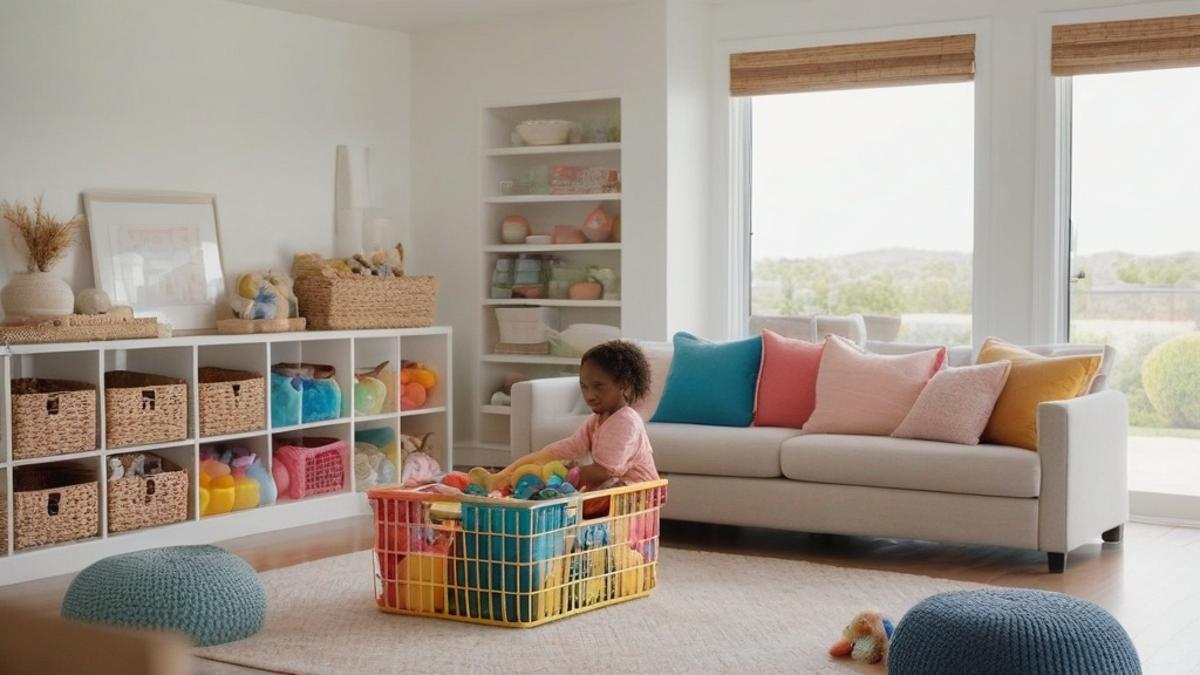
Absolutely! Minimalist living can be adapted for families by involving children in the decluttering process and teaching them the value of simplicity. Create designated areas for toys and encourages regular tidying, which fosters a sense of responsibility. With a few strategic changes, a minimalist home can be functional and inviting for everyone.
What are some common misconceptions about minimalist living?
A common misconception is that minimalist living means living with absolutely nothing or being austere. In reality, it’s about intentionality and creating a space that feels right for you. Minimalism can be personalized; it focuses on quality over quantity, allowing you to keep items that truly enhance your life and environment.

Beatriz
Beatriz Johnson is a seasoned minimalist and writer with a passion for simplifying the complexities of personal organization and intentional living. With over a decade of experience in decluttering strategies and mindful consumption, she specializes in topics like space optimization, habit simplification, and sustainable lifestyle choices. Through her work on our website, Beatriz empowers readers to embrace minimalism, reduce mental and physical clutter, and create more meaningful, organized lives in today's fast-paced world.