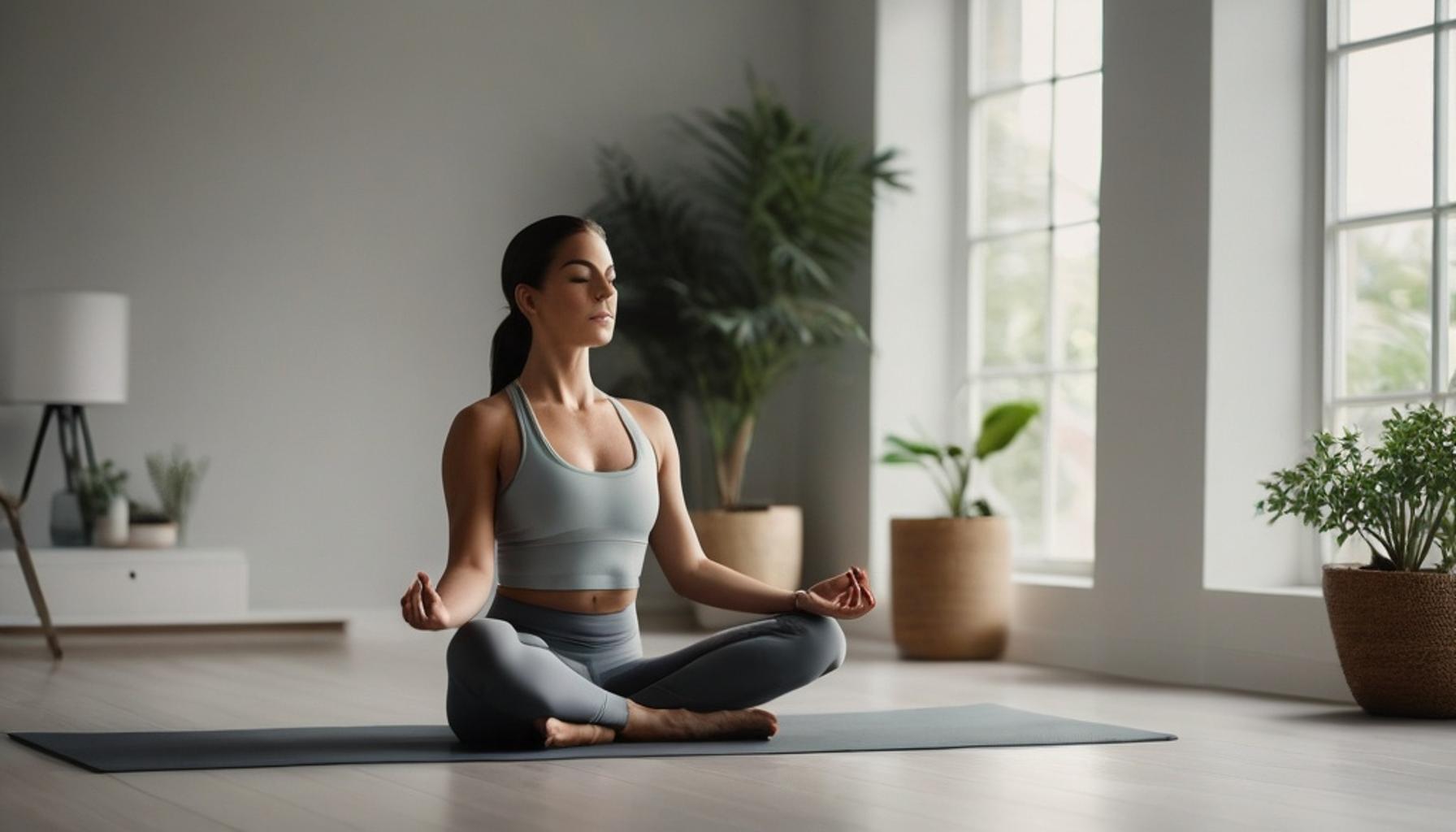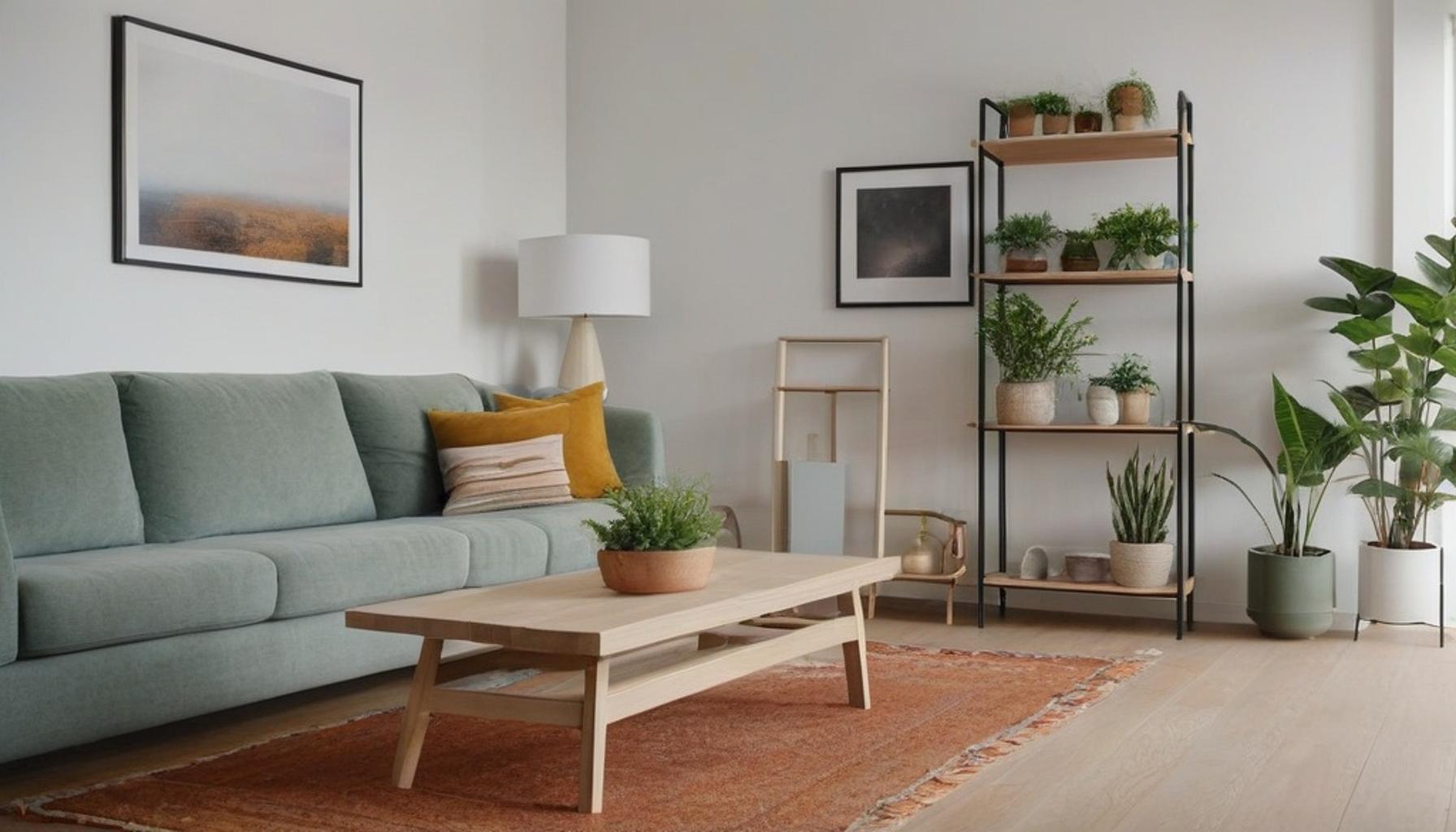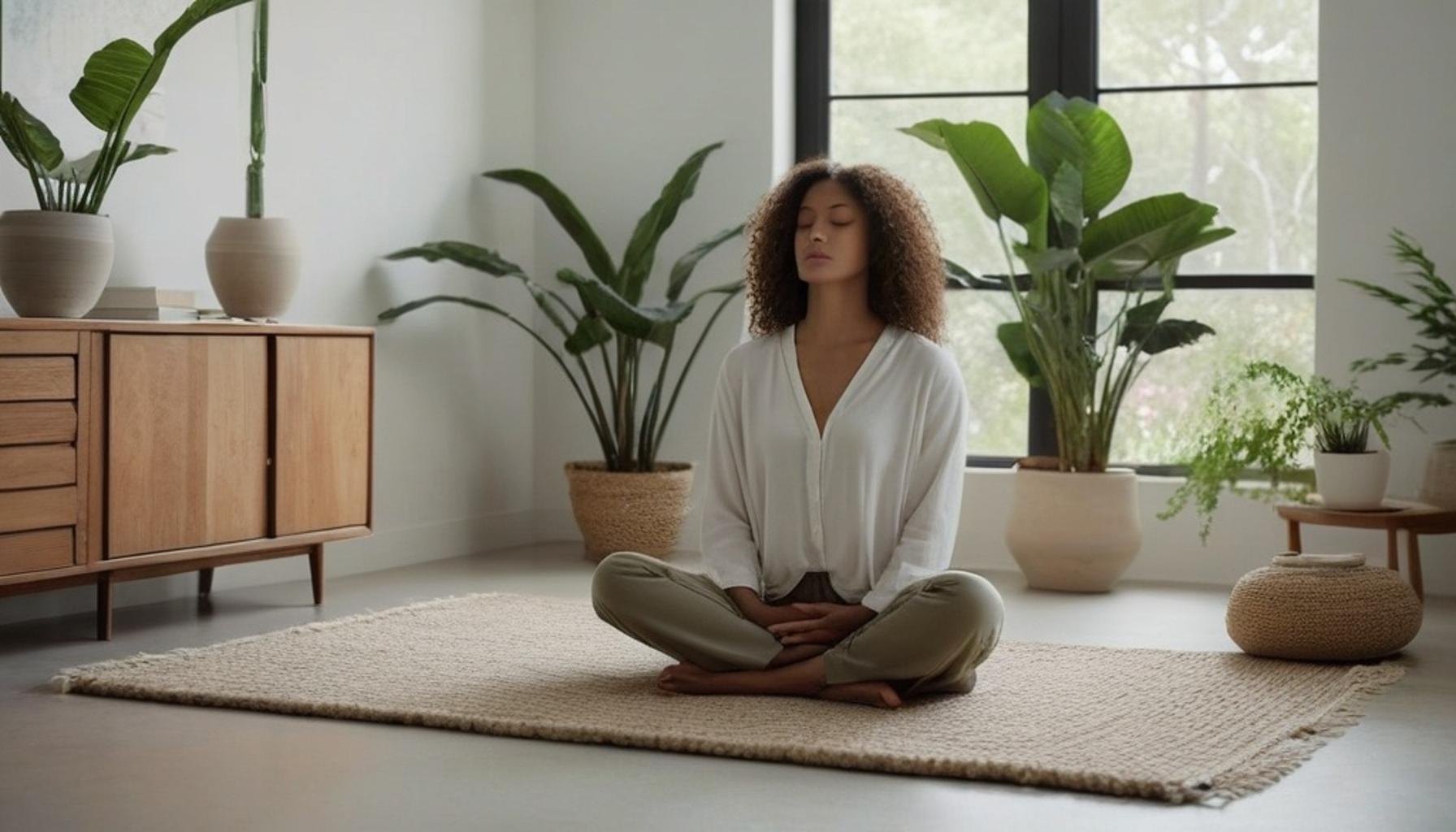
The Minimalist Mindset: Embracing Simplicity in Home and Workspace Organization
Why the Minimalist Mindset Is Taking Over American Homes and Offices
Americans are drowning in stuff. The average U.S. household contains more than 300,000 items, as reported by the LA Times, and self-storage has become a $39 billion industry nationwide. This overwhelming tide of possessions often leads to cluttered homes and chaotic minds, prompting a significant cultural shift towards minimalism in recent years.
It’s no surprise that the Minimalist Mindset has transitioned from niche lifestyle blogs into mainstream conversation. People are increasingly searching for ways to breathe easier, think clearer, and reclaim both physical and mental space. This trend emphasizes that less truly can be more, showcasing the value of simplicity in everyday life.
A Cultural Shift Toward Simple Living
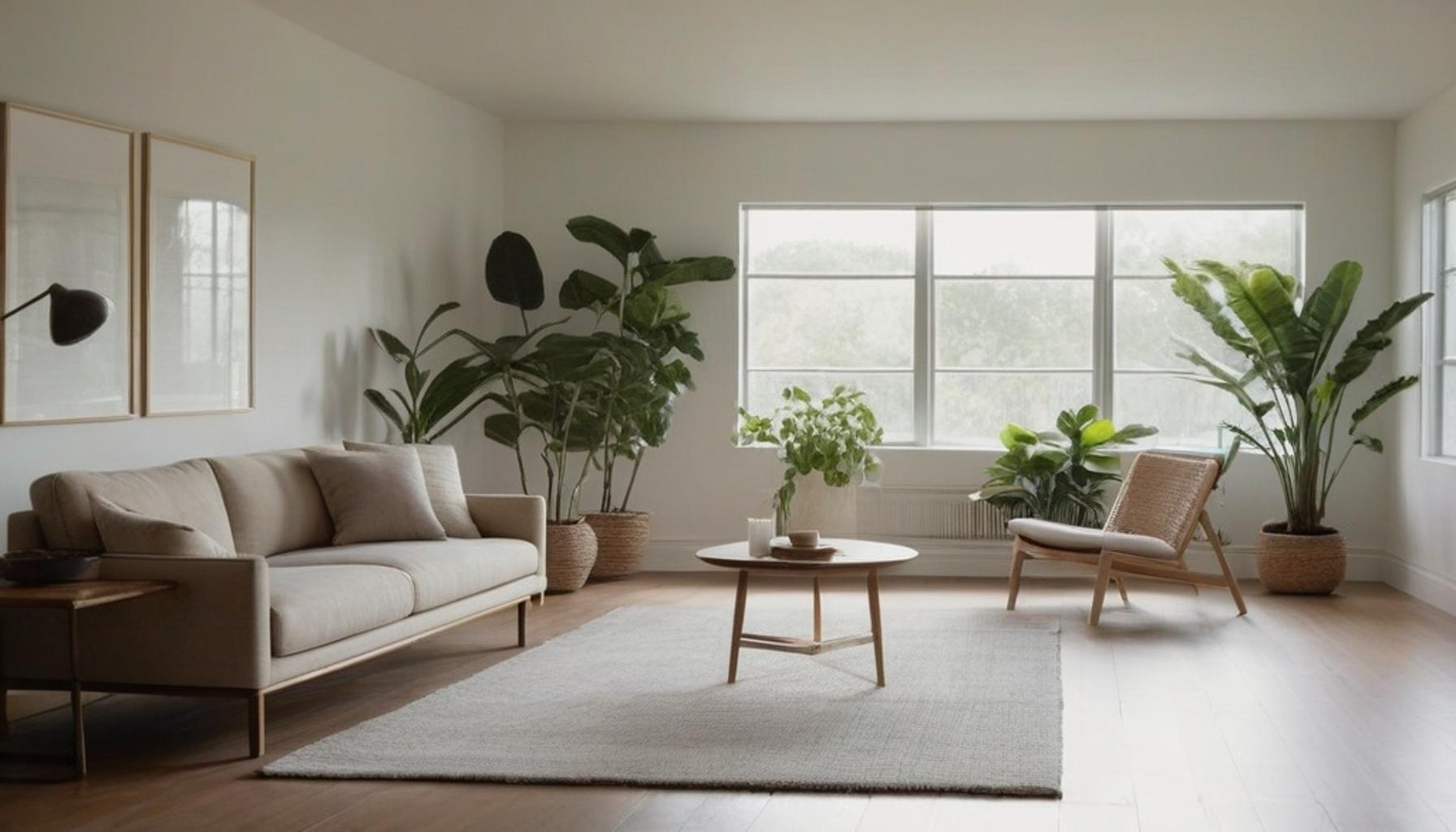
Embracing simplicity at home extends beyond just empty shelves and white walls; it’s a conscious and deliberate response to overwhelming consumerism, digital clutter, and the mental fatigue that arises from constant acquisition of possessions. Minimalism encourages individuals to prioritize quality over quantity, cultivating a life that feels less burdensome.
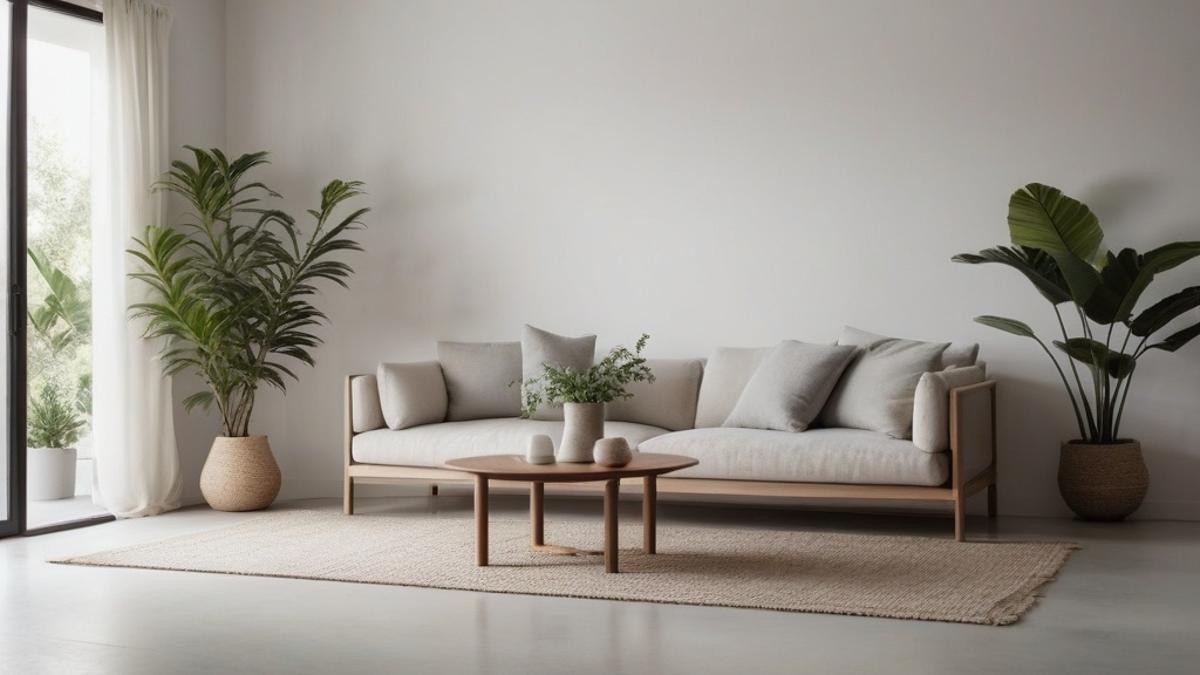
This shift is reflected in various lifestyle choices. For instance, many individuals are opting for capsule wardrobes, which consist of a limited selection of versatile clothing pieces that can be mixed and matched, replacing overstuffed closets. Digital decluttering apps, such as CleanMyMac and Unclutter, are trending on the App Store as people strive to manage their online data efficiently. Additionally, open-concept living areas with minimal furniture are becoming the norm, promoting a sense of tranquility.
Notably, remote workers are redesigning home offices to enhance focus and productivity. By eliminating clutter, they’re creating inviting spaces that foster creativity instead of distraction.
From Living Rooms to Cubicles
The minimalist movement also extends into workplace organization. Companies like Google and IKEA are championing minimalist office designs, noting significant improvements in concentration and reduced stress levels among employees. Research indicates that a clutter-free environment can enhance creativity and improve employee morale.
In corporate settings, minimalism typically involves streamlined desks with fewer distractions and intentional storage solutions that promote organization. The goal is not merely empty spaces, but rather achieving clarity—both in thought and environment.
What This Article Covers
This piece delves into practical, real-world strategies for decluttering your space at home and in the workplace. Readers can expect to find:
- Simple living strategies grounded in organizational psychology, highlighting how reducing clutter can enhance mental well-being.
- Step-by-step methods for tackling closets, desks, and digital files, providing actionable insights for those overwhelmed by their belongings.
- Examples from minimalist homes and offices across the U.S., showcasing diverse interpretations of minimalism.
Whether the aim is to cultivate a more serene living room or increase productivity in a workspace, the principles outlined in this article offer a clear starting point for embracing minimalism and its many benefits.
DISCOVER: Click here to dive into minimalist kitchen ideas
The Psychology Behind the Minimalist Mindset
Clutter doesn’t just occupy physical space—it occupies mental bandwidth. According to research from Princeton University Neuroscience Institute, visual clutter competes for attention in the brain, making it harder to focus and process information efficiently. This scientific backing has fueled the Minimalist Mindset movement, transforming it from an aesthetic preference into a legitimate wellness strategy.
Psychologists point to a direct link between environment and mental state. A 2021 study published in the Journal of Environmental Psychology found that individuals living in cluttered spaces reported higher cortisol levels, the hormone associated with stress. Simply put, messy spaces can translate into messy minds.
Why Simple Living Strategies Work
Simple living strategies are not about deprivation. They’re about intentionality—choosing what stays based on function and joy rather than habit or guilt. This distinction matters because it reframes minimalism from a restrictive diet into a sustainable lifestyle choice.
Several core principles guide those embracing simplicity at home:
- The one-in, one-out rule: For every new item brought into the home, an old one must go.
- The 90/90 rule: If an item hasn’t been used in the last 90 days and won’t be used in the next 90, it’s likely disposable.
- Purpose-driven purchasing: Buying only what serves a clear, defined function in daily life.
- Digital parity: Applying the same declutter mindset to emails, apps, and files as to physical belongings.
These strategies are gaining traction across generations. Millennials and Gen Z consumers, in particular, are driving demand for multipurpose furniture and modular storage systems, according to a 2023 report by Statista on U.S. home furnishing trends.
The Ripple Effect on Productivity
Decluttering your space doesn’t stop at aesthetics—it directly influences output. A study conducted by the National Association of Professional Organizers revealed that Americans spend an average of 2.5 days per year searching for misplaced items in cluttered environments. That’s time better spent elsewhere.
This is why workspace organization tips have become essential reading for professionals. From startups in Austin to law firms in New York, the message is consistent: an organized environment fosters sharper decision-making and reduces cognitive fatigue.
As minimalism in office design continues to gain momentum, the connection between physical space and mental clarity becomes harder to ignore—setting the stage for practical, room-by-room strategies explored next.
DISCOVER MORE: Click here to dive deeper
Room-by-Room: Practical Steps for Embracing Simplicity at Home
Theory only goes so far. The real test of the Minimalist Mindset happens when you’re standing in front of an overstuffed closet or a garage that hasn’t seen concrete floor in years. Fortunately, simple living strategies scale down to individual rooms with surprising ease.
The Kitchen: America’s Clutter Hotspot
Kitchens rank among the most cluttered rooms in U.S. homes, according to a 2022 survey by the American Cleaning Institute. Countertop appliances, mismatched containers, and duplicate utensils pile up fast.
A practical fix gaining popularity is the “one function, one tool” approach—ditching gadgets that serve a single, rarely-used purpose in favor of versatile equipment. A quality chef’s knife, for instance, replaces an entire drawer of specialty slicers.
- Clear countertops of anything not used daily
- Store duplicate tools; keep only the best-performing version
- Use clear bins for pantry items to see what’s actually left
The Bedroom: Where Rest Meets Restraint
Sleep researchers have long linked bedroom clutter to poorer sleep quality. The National Sleep Foundation notes that a chaotic environment can delay the body’s transition into restful states, making decluttering your space a legitimate sleep hygiene tactic.
Closets are often the biggest offender. The classic hanger trick—turning all hangers backward and flipping them only after wearing an item—reveals how much clothing actually goes untouched within a single season. Many who try it report using less than 30 percent of their wardrobe regularly.
Minimalism in Office Spaces: A Growing Corporate Trend
Beyond the home, minimalism in office design is reshaping how American companies think about workplace efficiency. Tech firms in Seattle and financial offices in Chicago are swapping bulky cubicles for open, streamlined layouts with minimal visual noise.
Workspace organization tips championed by productivity consultants include:
- Clear-desk policies at the end of each workday
- Cable management systems to eliminate visual chaos
- Single-tasking zones free from unrelated materials
- Digital decluttering through weekly inbox purges
A 2022 Gensler Workplace Survey found that employees in simplified, well-organized office environments reported 17 percent higher satisfaction with their physical workspace compared to those in traditional, clutter-prone layouts.
These findings suggest that embracing simplicity at home and in professional settings isn’t just a personal preference—it’s becoming a measurable factor in workplace design strategy across the country.
DISCOVER MORE: Click here to dive into minimalist kitchen ideas
Living the Minimalist Mindset: What Comes Next
From kitchen drawers to corporate offices, the evidence points to one conclusion: simplicity isn’t just aesthetic preference, it’s a practical response to how modern American life has become saturated with excess. The Minimalist Mindset offers a measurable path forward, backed by sleep studies, workplace surveys, and countless households that have tested these ideas firsthand.
What makes this approach compelling isn’t a single dramatic overhaul. It’s the accumulation of small, deliberate choices—fewer duplicate kitchen tools, a closet cleared through honest use, an office desk reset each evening. These simple living strategies compound over time into something larger than tidiness.
Embracing simplicity at home also reshapes how people relate to consumption itself. When 70 percent of a wardrobe sits untouched, or when a single knife replaces a drawer of gadgets, the lesson extends beyond organization. It challenges long-held assumptions about what’s actually necessary for daily life.
The corporate world’s embrace of minimalism in office design signals something worth watching closely. If a 17 percent satisfaction increase can emerge from decluttered workspaces, companies nationwide have a financial incentive, not just an aesthetic one, to rethink their layouts.
For readers considering their own transition, the workspace organization tips and room-by-room strategies outlined here serve as a starting point rather than a rigid formula. Decluttering your space works best when tailored to individual habits and needs, not imposed as an all-or-nothing lifestyle change.
As American consumer habits continue shifting toward intentionality, the question worth asking isn’t whether minimalism will remain relevant. It’s how far this mindset will travel next, into schools, healthcare facilities, and urban planning, and what new data will emerge to confirm what many early adopters already sense: less truly can accomplish more.
Frequently Asked Questions
What are the key principles of the Minimalist Mindset for organizing my home?
The key principles of the Minimalist Mindset include decluttering, prioritizing functionality, and choosing quality over quantity. Start by assessing your belongings, keeping only items that serve a purpose or hold significant value. Organize your space based on usage and accessibility, ensuring a clean, stress-free environment that promotes simplicity.
How can I apply the Minimalist Mindset to my workspace for increased productivity?
To apply the Minimalist Mindset in your workspace, begin by decluttering your desk and removing distractions. Limit the items you keep to essentials that enhance your work, such as a computer, planner, and necessary tools. Additionally, embrace digital organization by reducing paper clutter, which can help streamline your workflow and boost productivity.
What are some practical tips to maintain a minimalist approach in a small living space?
Maintaining a minimalist approach in a small living space involves strategic organization and mindful purchasing. Use multifunctional furniture, such as storage ottomans or foldable desks, and establish designated areas for your belongings to maximize space. Regularly review and donate items you no longer use or need to keep your environment streamlined.
How do I overcome emotional attachment when decluttering my home?
Overcoming emotional attachment during decluttering requires a mindful approach. Start by focusing on the reasons behind your attachment, and consider the joy or utility each item brings to your life. Establish a clear decluttering goal, and remember that letting go of items can facilitate personal growth and create space for new experiences.

Beatriz
Beatriz Johnson is a seasoned minimalist and writer with a passion for simplifying the complexities of personal organization and intentional living. With over a decade of experience in decluttering strategies and mindful consumption, she specializes in topics like space optimization, habit simplification, and sustainable lifestyle choices. Through her work on our website, Beatriz empowers readers to embrace minimalism, reduce mental and physical clutter, and create more meaningful, organized lives in today's fast-paced world.