
Less is More: Minimalist Strategies to Reduce Stress and Increase Clarity in Time Management

Understanding Minimalism in Modern Life
In the age of technology and constant connectivity, many individuals seek refuge in a simpler lifestyle. Minimalism serves as a refreshing escape from the bombardment of everyday complexities, allowing people to carve out a life that prioritizes quality over quantity. The premise that less is more is not merely a philosophy; it is a practical strategy that can lead to significant improvements in overall well-being.
When we think about minimalism, we often envision decluttering our physical spaces. However, it is equally vital to consider how we might declutter our time. In the United States, where the hustle culture is deeply embedded in society, many find themselves juggling multiple roles—parent, employee, friend, and community member. This influx of responsibilities can lead to heightened levels of stress and burnout. Implementing minimalist approaches can play a crucial role in alleviating such pressures.
Key Benefits of Minimalism
Implementing minimalist strategies can have transformative effects on our lives. By reducing stress, we can create mental space to think clearly and make informed decisions. A well-known statistic reveals that nearly 80% of Americans report feeling stress on a daily basis, stemming from work demands, personal obligations, and the fast-paced rhythm of life.
Beyond stress reduction, minimalism encourages individuals to focus on high-priority tasks that truly matter. For instance, consider someone who limits their social media usage to just 30 minutes a day. This not only keeps them better connected to their immediate relationships but also frees up significant time for activities that bring greater joy, such as pursuing hobbies or spending quality time with family.
Effective Minimalist Strategies
There are various strategies that can aid in adopting a minimalist mindset:
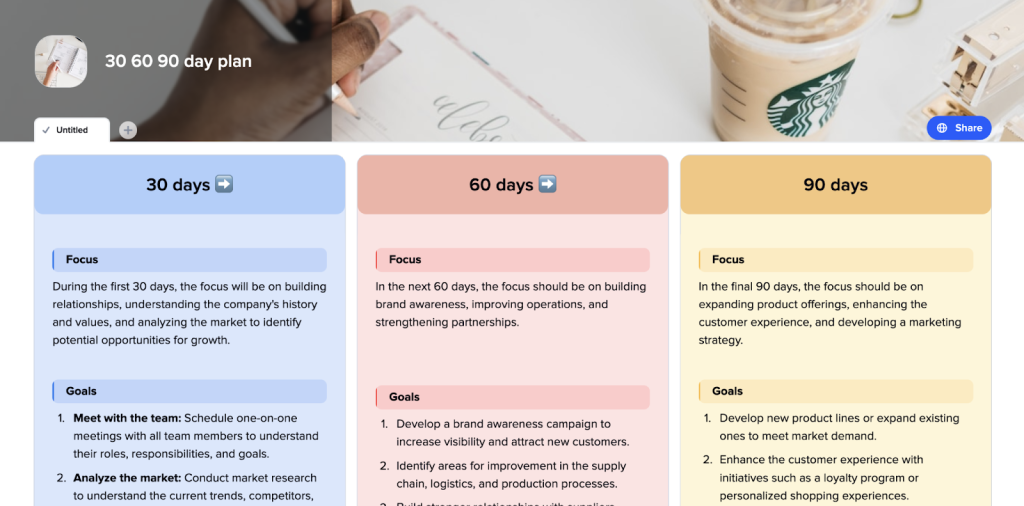
- Prioritizing essential tasks: Use tools like the Eisenhower Matrix to distinguish between what is urgent and important. By focusing on critical actions, individuals can make steady progress without feeling overwhelmed.
- Limiting distractions: For example, setting boundaries around work hours can help enforce time dedicated to family and personal projects. Silence unnecessary notifications on your phone or designate specific times for checking emails to minimize distractions.
- Embracing digital decluttering: Clearing out digital spaces can be just as crucial as physical decluttering. Unsubscribe from email lists that flood your inbox, delete unused apps, or organize files on your devices. This not only declutters your digital environment but also contributes to a clearer mind.
As you begin to explore these minimalist strategies, you’ll likely uncover the profound impact they can have on your time management and overall lifestyle. Discovering a simplified approach not only leads to greater clarity in daily activities but also fosters an enriching environment to nurture personal aspirations and relationships. Are you prepared to embark on this journey towards a more intentional life? Embrace minimalism as a step toward creating not just time, but truly enriching experiences.
DISCOVER MORE: Click here to delve deeper
Finding Freedom Through Minimalist Time Management
As we navigate the complexities of modern life, the concept of less is more extends beyond our physical surroundings and permeates the fabric of our everyday schedule. In a world driven by a multitude of commitments, the challenge lies in mastering the art of time management. Adopting minimalist strategies can provide clarity that transforms how we allocate our time, ultimately reducing stress and enhancing productivity.
One pivotal aspect of minimalist time management is the elimination of non-essential tasks. Research indicates that chronic multitasking can be detrimental, with studies showing that it can reduce productivity by as much as 40%. By identifying and removing tasks that do not serve our primary goals, we can redirect our energies toward endeavors that truly matter. This is where the concept of the 80/20 rule, or the Pareto Principle, comes into play. It suggests that 80% of our results come from just 20% of our activities. By focusing on that critical 20%, we can streamline our efforts and enhance our outcomes.
Practical Steps for Streamlined Task Management
To help you incorporate minimalist strategies into your time management, consider the following key practices:
- Establish Clear Goals: By setting specific, achievable goals, you can prioritize effectively and measure progress. This clarity helps in making informed decisions about where to invest your time.
- Create a Simplified To-Do List: Instead of overwhelming yourself with extensive lists, limit yourself to three major tasks each day. This approach not only keeps your focus sharp but also instills a sense of accomplishment as you check off completed activities.
- Time Blocking: Allocate specific blocks of time for different activities, ensuring that you dedicate uninterrupted periods for focused work. This technique minimizes distractions and allows for deeper engagement in tasks.
These practical steps not only provide structure to your day but also help in cultivating a mindset centered around intentionality. As you learn to let go of tasks that do not align with your values or objectives, you will likely experience a newfound appreciation for your time. It becomes clear that productivity does not solely hinge on busyness, but rather on the ability to focus on what truly enriches your life.
As you embrace these minimalist time management techniques, you may find that the benefits extend far beyond mere productivity. The reduction in clutter, both mental and physical, fosters a sense of tranquility that allows for clearer thinking and improved decision-making, making the case for less is more more compelling than ever.
| Advantages | Impact on Time Management |
|---|---|
| Reduced Clutter | Enhanced focus on prioritizing tasks leads to better productivity. |
| Simplified Decision-Making | Minimizing choices decreases stress levels, allowing quicker resolutions to daily tasks. |
| Increased Clarity | A clear schedule promotes a more organized workflow, leading to effective time allocation. |
| Mindfulness Integration | Encourages a meditative approach to tasks, promoting overall well-being. |
Exploring the advantages of minimalist strategies reveals how they significantly impact time management. For instance, reducing clutter fosters an environment that prioritizes focus. A less chaotic workspace can lead individuals to eliminate distractions and streamline their efforts on crucial tasks. Furthermore, simplifying decision-making can drastically lower stress levels. With fewer choices on hand, individuals can execute daily tasks more efficiently, allowing them to manage their time better. Finally, embracing mindfulness is integral to this minimalist approach. By integrating mindful practices into daily routines, individuals attain not just clarity in their schedules but also a profound peace of mind. These strategies are transformative, encouraging deeper exploration into the minimalist philosophy for stress reduction and improved time management.
DISCOVER MORE: Click here to enhance your productivity
The Power of Prioritization in a Minimalist Approach
As we delve deeper into minimalist time management, it becomes evident that prioritization is a cornerstone of achieving clarity and reducing stress in our lives. In an age where distractions abound—social media notifications, endless emails, and urgent meetings—prioritizing tasks becomes not just beneficial, but essential. One effective method for prioritization is the Eisenhower Matrix, a simple yet powerful tool that separates tasks into four categories: urgent and important, important but not urgent, urgent but not important, and neither urgent nor important. By distinguishing where tasks fall within this matrix, individuals can make informed decisions on how to focus their time and energy efficiently.
Furthermore, embracing the idea that not everything requires immediate attention can lead to transformative changes in time management. The late productivity expert David Allen posited that stress often comes from having too many items vying for our attention. By consciously choosing to address only those tasks that bring the most value, we uphold the tenets of minimalism while cultivating a sense of peace. Studies reveal that individuals who adopt such prioritization strategies not only experience a marked reduction in stress levels, but also report feeling more in control of their time management practices.
The Role of Mindfulness in Time Management
Another integral component of a minimalist approach is the incorporation of mindfulness into daily routines. Mindfulness, or the practice of being present in the moment, can drastically enhance one’s ability to manage time effectively. Mindfulness techniques such as meditation or deep-breathing exercises can provide mental clarity, allowing individuals to engage fully with the task at hand. Research supports the notion that practicing mindfulness leads to better focus, decreased mental clutter, and improved overall well-being, all of which contribute to more effective time management.
In practical terms, setting aside just a few minutes each day for mindfulness can yield significant results. For instance, engaging in short meditation sessions or mindful breathing exercises before tackling a task can sharpen focus and enhance productivity. This intentional approach aligns perfectly with minimalist principles by creating a mental environment that supports decisive action rather than reactive busyness.
Fostering a Decluttered Digital Environment
The physical environment is not the only area where a minimalist mindset can take root; digital decluttering is equally crucial. A cluttered digital workspace, filled with unnecessary files, unread emails, and disorganized documents, can lead to cognitive overload and distract from prioritizing essential tasks. Therefore, implementing a regular schedule for digital decluttering can refresh your virtual workspace, allowing for a more streamlined approach to managing time.
Consider setting specific times each week dedicated to clearing your inbox, organizing files, and eliminating digital distractions. Use productivity tools such as digital calendars and task management apps that reflect a minimalist aesthetic, which can help emphasize priority tasks while minimizing clutter. Research shows that individuals who practice regular digital decluttering experience better mental well-being and improved focus, reinforcing the fact that a minimalist approach can extend far beyond physical spaces and into our digital lives.
In summary, this holistic perspective on minimalist time management intertwines prioritization, mindfulness, and digital decluttering, forming a comprehensive strategy to reduce stress and elevate clarity. The pursuit of simplicity is more than a trend; it’s a foundational practice that transcends mere productivity. By embracing these strategies, individuals not only cultivate a more balanced life but also experience the myriad benefits that come with mastering their time.
DIVE DEEPER: Click here to boost your productivity
Reaping the Benefits of Minimalist Time Management
In the quest for personal well-being and productivity, the mantra of “less is more” offers a refreshing perspective on time management. By focusing on the core principles of prioritization, mindfulness, and digital decluttering, individuals can cultivate a work environment that not only promotes efficiency but also enhances mental clarity. These minimalist strategies empower individuals to cut through the noise of daily distractions and anxiety, enabling them to direct their energy toward what truly matters.
Adopting a minimalist approach to time management does not require a complete overhaul of one’s life but rather encourages a series of small, intentional changes that can lead to significant impacts. For example, utilizing time management tools, setting clear intentions, and regularly reflecting on personal priorities can transform one’s approach to daily tasks. By incorporating mindfulness practices, individuals can enhance their focus and become more present, leading to improved decision-making and reduced stress levels.
As the fast-paced modern world continues to evolve, it is vital to embrace strategies that foster mental clarity and emotional well-being. By leveraging minimalist principles, individuals can not only achieve their goals more effectively but also reclaim their time and peace of mind. This conscious effort to simplify and prioritize enables a more balanced lifestyle—a worthy pursuit in today’s complex society. So, take the leap into minimalism: discover how reducing excess can illuminate pathways toward a more fulfilling and less stressful existence.