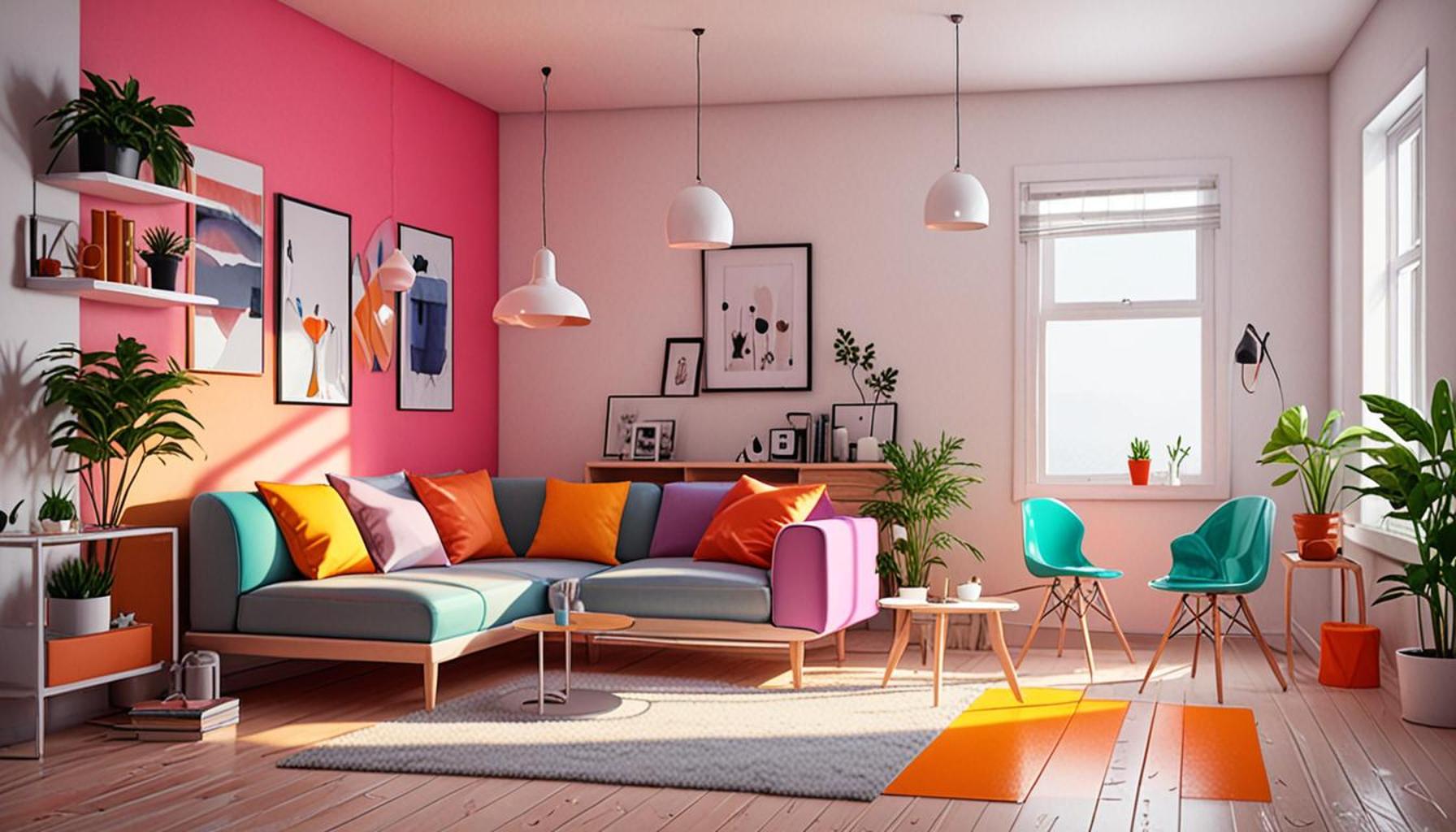
The relationship between minimalism and sustainability: creating efficient and ecological spaces

Exploring Minimalism and Sustainability
In recent years, the intertwined concepts of minimalism and sustainability have gained significant traction, becoming a focal point for many looking to mitigate their ecological impact. As awareness about environmental issues rises, individuals and communities are increasingly adopting a mindset that emphasizes the value of living simply. This shift isn’t just about decluttering; it’s a transformative lifestyle choice that encourages us to make conscious decisions about what we bring into our lives.
At the core of this relationship lies a commitment to reducing excess and fostering efficiency. Here are some key elements that illustrate the connection between minimalism and sustainability:
- Reduction of clutter: When we minimize physical possessions, we simultaneously minimize waste. For instance, a recent study by the National Association of Realtors found that homeowners spend an average of 55 minutes per week cleaning, often influenced by the volume of belongings. By adopting a minimalist approach, individuals can significantly reduce the time and resources spent on cleaning and maintaining properties.
- Mindful consumption: Choosing quality over quantity results in more sustainable purchasing decisions. When consumers opt for durable products over disposable ones, they inherently contribute to a decrease in the demand for single-use items. This shift can be seen in the rise of eco-conscious brands that emphasize the lifecycle of their products, such as Patagonia, which encourages customers to repair rather than replace, thereby extending the life of their items.
- Efficient use of resources: Minimalism encourages the design of living spaces that prioritize functionality over aesthetic excess. Small-space living solutions, such as multifunctional furniture and open-concept designs, illustrate how fewer materials can create more impactful, livable spaces. For example, innovative storage solutions enable individuals to maximize the utility of smaller homes while reducing the resources needed for larger spaces.
The Tiny House Movement in the United States epitomizes this trend, with many residents embracing small, efficient homes that often come with lower energy consumption and a smaller ecological footprint. These compact dwellings not only capture the essence of minimalism but also serve as a sustainable alternative in addressing housing crises and resource management. Alongside this movement, cities are exploring zoning regulations that encourage tiny home communities, blending social needs with environmental considerations.
Beyond just living arrangements, the principles of minimalism extend into various aspects of everyday life, including fashion and food. The slow fashion movement advocates for sustainable clothing choices, encouraging consumers to consider the ethical implications of their purchases, while minimalist meal planning aids in reducing food waste through the strategic use of ingredients. By simplifying lifestyle choices, individuals can contribute to a larger, collective impact.
Ultimately, as we delve deeper into the symbiotic relationship between minimalism and sustainability, we uncover innovative ways to create spaces and lifestyles that support both personal fulfillment and environmental responsibility. Embracing minimalism could indeed be a significant catalyst for a greener future, prompting us to reflect on our habits and the legacy we leave behind.
DISCOVER MORE: Click here for insights on mental well-being
Synergizing Space and Sustainability
The intersection of minimalism and sustainability unveils a compelling narrative about how we can live more harmoniously with our environment. As individuals become increasingly aware of their ecological footprints, a minimalist lifestyle emerges not just as a trend but as a profound philosophy that encourages careful consideration of resources. This approach reshapes our understanding of what it truly means to inhabit a space that fosters both well-being and environmental responsibility.
One foundational aspect of this relationship is the concept of intentionality. Minimalism invites individuals to evaluate their possessions and priorities. In doing so, it often results in the disposal of superfluous items that serve little purpose, ultimately leading to significantly reduced waste. According to the Environmental Protection Agency, Americans generated approximately 292.4 million tons of trash in 2018, a staggering figure that underscores the need for a cultural shift. Embracing minimalism can contribute to this change by encouraging more sustainable habits that significantly drop personal waste levels.
Moreover, mindful consumption is another critical component where minimalism and sustainability intersect. It promotes purchasing intentions that consider the environmental impact of products. For instance, instead of succumbing to fast fashion trends that proliferate clothes that are quickly discarded, minimalist consumers are more likely to invest in high-quality, durable clothing that stands the test of time. This approach is bolstered by the movement towards sustainable fashion, wherein brands such as Everlane and Eileen Fisher emphasize transparency, ethical production, and eco-friendly fabrics. By choosing to support such brands, consumers contribute to a broader culture of sustainability that champions responsible choices over disposable excess.
Applying these principles to our living spaces also invites a profound transformation. Efficient design that prioritizes functionality embraces the possibility of creating less expansive yet more useful environments. Multifunctional furniture serves as a prime example of this concept; items that serve dual purposes reduce the need for additional pieces, effectively streamlining living areas and minimizing the consumption of materials. In compact urban centers, this technique becomes increasingly relevant as real estate prices soar and sustainability comes to the forefront of design thinking.
- Adaptive Reuse: Elements of existing structures can be preserved and repurposed, minimizing the need for new materials.
- Natural Light Utilization: Designing spaces to harness natural light can reduce energy consumption, aligning minimalist aesthetics with sustainable choices.
- Low-Impact Development: Building smaller homes or eco-friendly structures fosters lower ecological footprints and reduced resource use.
In exploring the link between minimalism and sustainability, it becomes clear that the choices we make within our living environments resonate beyond personal satisfaction. They contribute to a larger movement toward creating efficient and ecological spaces that honor our planet’s resources. As individuals and communities gravitate towards these minimalist ideals, there lies a promise for a future where simplicity becomes synonymous with sustainability.
| Advantages | Details |
|---|---|
| Reduced Waste | Minimalism promotes the idea of owning fewer items, thus significantly lowering waste generation. Fewer possessions mean less material impact on the environment. |
| Energy Efficiency | Minimalist designs often emphasize natural light and ventilation, leading to reduced dependence on artificial lighting and climate control, making spaces more energy-efficient. |
The synergy between minimalism and sustainability offers a transformative approach to designing spaces that maximize ecological benefits while enhancing our quality of life. One captivating aspect is the concept of reduced waste, where minimalism encourages decluttering and conscious consumption. By owning fewer items, individuals contribute to less waste generation, fostering a cleaner environment and promoting a cycle of sustainability.Moreover, architectural minimalism champions energy efficiency through innovative design strategies. Utilizing natural light and optimizing airflow not only creates brighter living spaces but also lessens reliance on energy-consuming utilities. As we delve deeper into the relationship between minimalism and sustainability, it becomes evident that embracing these ideals leads to the creation of efficient and ecological spaces that resonate with the core values of environmental consciousness. Exploring this relationship further reveals new opportunities for integrating sustainable practices within modern design.
DISCOVER MORE: Click here to learn how decluttering can boost your well-being
The Role of Technology in Minimalist Sustainability
As digital innovation continues to shape our lives, technology emerges as a pivotal ally in the quest for sustainable minimalism. The integration of smart technology into our living spaces paves the way for streamlined operations correlating with a minimalist ethos. From smart thermostats that learn our heating preferences to energy-efficient appliances that significantly reduce consumption, technology facilitates a low-impact lifestyle while enhancing the convenience and efficiency of daily routines.
For example, utilizing smart home systems can optimize energy management by synchronizing lighting, heating, and cooling according to our habits and preferences. The Environmental Protection Agency indicates that household energy use accounts for about 12% of the total greenhouse gas emissions in the United States. By adopting technology that minimizes energy consumption, we can diminish our carbon footprints and foster a more sustainable home environment.
Additionally, technology supports smart organizational tools that help maintain a clutter-free space. Apps designed for inventory management allow individuals to track what they own, fostering a culture of mindful consumption. By utilizing these tools to minimize redundancy, users can curate their belongings to only encompass essential items, thereby aligning with minimalist principles. This approach directly correlates with sustainability, as fewer possessions often correlate with less energy spent on manufacturing, transporting, and disposing of goods.
Creating Community and Shared Spaces
Minimalism also encourages an appreciation for shared resources, extending to community practices that promote sustainable living. The rise of co-housing and communal living spaces makes strides toward creating efficient ecological environments. By sharing resources and limited common spaces, communities can significantly reduce their per capita ecological footprints. Co-housing arrangements encourage the pooling of resources like gardens, workshops, or communal kitchens, collectively promoting sustainability while minimizing individual consumption.
The concept of urban gardening is another testament to the synergy between minimalism and sustainability. Community gardens not only utilize underused spaces but also foster local food production, reducing food miles and associated greenhouse gas emissions. According to a report by the American Community Garden Association, over 6000 community gardens currently flourish across the United States, bringing together individuals in the spirit of cooperation while promoting healthier food choices. These gardens exemplify how minimalistic principles can imbue communities with ecological awareness and conscientious sustenance.
- Collaboration Over Possession: By fostering shared ownership of tools and equipment, communities can minimize personal inventories and the environmental impact of production.
- Education and Awareness: Hosting workshops on sustainable practices enables communities to learn and adopt minimalism and sustainability principles collaboratively.
- Support Local Initiatives: Supporting local businesses contributes to reduced transportation emissions and stimulates local economies.
Ultimately, the relationship between minimalism and sustainability is a dynamic tapestry woven from the threads of intentional living, technological innovation, and community collaboration. As these elements intertwine, they create pathways toward ecological awareness, efficient spaces, and a mindful approach to how we inhabit our world. This evolving narrative invites individuals and communities alike to engage in practices that honor both simplicity and sustainability, fostering a future that champions ecological consciousness.
DISCOVER MORE: Click here for practical productivity tips
Conclusion
The intricate relationship between minimalism and sustainability presents a compelling framework for creating efficient and ecological spaces that resonate with contemporary environmental needs. At its core, minimalism advocates for a life less encumbered by excess, promoting intentional consumption and thoughtful living. This ethos aligns seamlessly with sustainability, as it encourages individuals to prioritize quality over quantity—whether in possessions, energy use, or community resources.
As explored throughout this article, the infusion of technology into our everyday lives dramatically enhances our ability to live sustainably with minimal impact. From energy management systems to smart organizational tools, tech innovations empower individuals to streamline their lives and reduce their carbon footprints. Further, community-driven initiatives like co-housing and urban gardening exemplify the beautiful synergy between minimalism and sustainability, fostering collaboration over possession and creating shared spaces that enrich communal living.
As we move towards a more eco-conscious future, the principles of minimalism can pave the way for a healthier planet. By embracing a mindset that favors mindful living, efficient use of resources, and community-oriented practices, we can collectively challenge the consumerist status quo. This journey towards sustainable minimalism invites us all to rethink how we occupy space, urging us to create environments that reflect our values and promote collective well-being. The path to an ecological future lies in simplicity—one thoughtful choice at a time.