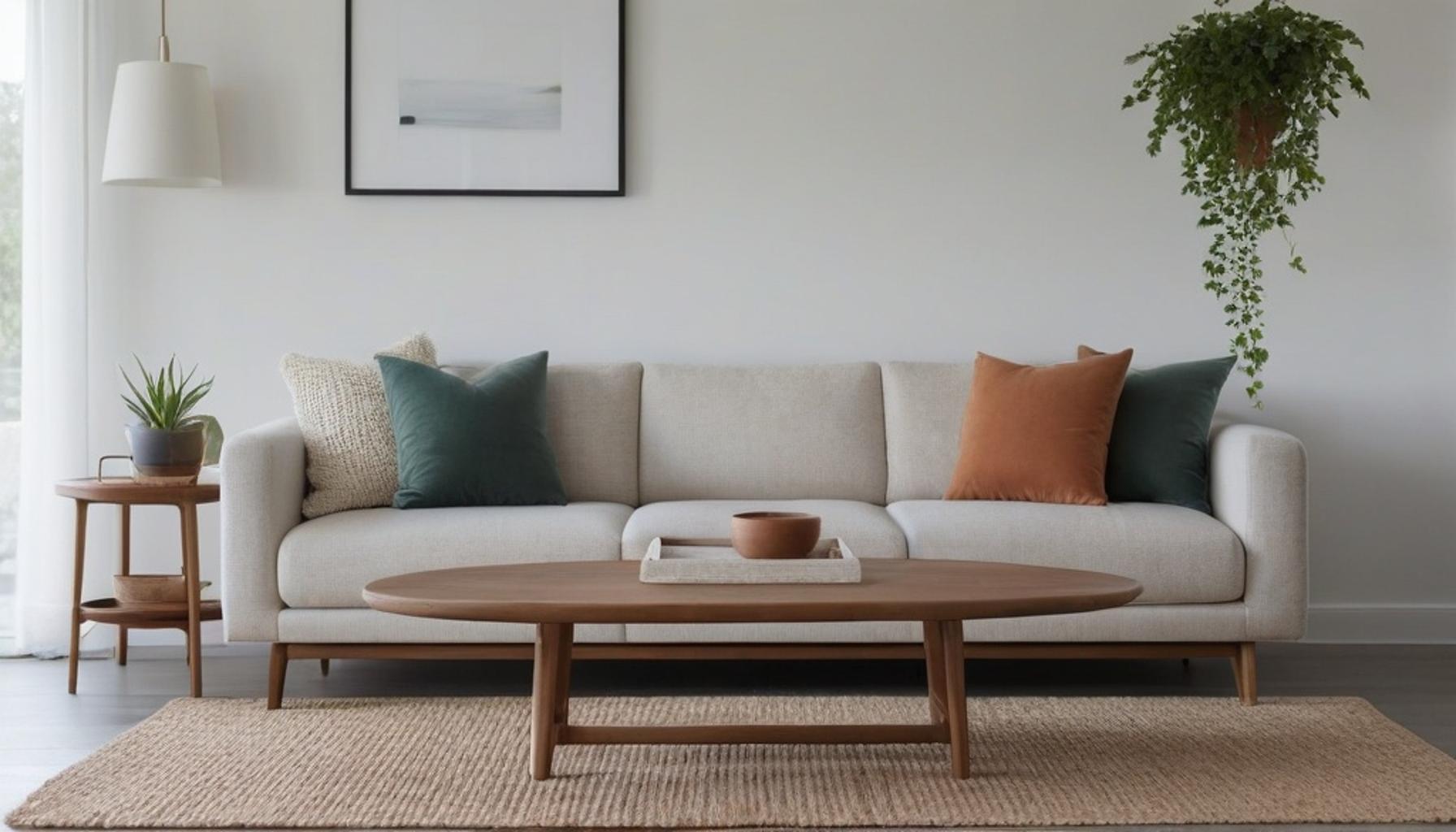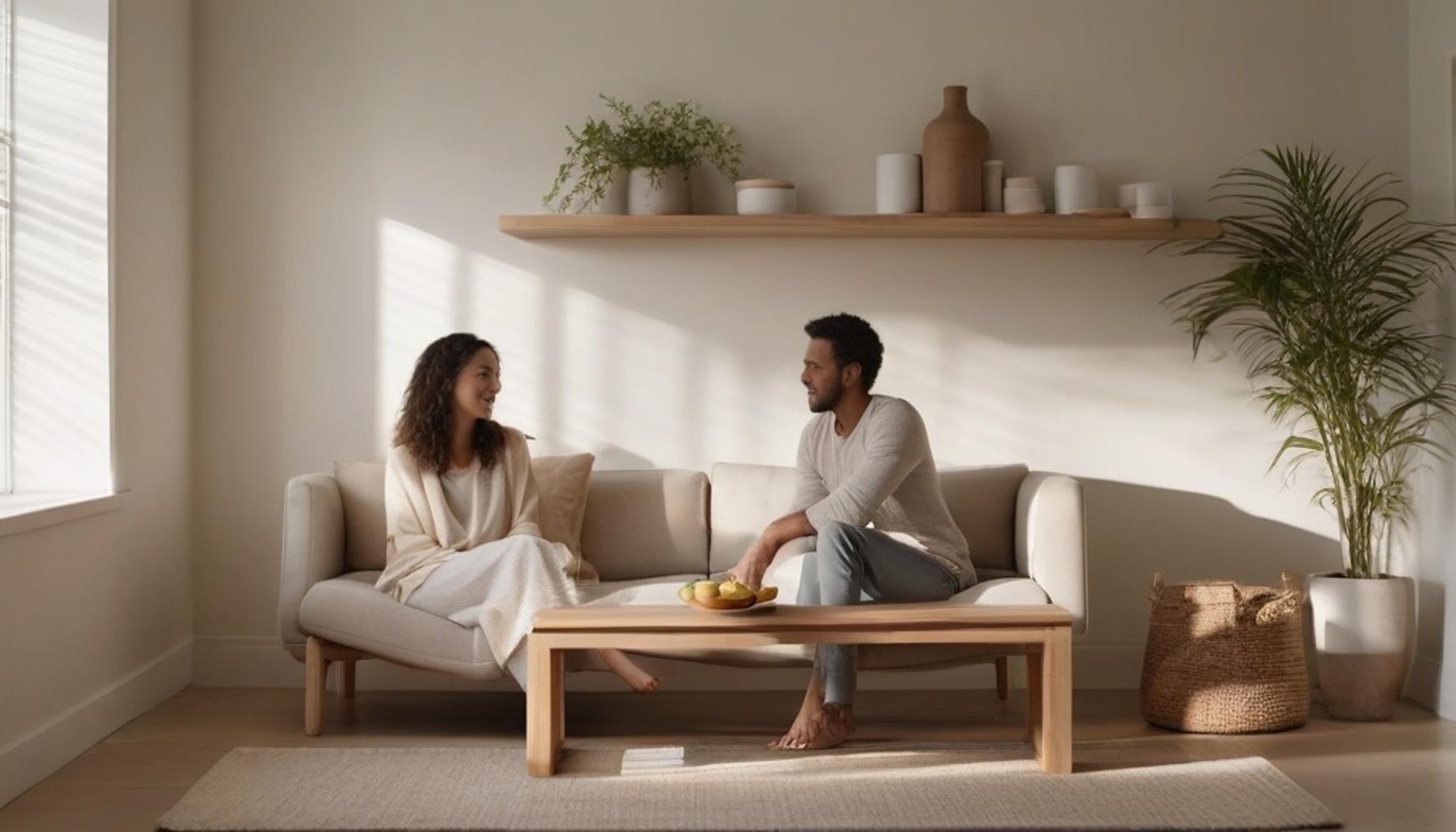
How Intentional Living Can Transform Your Space and Your Mind
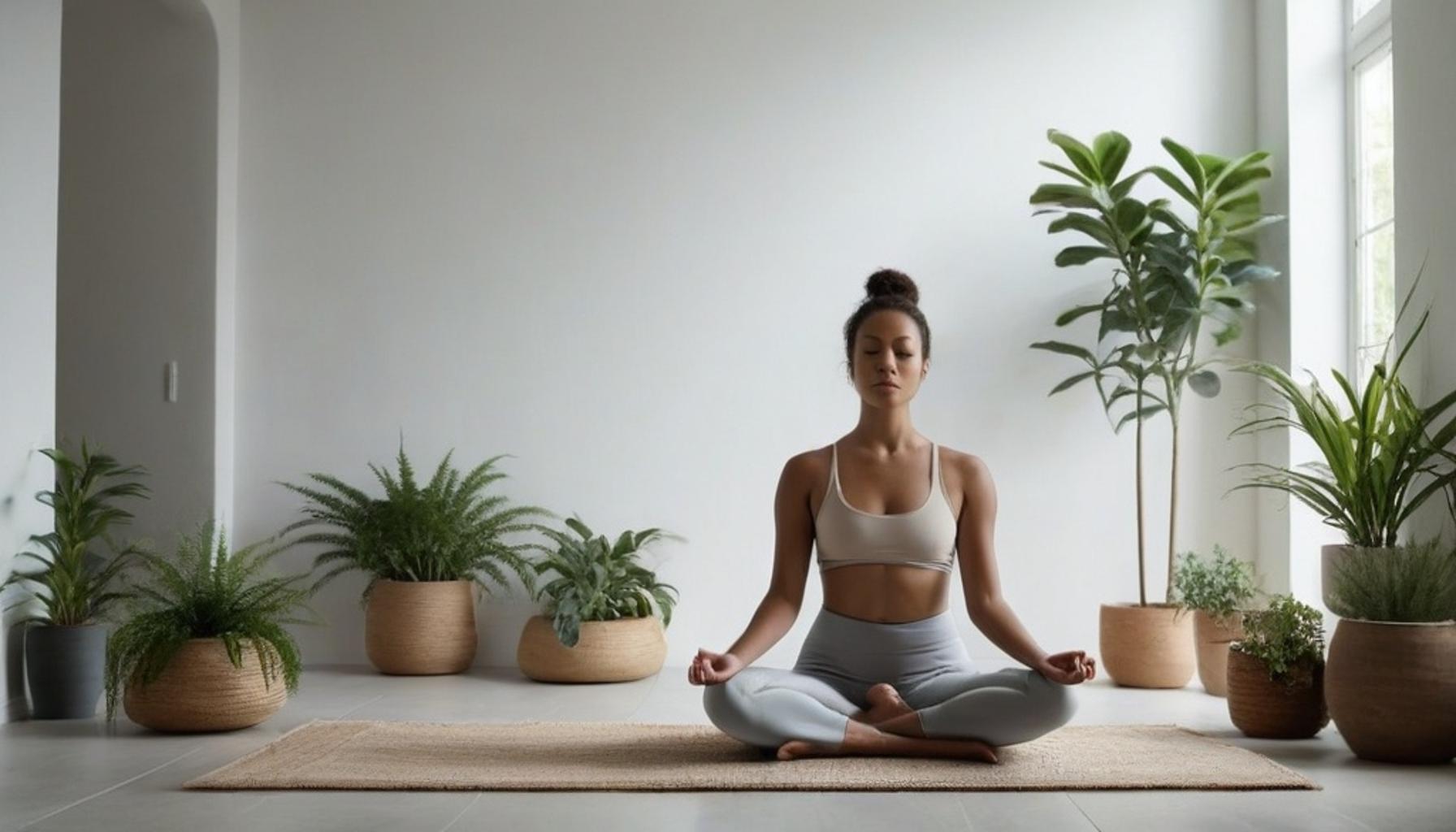
Rethinking the Way You Live, One Room at a Time
The average American home contains over 300,000 items, according to the LA Times. That staggering figure sheds light on the sense of overwhelm that many experience the moment they step inside their own front door. This accumulation can lead to visual chaos and mental clutter, ultimately contributing to increased stress levels in daily life.
Intentional living offers a refreshing alternative to this cluttered reality. Instead of merely accumulating more possessions, it encourages individuals to ask a pivotal question: does this object, habit, or commitment actually serve your life? Intentional living asks you to evaluate each element in your life, ensuring that it contributes positively to your overall well-being.
Why This Lifestyle Shift Is Gaining Momentum
From the tiny homes that dot the Oregon landscape to the minimalist apartments nestled in the bustling streets of New York City, Americans are actively rethinking what “enough” truly means. This shift is not just a fleeting design trend; rather, it’s a reaction to widespread feelings of anxiety and the pressures that accompany modern life. As more individuals seek refuge from the chaos of overly stimulating environments, the principles of intentional living offer a beacon of clarity.
- Decluttering your space can significantly lower cortisol levels, a hormone associated with stress, especially linked to visual chaos.
- Mindfulness in living encourages individuals to embrace slower, more deliberate daily choices, fostering an overall sense of calm.
- Creating a peaceful environment not only enhances better sleep but also promotes improved focus and productivity during waking hours.
- By having fewer possessions, individuals often experience a reduction in daily decisions, leading to decreased mental fatigue and heightened cognitive clarity.
The benefits of intentional living extend far beyond simply tidying up shelves or clearing countertops. Research suggests that simplifying physical spaces can directly influence emotional regulation and cognitive clarity, creating a more serene internal landscape.
What This Article Will Explore
This guide is designed to break down how to transform your living space, room by room, backed by actionable strategies rather than abstract inspiration. Readers will discover specific techniques for decision-making, methods for letting go of clutter, and guidelines for designing environments that genuinely support their well-being. Imagine a living room that fosters relaxation, a kitchen that invites creativity, or a home office that enhances productivity.
Whether the ultimate goal is to cultivate a calmer living environment or to achieve a clearer mind, engaging with the principles of intentional living provides a clear, tangible framework. It isn’t just another lifestyle buzzword; it represents a fundamental shift toward a more thoughtful approach to the spaces we inhabit.
LEARN MORE: The Minimalist Mindset: Simplifying Your Home and Life with Efficient Storage Hacks
# The Psychology Behind Clutter and CalmWalk into any American garage on a Saturday morning, and you’ll likely find bins of forgotten holiday decorations, outgrown sports equipment, and boxes labeled “miscellaneous” that haven’t been opened in years. This scene repeats itself across millions of households, revealing something deeper than a simple storage problem.Neuroscientists at Princeton University found that visual clutter competes for attention in the brain, making it measurably harder to focus and process information efficiently. Every item left unaddressed sends a subtle signal to the nervous system that there’s unfinished business demanding attention.
How Physical Space Shapes Mental State
The connection between environment and emotion isn’t just anecdotal. When researchers study the benefits of intentional living, they consistently find that reducing physical clutter correlates with lower anxiety scores and improved mood stability.
This happens because the brain processes a cluttered room similarly to how it processes an unfinished to-do list. Each object represents a micro-decision waiting to happen: should this stay, go, or be dealt with later? Multiply that by hundreds of items, and the cognitive load becomes exhausting before a person even leaves the house.
- A Cornell University study found that women living in cluttered homes had higher levels of cortisol throughout the day compared to those in tidy environments.
- Cluttered spaces have been linked to procrastination and avoidance behaviors, as overwhelming environments make starting tasks feel more difficult.
- Simplified spaces support better emotional regulation, giving the brain fewer visual triggers to process at once.
- Homes with organized, purposeful layouts tend to promote longer, more restorative sleep cycles.
Small Changes, Measurable Results
Transforming a space doesn’t require a complete renovation or an expensive redesign. Decluttering your space can start with something as simple as clearing a single kitchen counter or organizing one drawer at a time.
The results often appear faster than expected. Many people report feeling calmer within days of removing excess items from high-traffic areas like entryways, kitchens, and bedrooms, the spaces where daily stress tends to accumulate most.
This is where mindfulness in living becomes practical rather than theoretical. Instead of asking how to fit more storage solutions into a home, intentional living asks a different question: what can be removed to create breathing room, both physically and mentally?
| Key Aspect | Description |
|---|---|
| Mindful Decluttering | Intentional living emphasizes the importance of removing unnecessary items, leading to a peaceful and organized space that nurtures clarity and reduces stress. |
| Creating Comfortable Spaces | Curating your environment with thoughtfully chosen elements enhances comfort and promotes a sense of well-being. This aids in productivity and encourages healthy habits. |
| Mindfulness in Daily Living | Fostering an attitude of awareness and presence in everyday activities connects you to your space, enriching experiences and bolstering mental health. |
| Benefits of Intentional Choices | Engaging in intentional living fosters a deeper connection to your personal values, resulting in fulfilling experiences and enhanced well-being. |
SEE ALSO: Maximizing Space: Smart Storage Solutions for a Clutter-Free Minimalist Home
The Ripple Effect: From Physical Order to Mental Clarity
Once the initial clutter clears, something unexpected happens. The benefits of intentional living extend far beyond tidy shelves and empty countertops, reaching into decision-making patterns, relationships, and even financial habits.
Why Fewer Possessions Lead to Better Decisions
Consumer psychologists refer to this phenomenon as decision fatigue. The average American home contains roughly 300,000 items, according to estimates from professional organizing associations. Each one represents a potential decision point throughout the day.
Sheena Iyengar, a behavioral scientist at Columbia Business School, has spent years studying choice overload. Her research suggests that too many options, whether in a grocery aisle or a stuffed closet, can paralyze decision-making rather than enhance it. Intentional living reduces that overload by limiting choices to only what genuinely serves a purpose.
- Fewer clothing options in a closet have been shown to speed up morning routines and reduce decision-related stress before work.
- Simplified kitchens with fewer gadgets often lead to healthier cooking habits, since accessible, uncluttered counters make meal prep less daunting.
- Households practicing intentional consumption report lower monthly spending, largely due to more mindful purchasing decisions.
Creating a Peaceful Environment Room by Room
Interior designers increasingly incorporate principles borrowed from mindfulness practices when helping clients transform their space. This isn’t about minimalism for its own sake, but about intention behind every object that remains.
A bedroom designed for rest, for example, might eliminate electronics, excess furniture, and visual noise entirely. A home office might keep only tools directly tied to productivity, removing anything that triggers distraction.
The city of San Francisco has seen a rise in “capsule home” consulting services, where professionals help residents identify which items truly add value to daily life. Clients frequently describe the process as unexpectedly emotional, since letting go of possessions often means confronting memories, obligations, and even guilt tied to gifts or inherited items.
This emotional layer is precisely why mindfulness in living matters. Intentional living isn’t simply a design trend; it’s a practice that asks people to slow down and evaluate what actually contributes to their well-being, rather than what has simply accumulated over time.
Rethinking What Home Really Means
The evidence keeps pointing in one direction: intentional living is not a fleeting design trend but a measurable shift in how people experience their daily lives. From decision fatigue research to capsule home consulting, the data suggests that what surrounds us shapes how we think, choose, and feel.
Throughout this discussion, a clear pattern emerges. Decluttering your space is rarely just about aesthetics. It’s about removing friction, whether that means fewer choices in a closet or fewer distractions on a desk. The benefits of intentional living extend into wallets, schedules, and even relationships, since households that consume mindfully often report less financial stress and more time for what matters.
A Practice, Not a Finish Line
Perhaps the most important takeaway is that intentional living resists completion. There’s no final decluttered state where the work simply stops. Instead, it becomes an ongoing habit of questioning: does this object, this commitment, this routine still serve a purpose?
That question, repeated over time, is what makes creating a peaceful environment sustainable rather than temporary. A home organized once but never reassessed tends to drift back toward accumulation. One reassessed regularly stays aligned with the life actually being lived in it.
Where to Go From Here
Readers curious about applying these principles might start small: a single drawer, one shelf, or a week of tracking unnecessary purchases. Behavioral researchers note that small, consistent changes often outperform dramatic overhauls, since they build habits rather than relying on short bursts of motivation.
Ultimately, mindfulness in living offers something increasingly rare in modern life: a sense of control over an environment shaped by deliberate choice rather than default accumulation. Whether that means an empty countertop or a quieter mind, the transformation tends to begin the moment intention replaces habit.
Frequently Asked Questions
What are the first steps to start practicing Intentional Living in my home?
To start practicing Intentional Living in your home, begin by decluttering your space and removing items that no longer serve a purpose or bring you joy. Foster a mindful environment by choosing decor and furnishings that reflect your values and aspirations, ensuring that every item has significance in your life.
How does Intentional Living impact my mental health?
Intentional Living positively affects mental health by promoting mindfulness and reducing stress. By creating a clutter-free, purpose-driven living space, you can find more clarity and joy in your surroundings, leading to a more balanced and fulfilling life.
Can Intentional Living techniques be applied to small apartments?
Absolutely! Intentional Living techniques work well in small apartments by encouraging you to make the most of limited space. Focus on multifunctional furniture, minimalistic decor, and organized storage solutions to create a serene environment that reflects your intentions and lifestyle.
What are some daily practices I can adopt to maintain Intentional Living?
To maintain Intentional Living, incorporate daily practices such as setting aside time for reflection or journaling about your goals. Additionally, designate specific times to declutter or reorganize your space, ensuring that it evolves in a way that continues to serve your needs and intentions.
How can I balance my family’s needs with my Intentional Living goals?
Balancing your family’s needs with Intentional Living goals involves open communication and compromise. Involve your family in discussions about creating intentional spaces together and ensure everyone’s voices are heard when making decisions about what to keep and how to organize shared areas.
Is Intentional Living only about physical spaces, or does it encompass other areas of life?
Intentional Living extends beyond physical spaces, encompassing your mindset, relationships, and daily habits as well. It involves making mindful choices that align with your values and goals, leading to a more meaningful and purpose-driven life overall.

Beatriz
Beatriz Johnson is a seasoned minimalist and writer with a passion for simplifying the complexities of personal organization and intentional living. With over a decade of experience in decluttering strategies and mindful consumption, she specializes in topics like space optimization, habit simplification, and sustainable lifestyle choices. Through her work on our website, Beatriz empowers readers to embrace minimalism, reduce mental and physical clutter, and create more meaningful, organized lives in today's fast-paced world.