Creating Functional Spaces: Organizing Your Home for a Simplified Lifestyle
Why Your Home Deserves a Functional Reset
The average American household contains over 300,000 items, according to organizational experts, yet most families only use a fraction of them regularly. This staggering number highlights a fundamental disconnection between our possessions and our actual needs. The growing clutter epidemic has led to a nationwide movement toward simplified lifestyle organization, where homeowners are reassessing the role of each item in their daily lives.
This trend spans various environments, from compact urban apartments in cities like Chicago to expansive family homes in suburban Texas. Homeowners are now more thoughtful about how their spaces function and are eager to optimize every square foot, especially in light of rising housing costs and a cultural shift toward minimalism.
The Real Cost of Clutter
Disorganization is more than just an eyesore; it has measurable consequences that impact our lives in various ways. For instance, the average person spends around 2.5 days per year searching for misplaced items. Consider how much more productive, relaxed, or simply happier one might feel if those hours were reclaimed!
- Increased stress and anxiety are often tied to chaotic environments. A cluttered home can be a constant source of distraction, contributing to feelings of overwhelm and frustration.
- Financial implications also loom large. Wasted money on duplicate purchases and ineffective storage solutions occurs frequently when items are buried under mounds of clutter.
- Lastly, the functionality of a home, especially in multi-purpose rooms, is compromised by disorganization, making it difficult for families to gather, work, or enjoy free time together.
Understanding these hidden costs makes a compelling case for intentional change in the way we organize our homes.
What This Guide Will Cover
Organizing your home doesn’t necessarily require a full renovation or significant expenditure. Instead, effective organization begins with strategic thinking about how each space serves your daily life and the needs of each family member.
This article will explore practical, room-by-room strategies for:
- Decluttering your home using sustainable methods, such as the popular KonMari Method, which encourages discarding items that do not spark joy.
- Creating functional living spaces that can easily adapt to your family’s changing needs, be it converting a home office into a playroom or designing flexible storage solutions.
- Implementing space-saving ideas that work for both small and large homes alike, such as multifunctional furniture or vertical storage solutions.
- Building systems that maintain order long-term, incorporating habits that promote tidiness and discourage clutter accumulation.
Whether you find yourself downsizing, working from home, or simply wishing for more breathing room in your life, these home organization tips will offer a clear path forward, helping you create a sanctuary that reflects your lifestyle and values.
RECOMMENDED: Functional Design: How Minimalist Furniture and Smart Storage Can Transform Your Workspace
Assessing Your Home Before You Organize
Successful organizing your home begins not with bins, shelves, or even a shopping spree at The Container Store, but rather with a thoughtful observation of your current space. Undertaking a comprehensive audit of how each room is used versus how you imagine they should function is essential. This assessment serves as the backbone of any simplified lifestyle organization plan and helps avoid the common pitfall of investing in storage solutions without a clear understanding of your true needs.
Professional organizers often suggest dedicating a full week to monitor and document the usage patterns of different rooms. You may find that your “formal dining room” hasn’t hosted a meal in months, while the kitchen counter has morphed into an overwhelming repository for mail, keys, and kids’ homework. Such observations can shed light on where your functional living spaces have fallen short of your expectations, revealing opportunities for improvement and organization.
Identifying Zones for Everyday Life
Every home, regardless of its size, can significantly benefit from establishing distinct activity zones. This concept, rooted in commercial space planning, can optimize the functionality of even the tightest city apartments as well as expansive suburban homes.
- Entry zones are crucial for managing shoes, bags, and outerwear. Creating a designated area with hooks and bins can prevent the chaotic pile-up that often occurs near the front door.
- Work zones should offer dedicated surfaces for handling bills, completing homework, or managing remote work tasks, clearly separated from areas meant for relaxation. This helps foster productivity.
- Storage zones benefit from being positioned near the areas where items are actually used, rather than hidden away in distant closets. For example, placing cleaning supplies under the kitchen sink rather than in a far-off utility room makes it easier to maintain tidiness.
- Rest zones, especially in bedrooms, must be safeguarded from clutter. Visual chaos can severely disrupt sleep quality, and preserving a calming environment is critical for restful nights.
According to a 2022 survey conducted by the National Association of Productivity and Organizing Professionals, households that maintain clearly defined zones report spending 34% less time on daily tidying compared to those lacking designated spaces. This statistic highlights the efficiency that effective organization can bring to your daily routine, freeing up more time for the activities that matter most.
Common Trouble Spots in American Homes
Certain areas of the house continually present organizational challenges for many Americans. For instance, garages, originally designed for vehicles, frequently transform into makeshift storage units overflowing with holiday decorations, sports equipment, and discarded furniture. This can lead to a less functional space that fails to serve its intended purpose.
Kitchen pantries also commonly suffer from chaos, often holding expired goods and duplicate purchases, a direct consequence of disorganization rather than a genuine excess of items. This not only wastes food but can also make meal preparation burdensome. Similarly, the rise of home offices—now an integral part of millions of homes since the shift to remote work during the pandemic—often reveals inadequacies. Many lack appropriate storage and workflow systems to manage paperwork, technology, and office supplies.
Recognizing these troubling patterns early in your organizing journey can be pivotal. Identifying areas that consistently create stress can inform your decluttering strategy, allowing you to implement home organization tips that yield lasting results. Once you’ve mapped out the genuine use of your home, the next step will involve intentionally decluttering your home, which transcends merely discarding unwanted items.
In doing so, you will cultivate a space that genuinely supports your lifestyle and reflects your needs, leading to a more harmonious home environment.
| Category | Description |
|---|---|
| Functional Living Zones | Establishing designated areas for specific activities enhances productivity and simplifies daily routines in your home. |
| Decluttering Techniques | Implementing systematic methods to eliminate unnecessary items ensures a serene environment and reduces stress, contributing to a simplified lifestyle. |
| Space-Saving Ideas | Utilizing multifunctional furniture and creative storage solutions maximizes space and declutters your living areas. |
| Home Organization Tips | Adopting innovative organizational strategies transforms chaos into harmony, allowing for a peaceful living environment. |
RECOMMENDED: The Art of Decluttering: Techniques for Creating an Organized and Stress-Free Living Environment
Decluttering Your Home with Purpose and Strategy
Once the assessment phase reveals where your home is falling short, the real work begins. Decluttering your home is not simply about hauling bags to the donation center; it requires a methodical approach that distinguishes between items that add value to your life and those that merely occupy space. The goal is to create room, both physically and mentally, for what truly matters. An unorganized environment can contribute to stress and anxiety, which is why adopting a strategic approach to decluttering can lead to a more peaceful and efficient home.
The popular “one year rule” offers a practical starting point: if an item hasn’t been used or worn within twelve months, it likely deserves reconsideration. This rule serves as a useful guideline, yet it is essential to account for various factors such as sentimental attachments, holiday decorations, or seasonal equipment. For instance, while holiday ornaments may spend most of the year in storage, they hold significant emotional value for many families and should be given careful thought before getting tossed out. Similarly, seasonal equipment like snow shovels in Minnesota or beach gear in Florida should not be judged solely by their annual usage, but rather by their relevance to your lifestyle and regional living conditions.
The Four-Box Method and Beyond
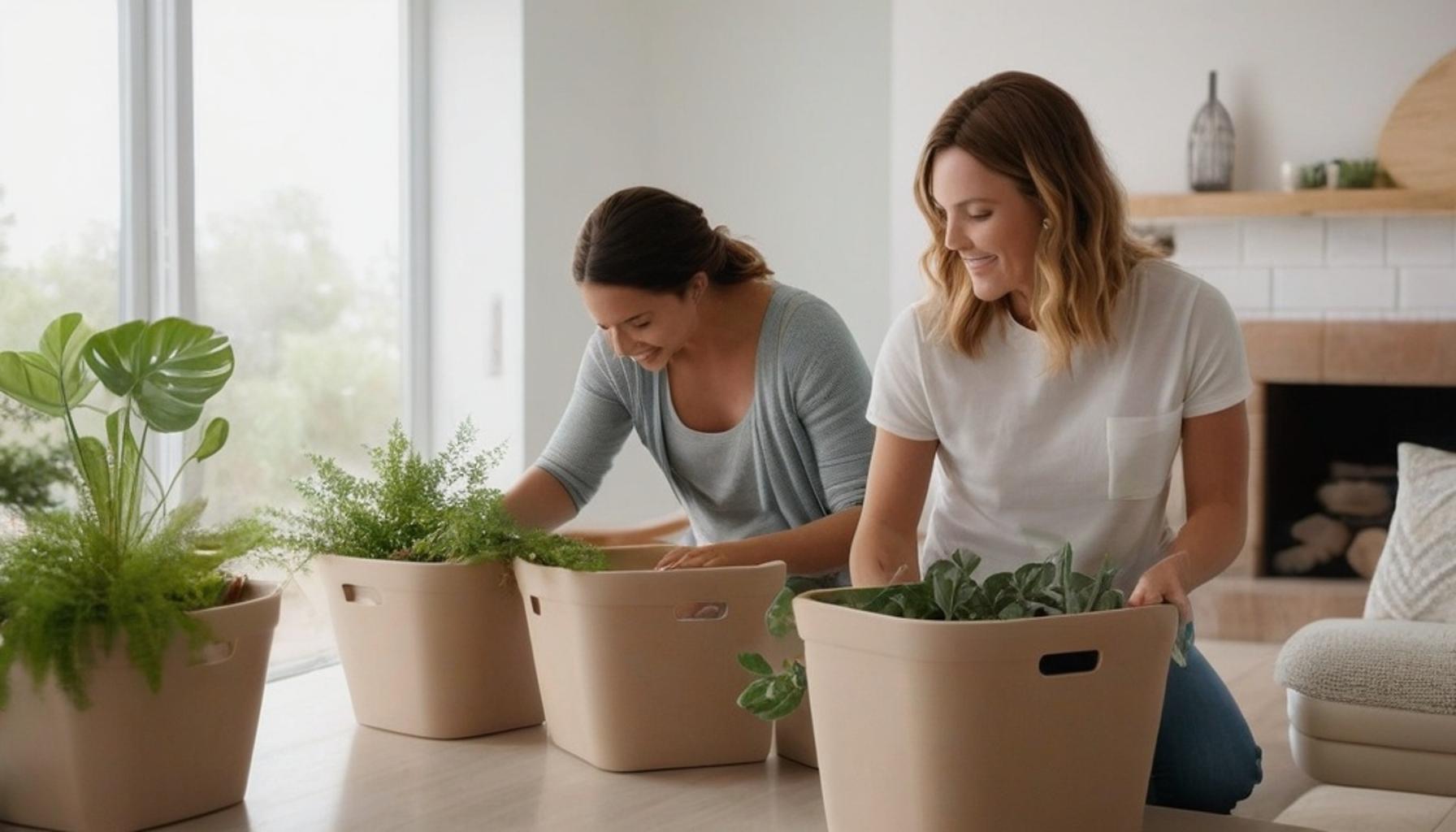
Professional organizers frequently recommend the four-box method as an accessible entry point into simplified lifestyle organization. This technique involves sorting belongings into four clear categories: keep, donate, relocate, and discard. By compartmentalizing items this way, the task of decluttering becomes less overwhelming and more manageable.
- Keep items are those used regularly and stored in their designated zone—think of tools in a garage or kitchen utensils in a drawer. Everything should have a specific place that makes sense.
- Donate items remain functional but no longer serve your household needs, making them perfect candidates for local charities like Goodwill or Habitat for Humanity ReStores. Donating can also give a sense of fulfillment and connection to the community.
- Relocate items that belong in your home but are currently in the wrong room. For example, a hallway closet filled with kitchen gadgets would benefit from relocation to the kitchen, improving accessibility and organization.
- Discard items that are broken, expired, or beyond repair should be responsibly disposed of or recycled. This includes things like outdated electronics or clothes with significant wear and tear, which can take up valuable space.
A 2021 study published by the American Cleaning Institute found that the average American household contains over 300,000 individual items, ranging from paperclips to furniture. Such a staggering figure underscores the necessity of tackling clutter room by room, rather than attempting an entire home overhaul in one weekend. Gradually decluttering allows for a more thoughtful approach, resulting in sustainable organization that lasts.
Space-Saving Ideas That Actually Work
Once clutter has been addressed, implementing practical space-saving ideas is crucial to ensuring that your newly organized areas remain functional over time. Vertical storage solutions, such as wall-mounted shelving and over-the-door organizers, allow homeowners to take full advantage of often-overlooked space. This can be particularly invaluable in smaller homes and apartments characteristic of urban environments like New York or San Francisco, where every square inch counts.
Multi-purpose furniture also plays a significant role in modern functional living spaces. For instance, ottomans that offer hidden storage can serve dual purposes, acting as both seating and storage. Beds with built-in drawers provide ample space for linens or out-of-season clothing, while expandable dining tables accommodate both intimate family meals and larger gatherings without necessitating excess furniture. Such innovations maximize square footage without compromising on style or comfort.
Labeling systems, whether handwritten notes or professional-grade labels produced by a label maker, can dramatically enhance household organization. Clear labels reinforce order by ensuring that every family member understands where items belong. This small addition to your home organization tips arsenal can substantially reduce the time spent searching for misplaced belongings, ultimately reinforcing the habits necessary for long-term success and peace of mind.
Building a Home That Works for You, Long After the Boxes Are Gone
Organizing your home is not a weekend project that ends once the last donation box leaves the driveway. It is an ongoing relationship between the spaces you occupy and the life you actually live. As this exploration into decluttering your home and reimagining storage has shown, the real transformation happens when systems are designed to adapt alongside your household’s evolving needs.
The statistics speak for themselves. With the average American home holding over 300,000 items, it becomes clear that clutter is rarely a one-time issue; it is a habit that must be continually managed. The four-box method, thoughtful furniture choices, and strategic labeling are not just quick fixes but foundational tools for sustaining functional living spaces well into the future.
What often gets overlooked, however, is that simplified lifestyle organization is deeply personal. A family in a compact San Francisco apartment will approach space-saving ideas differently than a household in a sprawling Texas ranch home. Climate, lifestyle, and even regional storage needs, such as ski gear in Colorado versus hurricane supplies in Florida, all shape what functional truly means for each homeowner.
Looking ahead, consider revisiting your organizational systems every few months rather than waiting for clutter to reach a breaking point. Small, consistent check-ins prevent the overwhelming buildup that so often leads to stress.
Ultimately, the most valuable home organization tips are the ones tailored to your unique routines and revisited regularly. A truly organized home does not just look tidy; it functions seamlessly, supporting a simpler, more intentional way of living for years to come.
Frequently Asked Questions
What are some effective strategies for organizing my home office to boost productivity?
To organize your home office effectively, start by decluttering your workspace and removing unnecessary items. Use storage solutions like file organizers, bins, and shelves to keep documents and supplies in order. Additionally, create designated areas for different tasks, and ensure your workspace is ergonomic to enhance comfort and productivity.
How can I utilize small spaces efficiently when organizing my home?
When working with small spaces, consider multi-functional furniture, such as ottomans with storage or foldable desks. Use vertical space by installing shelves or hooks to free up floor area. Lastly, regularly assess your belongings and donate or discard items you no longer use to maintain a clutter-free environment.
What tips can help me maintain an organized kitchen for everyday use?
To maintain an organized kitchen, start by grouping similar items together—such as utensils, pots, and dry goods. Invest in drawer dividers and shelf risers to maximize space, and label containers for easy identification. Regularly evaluate your pantry and fridge to discard expired items, ensuring everything stays in its designated spot.
How do I approach organizing my children’s playroom without creating chaos?
Organizing a children’s playroom can be manageable by categorizing toys into separate bins based on type or age group. Use clear storage containers so kids can easily see their toys and return them after play. Implement a routine to regularly declutter and rotate toys, keeping the space fresh and engaging while reducing overwhelm.

Beatriz
Beatriz Johnson is a seasoned minimalist and writer with a passion for simplifying the complexities of personal organization and intentional living. With over a decade of experience in decluttering strategies and mindful consumption, she specializes in topics like space optimization, habit simplification, and sustainable lifestyle choices. Through her work on our website, Beatriz empowers readers to embrace minimalism, reduce mental and physical clutter, and create more meaningful, organized lives in today's fast-paced world.