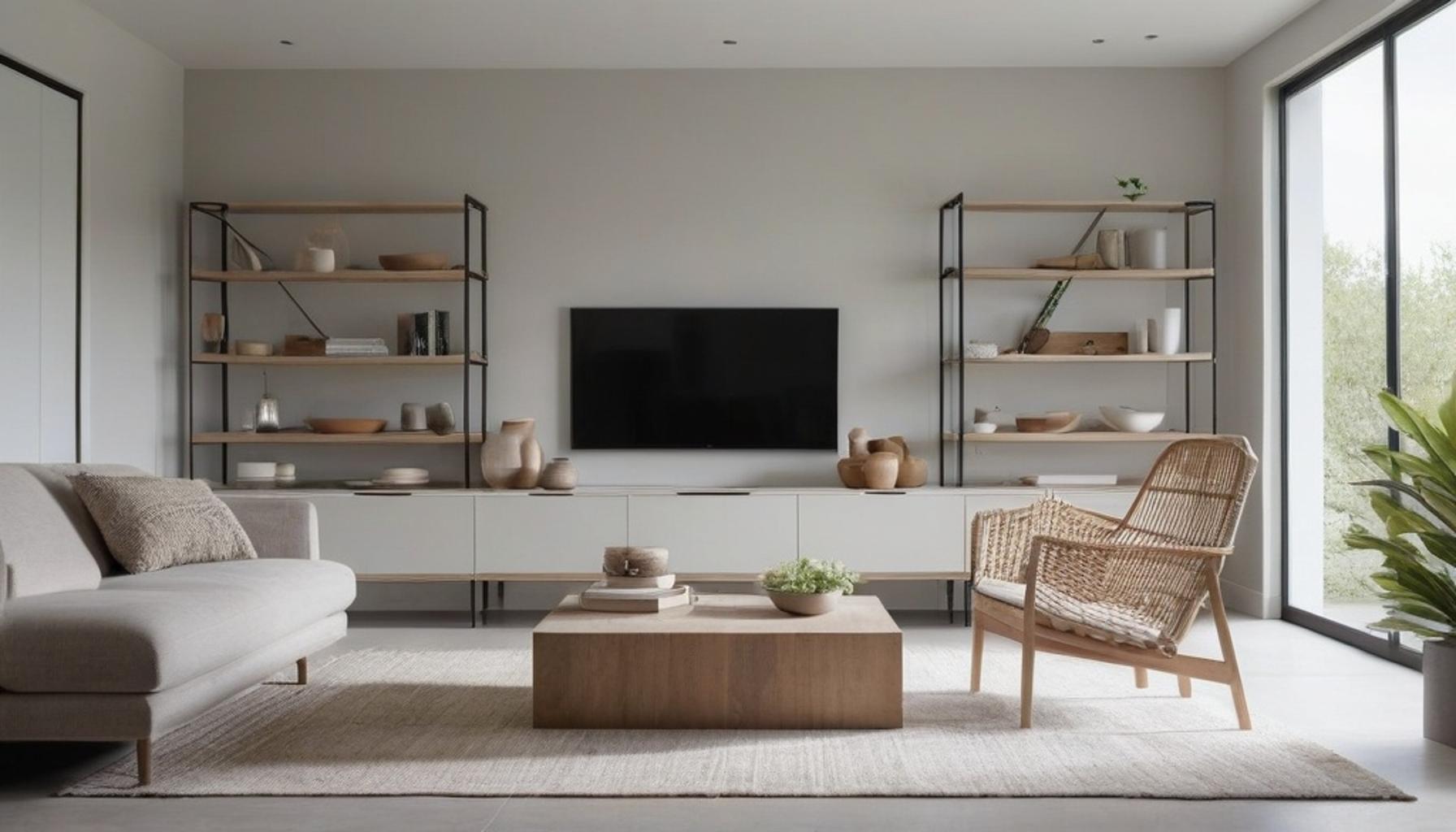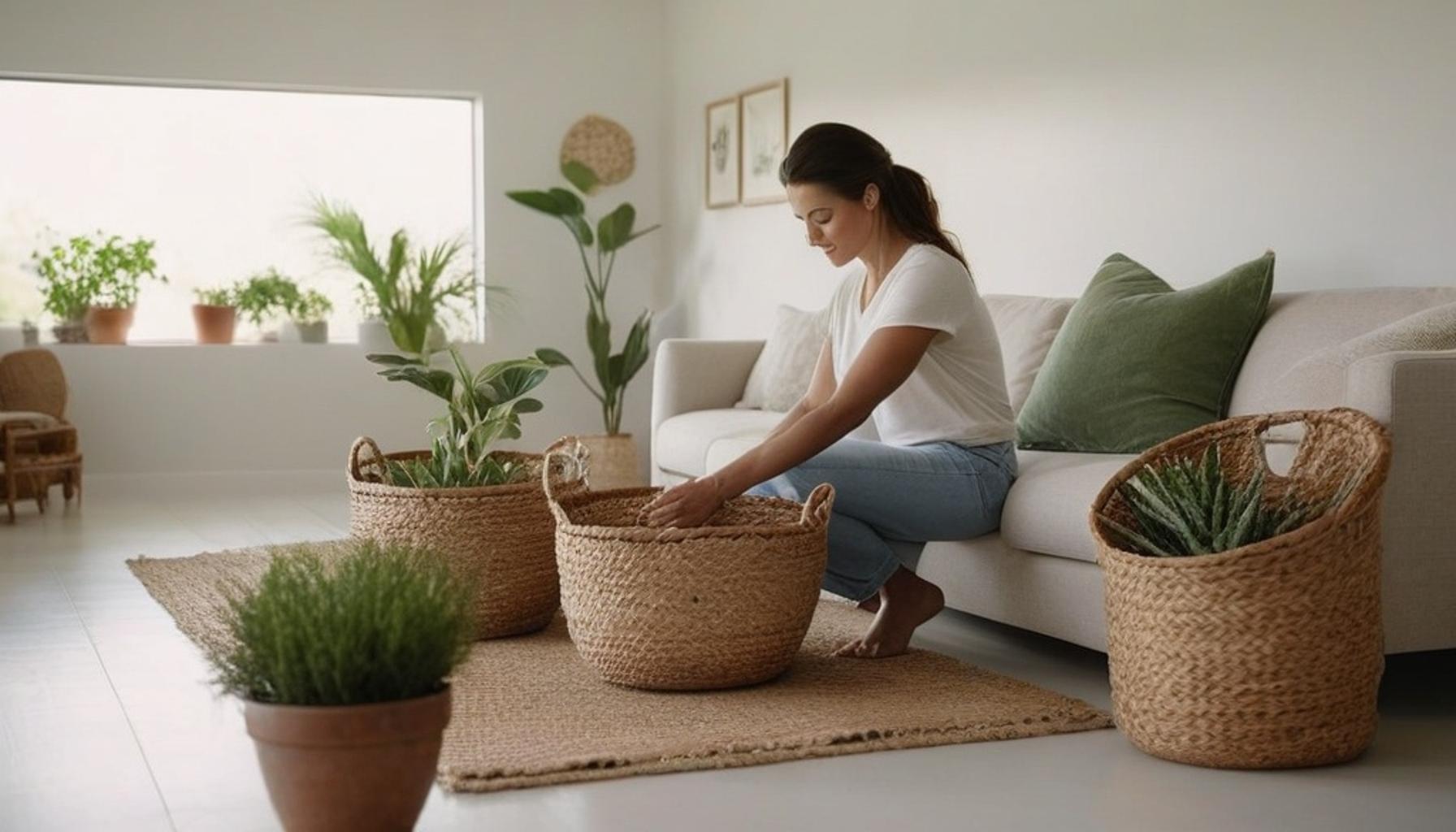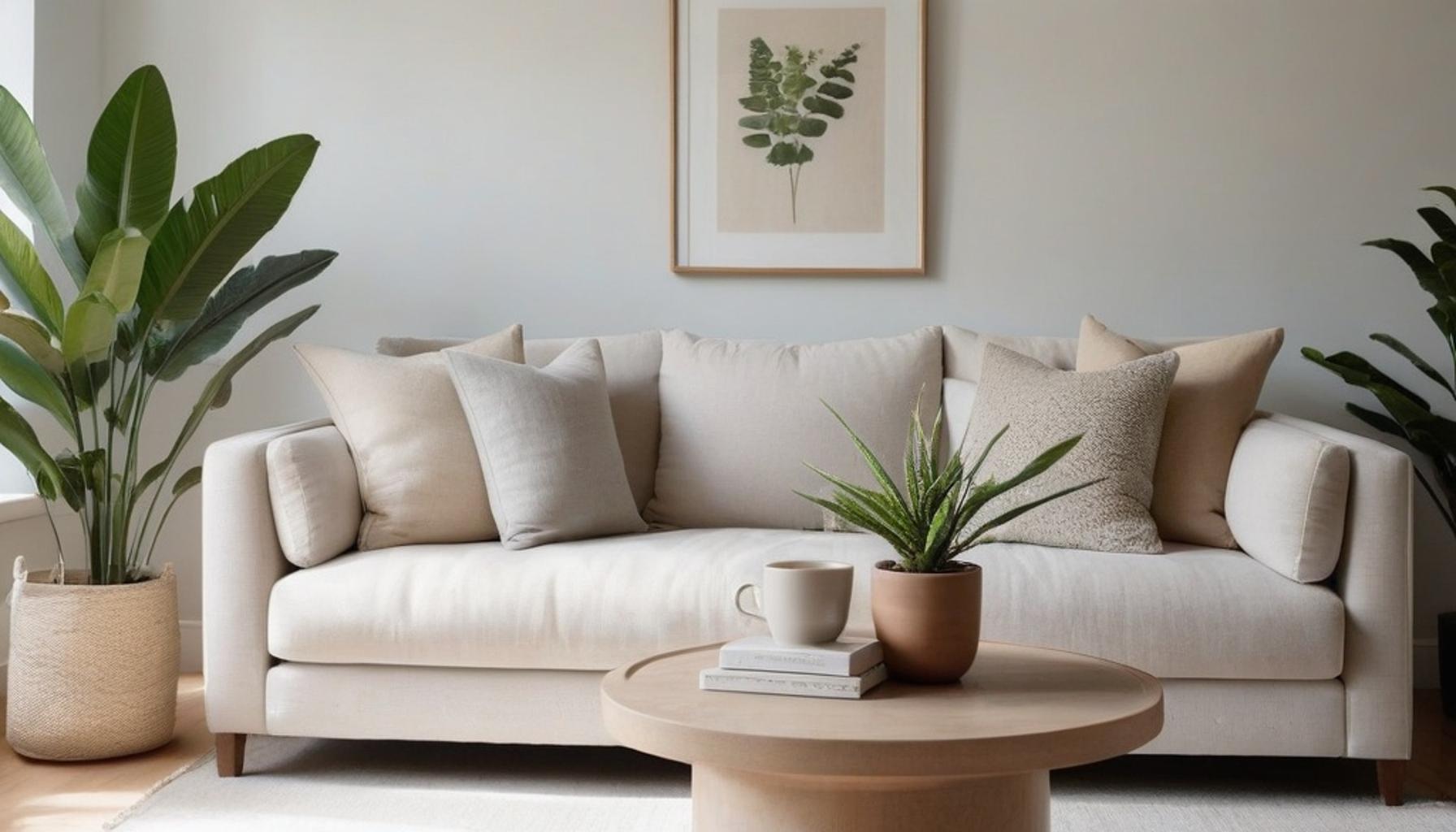
A Minimalist Mindset: Embracing Intentional Living Through Smart Storage Solutions
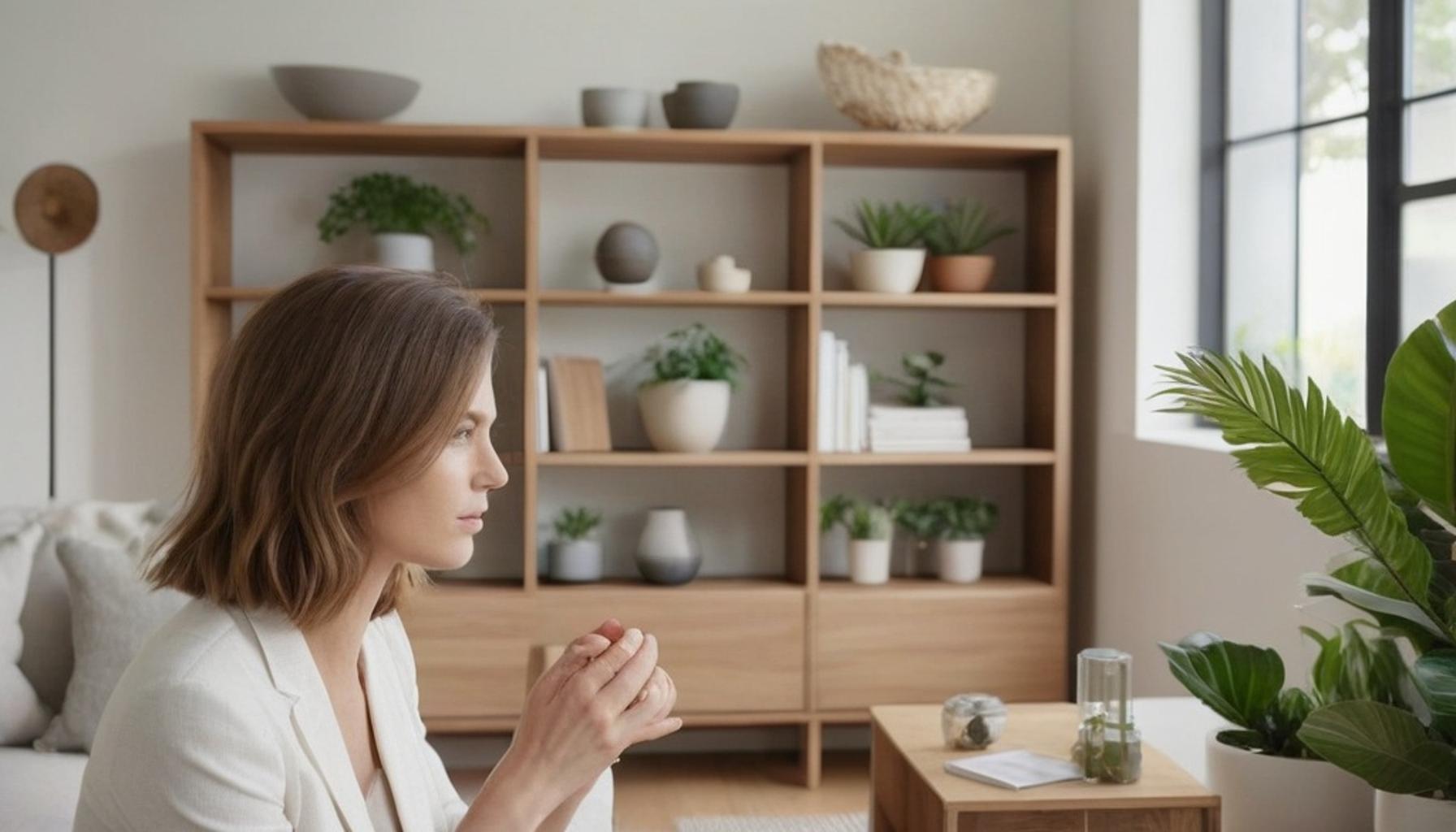
Why Less Is Becoming America’s New More
The average American household contains over 300,000 items, reports the LA Times, yet studies indicate that most people only utilize about 20% of their possessions on a regular basis. This stark contrast has ignited a transformative shift in how individuals perceive their living spaces and everyday habits. The once-cherished notion of accumulating belongings is being supplanted by a more thoughtful approach to what we choose to keep.
At the forefront of this shift is the minimalist mindset. This philosophy encourages individuals to pare down their possessions and focus on what truly enhances their lives rather than what merely occupies space. It’s not about achieving a sterile environment devoid of character; rather, it’s about cultivating a space filled with meaning—items that evoke joy, serve a vital function, or contribute positively to one’s life narrative.
The Rise of Intentional Living
Intentional living is a guiding principle that encourages individuals to ask, “Does this item, habit, or commitment add value to my life?” This introspection often sparks a significant decluttering process, where people part with things they once thought vital but now recognize as extraneous. Such an approach allows for a clearer mindset and an enhanced focus on personal goals.
Alongside this movement, innovative and smart storage solutions have become central to maintaining order after decluttering. These solutions do more than just hide items away; they create systems that promote accessibility and usability. Here are some popular storage strategies:
- Modular closet systems that can be adjusted as needs evolve, allowing families to adapt as children grow or circumstances change.
- Under-bed storage for seasonal items, enabling users to take advantage of often-overlooked space.
- Digital decluttering tools, which help users track what they own, providing a clear overview and minimizing redundant purchases.
- Vertical wall organizers that maximize space in smaller environments, proving that smart design can triumph over limited square footage.
These strategies not only assist in organizing homes but also fundamentally support a lifestyle shift toward simplicity and purposeful living. They encourage individuals to engage meaningfully with their possessions and their spaces.
What This Article Covers
This guide delves deep into practical decluttering tips, offering real-world storage solutions and exploring the science-backed minimalism benefits that extend beyond visually appealing shelves. Readers should anticipate actionable advice they can implement immediately to transform their surroundings.
From compact studio apartments in urban areas like New York City to expansive homes in suburban Texas, the principles of minimalism resonate widely: embracing less clutter means fostering greater clarity. As this movement continues to gain traction across different demographics, the conversation surrounding minimalism evolves, encouraging all Americans to consider what truly matters in their lives.
DISCOVER MORE: Click here to delve into minimalist kitchen ideas
Understanding why clutter affects us so deeply requires a look at the brain itself. Research from Princeton University found that visual clutter competes for our attention, making it harder to focus and process information efficiently. This means that a cluttered kitchen counter or an overflowing closet isn’t just an eyesore—it’s actively draining cognitive resources. When our environment is chaotic, our ability to concentrate diminishes, leading to feelings of stress and overwhelm. Moreover, studies suggest that excessive clutter might trigger a sense of anxiety or feelings of being out of control, which can echo throughout various aspects of our lives.
Adopting a minimalist mindset isn’t merely about aesthetics; it’s rooted in measurable psychological benefits. A study published in the Personality and Social Psychology Bulletin linked cluttered environments to increased cortisol levels, the hormone responsible for stress. Simply put, the more stuff surrounding us, the more our bodies register that as a low-grade threat. This relationship between our environment and stress can be profound. For instance, individuals living in highly cluttered spaces may experience feeling stuck or unable to move forward in their lives, both physically and emotionally.
Small Changes, Significant Impact
Intentional living doesn’t demand a dramatic overhaul overnight. Instead, it thrives on incremental, sustainable changes that compound over time. Many Americans who’ve embraced this lifestyle report starting with a single drawer or shelf before tackling entire rooms. These small victories help build momentum, fostering a sense of accomplishment and leading to a more substantial transformation.
Consider these decluttering tips that professional organizers frequently recommend for beginners:
- The one-in-one-out rule: for every new item brought into the home, one existing item must be donated, sold, or discarded. This simple rule encourages mindfulness around purchases and helps prevent impulse buying.
- The 90/90 rule: if an item hasn’t been used in the past 90 days and won’t likely be used in the next 90, it’s a candidate for removal. This principle forces individuals to evaluate their possessions critically, allowing for rational decisions rather than emotional attachments.
- The box method: packing away non-essential items in a labeled box for 30 days; if it’s not missed, it’s donated without a second thought. This technique lets people test their attachment to items without fully committing to getting rid of them right away.
- Starting with duplicate items, such as extra kitchen gadgets or multiples of the same tool, which are often the easiest things to part with. This can help build confidence as individuals see how lightening their load can create space for more purpose-driven possessions.
These techniques create momentum. Once individuals experience the mental clarity that comes from an organized space, many find themselves naturally inclined to continue the process throughout their homes and lives. The psychological relief from decluttering often leads to improvements in productivity and general wellbeing, reinforcing the habit of intentional living.
Beyond the Closet: A Broader Cultural Shift
What’s particularly compelling is how this movement extends beyond individual habits into broader cultural trends. Real estate listings across cities like Austin and Portland now highlight built-in storage and closet organization systems as major selling points, reflecting growing consumer demand. Buyers are increasingly valuing functional living spaces that prioritize simplicity and efficiency over sheer volume.
Furniture retailers, too, have taken notice. Companies like IKEA and The Container Store have expanded their smart storage solutions lines significantly over the past five years, responding directly to consumers seeking to simplify their homes without sacrificing functionality. Products such as modular shelving units and multifunctional furniture are flying off the shelves, illustrating a shift in priorities among households. This isn’t a passing fad—it’s a measurable market response to a shifting national mindset around consumption and space.
As society grapples with the consequences of consumerism, the emerging preference for minimalism signals a desire for intentionality, authenticity, and sustainability in our lives. By letting go of physical possessions, people are also learning to release mental clutter, leading to a more fulfilling existence. The psychology behind letting go goes beyond organizing your desk; it touches on our very nature of how we perceive value, meaning, and our connection to the world around us.

DISCOVER MORE: Click here to dive into minimalist kitchen ideas
# Smart Storage Solutions as the Foundation of Lasting ChangeOnce the initial decluttering wave settles, many discover that the real challenge lies in maintaining order. This is where smart storage solutions become essential rather than optional. Unlike traditional storage that simply hides clutter, modern systems are designed to reinforce intentional habits by making organization the path of least resistance.Vertical storage has emerged as a favorite among urban dwellers, particularly in cities like New York and San Francisco, where square footage comes at a premium. Wall-mounted shelving, over-the-door organizers, and stackable bins allow residents to maximize limited space without sacrificing the open, breathable feel central to minimalism benefits. According to a 2023 housing survey, nearly 68% of apartment renters under age 35 cited storage efficiency as a top priority when selecting a home, surpassing even considerations like natural light or proximity to transit.
The Role of Technology in Organizing Your Home
Smart home technology has also entered the decluttering conversation. Inventory apps like Sortly and NoBroker allow users to catalog belongings, track storage locations, and receive reminders about seasonal rotations. This digital layer adds accountability, helping people avoid the common trap of repurchasing items they already own but simply forgot about.Closet systems have evolved similarly. Companies such as California Closets and Elfa now offer customizable configurations that adapt as needs change, whether that means accommodating a growing wardrobe or downsizing after a major life transition. These systems aren’t just functional—they signal a psychological commitment to organizing your home with purpose rather than convenience alone.Consider these practical storage strategies gaining traction nationwide:
- Zone-based organization: assigning specific areas for specific activities, such as a dedicated mail and keys station near the entryway, reduces daily decision fatigue.
- Clear bin labeling: transparent containers with visible labels eliminate the “out of sight, out of mind” problem that often leads to duplicate purchases.
- Multi-purpose furniture: ottomans with hidden storage or beds with built-in drawers serve dual functions, particularly valuable in smaller homes or studio apartments.
- Seasonal rotation systems: storing off-season clothing and gear in labeled, accessible bins keeps everyday spaces streamlined without requiring permanent disposal of useful items.
Economic Ripple Effects
The financial implications of this shift are notable. A 2022 report from the National Association of Professional Organizers estimated that Americans spend an average of $1,700 annually replacing items they own but cannot locate. Smart storage solutions directly address this waste, offering a tangible return on investment that extends beyond emotional wellbeing into household budgets.Retailers have responded accordingly, with home organization becoming one of the fastest-growing categories in furniture sales. This growth suggests that the minimalist mindset is no longer a niche lifestyle choice but a mainstream response to genuine logistical and psychological needs faced by households across the country.
Rethinking What It Means to Live With Less
The journey toward a minimalist mindset rarely ends with a single weekend of decluttering. As this article has shown, lasting change depends on pairing intentional habits with systems—physical and digital—that make order sustainable rather than aspirational.
From vertical shelving in cramped San Francisco apartments to app-based inventory tracking, the tools available today reflect a broader cultural shift. Intentional living is no longer confined to minimalist blogs or aesthetic Instagram feeds; it has become a practical response to rising housing costs, smaller living spaces, and the mental toll of constant consumption.
What’s particularly striking is the financial evidence behind this shift. When households lose an average of $1,700 annually to disorganization, the case for smart storage solutions extends well beyond tidiness—it becomes a matter of economic literacy.
Looking Ahead
As remote work, urban density, and environmental awareness continue shaping American lifestyles, expect decluttering tips and storage innovation to evolve further. Modular furniture, AI-powered organization apps, and closet systems designed for adaptability all point toward a future where flexibility matters as much as minimalism itself.
The minimalism benefits explored throughout this piece—reduced stress, financial savings, reclaimed physical space—are not abstract ideals. They are measurable outcomes available to anyone willing to rethink their relationship with belongings.
Ultimately, organizing your home is less about achieving a picture-perfect space and more about building systems that support how people actually live. Whether through a labeled bin, a zoned entryway, or a customizable closet, the goal remains the same: creating room, literally and mentally, for what truly matters.
Frequently Asked Questions
How can adopting a minimalist mindset help me reduce clutter in my home?
Adopting a minimalist mindset encourages you to evaluate the purpose and value of every item you own. By prioritizing essential items and letting go of those that no longer serve you, you create a more organized and peaceful living space. This intentional approach to belongings ultimately leads to reduced clutter and enhances your overall quality of life.
What are some effective smart storage solutions that align with a minimalist mindset?
Smart storage solutions such as multifunctional furniture, under-bed storage, and built-in shelving maximize space while keeping items accessible. Using clear storage bins can also help you see what you have without the need to sift through clutter. Emphasizing quality over quantity in your storage choices can support a minimalist lifestyle.
How do I maintain a minimalist mindset once I’ve decluttered my space?
To maintain a minimalist mindset after decluttering, regularly assess your belongings and establish a ‘one in, one out’ rule. This means for every new item you bring into your home, you must remove an existing one. Additionally, adopt a habit of intentional purchasing, ensuring that every addition truly serves a purpose in your life.
Can a minimalist mindset improve my productivity and focus?
Yes, a minimalist mindset can significantly improve productivity and focus by reducing distractions in your environment. A decluttered space fosters a clearer mind, allowing you to concentrate better on tasks and make decisions more efficiently. By adopting intentional living and smart storage, you create an atmosphere conducive to creativity and focus.

Beatriz
Beatriz Johnson is a seasoned minimalist and writer with a passion for simplifying the complexities of personal organization and intentional living. With over a decade of experience in decluttering strategies and mindful consumption, she specializes in topics like space optimization, habit simplification, and sustainable lifestyle choices. Through her work on our website, Beatriz empowers readers to embrace minimalism, reduce mental and physical clutter, and create more meaningful, organized lives in today's fast-paced world.