Creating a Minimalist Home: Effective Decluttering Techniques and Organization Ideas for Every Room
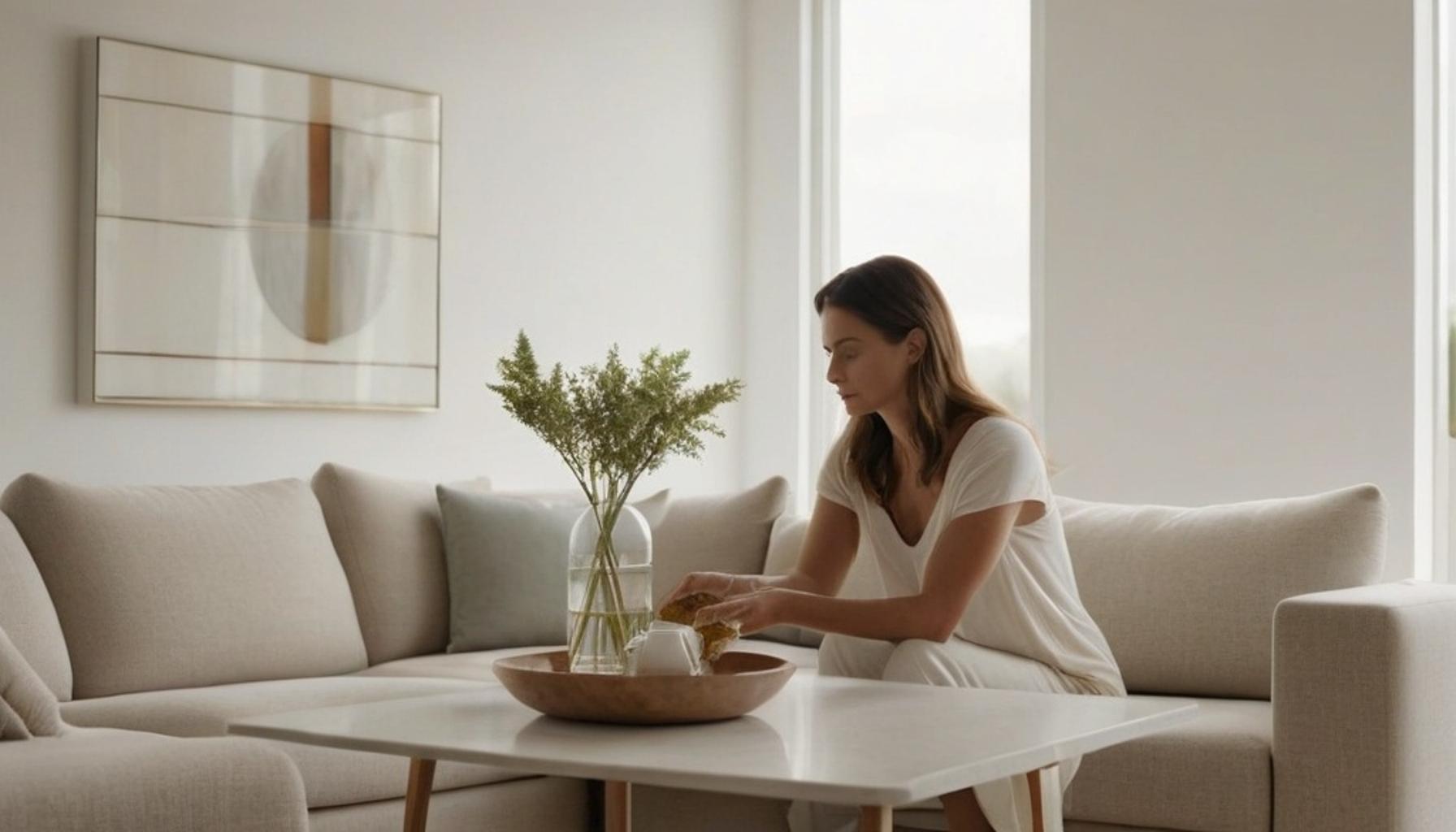
The average American household contains over 300,000 items, according to the LA Times. This staggering figure reveals the extent of consumerism in the United States, where clutter often transforms our living spaces into chaotic environments. Closets overflow with unused clothes, garages become makeshift storage units packed with forgotten items, and feelings of overwhelm can lead to rising stress levels at home. As the clutter increases, the peace within our sanctuaries diminishes.
A growing movement is pushing back against this excess and advocating for a different way of living. Across the United States, more homeowners are embracing a minimalist home approach, driven by the desire to reclaim their space, time, and peace of mind. This shift is not merely about reducing the number of possessions but about creating a meaningful living environment that promotes a more intentional lifestyle. Minimalism encourages individuals to surround themselves solely with items that enhance their lives, bringing joy and utility rather than chaos.
What This Article Covers
This guide breaks down practical decluttering techniques that are effective and actionable. You’ll discover realistic strategies to tackle clutter in every area of your living space, no matter the size of your home. From small apartments to expansive houses, the principles of minimalism can be universally applied.
- Room-by-room decluttering methods tailored to kitchens, bedrooms, bathrooms, and living rooms help ensure each area is optimized for functionality and tranquility. For example, in the kitchen, consider using the “one-year rule”: if you haven’t used an appliance or gadget in over a year, it may be time to let it go.
- Smart organization ideas for rooms can maximize storage without sacrificing style. Utilizing vertical space with shelves or opting for multifunctional furniture can create a more spacious feel. Stylish baskets or bins can also keep items organized while contributing to the decor.
- Simple minimalist lifestyle tips will help you maintain a clutter-free environment long-term. For instance, the “in-one-out” rule — where for every new item acquired, an old item must be removed — can keep clutter at bay while promoting mindful purchasing habits.
- Budget-friendly solutions for effective home organization can come from repurposing items you already own. Thrift stores and flea markets are treasure troves for unique storage solutions that don’t break the bank.
Whether you’re downsizing, moving, or simply craving a calmer space, these strategies are adaptable. Minimalism isn’t about owning nothing; rather, it’s about curating a collection of belongings that genuinely serve you. This thoughtful approach can not only alleviate stress but also enhance the quality of life in the spaces we inhabit.
Ready to transform chaos into clarity? Let’s explore actionable methods that turn every room into a functional and serene retreat. Discover how embracing minimalism can lead to a more fulfilled and intentional way of living.
DISCOVER: Click here for minimalist kitchen inspiration
Exploring the intricate relationship between our physical living environment and mental well-being reveals significant insights into the effects of clutter on our cognitive functions. In today’s fast-paced world, many are discovering that the accumulation of belongings not only challenges our organizational skills but also our mental clarity. Research from Princeton University offers compelling evidence that visual clutter—ranging from unorganized desks to overflowing closets—competes for our attention and can seriously impede our ability to focus. This cognitive overload can spike stress levels, demanding urgent attention as individuals strive to reclaim their mental space.
This psychological connection to our home environment has been a driving force behind the minimalist home movement that has gained prominence across the United States. While minimalism is often considered a design aesthetic, it is, at its core, a response to the overwhelming pressures of modern living. Home environments filled with excess can obscure not only our physical paths but also our mental roads, making clarity a precious commodity.
Starting Your Decluttering Journey the Right Way
For many, attempts at decluttering can quickly lead to feelings of frustration and failure. This often stems from taking on too much too soon. A successful decluttering process is rooted in strategy and small, realistic goals that build momentum without leading to burnout.
Before embarking on a decluttering expedition, consider these effective principles:
- The 90/90 rule: This guideline states that if you haven’t used an item in the last 90 days and do not foresee needing it in the next 90 days, it’s likely serving as clutter. This rule applies to various categories, including clothing, kitchen gadgets, and hobby supplies.
- The four-box method: By labeling four boxes as “Keep,” “Donate,” “Sell,” and “Trash,” individuals can streamline their decluttering efforts. This method minimizes decision fatigue and facilitates a smoother sorting experience.
- Start small, build confidence: Tackling a single drawer or shelf can be an effective way to begin. Celebrating small victories creates psychological momentum that can empower you to take on larger projects with confidence.
- The 20-minute timer technique: Setting a timer for 20 minutes can help focus your efforts and reduce feelings of overwhelm. This method allows for consistent, incremental progress, helping to sustain motivation.
Why Sentimental Items Present the Biggest Challenge
Interestingly, the most significant barriers to decluttering often come in the form of sentimental items. A survey conducted by the National Association of Productivity and Organizing Professionals revealed that emotional attachments to objects can create severe decluttering paralysis. Vintage trunks, childhood trophies, or inherited family heirlooms often hold deep emotional significance, leading to an overwhelming hesitation to part with them.
To navigate these emotional waters, effective decluttering strategies should be employed. One popular approach is to take photographs of meaningful sentimental items before deciding to let them go. This way, the essence and memory of the item can be preserved digitally, allowing individuals to release physical possessions without losing emotional connections.
Another technique is to designate a specific memory box, capped at a particular size, where cherished items can reside. Limiting the space available for these emotional artifacts ensures that they do not overflow into an unmanageable collection.
The objective of creating a minimalist home is not to purge all items of sentimental value but to establish a living environment that prioritizes what truly matters. This creates a sanctuary that includes only the essentials and the emotional artifacts that genuinely enhance our lives. Ultimately, a minimalist approach helps reclaim valuable living space while fostering a sense of peace and clarity that many seek.
DISCOVER MORE: Click here to uncover minimalist kitchen ideas
Room by Room Decluttering: Practical Organization Ideas That Work
Once the mental groundwork for minimalism has been established, the next logical step involves applying these principles to specific spaces. A minimalist home isn’t achieved through a single weekend purge; it’s built through targeted, room-by-room decluttering that addresses the unique challenges each space presents.
The Kitchen: Where Clutter Multiplies Fastest
American kitchens have grown by nearly 40% in average square footage since the 1990s, yet many homeowners report feeling more cramped than ever. The culprit isn’t space—it’s accumulation. Countertop gadgets, mismatched containers, and duplicate utensils quietly overtake cabinets. According to a survey conducted by the American Kitchen and Bath Association, nearly 75% of homeowners feel overwhelmed by kitchen clutter.
Effective organization ideas for rooms like the kitchen include:
- The single-use test: Appliances that perform only one function, such as an avocado slicer or a hotdog cooker, are prime candidates for removal unless used weekly. Consider whether a tool truly enhances your cooking experience or merely occupies space.
- Vertical drawer dividers: Using dividers maximizes storage for pans and lids while keeping items visible and accessible. This method dispels the frustration of digging through a chaotic drawer and allows you to see what you have at a glance.
- The one-in, one-out rule: For every new kitchen tool purchased, an old one should be donated or discarded. This prevents a gradual resurgence of clutter and cultivates a mindful shopping habit.
The Bedroom: Designing a Sanctuary for Rest
Sleep researchers at the Cleveland Clinic have noted that cluttered bedrooms are linked to disrupted sleep patterns, as visual chaos keeps the brain in a low-level state of alertness. Transforming this space into a true retreat requires simplifying not just closets, but nightstands and dressers too.
Considering capsule wardrobes, which typically involve curating 30 to 40 versatile clothing pieces per season, can significantly enhance your bedroom’s tranquility. This approach has gained substantial traction among those pursuing minimalist lifestyle tips, as it eliminates decision fatigue while ensuring every item earns its place. Additionally, encourage a habit of seasonal review—donating pieces that no longer resonate or are rarely used can refresh your wardrobe and space.
The Living Room: Balancing Function and Simplicity
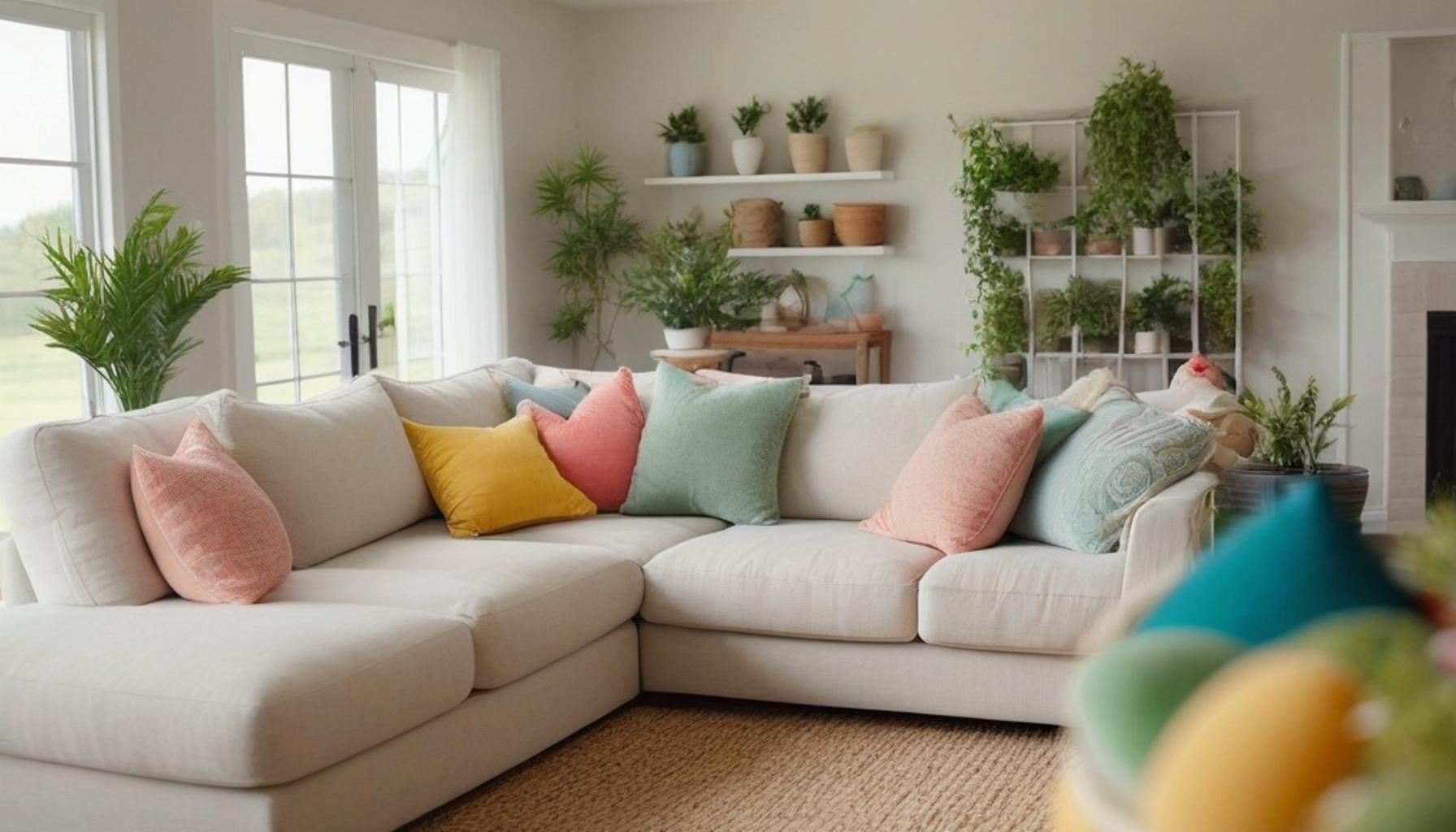
Shared spaces, like the living room, often accumulate clutter fastest since multiple household members contribute daily. To maintain harmony in these environments, consider integrating floating shelves that showcase books or art rather than random items, promoting both decor and minimalism.
Storage ottomans can serve dual purposes—they provide seating while also hiding toys, blankets, or miscellaneous items that could otherwise clutter the room. Furthermore, establishing designated “landing zones” for mail, keys, and electronics can prevent surfaces from becoming unwieldy catchalls, allowing for a more inviting environment.
The Bathroom and Home Office: Small Spaces, Big Impact
Even small spaces like bathrooms benefit immensely from the “tray method,” wherein all products are grouped onto a single removable tray. This practice not only limits overflow but makes it effortless to tidy up at a moment’s notice. Brands like The Container Store offer various tray styles to match your decor while maximizing functionality.
Home offices thrive under the philosophy of digital minimalism—scanning documents and reducing paper piles can free up significant surface area, facilitating a more productive work environment. With advancements in technology, many apps and scanners can simplify this process, turning bulky collections of documents into easily accessible digital files.
Across every room, consistent home organization habits, rather than one-time overhauls, are crucial to sustaining long-term results. Establishing a decluttering routine, perhaps through seasonal reviews or monthly cleaning sessions, reinforces the deeper goals of a minimalist lifestyle, leading not only to a more organized home but also to a clearer mind.
Building a Minimalist Home That Lasts
Creating a minimalist home is less about achieving a picture-perfect aesthetic and more about designing a space that supports clarity, function, and calm. As explored throughout this guide, effective decluttering techniques only succeed when paired with sustainable systems—ones that account for how real people live, cook, sleep, and work.
From the kitchen’s single-use test to the bedroom’s capsule wardrobe strategy, every method discussed reinforces a central truth: clutter is rarely about lack of space. It’s about lack of intention. The National Association of Professional Organizers has found that households implementing structured room by room decluttering plans are significantly more likely to maintain order beyond the initial cleanup phase, compared to those attempting sporadic, whole-house purges.
What separates a temporary tidy-up from lasting home organization is routine. Small, consistent habits—seasonal wardrobe reviews, monthly kitchen tool audits, or a simple weekly reset of shared living spaces—compound over time into a home that rarely feels overwhelming.
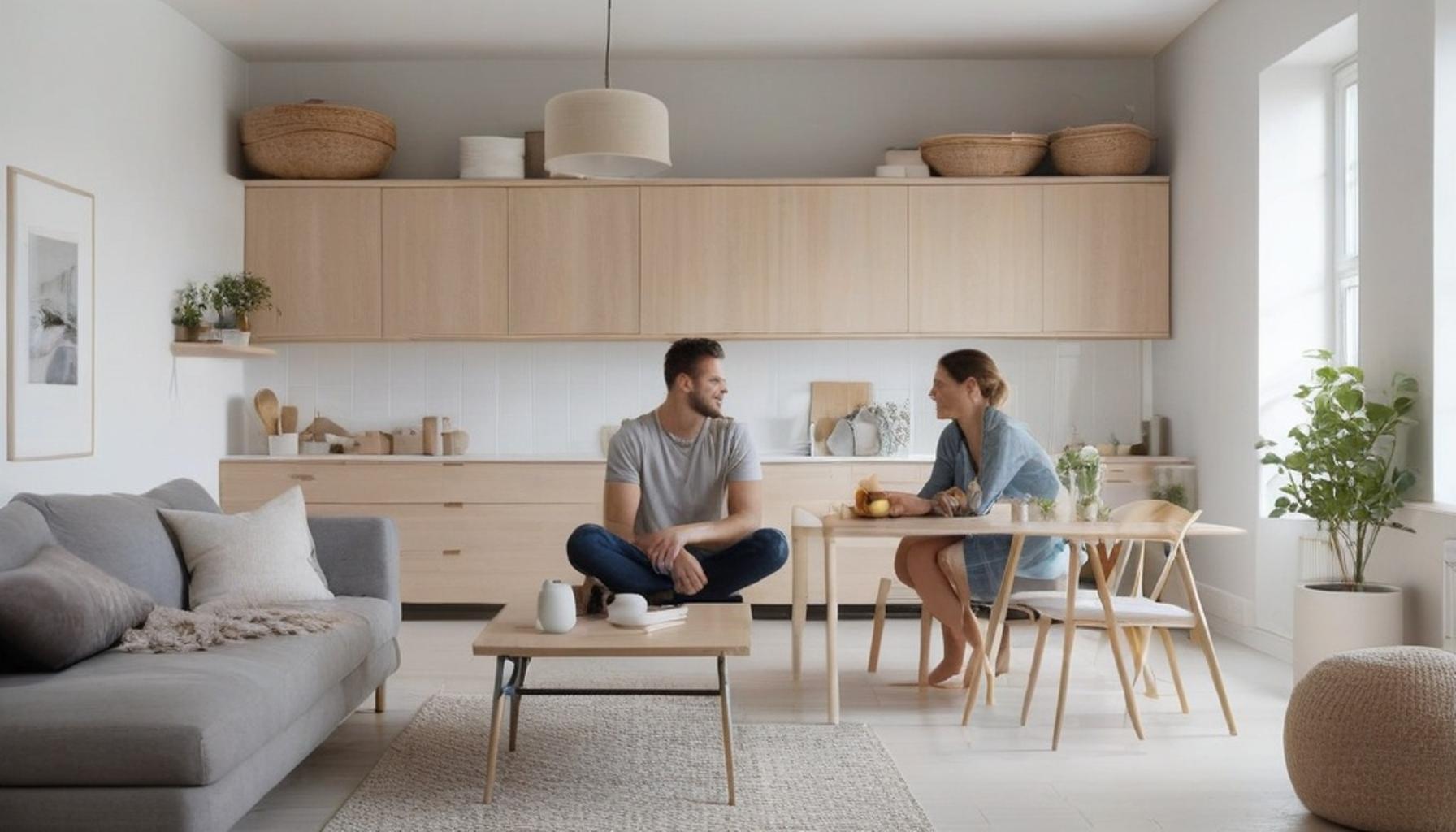
It’s also worth noting that minimalism looks different in every household. A family of five in a suburban Ohio home will apply organization ideas for rooms differently than a young professional in a downtown Chicago studio apartment. The principles remain the same, but flexibility in application is what makes minimalism realistic rather than restrictive.
Ultimately, adopting minimalist lifestyle tips isn’t about owning less for its own sake. It’s about creating breathing room—physically and mentally—so that homes function as places of rest rather than sources of stress. As more research continues to link environment with well-being, the case for intentional living only grows stronger, making now an ideal time to start, one room at a time.
Frequently Asked Questions
What are the first steps to take when starting to create a minimalist home?
Begin by assessing your current belongings to identify items that you no longer need or use. Create categories, such as keep, donate, or discard, and tackle one room at a time to avoid feeling overwhelmed. Setting a timeline for this process can also help keep you focused and motivated.
How do I decide what to keep in my minimalist home?
Ask yourself if each item serves a purpose or brings you joy. Utilize the ‘one-year rule’—if you haven’t used an item in the last year, consider letting it go. Additionally, think about the space you have and how to optimize it with only the essentials.
What are some effective storage solutions for a minimalist home?
In a minimalist home, opt for multifunctional furniture, such as ottomans with storage or coffee tables with drawers. Additionally, consider using vertical space with wall shelves, and invest in clear bins for easy visibility of items while keeping them organized. Labeling bins can also enhance efficiency.
How does minimalism affect my living space design?
A minimalist design emphasizes open spaces, clean lines, and a neutral color palette, creating a calming environment. The focus will shift from clutter to functionality, and you may choose to incorporate fewer decorative items that add meaning rather than just filling space.
Can I maintain a minimalist home with kids or pets?
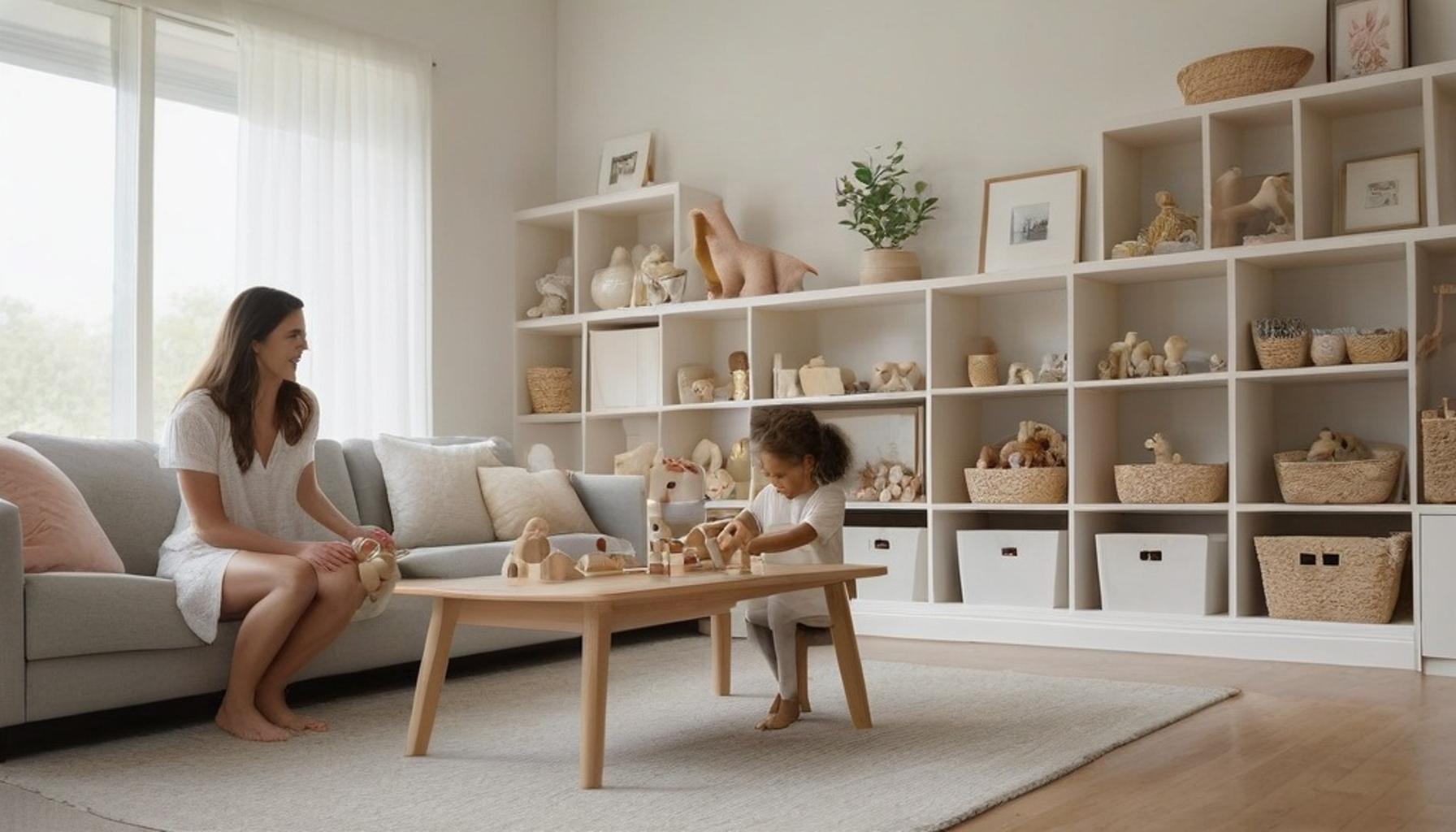
Absolutely! Involve your kids in the decluttering process by teaching them the importance of keeping only what they love and use. Create designated storage areas for toys and pet belongings, ensuring that everything has a specific place to minimize chaos and maintain organization.
What are some daily habits to keep my minimalist home organized?
Implement a ‘one in, one out’ rule—whenever you bring in something new, make sure to let go of an old item. Regularly dedicate time each week to tidy up and reevaluate your belongings, ensuring you stay committed to your minimalist lifestyle. Setting reminders for monthly decluttering sessions can also keep clutter at bay.

Beatriz
Beatriz Johnson is a seasoned minimalist and writer with a passion for simplifying the complexities of personal organization and intentional living. With over a decade of experience in decluttering strategies and mindful consumption, she specializes in topics like space optimization, habit simplification, and sustainable lifestyle choices. Through her work on our website, Beatriz empowers readers to embrace minimalism, reduce mental and physical clutter, and create more meaningful, organized lives in today's fast-paced world.