Functional Design: How Minimalist Furniture and Smart Storage Can Transform Your Workspace

Across the United States, the average office worker loses nearly 4.3 hours a week searching for misplaced items or navigating cluttered desks, according to workplace productivity studies. That’s more than 200 hours a year spent battling disorganization instead of focusing on real work. The consequences are not just time lost; they affect morale, creativity, and overall job satisfaction. In today’s fast-paced work environment, finding ways to reclaim those hours is becoming an urgent priority.
Enter Functional Design: a practical approach to shaping work environments that prioritize efficiency, clarity, and purpose over excess. This method of design emphasizes creating spaces that foster concentration and adaptability. It’s not just a passing trend for tech startups in Austin or design studios in Brooklyn—it’s becoming a necessity for home offices and corporate spaces alike, as more than 30% of the U.S. workforce is now working remotely, according to recent statistics.
Why This Matters Now
Remote and hybrid work arrangements have turned spare bedrooms, kitchen corners, and basements into full-time offices. Without intentional planning and design, these spaces can quickly become chaotic and counterproductive, hampering productivity and leading to feelings of stress and anxiety. Research indicates that well-organized workspaces can boost productivity by up to 20%.
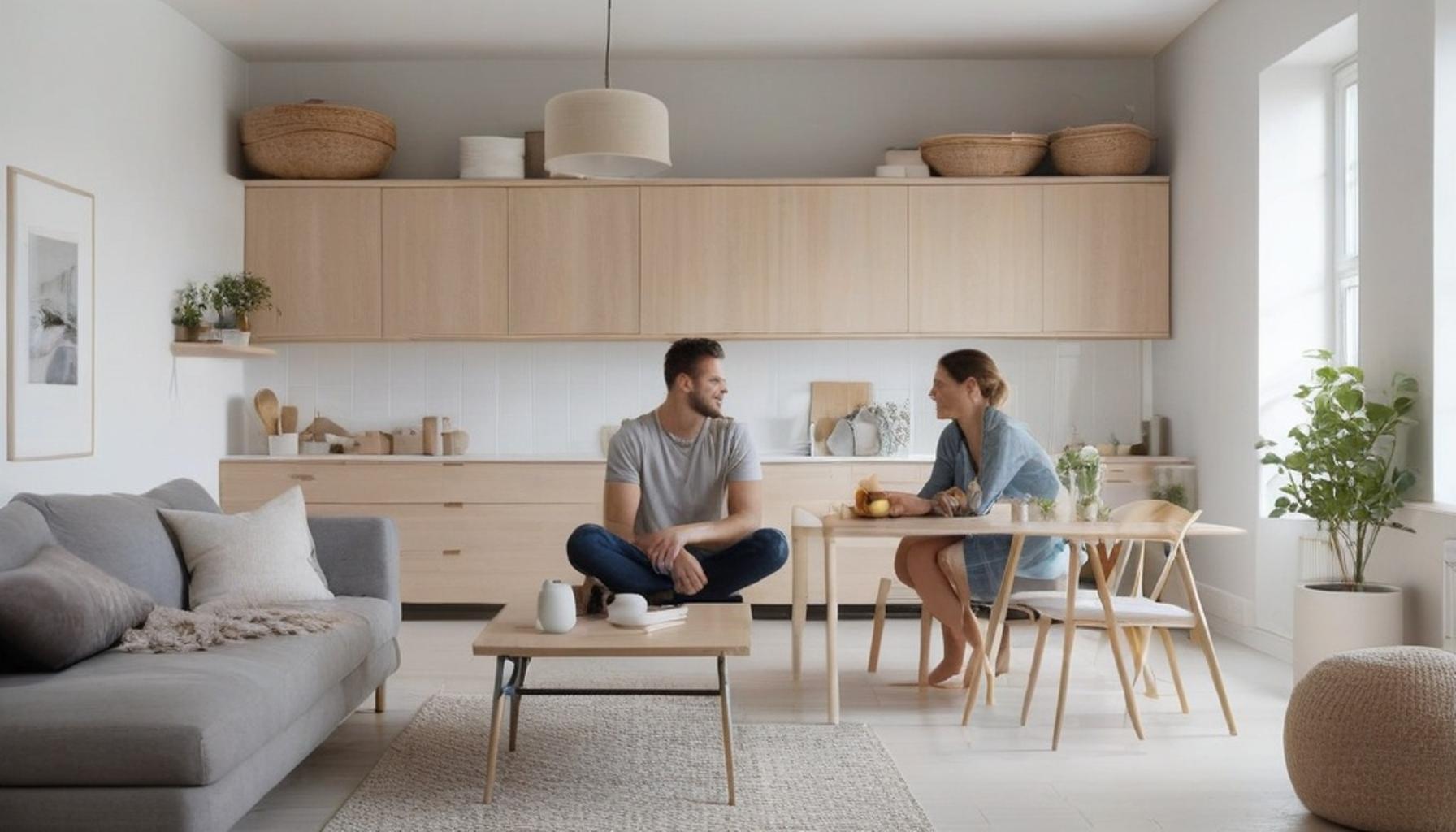
Minimalist Furniture for Workspace setups and Smart Storage Solutions offer a direct answer to the challenges posed by disorganized spaces. Consider what a thoughtfully designed workspace can achieve:
- Reduced visual clutter that improves focus and mental clarity, enabling deeper concentration on tasks.
- Multi-functional furniture designed to adapt to small or shared spaces, such as desks that can be converted into standing desks or folding tables that can be stored away.
- Hidden storage systems that keep essentials accessible yet out of sight, reducing distractions and allowing for a cleaner aesthetic.
- Streamlined layouts that support better posture and movement, helping to alleviate physical strain associated with long hours of working.
This article explores how Minimalist Office Design principles can genuinely transform daily productivity. From furniture selection to strategic organization, these Workspace Organization Tips reveal how small, deliberate changes lead to a more efficient, calming, and inspiring place to work. By investing time and resources into creating an intentional workspace, individuals and companies alike can unlock their full potential, fostering an environment that not only encourages productivity but also supports mental well-being.
DISCOVER MORE: Click here to find inspiration for a minimalist kitchen
The Building Blocks of a Functional Workspace
Walk into any well-designed office today, from a converted garage in Denver to a sleek co-working space in Manhattan, and you’ll notice something immediately: there’s nothing extra. Every item has a purpose. This is the essence of Functional Design, a philosophy that strips away unnecessary clutter and replaces it with intentional, purposeful choices.
Unlike traditional office aesthetics that often prioritize appearance over usability, Minimalist Office Design asks a simple question before adding anything to a room: does this serve a function? If the answer is no, it doesn’t belong.
Choosing Furniture That Works as Hard as You Do
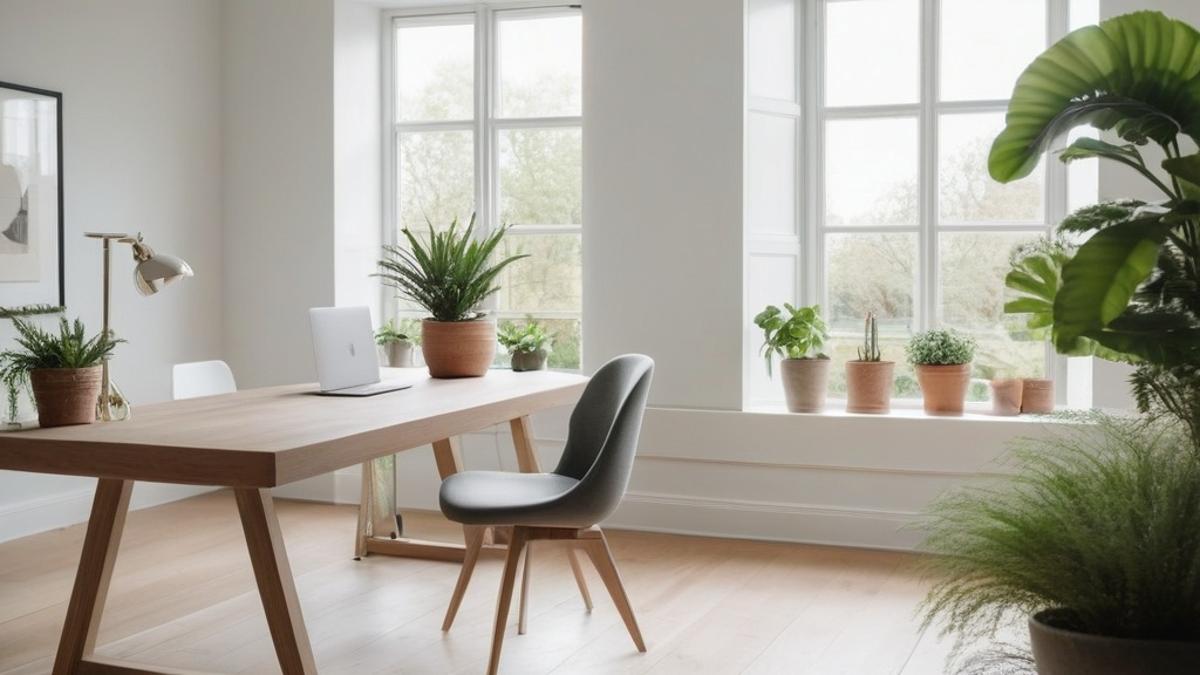
The foundation of any functional workspace starts with furniture selection. Minimalist Furniture for Workspace setups typically favors clean lines, neutral tones, and pieces that serve multiple purposes rather than sitting idle most of the day.
Consider these practical examples that many American households and offices have adopted:
- Adjustable standing desks that convert between sitting and standing positions, reducing back pain reported by 65% of remote workers according to ergonomic studies.
- Modular shelving units that can expand or contract based on changing storage needs.
- Compact desks with built-in cable management to eliminate the tangled wire look common in home offices.
- Chairs designed with breathable materials and lumbar support, particularly useful for those logging eight or more hours at a desk.
These aren’t just stylistic choices. They directly affect physical comfort, energy levels, and the ability to sustain focus throughout a workday.
Smart Storage: The Silent Productivity Booster
While furniture sets the stage, Smart Storage Solutions are what keep a workspace functioning smoothly day after day. A 2023 survey by the National Association of Professional Organizers found that 54% of American workers feel overwhelmed by paper clutter alone, despite most work now happening digitally.
Smart storage isn’t about hiding mess. It’s about creating systems where everything has a designated place, reducing the mental load of decision-making. Floating shelves, under-desk drawers, and vertical filing systems all serve this purpose without consuming valuable floor space.
In smaller apartments, particularly in cities like Chicago or San Francisco where square footage comes at a premium, these storage strategies become even more critical. They allow a workspace to exist without dominating a room meant for multiple uses.
| Category | Key Features/Benefits |
|---|---|
| Minimalist Furniture | Streamlined design promotes focus and reduces distractions, enhancing productivity. |
| Smart Storage Solutions | Maximizes space by utilizing vertical storage options and multi-functional pieces, leading to a clutter-free environment. |
| Workspace Organization Tips | Enhances workflow by strategically placing storage solutions near work areas to streamline daily tasks and minimize interruptions. |
DISCOVER MORE: Click here to delve into minimalist kitchen design
The Psychology Behind an Organized Environment
There’s a reason clutter feels exhausting before a single task even begins. Researchers at Princeton University found that visual clutter competes for attention in the brain, making it harder to process information and stay on task. This finding gives Functional Design a scientific backbone rather than just an aesthetic preference.
When a workspace follows Minimalist Office Design principles, the brain has fewer competing stimuli to sort through. This isn’t about willpower or discipline. It’s about removing the friction that clutter creates before productivity has a chance to start.
Practical Workspace Organization Tips That Actually Stick
Most people don’t fail at staying organized because they lack motivation. They fail because their systems weren’t built to last. The following Workspace Organization Tips focus on habits that require little ongoing effort:
- Assign a single home for daily-use items like chargers, notebooks, and pens, so nothing floats between surfaces.
- Use drawer dividers to separate categories of supplies instead of tossing everything into one bin.
- Adopt the “one in, one out” rule for desk accessories to prevent slow accumulation over time.
- Digitize paperwork whenever possible, since the average office worker still handles roughly 10,000 sheets of paper annually, according to the Environmental Protection Agency.
These small shifts compound. A drawer that stays organized for a month is far more sustainable than an elaborate system abandoned after a week.
Multi-Functional Pieces That Do More With Less
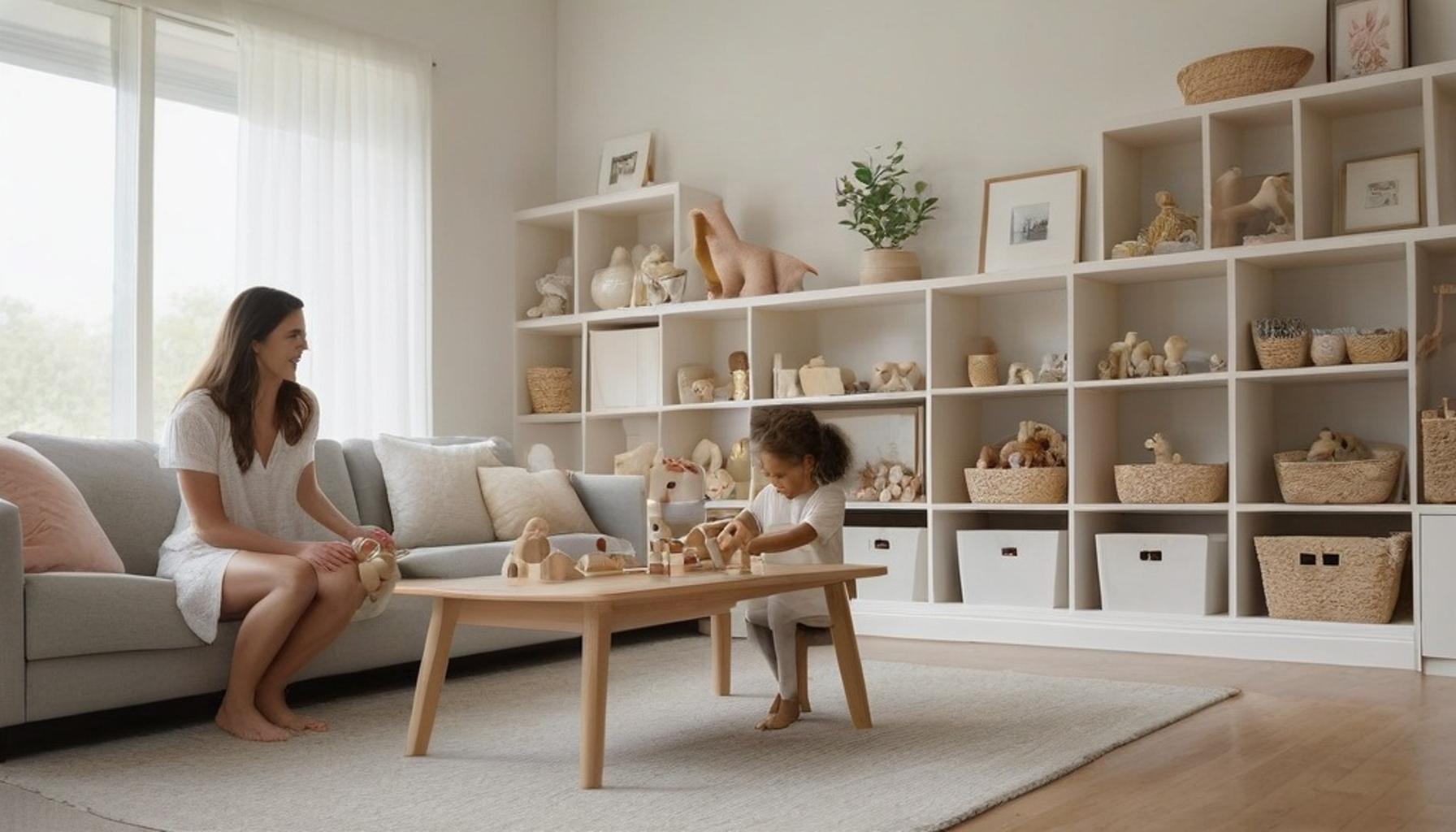
One overlooked aspect of Minimalist Furniture for Workspace design is how a single well-chosen piece can replace three cluttered ones. A storage ottoman doubles as seating and hidden storage. A desk with an integrated hutch eliminates the need for a separate bookshelf.
This approach matters more than ever as remote work continues reshaping American homes. Data from the U.S. Bureau of Labor Statistics shows that roughly 35% of employed Americans with remote-capable jobs now work from home full time. Many of these workers are converting bedrooms, closets, and dining nooks into offices, spaces that were never designed to hold a full workstation.
In these tight quarters, Smart Storage Solutions like wall-mounted organizers, rolling carts, and stackable bins make it possible to maintain a professional setup without permanently altering a room’s original purpose. A closet office in Brooklyn or a converted nook in a Phoenix condo can function just as effectively as a dedicated room when the right pieces are chosen.
The goal isn’t to own less for the sake of appearances. It’s to ensure every object earns its place, allowing a workspace to Transform Your Workspace into something that supports focus rather than working against it.
DIVE DEEPER: Click here to discover the art of minimalist kitchens
Rethinking What a Workspace Should Do For You
The evidence points in one clear direction. A workspace built on Functional Design doesn’t just look better in photos, it changes how the brain processes the day’s demands. From the Princeton findings on visual clutter to the shifting reality of American home offices, the case for intentional design keeps building on itself.
What stands out most is how little this transformation actually requires. This isn’t about renovating a room or buying an entirely new furniture line. It’s about auditing what’s already there and asking whether each piece is pulling its weight.
A Minimalist Office Design succeeds not because it’s sparse for the sake of appearances, but because every remaining object has a clear job to do. The desk that also stores files. The cart that rolls between rooms. The drawer that holds exactly what it should and nothing more.
These principles matter beyond the individual desk. As more of the American workforce blends home and office life, the pressure on shared spaces will only grow. Choosing Minimalist Furniture for Workspace setups now means fewer compromises later, whether that space is a spare bedroom, a converted garage, or a corner of the kitchen.
The Workspace Organization Tips outlined throughout this piece work because they target habits, not willpower. Small, repeatable actions outperform elaborate systems that collapse under real-world pressure.
Ultimately, Smart Storage Solutions and thoughtful furniture choices offer something rare in modern work culture: a way to reduce daily friction without adding cost, complexity, or square footage. For anyone ready to Transform Your Workspace, the starting point isn’t a shopping list. It’s a closer look at what’s already sitting on the desk.
Frequently Asked Questions
What is functional design in the context of workspace furniture?
Functional design focuses on creating furniture that is not only aesthetically pleasing but also maximally efficient and practical for everyday use. In the workspace context, this means selecting pieces that enhance productivity, allow for easy organization, and provide comfort without unnecessary clutter.
How can minimalist furniture contribute to a more productive workspace?
Minimalist furniture helps reduce distractions by limiting visual clutter, allowing you to focus better on your tasks. This type of design often emphasizes clean lines and simplicity, which can create a calming environment conducive to productivity.
What are some examples of smart storage solutions for a minimalist office?
Smart storage solutions include items like under-desk organizers, wall-mounted shelves, and multi-functional furniture such as desks with built-in drawers. These options help maximize space while keeping essential items easily accessible, contributing to an organized and efficient workspace.
Can functional design improve my workspace ergonomics?
Yes, functional design often incorporates ergonomic principles to enhance comfort and reduce strain during work hours. By selecting furniture that promotes good posture and easy reach to storage, you’re less likely to experience discomfort, leading to a more productive workday.
How do I choose the right minimalist furniture for my workspace?
When choosing minimalist furniture, consider your specific needs and the shape of your space. Focus on pieces that offer necessary functionality, such as adjustable desks or chairs, while ensuring they blend with a cohesive aesthetic that promotes a calm, uncluttered environment.

Beatriz
Beatriz Johnson is a seasoned minimalist and writer with a passion for simplifying the complexities of personal organization and intentional living. With over a decade of experience in decluttering strategies and mindful consumption, she specializes in topics like space optimization, habit simplification, and sustainable lifestyle choices. Through her work on our website, Beatriz empowers readers to embrace minimalism, reduce mental and physical clutter, and create more meaningful, organized lives in today's fast-paced world.