Creating Harmony: Effective Home Organization Strategies for a Clutter-Free Living Room
The living room is often considered the heart of the home—a place for family gatherings, entertaining guests, and unwinding at the end of a long day. However, it can quickly become a hotbed of clutter, reflecting the chaos of everyday life. Walk into the average American living room, and you’ll likely spot some common culprits: remote controls buried under magazines, kids’ toys scattered near the couch, and mail piling up on side tables. According to organizing experts, the living room is among the top three most cluttered spaces in U.S. homes, contributing significantly to daily frustrations.
This is where smart home organization strategies come into play. It’s not just about adopting a minimalist lifestyle for the sake of aesthetics; rather, it is about creating a functional space that enhances your quality of life. A well-organized living room not only provides a sense of calm and order but also improves the flow of daily activities, making it easier to relax, socialize, and enjoy your space to the fullest.
What You’ll Discover in This Guide
A true clutter-free living room doesn’t happen by accident. It requires a mix of practical techniques and thoughtful design choices. Here’s what you can look forward to:
- Living room storage solutions that effectively hide clutter while keeping essentials easily accessible, such as multifunctional furniture that includes hidden storage compartments.
- Proven decluttering tips that require less than 15 minutes a day, helping you gradually reclaim your space without feeling overwhelmed.
- Smart furniture arrangements that maximize flow and function, ensuring every piece serves a purpose and contributes to an inviting atmosphere.
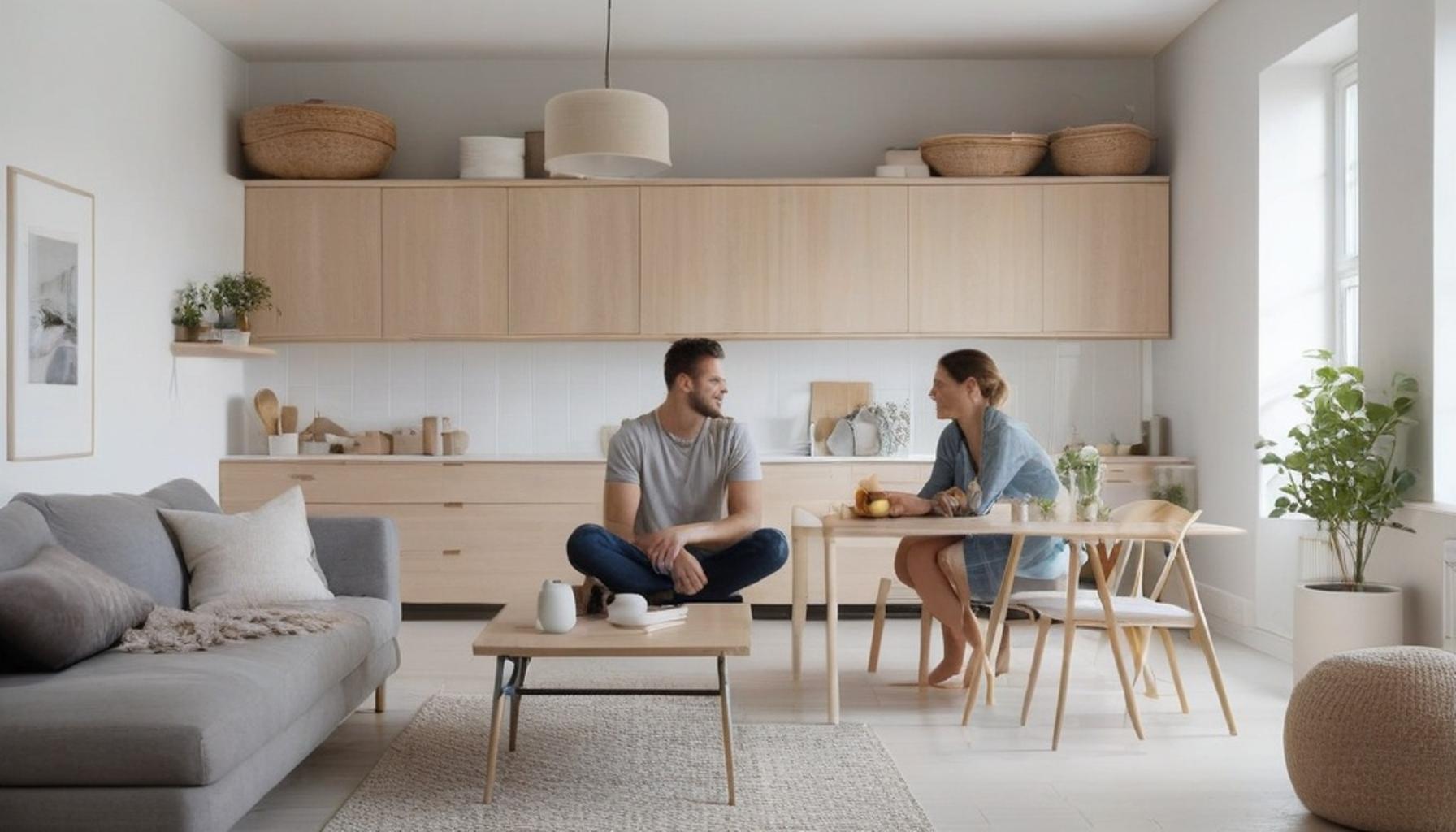
- Simple interior organization ideas ideal for both small apartments and open-concept homes, making it easy to adapt suggestions to your own space.
Whether you’re managing a cozy studio apartment in Chicago or navigating the expansive layout of a suburban family room, effective home organization is not just a dream—it is entirely achievable. The strategies outlined in this guide are designed to fit into real budgets, accommodating real schedules and the complexities of real life. By embracing these approaches, you can transform your living room into a serene and functional sanctuary that you and your loved ones will enjoy for years to come.
DISCOVER MORE: Click here for inspiring minimalist kitchen ideas
Understanding the Root Causes of Living Room Clutter
Before diving into solutions, it’s worth asking a simple question: why does the living room accumulate so much stuff in the first place? The answer lies in its multipurpose nature. Unlike a bedroom or bathroom with a single clear function, the living room serves as a homework station, entertainment hub, dining nook, and relaxation zone all at once.
This overlap creates what professional organizers call “landing zone syndrome”—the tendency for surfaces near entryways and seating areas to collect random items throughout the day. A 2023 survey by the National Association of Productivity and Organizing Professionals found that 68% of Americans identify the living room as the space where clutter accumulates fastest, largely due to this constant traffic and shifting use.
Common Clutter Triggers in the American Living Room
Identifying your specific clutter patterns is the first step toward lasting change. Most households struggle with a predictable set of culprits:
- Paper overload—mail, school flyers, and takeout menus that pile up on coffee tables and console surfaces.
- Tech tangle—remote controls, phone chargers, and gaming controllers without a designated home.
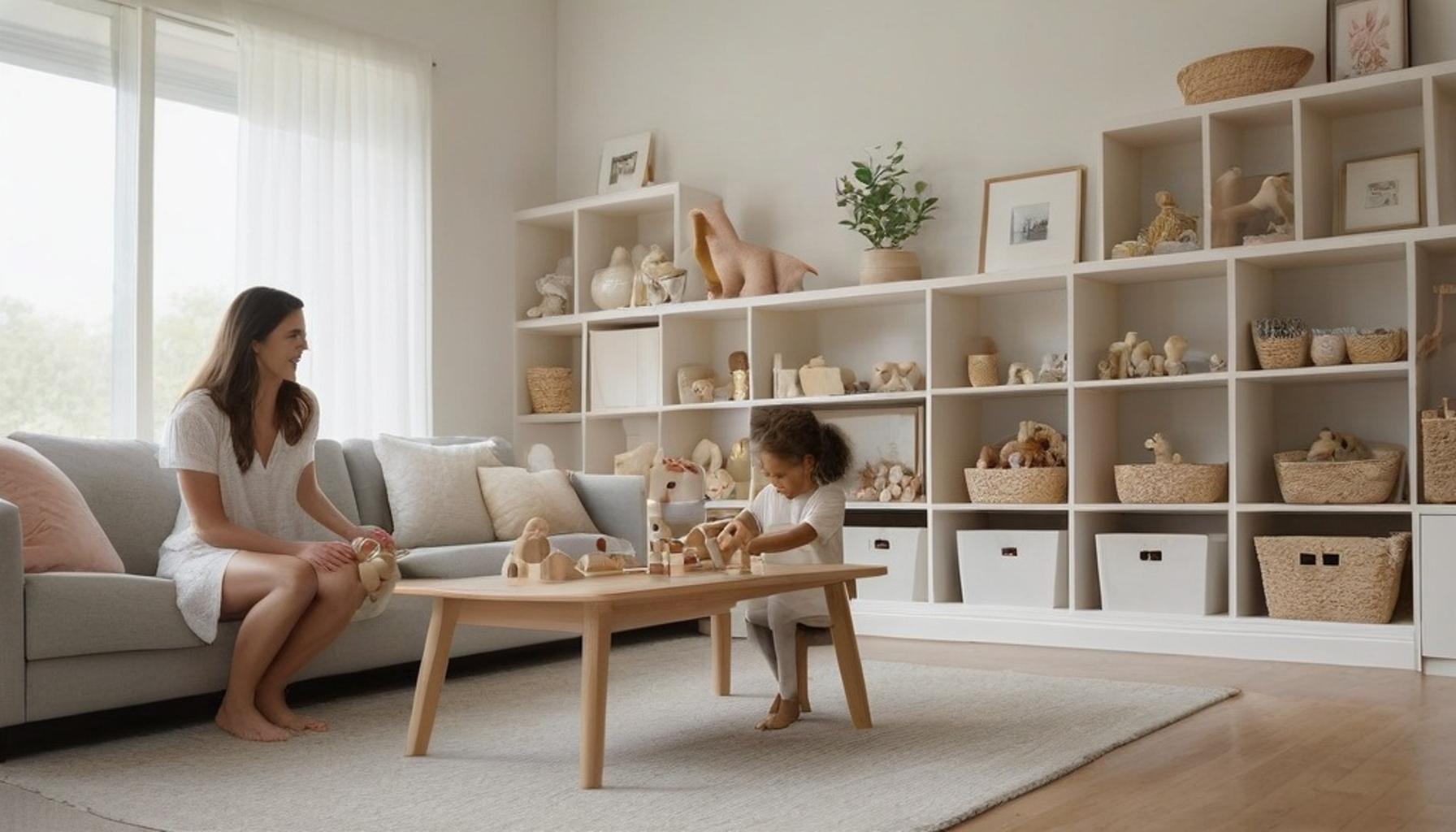
- Toy migration—children’s belongings that travel from playrooms into shared family spaces.
- Textile buildup—throw blankets, extra pillows, and seasonal items that outgrow their storage.
- Decorative drift—well-meaning décor purchases that accumulate faster than they’re rotated out.
Recognizing these patterns helps you target your home organization strategies more precisely, rather than applying generic fixes that don’t address your household’s actual habits.
The Psychology Behind a Tidy Space
There’s genuine science behind why mess feels so mentally taxing. Research from Princeton University’s Neuroscience Institute revealed that visual clutter competes for attention in the brain, reducing our ability to focus and process information efficiently. In practical terms, this means a cluttered living room isn’t just an eyesore—it’s actively working against your ability to relax after work or engage meaningfully with family members.
This is precisely why sustainable decluttering tips matter more than one-time deep cleans. Organizing experts increasingly emphasize systems over sporadic effort, since habits rooted in daily routines tend to stick far longer than New Year’s resolution-style purges that fizzle out by February.
With these underlying causes in mind, the next step is building a living room that works with your lifestyle instead of against it—starting with smart storage choices that address clutter at its source.
| Category | Details |
|---|---|
| Decluttering Tips | Start with a clear-out. Remove items that no longer spark joy or serve a purpose. |
| Living Room Storage Solutions | Incorporate multi-functional furniture such as ottomans with hidden storage or shelving units. |
| Interior Organization Ideas | Use decorative boxes or baskets to keep items organized and visually appealing. |
| Effective Home Organization | Establish designated zones for various activities, ensuring everything has its place. |
DIVE DEEPER: Click here to discover minimalist kitchen ideas
Living Room Storage Solutions That Actually Work
Once you’ve identified your household’s clutter triggers, the next move is choosing furniture and systems that do double duty. Smart living room storage solutions aren’t about buying more bins—they’re about making storage disappear into the design itself.
Multifunctional furniture has become a cornerstone of effective home organization for a simple reason: American living rooms average just 340 square feet, according to the National Association of Home Builders. That’s not much room to spare for bulky standalone storage units.
Furniture That Earns Its Keep
Consider swapping single-purpose pieces for ones that pull double duty:
- Ottomans with hidden storage—perfect for stashing blankets, remotes, or children’s toys out of sight.
- Coffee tables with drawers or shelving—ideal for corralling magazines, coasters, and charging cables.
- Media consoles with closed cabinetry—hide electronics and cords while keeping the aesthetic streamlined.
- Floating wall shelves—free up floor space while displaying curated items rather than everything you own.
- Console tables with baskets underneath—great for shoes, bags, or seasonal accessories near entryways.
Interior designers often point to the “one entry, one exit” rule for décor: for every new item that comes into the living room, something else should leave. This simple habit prevents the slow creep of decorative drift mentioned earlier.
Zoning: The Secret Weapon of Interior Organization Ideas
Professional organizers increasingly recommend zoning—dividing the living room into functional sections rather than treating it as one big open space. This is one of the most effective interior organization ideas for multipurpose rooms.
A typical zoning setup might include a reading corner with a designated basket for books, a media zone with concealed cable management, and a game or hobby zone with a closed cabinet for supplies. When each zone has its own boundaries and storage, items are far less likely to migrate and pile up elsewhere.
Labeling matters here too. A 2022 study published by the Journal of Environmental Psychology found that households using labeled storage systems maintained organized spaces 45% longer than those relying on memory alone. Clear bins, tags, or even simple handwritten labels reduce the mental load of remembering where things belong—which means less clutter accumulating simply because nobody knew where to put something.
These structural changes lay the groundwork, but true harmony comes from pairing smart storage with daily habits that keep clutter from creeping back in.
DISCOVER MORE: Click here to dive into minimalist kitchen ideas
Building Lasting Harmony in Your Living Space
Creating a clutter-free living room isn’t a weekend project with a finish line. It’s an ongoing relationship between the space and the people who use it every day. The most successful home organization strategies acknowledge this reality instead of promising a one-time fix.
Throughout this discussion, one theme keeps surfacing: clutter rarely appears overnight. It accumulates through small, repeated decisions—an unopened mail pile here, a forgotten toy there. Recognizing those patterns is the first step toward lasting change.
Small Systems, Bigger Payoff
Multifunctional furniture, zoning, and labeled storage aren’t just design trends. They’re practical answers to a real spatial problem, especially in homes where square footage is limited. Together, these living room storage solutions reduce the friction that leads to clutter in the first place.
But furniture alone won’t sustain order. The households that maintain a clutter-free living room long-term tend to treat organization as a habit, not a chore reserved for spring cleaning. A five-minute reset before bed or a weekly basket sweep can prevent small messes from becoming overwhelming projects.
It’s worth remembering that effective home organization looks different in every household. A family with young children will need different decluttering tips than a couple working from home or a retiree downsizing into a smaller space. The underlying principles—reducing entry points for clutter, assigning items a home, and reviewing possessions regularly—apply universally, even as the specifics shift.
Looking Ahead
As more Americans embrace smaller, multifunctional living spaces, the demand for smart interior organization ideas will likely keep growing. Emerging solutions—modular furniture, app-based inventory systems, even AI-assisted decluttering tools—suggest this is a space worth watching.
For now, the fundamentals remain the most reliable path forward: know your triggers, choose furniture that works as hard as you do, and build small daily habits that protect the harmony you’ve created.
Frequently Asked Questions
What are the most effective home organization strategies for small living rooms?
For small living rooms, maximizing vertical space is essential. Consider wall-mounted shelves and multi-functional furniture, such as an ottoman with storage. Decluttering regularly and using baskets or bins can also help keep things organized without taking up too much floor space.
How can I create a clutter-free living room when I have kids?
Involving children in the organization process can be very effective. Designate specific storage areas for their toys and create a routine for tidying up. Use decorative storage solutions that blend with your decor, making it easier for kids to put things away after playtime.
What role does color and decor play in home organization strategies?
Color and decor can greatly influence the perceived organization in a living room. Lighter colors can make a space feel larger and more open, while matching storage solutions with your decor can help to create a cohesive look. Choosing decorative items intentionally can eliminate clutter while still maintaining aesthetic appeal.
How can I maintain my organized living room over time?
To maintain an organized living room, establish a consistent cleaning schedule and dedicate time weekly to tidy up. Make it a habit to reassess your belongings regularly, donating or discarding items that no longer serve a purpose. Engaging the whole family in this process can also foster accountability.
Are there any specific home organization strategies for maximizing storage in living room furniture?
Yes, look for furniture pieces that offer hidden storage, such as coffee tables with drawers or sofas with lift-up compartments. Using storage ottomans or benches can also provide extra space for items while serving as functional seating. Additionally, consider incorporating decorative baskets or bins inside your furniture to keep smaller items out of sight.

Beatriz
Beatriz Johnson is a seasoned minimalist and writer with a passion for simplifying the complexities of personal organization and intentional living. With over a decade of experience in decluttering strategies and mindful consumption, she specializes in topics like space optimization, habit simplification, and sustainable lifestyle choices. Through her work on our website, Beatriz empowers readers to embrace minimalism, reduce mental and physical clutter, and create more meaningful, organized lives in today's fast-paced world.