Smart Storage Solutions for Small Spaces: Maximizing Efficiency in a Minimalist Home
Rethinking Space in America’s Shrinking Homes
The average American apartment has shrunk to just 884 square feet, according to RentCafe data, compelling millions to rethink how they live. Urban dwellers from Brooklyn to San Francisco are uncovering the revelation that square footage doesn’t have to dictate quality of life. This transformation is sparking a profound shift in the way people approach their home environments, leading to innovative solutions that maximize every inch.
Smart Storage Solutions for Small Spaces have emerged as essential tools for renters and homeowners alike who are unwilling to sacrifice functionality for limited space. Vertical space utilization, modular furniture, and multifunctional designs are at the forefront of this movement, allowing individuals to customize their homes while maintaining a sense of style and comfort.
Why This Trend Is Gaining Momentum
Minimalist living has evolved from merely an aesthetic choice to a practical response to the realities of rising rent prices and increasing urban density. More individuals are opting to live in small homes, prompting a heightened demand for innovative designs that promote harmony between style and functionality.
Several driving forces are contributing to this cultural shift:
- Studio and micro-apartments are increasingly prevalent in major U.S. cities, often lauded for their affordability and convenience, especially among young professionals.
- The rise of remote work has led many to create multi-purpose rooms that can transition from a workspace to a living area with ease.
- Modern consumers are seeking efficient storage solutions for apartments that marry form and function, such as stylish Murphy beds that fold away to free up floor space.
- Sustainability concerns are prompting people to declutter and reimagine small spaces, fostering a culture that values conscious consumption over expansion.
What This Article Covers
This guide delves into practical, tested strategies for transforming cramped quarters into organized, breathable environments. Readers can anticipate discovering an array of creative solutions, from vertical shelving systems that optimize wall space to hidden compartments tucked away in furniture.
Additionally, expect to find real-world examples of space-saving furniture for small living, along with actionable tips that anyone can implement over a weekend. Whether it’s utilizing under-bed storage or investing in collapsible dining sets, the goal is straightforward: to achieve more storage, reduce clutter, and create a living space that feels harmonious and functional. By embracing these strategies, individuals can enhance their quality of life, regardless of the size of their home.
DISCOVER MORE: Click here to dive into minimalist kitchen ideas
Vertical Thinking: The Foundation of Minimalist Home Storage Ideas
In urban settings where space is often at a premium, interior designers have adopted a mantra that can transform even the most cramped living areas: if you can’t expand outward, build upward. This philosophy lies at the core of innovative Smart Storage Solutions for Small Spaces and is fundamentally changing how Americans approach furnishing their homes, from compact Chicago studios to one-bedroom apartments in Austin.
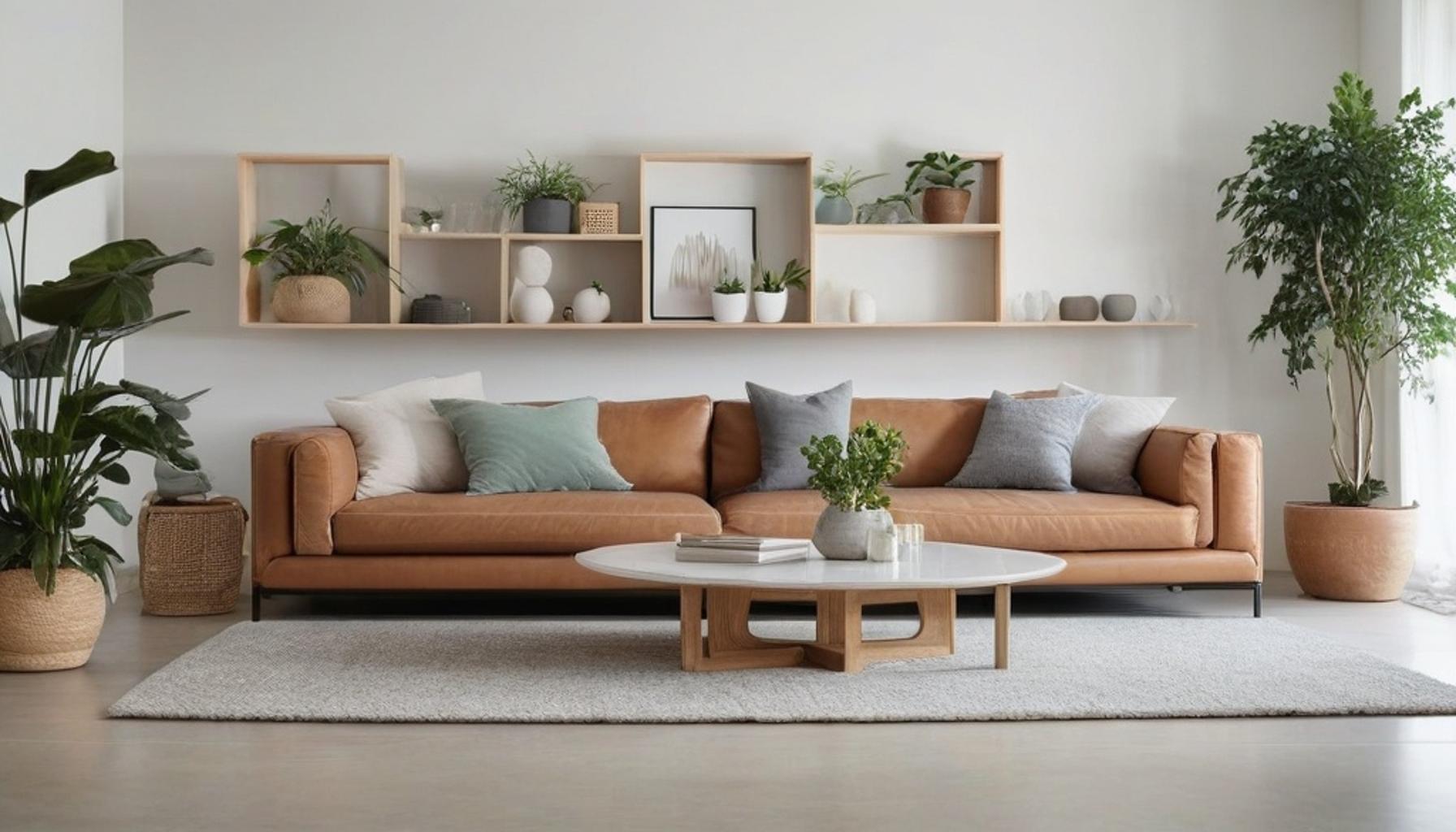
Consider the implementation of wall-mounted shelving units. These versatile fixtures can turn an unused stretch of wall into a practical library, a pantry overflowing with spices, or a striking display case for cherished photographs and mementos, all while preserving essential walking space. Floating shelves, in particular, not only create a sense of openness but also provide ample room for organization—allowing for easy access to everything from books to decorative items, without the intrusion of bulky furniture.
Practical Vertical Storage Strategies
For homeowners and renters eager to embrace the Maximizing space in small homes trend, there are several effective strategies to consider:
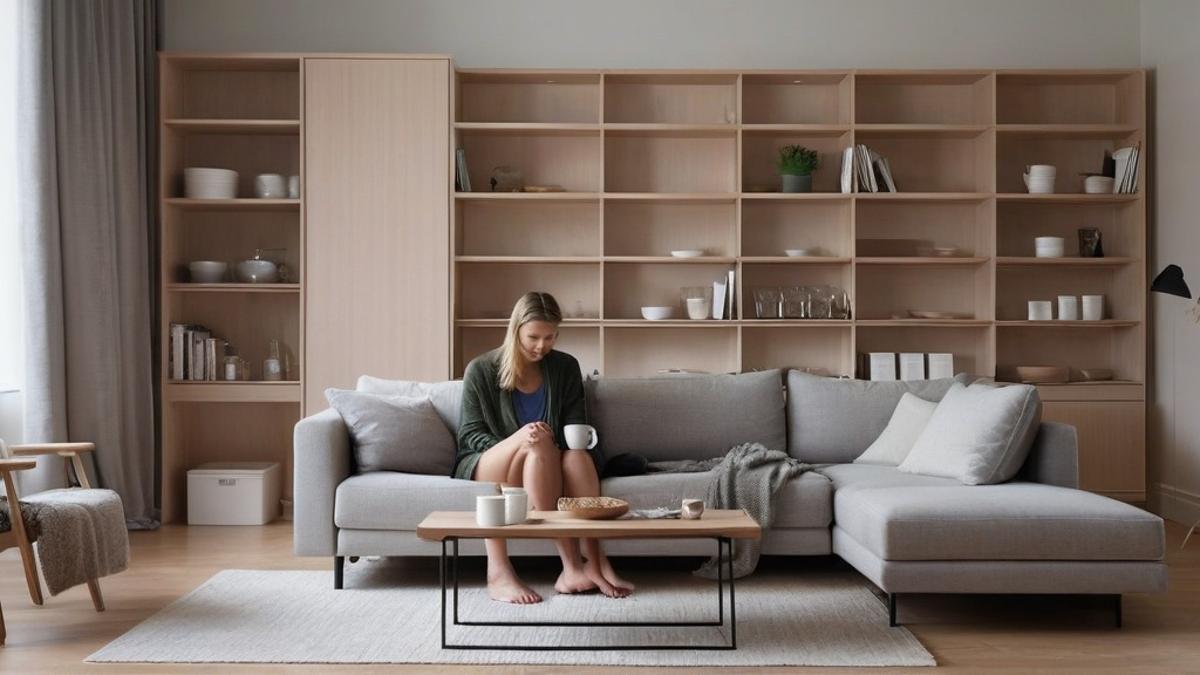
- Ceiling-height bookshelves serve dual purposes: they draw the eye upward, creating an illusion of greater height while simultaneously maximizing storage. These shelves can house everything from books to knick-knacks, allowing for personal expression without sacrificing floor space.
- Pegboard organizational systems in kitchens have become increasingly popular. Perfect for displaying cooking essentials, these customizable boards can hold pots, utensils, and even small appliances, making cooking more efficient and visually appealing.
- Over-the-door racks are ingenious solutions for utilizing those typically wasted vertical areas in closets and bathrooms. These racks can accommodate everything from towels to accessories, turning an ordinary door into a functional storage canvas.
- Stackable modular cubes are an excellent choice for those who value flexibility. These cubes can be rearranged to fit evolving needs, making them ideal for renters who may relocate frequently.
In fact, a 2023 survey conducted by the National Association of Home Builders found that nearly 72% of urban renters had installed some form of vertical storage within their first year of moving into smaller living spaces. This statistic highlights a noticeable shift in mindset: height, rather than mere square footage, now plays a crucial role in determining a home’s storage capabilities.
Closets Reimagined as Multi-Zone Systems
The traditional closet, which typically features just a solitary rod and a shelf, is swiftly becoming a relic of the past, particularly in homes where space is tightly constrained. Companies like California Closets and IKEA’s PAX system are leading the charge toward customizable storage options that effectively divide closet spaces into distinct zones tailored for shoes, folded clothes, and accessories.
Moreover, this zoned approach doesn’t stop at the bedroom. Entryway closets, which were once reserved solely for coats, are now being reimagined as multi-functional command centers, complete with hooks for bags, cubbies for mail, and even fold-out desks for quick organizational tasks. These efficient storage solutions for apartments illustrate how one area can serve multiple household functions, maximizing both utility and efficiency.
As more Americans turn to compact living arrangements—whether to save on rent or embrace a more minimalist lifestyle—the emphasis on vertical and zoned storage reveals an essential truth: efficiency isn’t merely about occupying less space, but rather about strategically using every inch to its fullest potential.
| Category | Details |
|---|---|
| Multi-Functional Furniture | Incorporating space-saving furniture for small living, such as sofa beds or ottomans with storage, allows maximum use of every square foot. |
| Vertical Storage Solutions | Utilizing walls with shelves and hooks creates more efficient storage solutions for apartments while minimizing floor space clutter. |
| Hidden Storage | Furniture that conceals items, such as bed frames with drawers, complements a minimalist home storage style, contributing to a clean and organized appearance. |
DISCOVER MORE: Click here to explore minimalist kitchen ideas
Multipurpose Furniture: The Secret Weapon of Space-Saving Design
While vertical storage tackles the walls and ceilings, another revolution is happening at floor level. Space-saving furniture for small living has moved far beyond the flimsy futons of college dorm rooms, evolving into sophisticated pieces engineered specifically for dual functionality.
Take the humble ottoman, for instance. Once merely a footrest, it’s now frequently a hollow storage vault, capable of hiding blankets, seasonal clothing, or board games beneath a cushioned lid. Similarly, Murphy beds—once associated with cramped 1970s apartments—have undergone a stylish makeover, now integrating built-in shelving, desks, and even sofas into their folded-up configurations.
Furniture That Works Overtime
Retailers across the United States have taken note of this shift toward multifunctionality. Companies like West Elm and Resource Furniture now specialize in transformable pieces that adapt to a household’s changing needs throughout the day.
- Storage beds with lift-up frames convert the often-wasted space beneath a mattress into a hidden closet, ideal for storing luggage, extra linens, or off-season wardrobes.
- Nesting coffee tables allow for expanded surface area during gatherings, then collapse into a compact footprint when not in use.
- Extendable dining tables can seat two for a quiet weeknight dinner or stretch to accommodate eight guests during holidays, eliminating the need for a separate, rarely-used dining set.
- Fold-down wall desks provide a functional workspace for remote employees without permanently sacrificing square footage in a studio apartment.
According to a 2022 report from Statista, sales of multifunctional and space-saving furniture in the U.S. grew by 34% between 2019 and 2022, a trend largely attributed to the rise of remote work and smaller urban housing developments. This data suggests that convenience alone isn’t driving the market; necessity is reshaping consumer expectations.
Decluttering as a Long-Term Strategy
Furniture and shelving can only do so much if a home is already overwhelmed with unnecessary belongings. Decluttering small spaces has therefore become an essential companion practice to any physical storage upgrade.
Professional organizers, including members of the National Association of Productivity and Organizing Professionals (NAPO), often recommend the “one-in, one-out” rule: for every new item brought into the home, an existing item must be donated, sold, or discarded. This simple habit prevents the slow creep of clutter that can undermine even the most thoughtfully designed storage system.
Digital solutions are also playing a role. Many households are scanning important documents, photographs, and receipts to reduce paper accumulation, freeing up drawer and filing space that was once considered non-negotiable.
Together, multipurpose furniture and consistent decluttering habits form a powerful duo, proving that efficient living isn’t just about clever design purchases, but also about sustained behavioral change within the household.
Smart Storage Solutions for Small Spaces: The Bigger Picture
From ceiling-high shelving to fold-away desks, one truth becomes clear: Smart Storage Solutions for Small Spaces are no longer a niche interest reserved for tiny-house enthusiasts. They’ve become a mainstream necessity for millions of Americans navigating rising rents and shrinking square footage in cities like New York, San Francisco, and Chicago.
Maximizing space in small homes isn’t achieved through a single purchase or a weekend project. It’s the cumulative result of strategic choices—vertical shelving that reclaims unused wall space, multifunctional furniture that adapts to daily routines, and consistent decluttering habits that prevent backsliding into chaos.
What the Data Really Tells Us
The 34% surge in multifunctional furniture sales between 2019 and 2022 wasn’t just a passing trend tied to pandemic-era living. It signaled a lasting shift in how Americans define comfort and functionality within compact footprints.
As remote work continues and urban housing costs remain stubbornly high, industry analysts expect demand for efficient storage solutions for apartments to keep climbing well beyond 2025.
This raises an interesting question worth exploring further: will future apartment developments be designed around built-in smart storage from the ground up, rather than leaving renters to retrofit solutions after move-in?
Final Thoughts on Minimalist Living
Ultimately, minimalist home storage ideas succeed not because they eliminate belongings entirely, but because they create intentional systems where everything has a designated place.
Consider starting small: audit one closet, invest in a single piece of transformable furniture, or commit to the one-in, one-out rule for thirty days.
Small spaces don’t have to mean small living. With the right combination of design, discipline, and a willingness to rethink conventional layouts, any home—no matter its square footage—can function with remarkable efficiency and style.
Frequently Asked Questions
What are some specific smart storage solutions for maximizing closet space in small apartments?
To maximize closet space in small apartments, consider using multi-tiered hangers, vacuum storage bags for seasonal clothing, and shelf dividers. Additionally, incorporating over-the-door organizers and installing hooks or pegboards can help utilize vertical space effectively, keeping your closet tidy and efficient.
How can I create more storage in a small kitchen without sacrificing style?
In a small kitchen, utilize stylish wall-mounted shelves to display frequently used items and decorative storage jars. Consider buying nesting bowls and stackable containers to save space, and don’t overlook the potential of under-sink organizers and magnetic strips for kitchen tools.
What furniture designs work best for providing hidden storage in small living rooms?
Look for multifunctional furniture like ottomans with interior storage, coffee tables that lift to reveal storage underneath, and sofas with concealed compartments. Additionally, using benches or daybeds with drawers can enhance seating while keeping clutter out of sight.
How can I incorporate smart storage solutions into a small bedroom without feeling cramped?
To keep a small bedroom feeling open, opt for minimalist furniture that offers storage, such as a bed frame with built-in drawers and bedside tables with shelves. Utilize vertical storage like narrow bookshelves and wall-mounted units to draw the eyes upward, which creates an impression of a larger space.

Beatriz
Beatriz Johnson is a seasoned minimalist and writer with a passion for simplifying the complexities of personal organization and intentional living. With over a decade of experience in decluttering strategies and mindful consumption, she specializes in topics like space optimization, habit simplification, and sustainable lifestyle choices. Through her work on our website, Beatriz empowers readers to embrace minimalism, reduce mental and physical clutter, and create more meaningful, organized lives in today's fast-paced world.