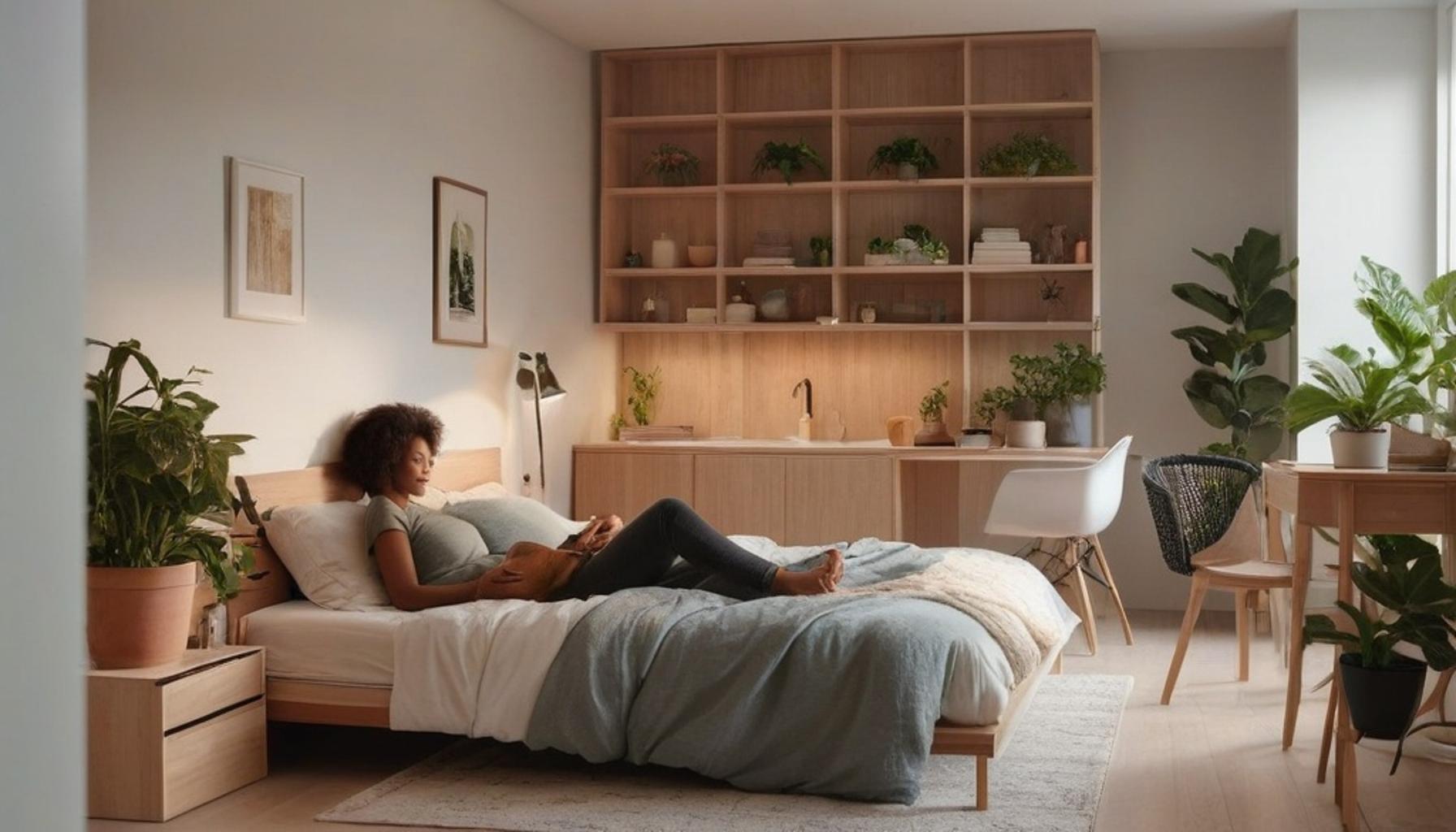
Smart Storage Solutions: Organizing Your Home with a Minimalist Mindset and Practical Organization Hacks
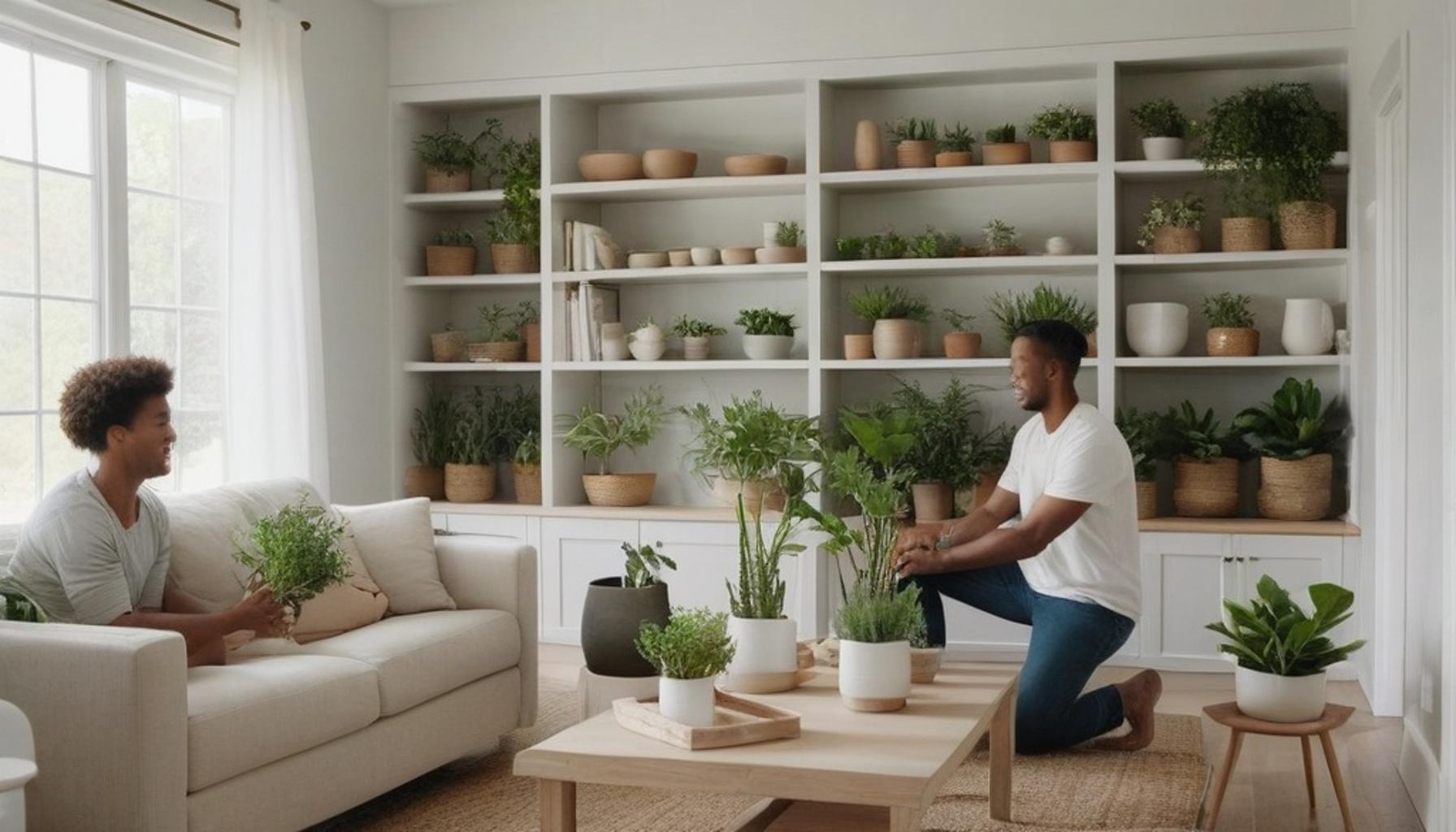
Rethinking Clutter: Why Smart Storage Solutions Matter Now
Americans spend an average of 2.5 days per year searching for misplaced items, according to organizational studies. That’s time and mental energy most households can’t afford to waste. Coupled with the daily hustle of work and family commitments, disorganization can become a significant burden, leading to frustration and stress.
Enter Smart Storage Solutions: a growing movement blending minimalist home organization with everyday practicality. It’s not merely about owning less; rather, it focuses on creating systems that work effectively for the unique demands of each household. Achieving this balance opens the pathway to a more efficient and serene living environment.
The Minimalist Mindset Shift
Minimalism has evolved beyond bare white walls and empty countertops. Today, it’s a strategic approach to intentional living that prioritizes function over accumulation, enabling individuals to reclaim their time and mental space. This new wave of minimalism encourages individuals to assess their possessions meaningfully.
This shift is particularly significant in small spaces, where every square foot counts. Consider these common challenges faced by many urban dwellers:
- Overcrowded closets filled with clothes that are rarely worn, which can lead to stress each morning as you sift through options.
- Kitchen cabinets overflowing with duplicate tools and gadgets that only serve to clutter rather than enhance your cooking experience.
- Entryways cluttered with shoes, bags, and mail, creating a chaotic first impression for guests and making it difficult to find essential items.
- Garages that no longer fit actual vehicles due to the accumulation of seasonal decorations and unused equipment.
What This Article Covers
This guide dives into storage hacks for small spaces that require minimal investment but deliver maximum impact. Expect practical, tested solutions rather than aspirational Pinterest boards that often fall short of real-world applicability. These solutions will provide a refreshing perspective on household management.
You’ll discover decluttering strategies designed for real American homes—from studio apartments in bustling cities like Chicago, teeming with people, to suburban houses in Texas, where families must juggle varied needs. Each tip focuses on sustainable habits rather than quick fixes that unravel within weeks.
Ready to transform chaos into calm? Let’s explore minimalist living solutions that genuinely fit your lifestyle and empower you to take control of your space, minimize distractions, and reclaim your precious time. The journey toward a clutter-free home starts here, inviting you to embrace the beauty of simplicity in a complex world.
DISCOVER: Click here to delve into minimalist kitchen design
Zone-Based Organization: The Foundation of Smart Storage Solutions
Before buying a single bin or shelf, professional organizers agree on one principle: zoning. This approach to minimalist home organization involves assigning every item a designated “home” based on function and frequency of use, rather than scattering belongings wherever there’s empty space.
Zoning works because it mirrors how retail stores organize inventory. Grocery stores group similar products together for a reason—it reduces search time and prevents overbuying. Applying this same logic at home means grouping items by purpose: cooking tools near the stove, office supplies in one drawer, cleaning products under a single sink.
How to Create Functional Zones in Any Room
Creating zones doesn’t require a renovation budget. It requires observation and intention. Start by tracking how you actually move through your space for a few days.
- Identify high-traffic areas like entryways, kitchen counters, and nightstands where clutter naturally accumulates.
- Group similar items together, even if they currently live in different rooms—all chargers, all batteries, all pet supplies.
- Assign a container for each zone, whether that’s a labeled basket, a drawer divider, or a wall-mounted hook system.
- Place zones near their point of use—coffee mugs near the coffee maker, not in a cabinet across the kitchen.
This method is especially powerful as one of the most effective storage hacks for small spaces. In a 600-square-foot apartment in Brooklyn or a compact bungalow in Austin, there’s no room for inefficiency. Every drawer and shelf must earn its place.
The 90-Second Rule
Professional organizer Marie Kondo popularized decluttering strategies focused on joy, but a lesser-known metric matters just as much: retrieval time. If it takes longer than 90 seconds to find or put away an item, the system has failed.
This rule exposes hidden inefficiencies. Maybe your winter coats are stored behind seasonal decorations, or your kids’ school supplies are buried under old paperwork. Applying the 90-second test to every zone in your home reveals exactly where practical organization tips need to be implemented.
Once zones are established, the next challenge becomes selecting the right storage tools to support them—an essential step in any lasting minimalist living solution.
DON’T MISS: Click here to discover the beauty of a minimalist kitchen
Choosing the Right Storage Tools for Lasting Results
Not all containers are created equal. The market is flooded with trendy bins and baskets, but true Smart Storage Solutions depend on matching the tool to the task, not the aesthetic trend. A woven basket might look stylish on Pinterest, but if it has no lid and lives in a garage in Phoenix, it will collect dust and desert debris within weeks.
Professional organizers recommend evaluating three factors before purchasing any storage product: material durability, visibility, and stackability. Clear bins, for instance, consistently outperform opaque ones because they eliminate the guesswork—no more pulling out five containers to find one holiday decoration.
Vertical Space: The Most Underused Resource
Most American homes waste significant square footage by ignoring vertical space. Walls, the backs of doors, and even ceiling areas in garages remain empty while floors get crowded with clutter.
- Install floating shelves above desks or in kitchens to free up counter space for daily tasks.
- Use pegboards in garages or craft rooms, a favorite among DIY enthusiasts in the Midwest for organizing tools and supplies.
- Add over-the-door organizers in bathrooms and closets to capture an entirely new storage layer without construction.
- Stack bins vertically in pantries using labeled tiers for snacks, canned goods, and baking supplies.
This vertical approach is one of the most reliable storage hacks for small spaces, particularly in cities like San Francisco or New York, where square footage costs a premium and every inch matters.
The Power of Uniformity
Mixing container shapes and sizes might seem harmless, but it actually undermines minimalist home organization. Uniform bins stack more efficiently, create visual calm, and make labeling systems easier to maintain across an entire home.
A 2023 survey by the National Association of Productivity and Organizing Professionals found that 68% of clients who switched to matching storage containers reported feeling less stressed in their own homes within thirty days. This statistic reinforces a core idea behind minimalist living solutions: visual clutter directly impacts mental clutter.
When selecting tools, prioritize function over decoration. Labels, whether handwritten or printed, transform generic bins into a decluttering strategy that anyone in the household can follow, from young children to houseguests unfamiliar with the layout.
DIVE DEEPER: Click here to discover more about minimalist kitchens
Bringing It All Together: A Lasting Path to an Organized Home
Building a clutter-free home is not about a single weekend overhaul. It is an ongoing practice that blends mindset, strategy, and the right tools. Throughout this article, one truth stands out: Smart Storage Solutions succeed when they address root habits, not just surface mess.
From decluttering strategies that force intentional decision-making to vertical storage hacks for small spaces, every technique shares a common goal—reducing friction in daily life. When items have designated homes, decisions become automatic, and mental energy is preserved for things that actually matter.
Small Choices, Measurable Impact
The data referenced earlier, including the significant drop in reported stress after adopting uniform storage systems, confirms what organizing professionals across the United States have observed for years. Physical order translates directly into psychological relief.
This is the essence of minimalist home organization: it is not about owning less for the sake of appearances, but about creating systems that genuinely support how people live, work, and relax at home.
- Start small with one drawer, closet, or shelf before tackling entire rooms.
- Choose consistency over trendy, mismatched storage products.
- Reassess seasonally, since needs shift with holidays, weather, and life changes.
A Fresh Perspective Moving Forward
Readers in cramped city apartments and spacious suburban homes alike can apply these principles, adjusting scale rather than strategy. Whether it is a pegboard in a Midwest garage or a labeled pantry system in a Brooklyn kitchen, practical organization tips remain universally relevant.
Ultimately, minimalist living solutions invite homeowners to view storage not as a chore, but as an investment in daily peace of mind, one deliberate choice at a time.
Frequently Asked Questions
What are some examples of smart storage solutions for small apartments?
For small apartments, consider multi-functional furniture like ottomans with storage, under-bed storage boxes, and wall-mounted shelves. Utilizing vertical space and creating zones with baskets can also maximize efficiency. Additionally, consider using hooks for accessories and sliding bins in closets to keep everything organized.
How can I incorporate a minimalist mindset into my storage solutions?
To adopt a minimalist mindset in your storage solutions, start by decluttering and only keep items that serve a purpose or bring you joy. Invest in quality storage containers that are aesthetically pleasing and functional. Focus on maximizing space efficiency by creating designated areas for each category of items to promote easy access and organization.
What practical organization hacks can help in a cluttered garage?
In a cluttered garage, practical organization hacks include using pegboards for tool storage, clear bins for seasonal items, and wall-mounted racks for bikes and ladders. Additionally, labeling containers and using tiered shelving can enhance access and visibility of your items. Consider dividing the garage into zones, such as gardening, automotive, and sports, to improve organization.
How can I use smart storage solutions to organize a child’s playroom?
To organize a child’s playroom using smart storage solutions, incorporate labeled bins and baskets for easy categorization of toys. Use vertical shelving to store books and games, and consider low shelves that children can reach. Adding a dedicated calm-down corner with cushions and a soft rug can also create a functional and inviting space.

Beatriz
Beatriz Johnson is a seasoned minimalist and writer with a passion for simplifying the complexities of personal organization and intentional living. With over a decade of experience in decluttering strategies and mindful consumption, she specializes in topics like space optimization, habit simplification, and sustainable lifestyle choices. Through her work on our website, Beatriz empowers readers to embrace minimalism, reduce mental and physical clutter, and create more meaningful, organized lives in today's fast-paced world.