Efficient Storage Hacks: Organizing Every Room for a Minimalist Lifestyle
Reclaiming Space, One Room at a Time
The average American home holds over 300,000 items, according to the LA Times. Despite this staggering number, many individuals only regularly use a fraction of these possessions. As a result, clutter does more than just fill closets; it siphons off mental energy while concurrently shrinking the sense of peace that a home should provide. This is where the concept of efficient storage hacks becomes vital for creating a harmonious living environment.
This guide delves into practical, room-by-room strategies that allow for organization without compromising on aesthetic appeal. Whether you reside in a cozy city apartment or a larger suburban home filled to the brim, there’s an innovative way to store, organize, and simplify your living space.
Why Minimalist Organization Matters Now
Interest in minimalist lifestyle hacks has burgeoned in recent years, with Google Trends indicating that searches for decluttering tips have risen steadily year over year. People aren’t merely striving for tidiness; they are seeking liberation from the burden of excess. This shift in mindset is central to understanding why minimalism resonates with so many today.
- Storage solutions for small spaces maximize vertical and hidden areas. For example, using shelves above door frames can transform wasted space into functional storage.
- Decluttering ideas for home are designed to streamline daily routines, such as implementing a “one-in-one-out” rule for belongings.
- Multi-functional furniture, such as ottomans that double as storage units, can adapt to tight square footage while maintaining style.
- Simple systems for organizing every room, from kitchens to entryways, encourage habit formation and make it easier to maintain order.
What follows isn’t just theory; it’s a collection of tested, actionable methods, grounded in real life. Each suggestion is crafted to inspire you to rethink how your space works, room by room. By doing so, you can ensure that clutter never gets the upper hand again, fostering a home environment that is both functional and tranquil.
DISCOVER: Click here for minimalist kitchen inspiration
Kitchen Command Center: Where Efficient Storage Hacks Begin
The kitchen is often the busiest room in any American household, yet it’s also where clutter multiplies fastest. Countertops become dumping grounds for mail, gadgets pile up in drawers, and pantries turn into mazes of half-used products. Tackling this space first sets the tone for the rest of your home’s transformation.
According to a 2023 survey by the National Association of Productivity and Organizing Professionals, disorganized kitchens cost the average household nearly 30 minutes daily in time spent searching for items. That’s over 180 hours a year—time that could be reclaimed with smarter systems.
Vertical Thinking for Horizontal Problems
Most kitchens waste valuable vertical real estate. Instead of letting wall space go unused, consider these storage solutions for small spaces:
- Install magnetic strips inside cabinet doors to hold spice jars, freeing up shelf space entirely.
- Use tension rods inside cabinets to create separate compartments for baking sheets and cutting boards.
- Mount pegboards on empty walls to hang pots, utensils, and even small potted herbs.
- Stack clear bins in pantries labeled by category—grains, snacks, canned goods—so contents are visible at a glance.
These aren’t just organizational tricks; they’re part of a broader philosophy rooted in minimalist organization tips that prioritize accessibility over accumulation.
The Drawer Audit Method
One of the most overlooked decluttering ideas for home is what professional organizers call the “drawer audit.” This involves emptying a single drawer completely, then only returning items used within the past month. Anything else gets donated, discarded, or relocated to deep storage.
Kitchen gadget clutter is a prime example. Studies from consumer research firms suggest the average American kitchen contains upwards of 15 single-use gadgets, many of which haven’t been touched in over a year. Applying the drawer audit method here can free up significant space almost instantly.
Combining this with clear, labeled containers transforms chaotic drawers into functional zones. It also reinforces habit formation, a cornerstone of sustainable minimalist lifestyle hacks that stick long after the initial decluttering session ends.
By addressing the kitchen first, homeowners often experience a ripple effect. The clarity gained from an organized cooking space tends to motivate further action throughout the rest of the house, proving that organizing every room doesn’t have to happen all at once—it can start with just one drawer.

DISCOVER MORE: Click here for minimalist kitchen inspiration
# Efficient Storage Hacks: Organizing Every Room for a Minimalist Lifestyle
Bedroom and Closet Solutions That Maximize Every Inch
If the kitchen is where clutter multiplies, the bedroom closet is where it hides. Americans own more clothing than ever—the average household closet holds an estimated 103 garments, yet nearly a third of those pieces go unworn for over a year, according to retail industry studies. This gap between ownership and actual use is where smart storage solutions for small spaces make the biggest difference.
The Underutilized Closet Ceiling
Most closets stop being functional about five feet up, leaving the top third of vertical space empty. Adding stackable bins or a second hanging rod above eye level can instantly double storage capacity without expanding the room’s footprint.
Other closet-specific efficient storage hacks worth adopting include:
- Slim velvet hangers that reduce garment slippage and save up to 50% more space than bulky plastic ones.
- Over-the-door shoe organizers repurposed for folded items like scarves, belts, or workout gear.
- Vacuum-sealed storage bags for seasonal clothing, particularly bulky winter coats common in colder states like Minnesota or Vermont.
- Drawer dividers that separate categories such as socks, undergarments, and accessories into visible sections.
Under-the-Bed Real Estate
Beneath most beds lies an overlooked storage zone. Rolling bins or flat drawer systems designed specifically for this space can hold extra linens, off-season shoes, or important documents—items that don’t need daily access but shouldn’t be discarded.
This approach aligns with core minimalist organization tips: keep frequently used items within arm’s reach, and store everything else in spaces that would otherwise go to waste.
The One-Year Rule for Closets
Professional closet designers often recommend a simple test. If a garment hasn’t been worn in twelve months, it likely won’t be worn in the next twelve either. This single rule, when applied consistently, has helped many households reduce closet contents by 30% or more within a single decluttering session.
Pairing this rule with clear bins, labeled shelves, and vertical hanging solutions turns bedrooms into calmer, more functional spaces. It’s a practical example of how decluttering ideas for home extend beyond simply throwing things away—they’re about creating systems that make staying organized effortless.
As with the kitchen, tackling the bedroom closet often reveals a pattern: clutter isn’t usually about having too little space, but about using the space available inefficiently. This insight becomes essential as the process of organizing every room continues into shared living areas and beyond.
# Efficient Storage Hacks: Organizing Every Room for a Minimalist Lifestyle
Bringing It All Together: A Smarter Way to Live
From the kitchen counters to the closet ceiling, one truth becomes clear: clutter rarely stems from a lack of square footage. It stems from unused potential hiding in plain sight. Whether it’s vertical space above a hanging rod or a forgotten zone beneath the bed, the real estate already exists in most American homes—it simply needs a system.
Throughout this guide, the recurring theme has been intentionality. Efficient Storage Hacks aren’t about buying more containers or gadgets; they’re about matching storage to actual behavior. Items used daily stay accessible. Items used rarely move out of sight without being discarded entirely.
Small Changes, Measurable Results
The numbers speak for themselves. Households applying the one-year closet rule report clearing out 30% or more of their wardrobe in a single session. Kitchens organized with drawer dividers and stackable shelving often reclaim entire cabinets once thought too small to be useful. These aren’t abstract promises—they’re outcomes reported consistently across organizing case studies and retail behavior research.
A Mindset, Not Just a Method
Adopting minimalist lifestyle hacks means treating every room as a puzzle with an existing solution, not a problem requiring new furniture or a bigger house. The same principles applied to a bedroom closet—vertical thinking, category grouping, honest evaluation of use—translate directly to living rooms, home offices, entryways, and garages.
For readers ready to continue this process, the next logical step is auditing one room at a time rather than attempting a full-house overhaul in a single weekend. Sustainable decluttering ideas for home tend to succeed when they’re incremental, measurable, and revisited seasonally.
Ultimately, organizing every room isn’t a one-time project but an ongoing relationship with the space people inhabit daily. The homes that stay clutter-free long-term are the ones where storage systems evolve alongside changing needs—proof that minimalism, done well, is less about owning less and more about living smarter.
Frequently Asked Questions
What are some efficient storage hacks for small apartments?
In small apartments, maximizing vertical space is crucial. Consider installing shelves high up on walls to store books or decorative items. Also, use multifunctional furniture, like ottomans that double as storage boxes, or beds with built-in drawers, to keep your belongings organized without sacrificing living space.
How can I effectively organize my kitchen using efficient storage hacks?
To organize your kitchen, use clear bins to categorize items in your pantry and install hooks or magnetic strips on walls for pots and utensils. Drawer organizers can keep utensils separated, while tiered shelves can make pantry items more accessible. Remember to vertically stack pots and use the inside of cabinet doors for additional storage surface.
What are some efficient storage hacks for maximizing closet space?
To maximize closet space, invest in slimline hangers to create more room for clothing. Adding shelves above the hanging rod can provide additional storage for shoes or folded items. Use labeled bins or baskets on the top shelves for seasonal clothing and accessories, ensuring everything remains easy to access yet neatly organized.
Can efficient storage hacks help reduce clutter in my living room?
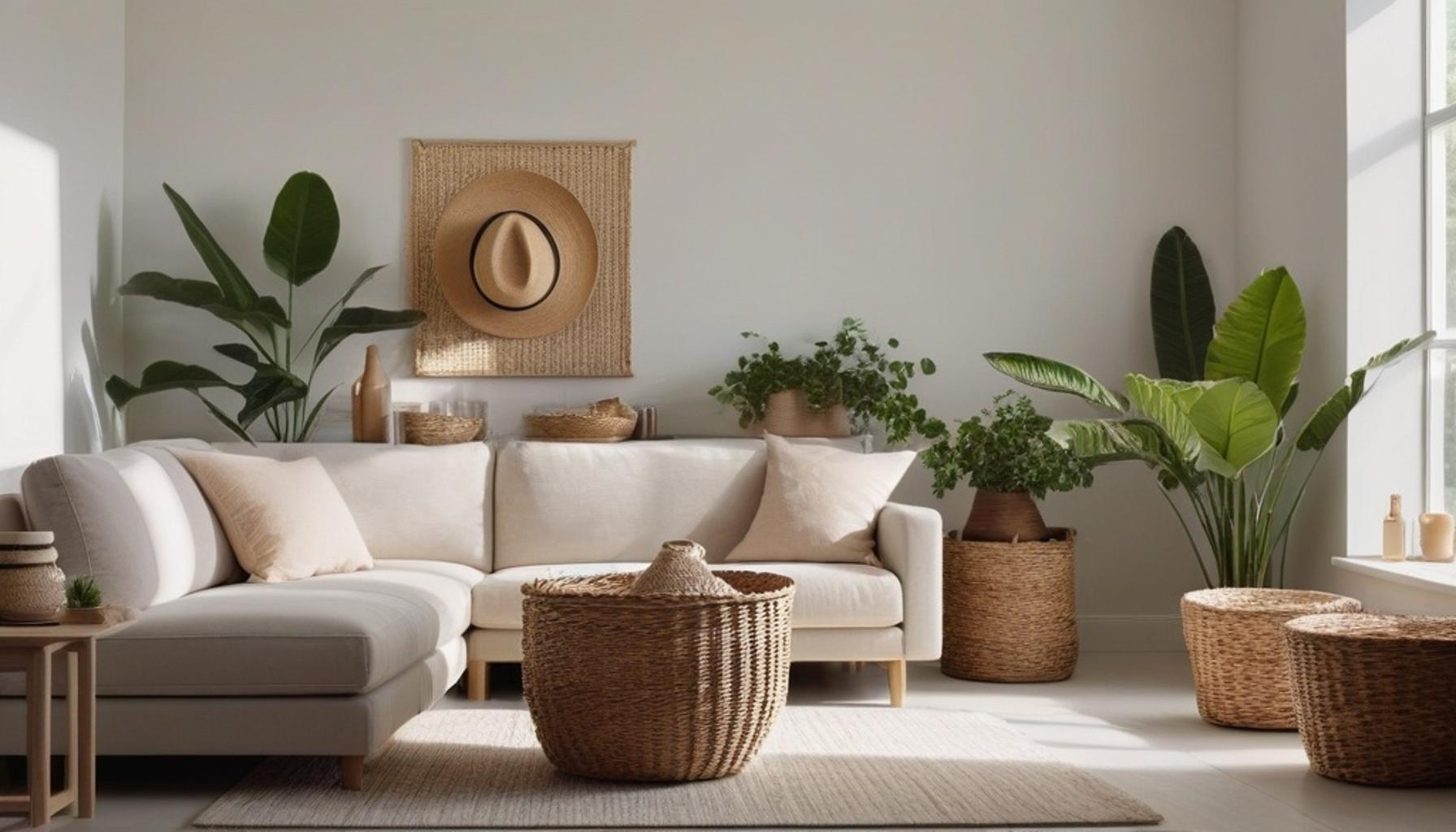
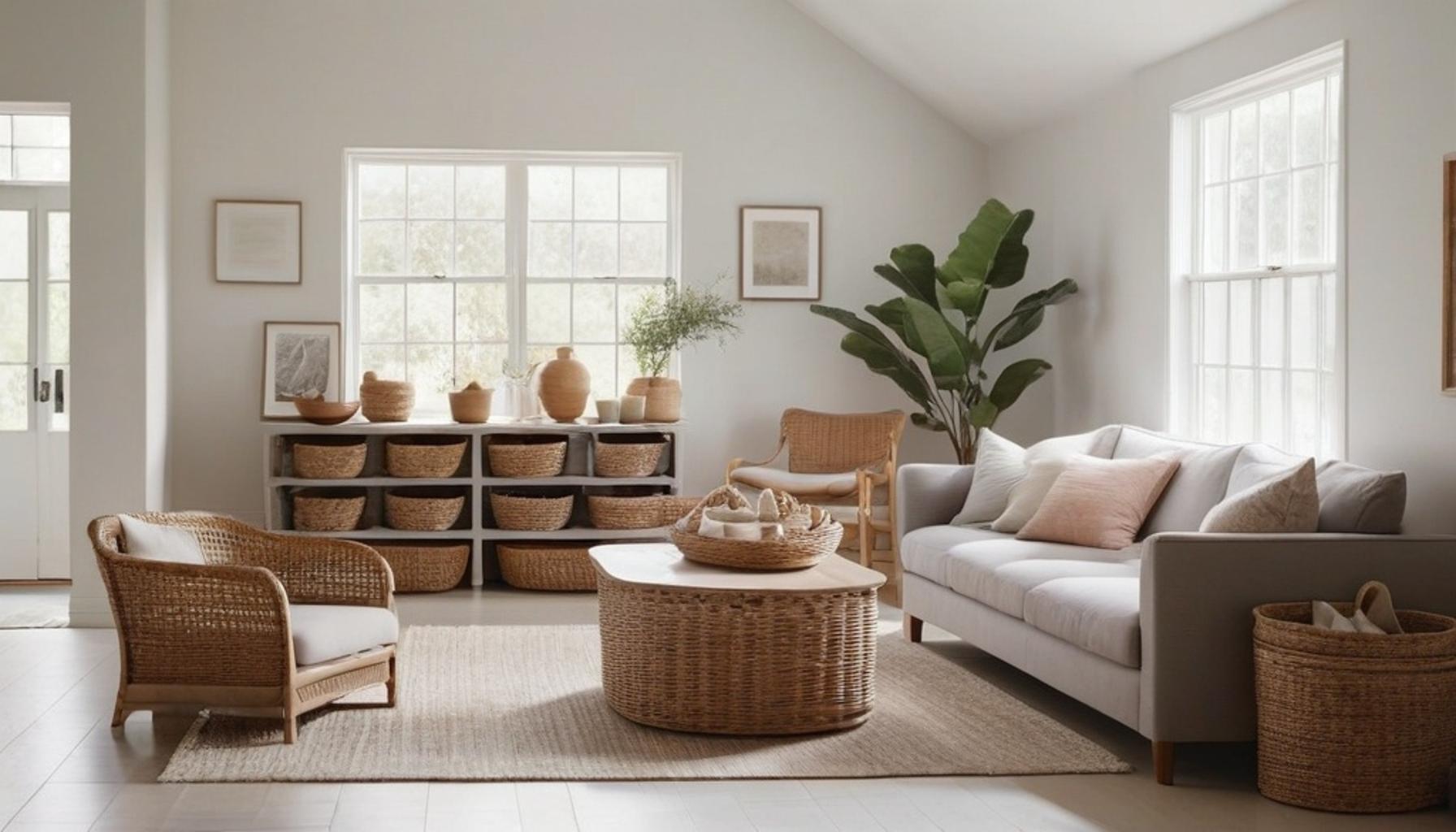
Absolutely! Start by incorporating furniture that serves dual purposes, such as coffee tables with storage compartments. Use baskets to store magazines and remote controls, keeping surfaces uncluttered. Additionally, create a designated spot for everyday items like blankets or throws, and regularly assess what you keep to maintain a minimalist aesthetic.

Beatriz
Beatriz Johnson is a seasoned minimalist and writer with a passion for simplifying the complexities of personal organization and intentional living. With over a decade of experience in decluttering strategies and mindful consumption, she specializes in topics like space optimization, habit simplification, and sustainable lifestyle choices. Through her work on our website, Beatriz empowers readers to embrace minimalism, reduce mental and physical clutter, and create more meaningful, organized lives in today's fast-paced world.