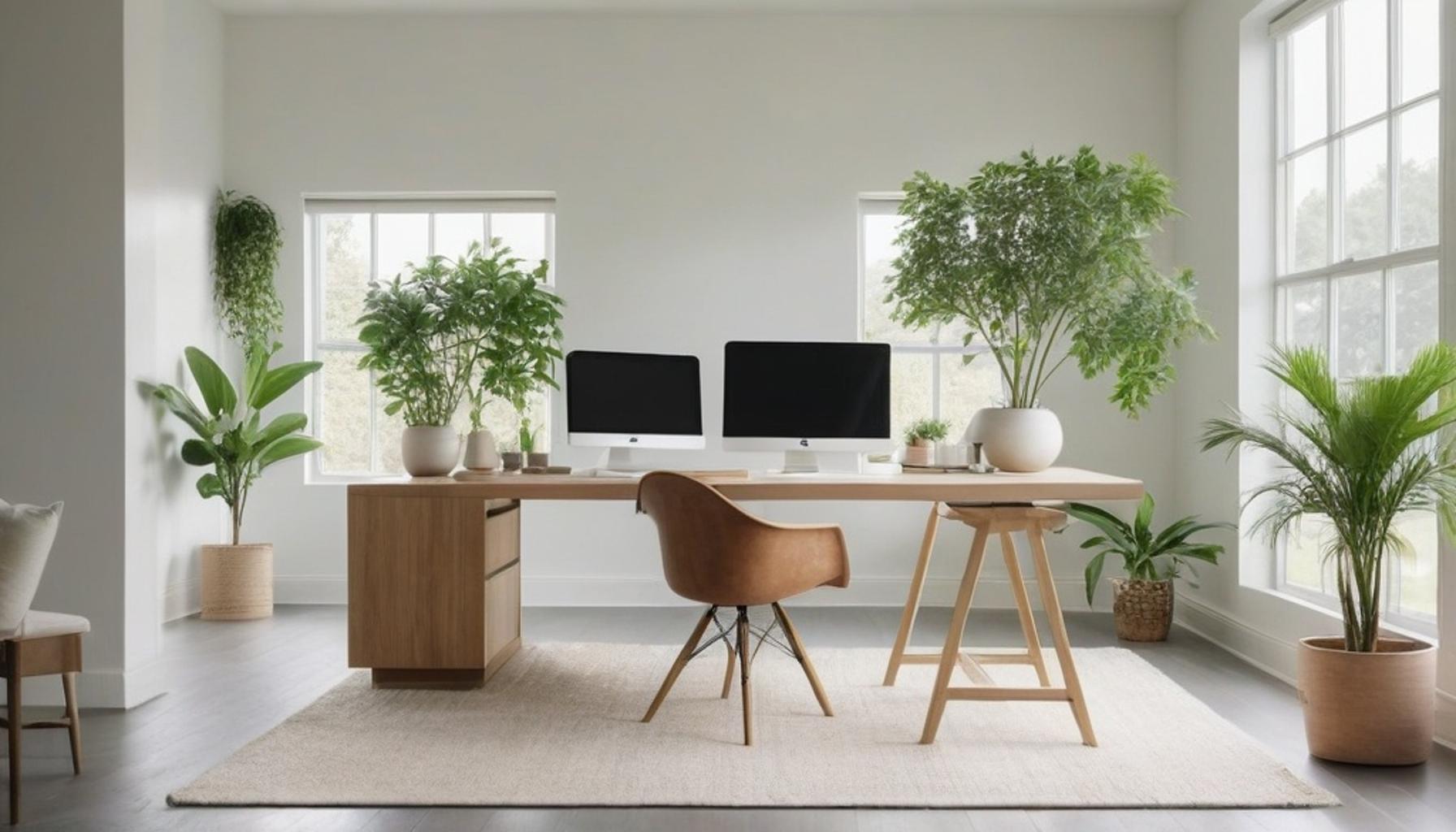
Embracing Minimalism: Efficient Living Through Intentional Home Organization
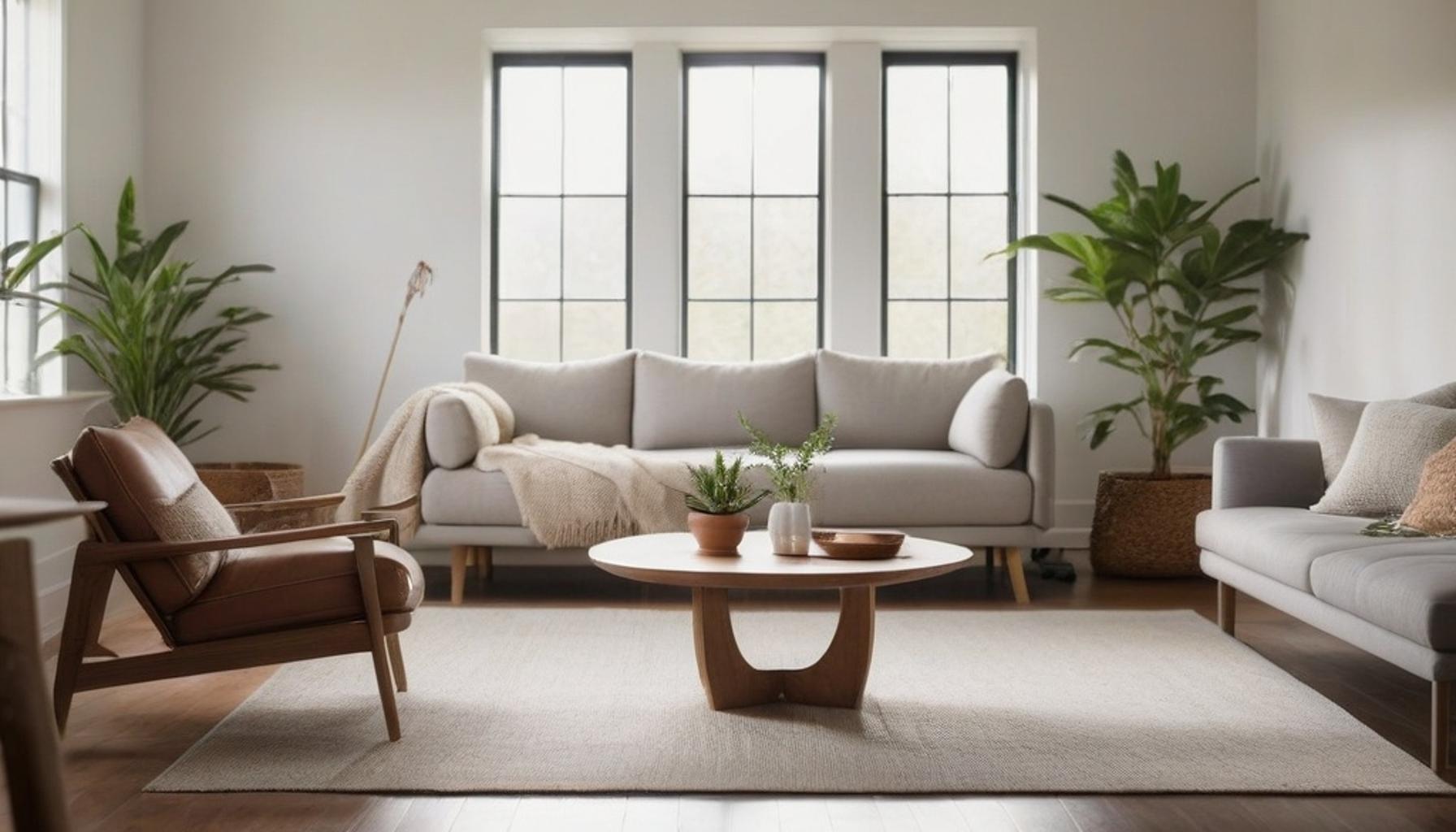
Rethinking Clutter in the American Home
The average U.S. household contains over 300,000 items, according to the LA Times. This staggering figure reflects a lifestyle that often prioritizes material accumulation over meaningful living, subtly fueling a national shift toward simpler and more intentional living spaces.
Across urban areas and suburban neighborhoods alike, homeowners are increasingly trading overflowing closets and chaotic living areas for calm, functional rooms that enhance their quality of life. This transformative movement centers on Efficient Living Through Intentional Organization, a philosophy that emphasizes the importance of choosing possessions that genuinely add value to one’s life rather than succumbing to societal pressures of consumerism.
Why Minimalism Is Gaining Momentum
Minimalism, often misunderstood, is not about the absence of belongings but rather about owning what truly serves you. It is steeped in principles of intentional living that prioritize clarity, tranquility, and efficiency. By carefully curating our possessions, we can create environments that enhance our lives rather than complicate them. The merits of embracing a minimalist approach are both psychological and practical, making it increasingly appealing to a diverse demographic.
- Reduced stress: Research indicates a clear link between cluttered environments and elevated cortisol levels, suggesting that a decluttered space can significantly mitigate stress.
- Time savings: With fewer items to manage, individuals experience reduced time spent searching for belongings, cleaning, and organizing, allowing for more leisure or productive pursuits.
- Financial freedom: Embracing minimalism often leads to fewer impulse purchases. This not only saves money but also reduces the necessity for additional storage solutions, which can be an unexpected financial burden.
- Mental clarity: Simplified spaces foster clearer thinking, promoting a sense of peace and organization that can permeate one’s emotional and intellectual life.
What This Article Covers
This guide explores practical decluttering strategies that extend beyond a one-time weekend purge. Readers will discover systems designed for lasting change, ensuring that the pursuit of a serene living environment doesn’t result in fleeting tidiness.
Expect actionable minimalist home organization tips, covering areas from kitchen zones that encourage efficient meal prep to methods for achieving digital decluttering—an often overlooked yet crucial aspect of modern minimalism. We’ll also delve into the broader minimalism benefits reshaping how Americans perceive comfort and abundance.
Whether you’re considering downsizing or simply seeking breathing room in your home, these home organization ideas offer a realistic starting point. Remember that the goal isn’t achieving perfection; it’s about cultivating function, freedom, and an atmosphere that genuinely feels like yours. As you embark on this journey, you may find that letting go opens up not just space but also new possibilities for living more intentionally.
DIVE DEEPER: Click here to discover minimalist kitchen ideas
The Room-by-Room Approach to Lasting Order
Most decluttering attempts fail not because of a lack of motivation, but because of a lack of structure. Tackling an entire home in one weekend often leads to burnout, half-filled donation boxes, and a house that looks worse before it looks better. A more sustainable path lies in breaking the process into manageable zones, allowing Efficient Living Through Intentional Organization to take root gradually rather than through a single exhausting purge.
Professional organizers across the country, from small apartments in Chicago to sprawling ranch homes in Texas, consistently recommend the same sequence: start small, build momentum, then move to larger, more emotionally charged spaces like bedrooms or family archives.
Starting With Low-Stakes Zones
Beginning with areas that carry little sentimental weight makes early wins easier to achieve. This builds confidence before tackling more challenging spaces.
- Bathroom cabinets: Expired medications, half-used toiletries, and duplicate products are typically the easiest items to release.
- Kitchen drawers: Mismatched containers, broken gadgets, and single-use tools rarely justify the space they occupy.
- Entryways and mudrooms: These high-traffic zones benefit immediately from minimalist home organization tips like designated hooks and shoe trays.
- Linen closets: Excess towels and sheets beyond a household’s realistic rotation often go unused for years.
These early victories create tangible proof that decluttering strategies work, reinforcing the behavioral shift needed for bigger challenges ahead.
The 90/90 Rule and Other Practical Filters
Professional organizer Joshua Becker popularized the 90/90 rule: if an item hasn’t been used in the past 90 days and isn’t likely to be used in the next 90, it’s a strong candidate for removal. This simple filter cuts through emotional attachment and replaces guesswork with a clear decision-making framework.
Other useful filters include the one-in-one-out policy for new purchases and the “would I buy this again today” question, both of which support long-term intentional living rather than temporary tidiness.
Data from the National Association of Productivity and Organizing Professionals suggests that Americans spend an average of 2.5 days per year searching for misplaced items. Reducing excess inventory directly shrinks this wasted time, reinforcing one of the most practical minimalism benefits often overlooked in broader conversations about simplicity.
DISCOVER: Click here to dive into minimalist kitchen ideas
Sustaining Order Once the Initial Purge Is Complete
Decluttering a closet is one thing; keeping it that way through birthdays, holidays, and the slow creep of new purchases is another challenge entirely. Long-term Efficient Living Through Intentional Organization depends less on the initial cleanout and more on the systems put in place afterward.
Without a maintenance plan, even the most thorough purge tends to reverse itself within a year. Retailers know this well, which is why the average American household reportedly accumulates enough new possessions annually to fill several extra storage bins, according to self-storage industry data.
Designing Storage Systems That Enforce Limits
One of the most effective minimalist home organization tips involves setting a hard ceiling on storage capacity rather than expanding it. Instead of buying a bigger closet organizer to fit more shoes, organizers recommend keeping the current space fixed and letting it dictate how much can reasonably be owned.
- Closed containers: Assign every category a single bin, basket, or shelf, and treat that boundary as non-negotiable.
- Vertical space: Wall-mounted shelving in garages and closets frees floor space without inviting overflow.
- Labeling systems: Clear labels reduce the temptation to shove miscellaneous items into “catch-all” drawers.
This approach shifts the mindset from constant acquisition to conscious rotation, a core principle behind lasting decluttering strategies.
Handling Sentimental and Digital Clutter
Physical belongings aren’t the only things competing for attention. Photo libraries, email inboxes, and cloud storage accounts have become their own form of clutter, often ignored because they’re invisible in daily life.
A 2023 Pew Research Center survey found that most American adults report feeling overwhelmed by the sheer volume of digital files they’ve accumulated but rarely organize. Applying the same filtering logic used for physical spaces, such as deleting duplicates or archiving outdated documents, extends intentional living into the digital realm.
Sentimental items in the physical world deserve a slower, more deliberate process. Rather than discarding heirlooms outright, many organizers suggest photographing them or setting a strict quota, such as one memory box per family member, to preserve meaning without letting nostalgia justify unlimited accumulation.
Measuring the Payoff
The financial upside of sustained organization is measurable. A 2022 LendingTree survey found that nearly one in five Americans pay for offsite storage units, often for items they haven’t touched in years. Reclaiming that space, and that monthly bill, is one of the clearest minimalism benefits tied directly to household budgets.
Beyond finances, consistent systems reduce daily decision fatigue, turning home organization ideas into a quiet form of mental bandwidth recovered one drawer at a time.
DISCOVER MORE: Click here to delve into minimalist kitchen design
Rethinking What “Enough” Really Means
Minimalism isn’t about empty rooms or a lifestyle stripped of personality. It’s about creating space, literally and mentally, for what actually matters. Efficient Living Through Intentional Organization works because it replaces impulse with intention at every stage, from the initial purge to the daily habits that keep clutter from creeping back.
Across this discussion, one theme stands out: sustainable order isn’t a single event. It’s a system. Fixed storage limits, digital decluttering, and thoughtful handling of sentimental items all reinforce the same idea that less upkeep leads to more freedom.
Small Systems, Bigger Returns
The numbers make the case on their own. Nearly one in five American households pay for offsite storage, often for belongings sitting untouched for years. That’s a recurring monthly cost tied directly to unresolved clutter, and it’s one of the more overlooked minimalism benefits when addressed head-on.
Reclaiming that space, or that budget line, illustrates why minimalist home organization tips matter beyond aesthetics. They translate into real financial breathing room.
A Practical Starting Point
Readers don’t need to overhaul an entire home overnight. A few manageable starting points include:
- Choosing one closet or drawer to apply a strict storage limit this week.
- Setting aside twenty minutes to sort digital photos or old email folders.
- Establishing a single memory box per family member instead of unlimited keepsakes.
These small, repeatable actions build the foundation for lasting decluttering strategies that don’t rely on willpower alone.
Ultimately, intentional living isn’t about deprivation. It’s about designing a home that supports daily life rather than competing with it. The most effective home organization ideas succeed not because they demand perfection, but because they make maintaining order the easiest option available.
Frequently Asked Questions
What are the first steps to start practicing efficient living through intentional organization?
Begin by decluttering your space; assess each item and decide if it adds value to your life. Then, create designated areas for essential items, focusing on accessibility and functionality. Finally, establish a consistent routine for organizing to maintain your space.
How can minimalism improve my productivity at home?
Minimalism reduces distractions by creating a clean, organized environment, which can significantly increase focus. By only surrounding yourself with necessary items, you can streamline your daily tasks and enhance your overall efficiency in completing projects.
What are some common challenges when transitioning to minimalist living?
One common challenge is the emotional attachment to items, which can make decluttering difficult. Additionally, adjusting to a new routine for organization may take time and effort. It’s essential to be patient with yourself and seek support as you navigate these changes.
How do I maintain an organized home once I’ve embraced minimalism?
To maintain an organized home, implement the ‘one in, one out’ rule: for every new item you bring in, consider removing an existing one. Regularly schedule time for reevaluation and tidying up, ensuring everything has its place. This practice will help keep clutter at bay.
Can intentional organization be beneficial for families with children?
Absolutely! Intentional organization can create a structured environment for children, teaching them responsibility and the value of keeping their spaces tidy. Additionally, involving children in the decluttering process can help them understand the importance of mindful consumption.
What tools or resources can help me with intentional home organization?
There are various tools such as storage bins, label makers, and organizational apps that can assist you in streamlining your home. Books and online resources about minimalism can provide valuable insights and motivation. Joining local community groups or online forums can also connect you with like-minded individuals for support.

Beatriz
Beatriz Johnson is a seasoned minimalist and writer with a passion for simplifying the complexities of personal organization and intentional living. With over a decade of experience in decluttering strategies and mindful consumption, she specializes in topics like space optimization, habit simplification, and sustainable lifestyle choices. Through her work on our website, Beatriz empowers readers to embrace minimalism, reduce mental and physical clutter, and create more meaningful, organized lives in today's fast-paced world.