The Art of Minimalism: How to Create an Organized and Intentional Home
American closets are overflowing, garages have become storage units, and the average U.S. household contains over 300,000 items, according to the LA Times. It’s no wonder so many people feel overwhelmed the moment they walk through their front door. The sheer volume of possessions can create a sense of chaos, often leaving individuals feeling stressed and unable to unwind in their own spaces. As the iconic saying goes, “A cluttered space is a cluttered mind,” and this sentiment rings true for millions of Americans.
This is where the Art of Minimalism comes in. Contrary to popular belief, minimalism is not about living with nothing. It is about living with intention and embracing quality over quantity. This shift towards intentionality encourages people to evaluate their possessions and make choices that align with their values and needs.
Why Minimalist Home Decor Is More Than a Trend
Across the country, homeowners are trading clutter for clarity. This shift isn’t just aesthetic; it reflects a deeper desire for intentional living. Many individuals have started to recognize that their physical surroundings can significantly influence their mental health, prompting a movement towards more mindful living environments.
Consider what draws people toward this lifestyle:
- Reduced stress from visual clutter and overstimulation: Studies suggest that a clean and organized environment can enhance mental focus and lower anxiety levels, allowing individuals to feel more at peace within their own homes.
- More free time once spent cleaning and organizing excess belongings: By minimizing the number of items one owns, individuals discover they can reclaim hours previously spent managing their possessions, which can be redirected towards hobbies, family, or self-care.
- Lower spending, since fewer purchases mean more savings: Embracing minimalism encourages a more mindful approach to shopping, resulting in financial benefits that can contribute to long-term stability.
- A greater sense of calm and control within one’s living space: Creating a tranquil home environment eliminates distractions, enabling residents to enjoy their surroundings without the burden of excess baggage.
These minimalist lifestyle benefits aren’t just theoretical—they’re backed by real change. Several studies have shown that adopting a minimalist lifestyle can lead to increased overall happiness and satisfaction, as individuals gain a clearer sense of purpose in their lives.
What This Guide Will Cover
Creating a simplified home doesn’t happen overnight. It requires practical strategies and a significant shift in mindset. However, the rewards of a decluttered space can be life-changing.
In the sections ahead, you’ll discover:
- Step-by-step organizing tips for every room, tailored to suit various lifestyles and family dynamics.
- Proven methods for decluttering your space without regret, ensuring you make informed choices about what to keep and what to let go.
- How to choose furniture and decor that align with minimalist principles, creating a cohesive and stylish look without overwhelming the senses.
- Ways to maintain a clutter-free home long-term, establishing routines and habits that support your newfound lifestyle.
Whether you’re starting fresh or refining an existing space, this guide offers a clear path toward a more organized, purposeful home. Dive in and explore how these principles can transform your living environment, leading to a richer and more intentional life.
DISCOVER: Click here for minimalist kitchen ideas
# Understanding the Foundations of Minimalist LivingBefore diving into closets and kitchen drawers, it’s worth pausing to understand what actually drives the Art of Minimalism. This isn’t about achieving a stark, empty-room aesthetic seen on social media. It’s a practical philosophy rooted in intentional decision-making.At its core, minimalism asks a simple question: does this item add value to my life? If the answer is no, it likely doesn’t belong. This principle applies to physical possessions, but it extends further into how people spend time, money, and energy.## The Psychology Behind Decluttering Your SpaceResearch from Princeton University Neuroscience Institute found that physical clutter competes for attention in the brain, making it harder to focus and process information efficiently. When surrounded by excess belongings, the mind works overtime just to filter out visual noise.This explains why so many people report feeling instantly lighter after a good decluttering session. It’s not just psychological relief—it’s measurable cognitive relief.Consider these findings that highlight why decluttering your space matters:
- Improved decision-making: Fewer choices in daily routines, like selecting outfits or kitchen tools, reduce decision fatigue significantly.
- Better sleep quality: A 2015 study from St. Lawrence University found that individuals with cluttered bedrooms were more likely to experience sleep disturbances.
- Increased productivity: Organized workspaces have been linked to higher efficiency, as reported by numerous workplace studies.
- Enhanced emotional well-being: Clearing physical space often creates room for emotional clarity, according to several mental health professionals.
These aren’t abstract concepts—they’re tangible minimalist lifestyle benefits that Americans across the country are experiencing firsthand.## From Consumerism to Intentional LivingThe United States has long been associated with a culture of consumption. Black Friday sales, oversized homes, and storage unit facilities on nearly every corner all point to a society accustomed to accumulation.However, a growing number of households are pushing back. This shift toward intentional living isn’t about deprivation. It’s about redirecting resources toward experiences, relationships, and goals that matter most.Think about it this way: the average American spends over $1,700 annually on impulse purchases, according to a Slickdeals survey. Minimalism challenges this pattern by encouraging thoughtful spending habits instead of reactive ones.Adopting minimalist home decor principles doesn’t mean discarding everything at once. Rather, it involves a gradual reassessment of what truly serves a purpose within the home. This mindset naturally leads into practical steps, which will be explored next.
| Key Aspect | Description |
|---|---|
| Decluttering Your Space | Begin your journey by removing unnecessary items that do not serve a purpose in your home. This paves the way for a more organized environment. |
| Intentional Living | Adopting a minimalist lifestyle fosters mindfulness, encouraging you to evaluate your belongings, keeping only what truly matters. |
| Organizing Tips | Use practical organizing tips, like categorizing items and using versatile storage solutions, to enhance your living space. |
| Minimalist Home Decor | Incorporate minimalist home decor that reflects simplicity and functionality, contributing to a tranquil atmosphere. |
DIVE DEEPER: Click here to uncover minimalist kitchen secrets
Practical Strategies for Room-by-Room Organization
Once the mindset shift takes hold, the next logical step is application. The Art of Minimalism becomes tangible when translated into specific, room-by-room action. Rather than tackling an entire house in one exhausting weekend, professional organizers across the country recommend a methodical approach.
Marie Kondo popularized the category-based method, but many American organizers now advocate for a hybrid system that combines category sorting with spatial zoning. This means addressing what you own and where it actually belongs within daily life.
The Kitchen: Where Clutter Multiplies Fastest
Kitchens tend to accumulate gadgets that serve single, rarely-used purposes. A 2022 survey from OnePoll found that the average American household owns eighteen kitchen gadgets used fewer than twice a year.
Effective organizing tips for this space include:
- The one-in, one-out rule: Any new appliance requires removing an existing one.
- Drawer dividers: These create visual boundaries that discourage overstuffing.
- Open shelving: Displaying only frequently used items naturally limits accumulation.
Bedrooms and Closets: The Wardrobe Reset
Clothing represents one of the most emotionally charged categories in decluttering your space. The average American closet contains around 103 items, yet studies suggest people regularly wear only 20 percent of what they own.
A capsule wardrobe approach, built around 30 to 40 versatile pieces, has gained traction nationwide. This method reduces morning decision fatigue while supporting a more curated, functional closet.
Digital Minimalism: Extending the Philosophy Beyond Physical Space
Interestingly, minimalism doesn’t stop at physical objects. Digital clutter, including overflowing inboxes, unused apps, and endless browser tabs, creates a parallel form of mental fatigue.
Cal Newport, author of Digital Minimalism, argues that constant notifications fragment attention spans in ways strikingly similar to physical disorganization. Applying intentional living principles to smartphones and computers has become an emerging trend among productivity-focused Americans.
Designing Spaces That Reflect Minimalist Home Decor Principles
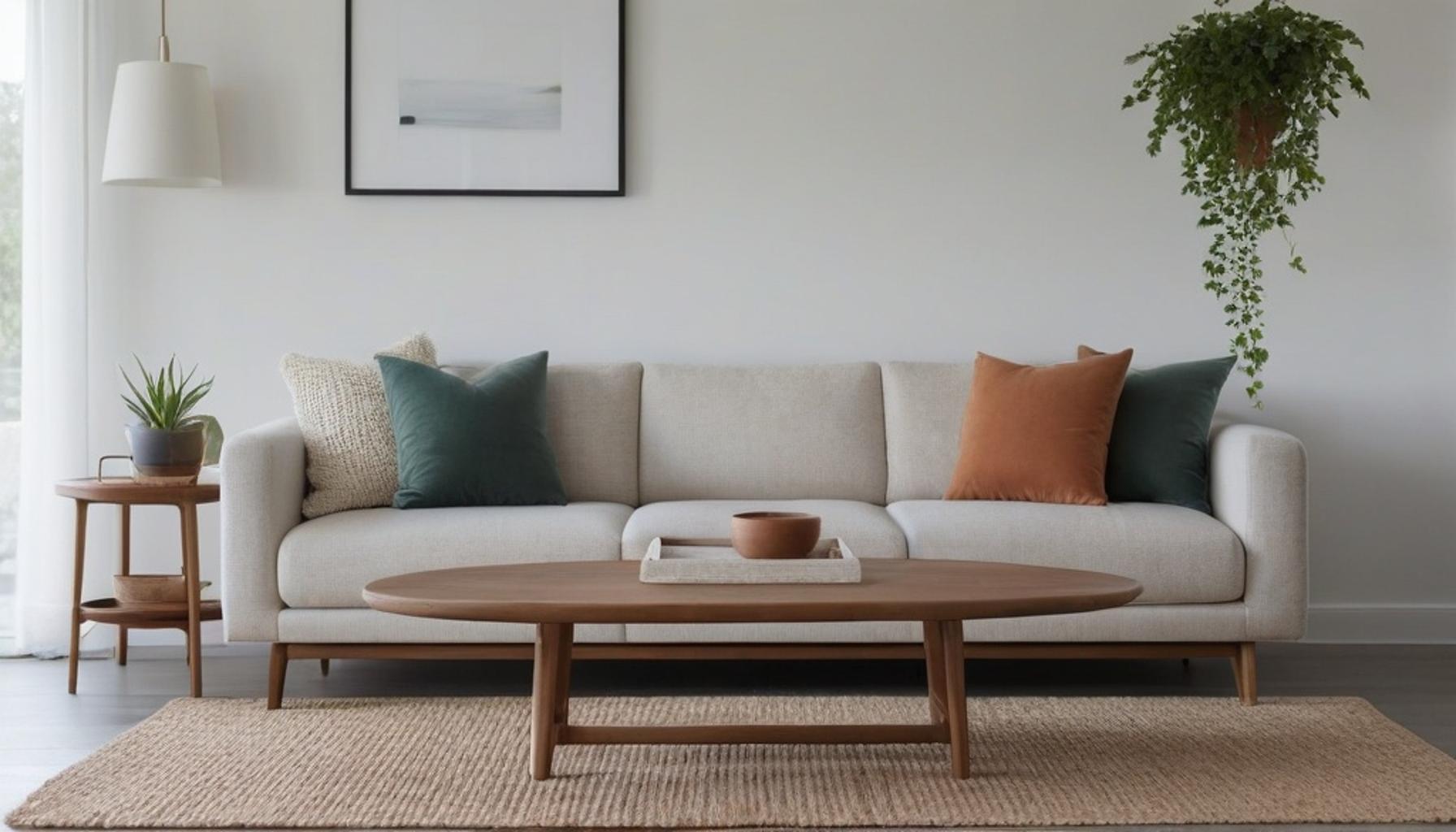
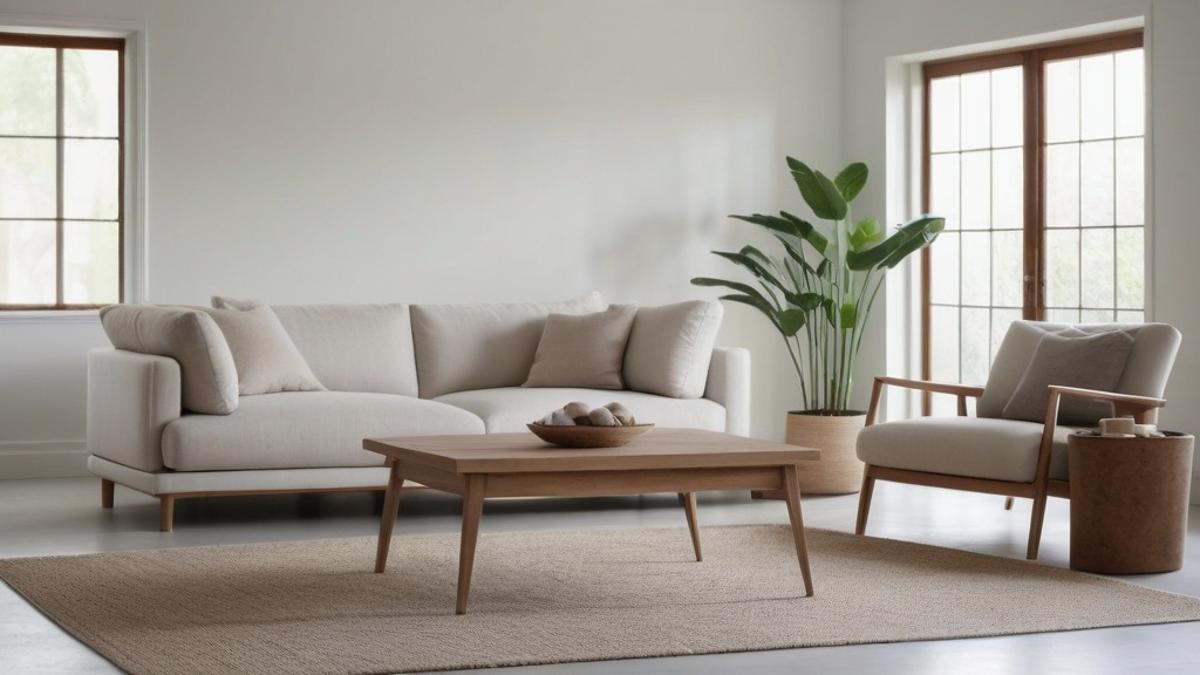
Visual simplicity plays a significant role in how a home feels. Neutral color palettes, multipurpose furniture, and negative space aren’t just aesthetic choices—they reinforce calm, functional living.
Interior designers increasingly recommend selecting fewer, higher-quality pieces rather than filling rooms with disposable furniture. This approach aligns with broader minimalist lifestyle benefits, including reduced spending and longer-lasting home investments.
Bringing It All Together: Minimalism as an Ongoing Practice
The Art of Minimalism isn’t a one-time weekend project or a rigid set of rules to follow perfectly. It’s a continuous practice that evolves alongside daily life, shifting priorities, and changing seasons. From kitchen drawers to digital inboxes, the throughline remains consistent: fewer, more intentional choices create more mental and physical breathing room.
Across the country, Americans are discovering that minimalist home decor and thoughtful organization aren’t about deprivation. They’re about reclaiming time, money, and attention that clutter quietly siphons away. A closet with 40 curated pieces or a kitchen stocked with only well-used tools doesn’t just look cleaner. It functions better.
What makes this movement particularly compelling is its flexibility. Intentional living looks different in a Brooklyn apartment than it does in a suburban Texas home, yet the underlying principles translate everywhere.
Consider starting small:
- Pick one drawer or shelf and apply the one-in, one-out rule this week.
- Audit your phone for unused apps taking up mental real estate.
- Track what you actually use for 30 days before deciding what stays.
The minimalist lifestyle benefits extend far beyond tidy shelves. Reduced spending, lower stress, and more deliberate daily routines all stem from the same root habit: pausing before acquiring, and questioning before keeping.
Ultimately, decluttering your space is less about the objects removed and more about the clarity gained. As more households experiment with these principles, the definition of a well-organized home continues to shift, proving that less truly can create more.
Frequently Asked Questions
What are the core principles of the Art of Minimalism?
The core principles of the Art of Minimalism include simplicity, functionality, and intentionality. This approach encourages you to keep only what you truly need and love, eliminating clutter to create a more peaceful and organized environment. It promotes mindful consumption and prioritizes experiences over material possessions.
How can I start decluttering my home using the Art of Minimalism?
To begin decluttering your home, start with one room or area at a time. Use the ‘Four-Box Method’—labeled for keep, donate, sell, and trash—to make decisions about each item. Set a timeline and allow yourself to let go of items that no longer serve a purpose or bring joy.
What are some effective strategies for maintaining a minimalist lifestyle?
Maintaining a minimalist lifestyle can be achieved by adopting habits such as regular decluttering sessions, purchasing only what you truly need, and practicing mindfulness in your daily routines. Consider creating a designated ‘one in, one out’ rule for new items you bring into your home, and limit distractions from digital clutter as well.
How does the Art of Minimalism enhance mental well-being?
The Art of Minimalism can greatly enhance mental well-being by reducing stress and anxiety associated with clutter. A minimalist environment fosters clarity and focus, allowing individuals to feel more in control of their spaces and their lives. Additionally, it encourages gratitude for what you have and helps prevent overwhelm.
Can minimalism work for families with children?
Absolutely! Minimalism can be adapted for families with children by involving kids in the decluttering process and teaching them about the value of experiences over possessions. Create organization systems that accommodate the family’s needs while encouraging everyone to regularly assess and curate their belongings.
What are some common misconceptions about the Art of Minimalism?
A common misconception about the Art of Minimalism is that it requires an austere lifestyle with few possessions. In reality, minimalism is about curating a space that reflects your values, needs, and joys, which can include items that are meaningful or functional. It’s not about deprivation, but rather intentional living.

Beatriz
Beatriz Johnson is a seasoned minimalist and writer with a passion for simplifying the complexities of personal organization and intentional living. With over a decade of experience in decluttering strategies and mindful consumption, she specializes in topics like space optimization, habit simplification, and sustainable lifestyle choices. Through her work on our website, Beatriz empowers readers to embrace minimalism, reduce mental and physical clutter, and create more meaningful, organized lives in today's fast-paced world.