Uncomplicating Life: Decluttering Techniques for a Minimalist and Intentional Lifestyle
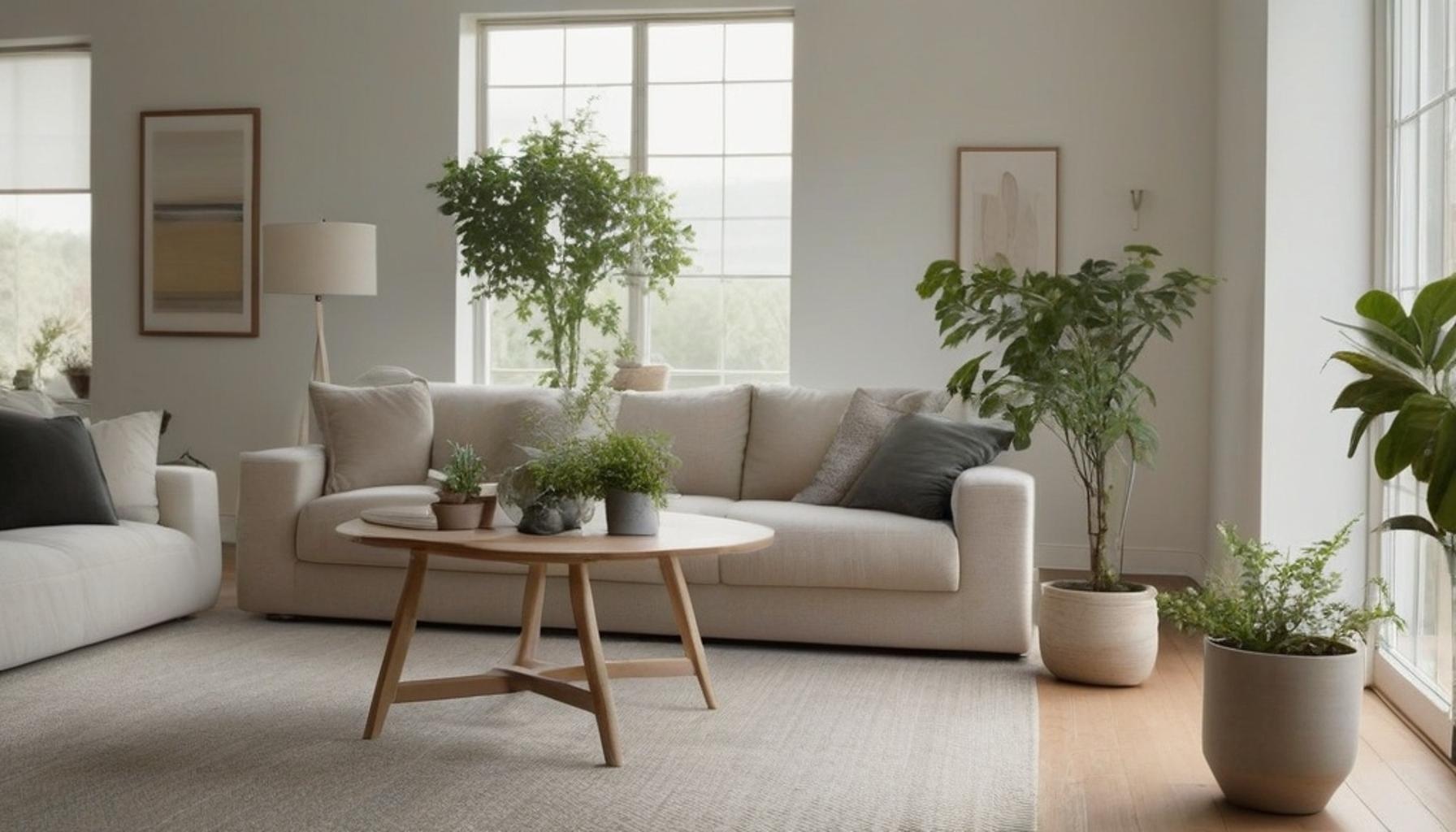
American households are drowning in stuff. The average U.S. home contains over 300,000 items, according to organizing industry estimates, and self-storage has grown into a $40 billion industry nationwide. This staggering reality fosters a sense of clutter and chaos that many Americans are eager to escape. In contrast, a growing movement toward minimalism advocates for a lifestyle characterized by intentional living and less material accumulation, aiming to reclaim both physical and mental space.
From tiny apartments in Brooklyn to sprawling suburban homes in Ohio, the appeal of owning less is spreading swiftly. The simplicity movement is not just about decluttering; it’s about redefining priorities and focusing on what truly matters. Many are seeking out decluttering techniques for minimalism that go beyond mere organization— they want strategies that yield lasting change.
What This Article Covers
This guide breaks down practical, science-backed methods for reclaiming space, time, and mental clarity. Expect real strategies, not vague inspiration. Below are some key themes explored:
- Proven steps to simplify life without extreme sacrifice, such as the 90/90 rule, where you assess items based on their usefulness in the past 90 days and their projected importance in the next 90 days.
- Minimalist lifestyle tips for every room in the house, like using multi-functional furniture to reduce clutter in living spaces.
- Room-by-room guidance on how to declutter your home efficiently, employing techniques like the Marie Kondo method, which encourages keeping only those items that “spark joy.”
- Intentional living strategies that help reduce daily decision fatigue by simplifying routines and habits, such as meal prepping or creating capsule wardrobes.
- The documented benefits of minimalism on reducing stress and enhancing financial stability, as studies show that a decluttered environment can lead to lower anxiety levels and improved focus.
Minimalism isn’t about living with nothing; it’s about making room for what truly matters, one intentional choice at a time. By choosing to simplify, individuals can not only improve their living environments but also foster deeper connections with family, friends, and passions.
Are you ready to trade chaos for clarity? With the right tools and mindset, the journey toward a more minimalist lifestyle can be both exciting and transformative. Here’s where to start.
DISCOVER: Click here to uncover minimalist kitchen design tips
The Psychology of Clutter: Why Less Really Does Mean More
Before diving into decluttering techniques for minimalism, it helps to understand why clutter feels so heavy in the first place. Researchers at Princeton University found that cluttered environments compete for our attention, making it harder to focus and process information. In other words, that pile of mail on the kitchen counter isn’t just an eyesore—it’s a measurable drain on cognitive resources.
This connection between physical space and mental clarity explains why the benefits of minimalism extend far beyond tidy shelves. A 2023 survey from the National Association of Productivity and Organizing Professionals found that 54% of Americans feel overwhelmed by the amount of stuff they own, while nearly a third admitted losing items in their own homes due to disorganization.
Starting Small: The Foundation of Sustainable Change
One of the most common mistakes people make when learning how to declutter your home is trying to tackle everything at once. Professional organizers consistently recommend the opposite approach: start small, build momentum, and let consistency do the heavy lifting.
Consider these practical steps to simplify life that don’t require an entire weekend or a rented dumpster:
- Begin with a single drawer or shelf rather than an entire room—small wins build lasting habits.
- Apply the one-in, one-out rule: for every new item brought home, one must leave.
- Set a timer for 15 minutes daily dedicated exclusively to decluttering one small zone.
- Photograph sentimental items you’re unsure about keeping, then donate or discard the physical object.
- Create a designated “maybe box” for items causing hesitation, revisiting it after 30 days.
These minimalist lifestyle tips work because they lower the barrier to entry. Instead of an overwhelming weekend project, decluttering becomes a manageable daily ritual—similar to brushing your teeth or making your bed.
Data from behavioral psychology supports this incremental approach. Studies on habit formation suggest that small, repeated actions are far more likely to stick than dramatic, one-time overhauls. This is precisely why crash diets fail but sustainable lifestyle changes succeed—and the same principle applies directly to intentional living strategies aimed at reducing household clutter.
| Key Aspects | Benefits |
|---|---|
| Minimalist Lifestyle Tips | Promotes mental clarity, reduces stress, and fosters emotional well-being. |
| Intentional Living Strategies | Encourages mindful decision-making, enhancing satisfaction in everyday life. |
| Steps to Simplify Life | Involves creating actionable plans, leading to increased focus and productivity. |
| How to Declutter Your Home | Results in a serene environment, maximizing space and functionality. |
DISCOVER: Click here to dive into minimalist kitchen ideas
Room-by-Room Strategies That Actually Stick
Once the daily decluttering habit takes hold, the next logical step in mastering decluttering techniques for minimalism involves tackling specific spaces with targeted methods. Generic advice to “get rid of stuff” rarely works because different rooms present different psychological and logistical challenges.
The kitchen, for instance, tends to accumulate duplicate gadgets and expired pantry items. The bedroom closet often hides clothing tied to past versions of ourselves. Recognizing these patterns is essential for anyone serious about how to declutter your home in a way that lasts beyond a single weekend purge.
The Kitchen: Where Function Should Rule
Marie Kondo’s famous question—does it spark joy—works less effectively in the kitchen than a more practical filter: does it serve a genuine function? A 2022 study published in the Journal of Consumer Research found that Americans use only 40% of their kitchen tools on a regular basis, leaving the rest as dead weight in drawers.
- Remove duplicate utensils and appliances, keeping only the version you reach for most often.
- Check expiration dates on spices and pantry staples every three months.
- Store items by frequency of use, placing rarely used equipment in harder-to-reach cabinets.
The Closet: Confronting Emotional Attachment
Clothing carries emotional weight tied to memory, identity, and aspiration—the “someday” outfit for a body or lifestyle that no longer exists. This makes closets uniquely difficult to declutter compared to other spaces in the home.
A practical solution gaining traction among professional organizers involves the hanger trick: turn all hangers backward at the start of the season, then flip them forward after wearing an item. After three to six months, anything still facing backward reveals what truly gets used.
- Separate clothing into “wear regularly,” “seasonal,” and “uncertain” categories before deciding.
- Donate items unworn for over a year, since data from ThredUp’s 2023 Resale Report shows the average American garment is worn just seven times before discard or storage.
- Digitize sentimental clothing by photographing pieces with strong memories rather than keeping every physical item.
Shared Spaces and Digital Clutter
Living rooms and home offices often become dumping grounds for mail, cords, and half-finished projects. Meanwhile, digital clutter—thousands of unread emails, duplicate photos, cluttered desktops—creates the same cognitive drag as physical mess, according to research from the University of California, Irvine.
Incorporating intentional living strategies means treating digital spaces with the same discipline as physical ones: unsubscribing from unused email lists, organizing files into clear folders, and deleting duplicate photos monthly. These small, consistent actions reinforce the broader benefits of minimalism across every corner of daily life, not just the visible ones.
DISCOVER MORE: Click here to dive deeper into minimalist kitchen ideas
The Bigger Picture: Simplicity as an Ongoing Practice
Uncomplicating life rarely happens through a single dramatic purge. As this article has shown, lasting change comes from stacking small, repeatable habits—daily decluttering rituals, room-specific strategies, and digital housekeeping—into a coherent system rather than a one-time event.
The steps to simplify life outlined here share a common thread: they replace vague intentions with concrete triggers, whether that’s flipping a hanger, setting a timer for ten minutes, or scheduling a monthly digital cleanup. Structure, not willpower alone, is what makes minimalism sustainable.
It’s worth remembering that decluttering techniques for minimalism are not about deprivation. Research from UCLA’s Center on Everyday Lives and Families found that cluttered homes are directly linked to elevated cortisol levels, particularly among women managing household responsibilities. Simplifying isn’t aesthetic preference—it’s a measurable stress-reduction strategy.
The benefits of minimalism extend beyond tidy shelves. Fewer possessions mean fewer decisions, less time spent searching for misplaced items, and more mental bandwidth for work, relationships, and rest. That shift in cognitive load is often the most understated advantage of an intentional lifestyle.
- Start small: one drawer, one shelf, one inbox folder at a time.
- Track progress with periodic photos to notice change that’s easy to overlook day-to-day.
- Revisit spaces seasonally, since clutter tends to creep back without regular maintenance.
Anyone still wondering how to declutter your home for good should treat it less like a project with an end date and more like a rhythm woven into daily life. The specific method matters less than the consistency behind it.
Ultimately, these minimalist lifestyle tips point toward a broader truth: physical space often mirrors mental space. Clearing one tends to clarify the other, making room—quite literally—for a more deliberate, less distracted way of living.
Frequently Asked Questions
What are some effective decluttering techniques for beginners interested in minimalism?
For beginners interested in minimalism, the ‘One in, One out’ rule is a great start, where you remove one item for every new item brought in. The ’30-Day Minimalism Game’ can also be effective, where you declutter an increasing number of items each day for a month. Both techniques help gradually develop a minimalist mindset.
How can I maintain a minimalist lifestyle after decluttering my home?
To maintain a minimalist lifestyle, regularly evaluate your belongings and stick to the ‘one in, one out’ principle. Schedule periodic decluttering sessions, perhaps every few months, to reassess what you truly need. Cultivating intentional purchasing habits will also help you avoid unnecessary clutter in the future.
Are there specific decluttering techniques tailored for family homes?
Yes, techniques like ‘clutter-busting sessions’ can be effective for families, where everyone participates in short, focused decluttering tasks. Involving children by encouraging them to choose their favorite toys and donate the rest fosters a sense of responsibility. Creating designated areas for each family member’s items also helps maintain organization.
What mindset shifts are necessary when adopting decluttering techniques for minimalism?
Adopting a minimalist lifestyle requires a mindset shift towards valuing experiences over possessions. Embracing the idea that less is more can help you resist consumerism. Additionally, focusing on the joy of having a clean, organized space encourages a continuous commitment to decluttering.
How do I deal with sentimental items while decluttering for minimalism?
When addressing sentimental items, consider using the ‘memory box’ tactic, where you select a small container for items that hold significant value. Reflect on the purpose and memory attached to each piece; if it doesn’t serve a meaningful role, it might be time to let it go. Alternatively, take photos of items and keep a digital collection to preserve memories without the physical clutter.
What are some digital decluttering techniques to support a minimalist lifestyle?
Digital decluttering can include organizing your files into labeled folders, unsubscribing from unnecessary emails, and deleting unused apps from your devices. Regularly back up important documents and photos while removing duplicates. Creating a digital ‘to-do’ process can keep your online life as streamlined as your physical space.

Beatriz
Beatriz Johnson is a seasoned minimalist and writer with a passion for simplifying the complexities of personal organization and intentional living. With over a decade of experience in decluttering strategies and mindful consumption, she specializes in topics like space optimization, habit simplification, and sustainable lifestyle choices. Through her work on our website, Beatriz empowers readers to embrace minimalism, reduce mental and physical clutter, and create more meaningful, organized lives in today's fast-paced world.