Maximizing Space in Small Apartments: Smart Storage Solutions for a Clutter-Free Home
Space-Saving Strategies for Urban Living
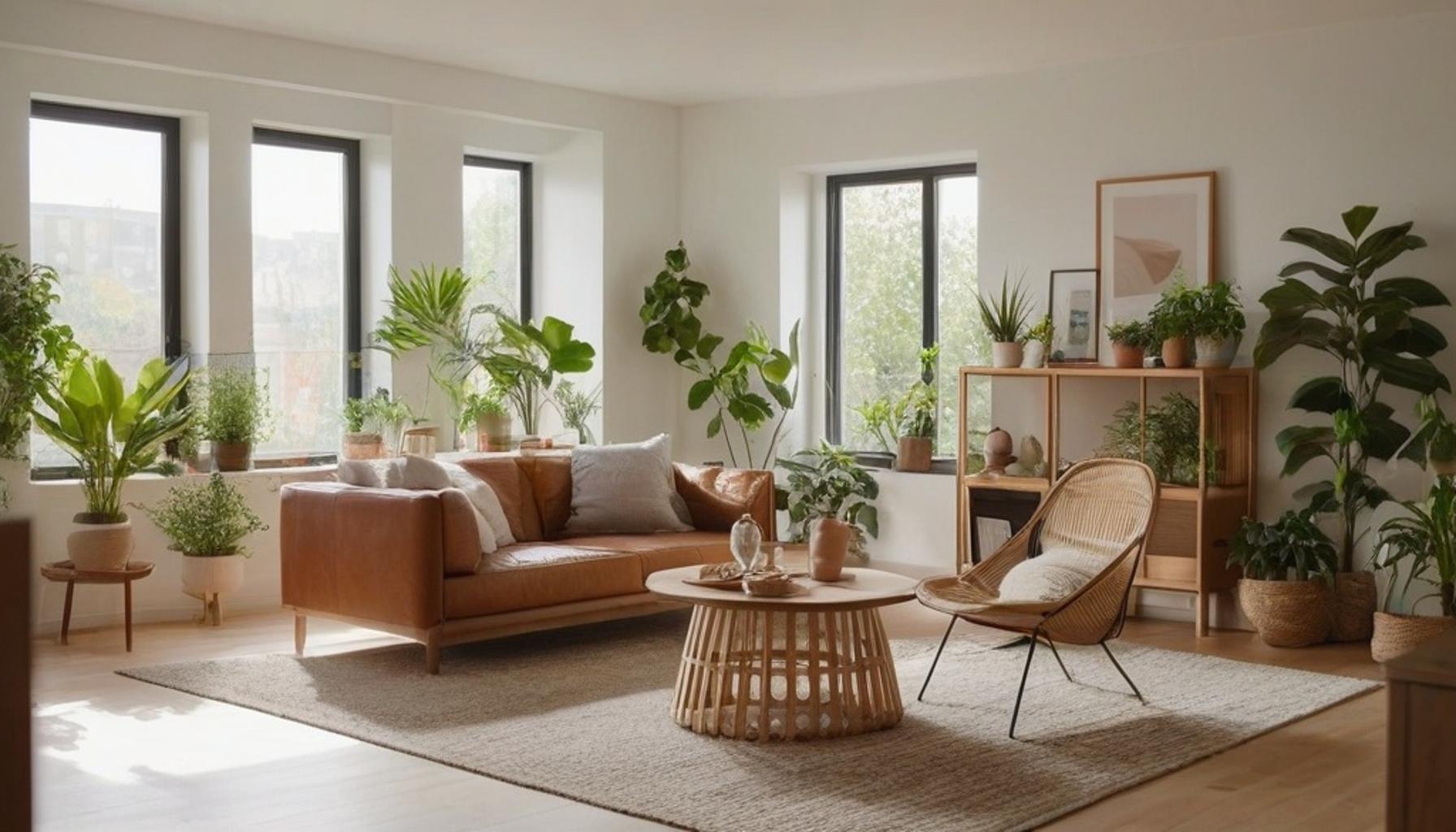
In densely populated urban centers like New York, Boston, and San Francisco, the shrinking average apartment size — now often less than 750 square feet — presents unique challenges for renters and homeowners alike. However, a smaller footprint does not equate to a chaotic or cluttered living environment. With insightful design principles and creative organization techniques, even the most compact studio can be transformed into a spacious sanctuary.
The key to achieving this transformation lies in smart storage solutions. Today’s urban dwellers are increasingly seeking innovative ways to maximize every nook and cranny of their homes, from utilizing the often-overlooked area beneath the bed to repurposing the backs of closet doors for added functionality.
Understanding the Need for Space Optimization
Recent housing surveys reveal that over 60% of urban renters express storage as their predominant frustration. This is largely due to constraints such as limited closet space, the absence of basements, and walls shared with neighbors, which render conventional organizational strategies ineffective. The typical urban apartment often requires a reassessment of how space is utilized.
This is precisely why small apartment organization ideas have evolved from being a nicety to an essential element in urban living. Effective systems are available that can change how living rooms, kitchens, and bedrooms function, transforming disorganized chaos into serene, organized spaces.
This guide delves into practical and budget-friendly strategies focused on maximizing space in small apartments without the need for costly renovations. Readers can expect actionable tips and resources covering a variety of topics, including:
- Identifying and selecting multi-functional and space-saving furniture that serves multiple purposes
- Implementing vertical storage solutions that utilize walls and ceilings to their fullest potential
- Finding hidden storage opportunities within everyday furniture that often goes underutilized
- Optimizing closets and pantries to create organized, accessible systems
- Exploring affordable home storage hacks that anyone can easily implement
Whether you’re situated in a chic downtown loft or a cozy suburban rental, these clutter-free home tips promise tangible results. Prepare to uncover an array of creative storage solutions designed to transform your tight living spaces into organized havens, allowing you to fully enjoy the comfort of your home without feeling confined by its size.
DISCOVER: Click here to learn about minimalist kitchen design
Multi-Functional Furniture: The Foundation of Smart Storage Solutions
Walk into any well-organized studio apartment in Chicago or Seattle, and you’ll likely notice one common thread: furniture that works overtime. Space-saving furniture has become the cornerstone of successful small apartment living, with innovative designs aimed at maximizing functionality while minimizing clutter. As urbanization continues to drive the demand for compact living spaces, multifaceted furniture pieces are becoming indispensable.
Consider the humble ottoman. Once merely a footrest, today’s versions are engineered to conceal spacious interiors perfect for stashing blankets, remote controls, or seasonal items. The evolution of this piece underscores a shift towards practicality, enabling homeowners to seamlessly blend style with utility. Similarly, coffee tables with built-in drawers or lift-top designs have surged in popularity. Furniture retailers have reported a 35% increase in demand for convertible living room pieces over the past three years, highlighting a growing trend that respects both aesthetics and space efficiency.
Investment-Worthy Pieces for Compact Living
When evaluating maximizing space in small apartments, certain furniture categories consistently deliver the highest return on square footage invested. A few standout examples include:
- Murphy beds that fold seamlessly into wall units. These ingenious designs can reclaim 40 to 50 square feet during the day, transforming a bedroom into a multi-purpose space for work or leisure.
- Storage ottomans and benches that double as seating while housing linens, shoes, or out-of-season clothing. This dual functionality helps keep living areas tidy and organized.
- Extendable dining tables that shrink for everyday meals and expand when hosting guests, offering versatility for urban dwellers who value sharing meals with friends and family.
- Sofa beds with built-in storage compartments beneath the cushions provide a comfortable seating solution that can transform into a guest bed, making them ideal for those who frequently entertain.
- Nesting tables that stack together, occupying a single footprint until additional surface space is needed, are perfect for those spontaneous gatherings or when extra space is a necessity.
Interior designers specializing in urban apartments often point to the Murphy bed as the most transformative investment for studio dwellers. One New York-based designer noted that clients report a feeling akin to their apartment growing by nearly a third, purely through improved daily functionality. This perspective illustrates how thoughtful design can revolutionize how we experience our homes.
Where to Shop Smart
Retailers like IKEA, West Elm, and even smaller boutique companies have recognized this shift in consumer demand. Many now dedicate entire product lines specifically to compact living. Shoppers can find modular sectionals that can be reconfigured based on the room’s shape or bed frames featuring built-in drawers that replace traditional nightstands entirely, further enhancing the utility of each piece.
For renters hesitant to invest heavily in permanent solutions, rental-friendly options exist. Tension-mounted shelving units, freestanding wardrobe systems, and lightweight folding furniture allow tenants to implement clutter-free home tips without violating lease agreements or damaging walls. These versatile pieces enable renters to curate their spaces in a way that reflects their personal style while remaining functional.
The financial logic behind investing in multi-functional furniture is compelling. Rather than paying premium rent for additional square footage, urban residents are discovering that strategic furniture choices can effectively mimic the storage capacity of a larger apartment, often at a fraction of the cost difference between a studio and a one-bedroom unit. Investing wisely in furniture not only enhances living comfort but can also significantly elevate the quality of life in increasingly crowded urban settings.
DISCOVER: Click here for minimalist kitchen ideas
Vertical Thinking: Untapped Storage Above Eye Level
While furniture shopping tends to dominate conversations about small apartment living, many of the most effective smart storage solutions exist in a dimension renters often overlook entirely: straight up. Ceiling height in most American apartments averages between eight and nine feet, yet the majority of that vertical real estate sits empty, ignored in favor of horizontal floor planning.
Professional organizers who specialize in small apartment organization ideas frequently point to wall space as the single most underutilized resource in urban homes. Floating shelves installed near the ceiling can house books, decorative bins, or seasonal items without consuming a single inch of walkable square footage. Some New York and San Francisco design consultants report that clients who commit to floor-to-ceiling shelving systems gain the equivalent of an extra closet’s worth of storage.
Practical Vertical Storage Applications
Turning wall and door space into functional storage doesn’t require major renovations. Several approaches have gained traction among renters looking for creative storage solutions that respect lease restrictions:
- Pegboard systems mounted in kitchens or entryways allow residents to hang pots, tools, or bags, keeping frequently used items visible yet off countertops.
- Over-the-door organizers designed for pantries, closets, or bathrooms can hold anything from spices to cleaning supplies, exploiting space that typically goes to waste.
- Wall-mounted drying racks and folding desks fold flat against the wall when not in use, appearing and disappearing as daily needs shift.
- Hanging closet organizers with multiple tiers can double or triple usable storage within an existing closet footprint, without any tools or installation required.
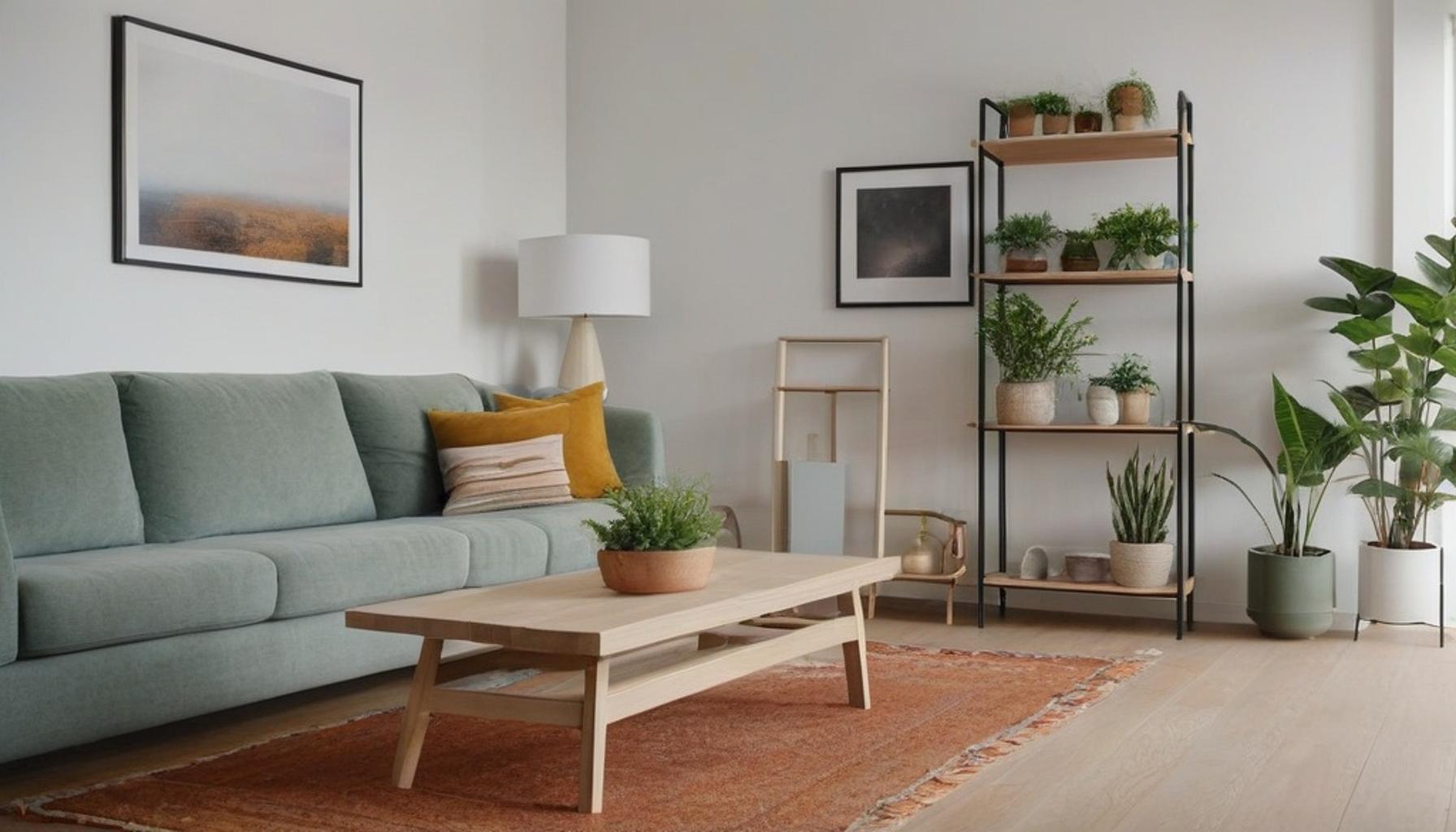
- Tall bookshelves positioned near entry points serve double duty as room dividers in studio layouts while offering generous storage for books, plants, or display items.
The Kitchen and Bathroom: Small Rooms, Big Opportunity
Kitchens and bathrooms in older American apartment buildings, particularly those constructed before the 1980s, were rarely designed with modern storage needs in mind. This is precisely why these rooms benefit most from targeted home storage hacks.
Magnetic strips affixed inside cabinet doors can hold spice tins or small tools. Tension rods installed under sinks create instant vertical dividers for cleaning supplies. Stackable, clear bins in bathroom cabinets allow residents to see contents at a glance, reducing the frustration of digging through cluttered shelves.
According to a 2023 survey conducted by a national moving and storage company, nearly 68% of urban apartment dwellers identified the kitchen as their most challenging space to organize, ahead of bedrooms and living rooms combined. This finding suggests that targeted vertical solutions in food preparation areas may yield the greatest satisfaction improvements among renters actively pursuing clutter-free home tips.
Even something as simple as adding a rolling cart with multiple tiers beside a refrigerator can absorb pantry overflow, proving that meaningful organization often starts with rethinking what’s already within arm’s reach.
DIVE DEEPER: Click here to discover tips for a minimalist kitchen
Bringing It All Together: A Smarter Way to Live Small
Maximizing space in small apartments isn’t about owning less or sacrificing comfort. It’s about making deliberate choices that respect both square footage and daily routines. From ceiling-height shelving to pegboards and tension rods tucked beneath sinks, the strategies outlined throughout this piece prove that smart storage solutions often hide in plain sight, waiting to be noticed.
What separates a cluttered apartment from an organized one rarely comes down to size alone. Two identical studio units, one chaotic and one serene, frequently differ only in how intentionally their occupants have approached vertical space, multi-purpose furniture, and forgotten corners like the backs of doors or the area beneath a bed frame.
Renters across American cities, from Boston walk-ups to Los Angeles courtyard buildings, are increasingly treating small apartment organization ideas as an ongoing practice rather than a one-time fix. Seasonal rotations, quarterly decluttering sessions, and periodic reassessment of what’s actually being used all contribute to sustained results.
Final Thoughts for Renters Ready to Reclaim Their Space
Anyone serious about clutter-free home tips should start small: pick one room, one wall, or even one closet, and apply a single change before expanding further. This measured approach prevents overwhelm and builds momentum.
Space-saving furniture, creative storage solutions, and simple home storage hacks work best when combined rather than treated as isolated fixes. Together, they transform compact apartments into homes that feel intentional, spacious, and genuinely livable, regardless of what the lease listing says about square footage.
Frequently Asked Questions
What are some effective smart storage solutions for small apartments?
Effective smart storage solutions for small apartments include multi-functional furniture like ottomans with storage, over-the-door organizers, and wall-mounted shelves. Utilizing vertical space with tall bookshelves and pegboards can also maximize storage without taking up floor space. Additionally, incorporating under-bed storage boxes can help you keep seasonal items out of the way.
How can I use furniture to create smart storage solutions?
You can create smart storage solutions using furniture by selecting pieces that serve multiple purposes, such as a sofa bed or a coffee table with built-in storage. Additionally, side tables with drawers and benches that open for storage can help consolidate items while maintaining a clutter-free aesthetic. This approach allows you to maximize your space without sacrificing style.
Are there any DIY smart storage ideas for small apartments?
Yes, there are numerous DIY smart storage ideas for small apartments. For instance, you can create floating shelves to display books and small decor items while keeping the floor clear. Another idea is to repurpose old crates or wooden boxes into unique storage solutions that add character to your space while being functional.
How do I effectively organize my closet using smart storage solutions?
To effectively organize your closet using smart storage solutions, start by decluttering and removing items you no longer use. Then, use clear bins or labeled boxes for easy visibility and stackable shelves, which help utilize vertical space. Hanging organizers for shoes and accessories can also maximize the available room, making it easier to find what you need.
What are some space-saving kitchen storage solutions for small apartments?
Space-saving kitchen storage solutions for small apartments include installing wall-mounted shelves or magnetic strips for knives and spices. Consider using stackable containers for dry goods and pulling out baskets or under-sink organizers to maximize limited cabinet space. Additionally, hanging pots and pans can free up valuable cabinet space and add a stylish touch to your kitchen.

Beatriz
Beatriz Johnson is a seasoned minimalist and writer with a passion for simplifying the complexities of personal organization and intentional living. With over a decade of experience in decluttering strategies and mindful consumption, she specializes in topics like space optimization, habit simplification, and sustainable lifestyle choices. Through her work on our website, Beatriz empowers readers to embrace minimalism, reduce mental and physical clutter, and create more meaningful, organized lives in today's fast-paced world.