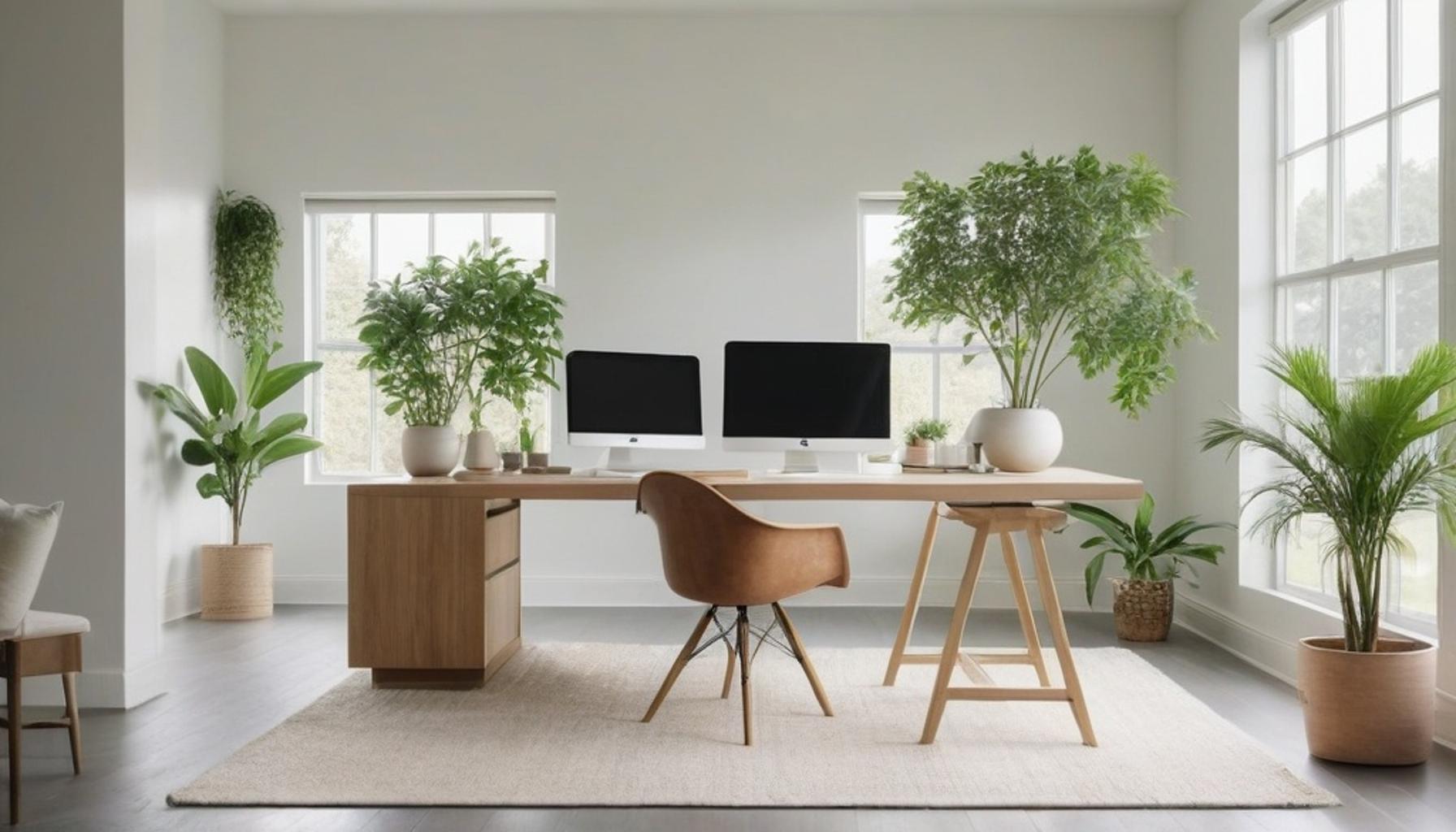
The Art of Decluttering: Minimalist Techniques for Efficient Living

Why Americans Are Embracing a Clutter-Free Life
The average American household contains roughly 300,000 items, according to the LA Times, and self-storage facilities now outnumber Starbucks locations nationwide. This staggering statistic illustrates the extent of clutter that fills homes across various regions. Be it a cozy apartment in New York City or a sprawling suburban home in Texas, the struggle against clutter is a universal issue that transcends geographical boundaries.
The Rise of the Minimalist Lifestyle
At the forefront of the movement towards simplicity is the minimalist lifestyle, which has evolved beyond just picturesque social media aesthetics into a practical answer to problems created by overconsumption, stress, and the challenges posed by shrinking living spaces. Prominent figures such as Marie Kondo, with her compelling philosophy of “spark joy,” and the creators of the documentary “Minimalism” have brought to light essential questions. What if, instead of accumulating more, we focused on valuing what we already possess? What if embracing simplicity could transform our daily experiences?
Understanding minimalist techniques for efficient living does not require one to adopt a life of absolute deprivation; rather, it centers on making intentional choices about possessions. The idea is to keep only what genuinely enhances our lives and contributes to our happiness and functionality.
This exploration opens the door to practical and proven decluttering techniques that extend beyond quick-fix solutions traditionally completed over a busy weekend. Readers will have the opportunity to dive deeper into:
- Step-by-step methods for how to declutter your home room by room, allowing for a systematic approach that prevents feeling overwhelmed.
- The psychological and financial benefits of minimalism, including reduced stress levels and increased savings as one learns to resist the urge to buy unnecessary items.
- Common decluttering mistakes that sabotage long-term results, such as hastily discarding items without properly assessing their value.
- Simple habits that ensure spaces remain organized for good, fostering a lifestyle of order instead of chaos.
Whether the end goal is achieving a calmer mind, a tidier home, or simply more room to breathe, the strategies that follow present a clear, actionable path forward. In a world where consumer culture often dictates our choices, embracing minimalism might just be the refreshing change many Americans seek. As this trend continues to gain traction, it may very well redefine what it means to live well in modern society.
DISCOVER: Click here to uncover minimalist kitchen ideas
Starting Small: The Room-by-Room Blueprint for Lasting Change
Before diving into closets or attacking the garage, it helps to understand why so many decluttering attempts fail. Most Americans try to tackle their entire home in a single weekend, only to burn out by Sunday afternoon. The secret to minimalist techniques for efficient living lies in breaking the process into manageable, focused stages rather than treating it as one massive overhaul. This not only makes the task less daunting but also fosters a sense of accomplishment with each completed area.
Professional organizers across the country, from Los Angeles to Boston, consistently recommend starting with the smallest spaces first. A single junk drawer or medicine cabinet delivers a quick win that builds momentum for larger projects ahead. As more manageable zones are conquered, the confidence gained can be pivotal in tackling more significant challenges.
How to Declutter Your Home Without Losing Your Mind
A structured approach transforms decluttering from an overwhelming chore into a sustainable habit. Here is a practical sequence that works for most households:
- Bathroom cabinets: Expired medications, half-empty lotion bottles, and travel-size toiletries accumulate fast. This space typically takes under 30 minutes to clear. Organizing this area not only enhances the aesthetic but also improves safety, particularly with medications.
- Kitchen drawers and pantry: Duplicate gadgets, expired spices, and mismatched containers are common culprits. Many families discover they own three or four can openers, often forgotten in cluttered drawers. Streamlining kitchen storage can make meal preparation easier and more enjoyable, thus enhancing the cooking experience.
- Bedroom closets: Clothing represents one of the biggest clutter categories nationwide. The average American owns 103 items of clothing yet wears only 20 percent regularly. Implementing a system like the capsule wardrobe can refine choices and simplify daily dressing.
- Living room surfaces: Books, remotes, mail, and decorative items tend to pile up on coffee tables and shelves without anyone noticing. Clear surfaces not only look more inviting but can also help to declutter mental spaces, enhancing relaxation.
- Garage and storage areas: Often a final frontier, these spaces hold items people haven’t touched in years, sometimes since moves that happened over a decade ago. Investing time to sort through these zones can lead to untapped storage potential and even offer a chance to rediscover forgotten treasures.
This suggested sequence matters because it mirrors psychological momentum. Completing a small, visible task creates motivation to tackle the next, more challenging area. It also prevents the common mistake of starting with the garage or basement, spaces so overwhelming that many people quit before finishing. Each victory, no matter how small, encourages persistence and fosters a positive mindset toward the decluttering journey.
Among the most effective decluttering techniques is the “one-year rule”: if an item hasn’t been used in twelve months—excluding seasonal gear like holiday decorations or winter coats—it likely no longer serves a purpose in daily life. This rule aligns with Minimalist philosophy, encouraging individuals to reflect on their possessions. Applying it consistently, room by room, creates a ripple effect throughout the entire household.
Adopting a minimalist lifestyle doesn’t demand perfection or an empty, sterile-looking home. It simply requires honest evaluation of what adds value versus what merely occupies space. As this room-by-room strategy takes hold, many discover that the process becomes less about elimination and more about intentional living. Each item retained should have a designated purpose, contributing meaningfully to both personal and environmental wellbeing.
Ultimately, the journey toward a less cluttered home can also lead to a more fulfilled life, as individuals reclaim both space and mental clarity. The reaffirmation of what truly matters—be it an old photograph that sparks joy or a favorite cooking utensil—can profoundly transform everyday living.
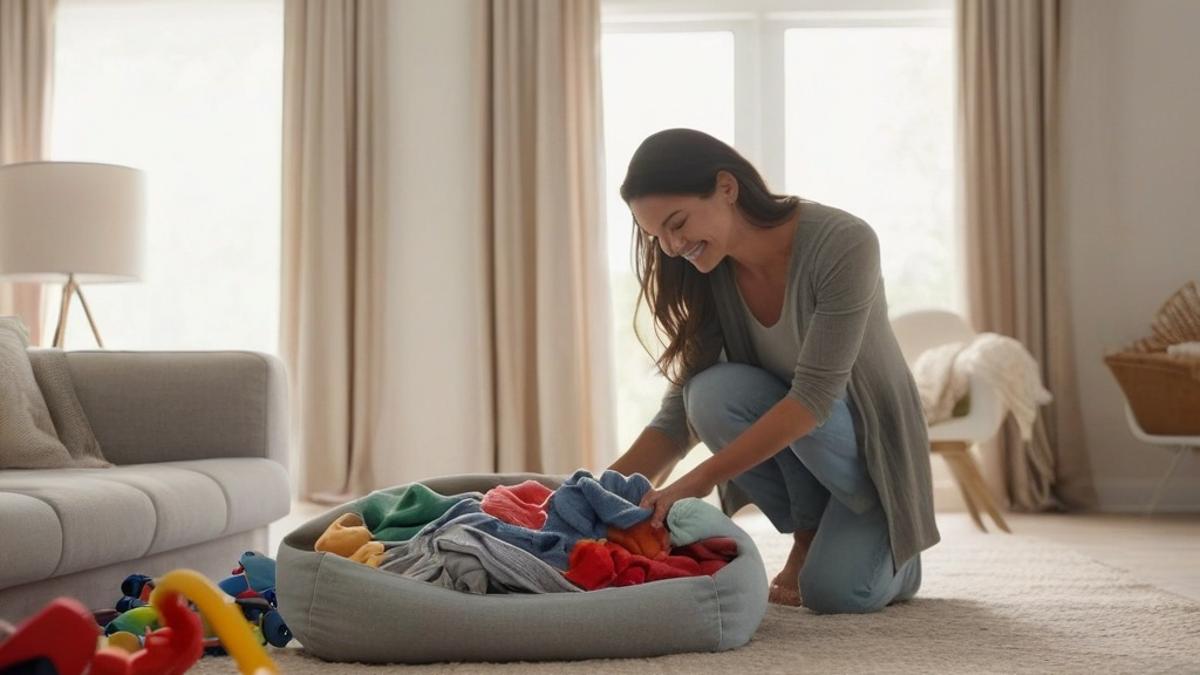
| Category | Key Features |
|---|---|
| Decluttering Techniques | Methods to effectively organize and simplify living spaces. |
| Benefits of Minimalism | Improved clarity, productivity, and reduced stress through a simplified lifestyle. |
DISCOVER MORE: Click here to dive into minimalist kitchen ideas
# Beyond the Purge: Sustainable Systems That Keep Clutter From ReturningClearing out closets is one thing. Keeping them clear is where most Americans stumble. Studies on organizational behavior suggest that nearly 80 percent of household clutter returns within six months if no maintenance system is put in place. This is why lasting minimalist techniques for efficient living depend less on a single dramatic purge and more on habits that prevent accumulation in the first place.
The One-In, One-Out Rule and Other Daily Habits
Retailers know that Americans buy more than they need. The average household spends over $1,700 annually on items they later admit were unnecessary purchases. Combating this requires small, repeatable habits rather than willpower alone.
- The one-in, one-out rule: For every new item brought home, one similar item must leave. This prevents wardrobes, bookshelves, and kitchen drawers from silently expanding over time.
- The five-minute reset: Spending just five minutes each evening returning items to their designated spots prevents small piles from becoming overwhelming messes by the weekend.
- Digital decluttering: Physical clutter often mirrors digital chaos. Unsubscribing from marketing emails and organizing files can reduce the psychological noise that fuels impulsive shopping.
- The 24-hour rule for purchases: Waiting a full day before buying non-essential items curbs impulse spending, a major contributor to clutter in the first place.
Why Storage Solutions Aren’t Always the Answer
Container stores and organizing aisles have built an entire industry around the idea that more bins equal more order. But professional organizers frequently point out a contradiction: buying storage products to house excess belongings often just relocates the clutter rather than resolving it.
Instead, effective decluttering techniques prioritize reduction before organization. A closet doesn’t need fifteen matching hangers and drawer dividers if half the clothing inside no longer fits or gets worn. This distinction—organizing versus minimizing—is often the missing link in decluttering guides.
The Psychological and Financial Benefits of Minimalism
Research from consumer psychology suggests that cluttered environments are linked to elevated cortisol levels, the hormone associated with stress. A UCLA study on home environments found that women who described their homes as cluttered showed higher stress hormone patterns throughout the day compared to those who described their spaces as calm and organized.
The benefits of minimalism extend beyond mental clarity. Financially, many who adopt a minimalist lifestyle report spending less overall, since intentional buying replaces impulsive consumption. Some households have documented saving thousands of dollars annually simply by pausing before purchases and reassessing genuine need versus fleeting want.
Environmental impact matters too. The Environmental Protection Agency estimates that Americans discard over 11 million tons of textile waste yearly, much of it from fast fashion purchases that quickly fall out of favor. Reducing consumption through mindful buying directly lessens this footprint.
Understanding how to declutter your home effectively, then, becomes less about temporary organization and more about reshaping consumption patterns permanently. When maintenance habits replace one-time purges, clutter-free living becomes not a project with an end date, but an ongoing, evolving lifestyle choice.
DISCOVER MORE: Click here to explore minimalist kitchen ideas
The Bigger Picture: Decluttering as a Lifelong Practice
The journey through minimalist techniques for efficient living reveals a truth many overlook: clutter is rarely about the objects themselves. It’s about the habits, emotions, and consumer patterns that allow belongings to accumulate unchecked in the first place.
Throughout this discussion, one theme has remained constant. Sustainable order requires systems, not sporadic bursts of motivation. A weekend spent hauling bags to donation centers feels productive, but without daily maintenance—like the one-in, one-out rule or a nightly five-minute reset—those cleared spaces quietly refill.
This is where genuine decluttering tips diverge from quick fixes. The most effective approach treats reduction as the priority, with organization serving as a secondary step, not a replacement for it.
There’s also a financial and emotional dimension worth remembering. Households practicing a minimalist lifestyle often report saving substantial amounts annually, simply by resisting impulsive purchases. Combined with lower stress hormone levels linked to tidy environments, the case for intentional living extends well beyond aesthetics.
For readers wondering how to declutter your home in a way that lasts, the answer lies in consistency rather than intensity. Small daily choices—pausing before a purchase, returning items to their place, questioning whether a new acquisition truly earns its spot—accumulate into lasting change, much like clutter itself once did.
Ultimately, mastering various decluttering techniques isn’t about achieving a picture-perfect home for its own sake. It’s about reclaiming time, money, and mental space from the constant churn of consumption. The benefits of minimalism ripple outward, touching everything from personal finances to environmental impact.
Perhaps the real question isn’t how to declutter once, but how to build a life where clutter simply has less room to grow.
Frequently Asked Questions
What are some simple minimalist techniques for starting my decluttering process?
Start with the ‘One in, One out’ rule: for every new item you bring into your home, remove one. Additionally, consider the 30-Day Minimalism Game, where you eliminate one item on the first day, two on the second, and so on for a month. These techniques can help you gradually and effectively declutter your space.
How can I maintain a minimalist lifestyle after decluttering?
To maintain a minimalist lifestyle, regularly reassess your belongings and limit impulse purchases. Establish a routine for evaluating your possessions every few months, and adopt habits that prioritize quality over quantity when acquiring new items. Staying mindful of your consumption is key to efficient living.
What should I do with sentimental items when decluttering?
When dealing with sentimental items, try to limit yourself to a small container to hold only the most meaningful pieces. Take photos of items that carry memories but may not have practical use, and consider donating or repurposing items that no longer fit your life. This approach balances emotional attachment with the principles of minimalism.
Can minimalist techniques aid in organizing digital clutter as well?
Absolutely! Minimalist techniques can be applied to digital clutter by organizing files into clearly labeled folders, removing unused apps, and unsubscribing from unnecessary email lists. Regularly auditing your digital space can enhance your efficiency and make it easier to find what you need.
What are some common mistakes people make when trying to declutter?
One common mistake is trying to declutter everything at once, which can lead to feeling overwhelmed. Another is failing to set clear goals or criteria for what to keep versus what to donate or discard. Taking a gradual approach with specific intentions can lead to more successful decluttering results.
How do I choose which items to keep based on minimalist techniques for efficient living?
Evaluate each item based on its utility, joy, and necessity in your life. Ask yourself if it serves a purpose or contributes positively to your everyday routine. If it doesn’t enhance your lifestyle or fit into your living space comfortably, it’s likely time to let it go.

Beatriz
Beatriz Johnson is a seasoned minimalist and writer with a passion for simplifying the complexities of personal organization and intentional living. With over a decade of experience in decluttering strategies and mindful consumption, she specializes in topics like space optimization, habit simplification, and sustainable lifestyle choices. Through her work on our website, Beatriz empowers readers to embrace minimalism, reduce mental and physical clutter, and create more meaningful, organized lives in today's fast-paced world.